Following immediately on the heels of Rio (population 13.8 million), we cannot avoid a quick comparison of 2 ‘world-class’ cities 3 air hours apart (in South America, this might be considered as sharing the ‘hood’). Rio is brash, invoking far more superlatives than Buenos Aires (population 15.3 million). Christ atop a mountain! Sugarloaf! Police on every corner! Huge lagoon! Tunnels! Elevated neighborhoods! A 13.3 km bridge spanning the massive Guanabara bay. And most of all, BEACHES !!! BA has far fewer superlatives. Flat as a pancake. Beaches on distant southern coasts. Arguably the most impressive structure lies broken in its park. Where BA does outshine is in the varied appeal of its diverse neighbourhoods (barrios) and in its cosmopolitan vibe with strong European tones.
The Expected
Buenos Aires is most commonly associated with 4 things: Tango, Steak, Barrios, and European architecture.
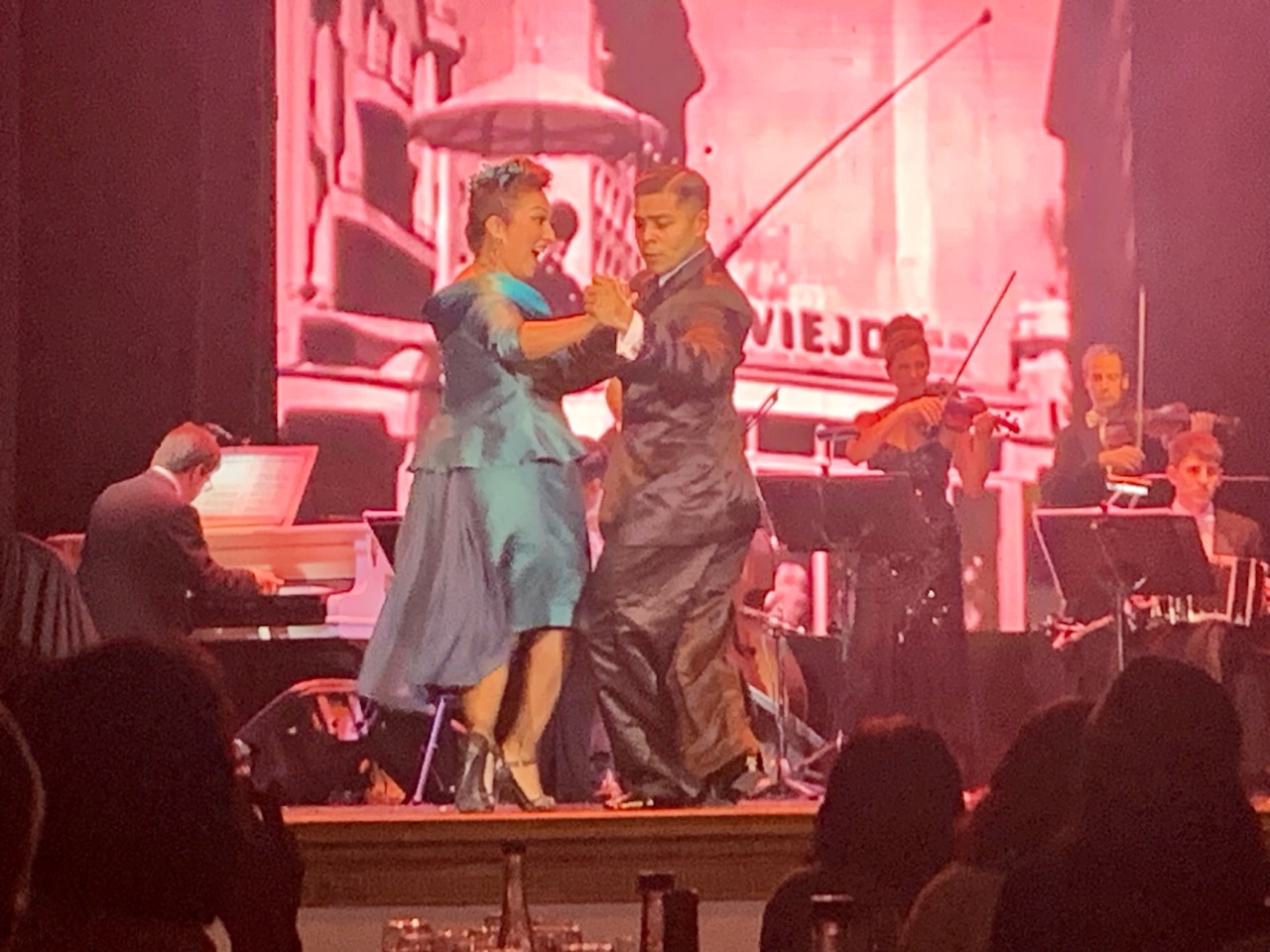
1. Tango
We secured tickets for one of the many Dinner & Tango shows offered. The steak dinner and wine was good (not exceptional), the service was ok, the dancing and singing was wonderful, and the private driver and introductory tango lesson was a nice bonus.


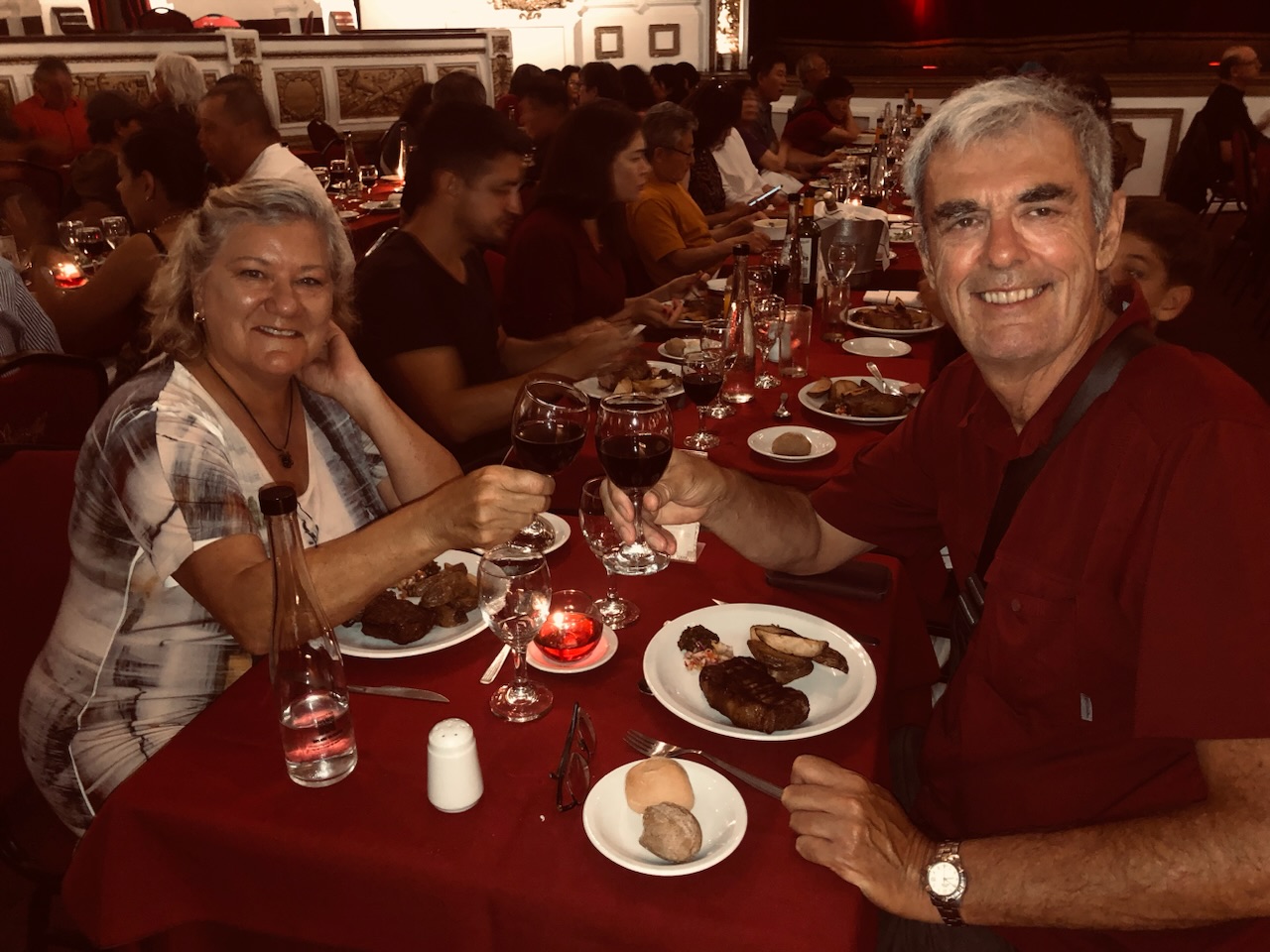
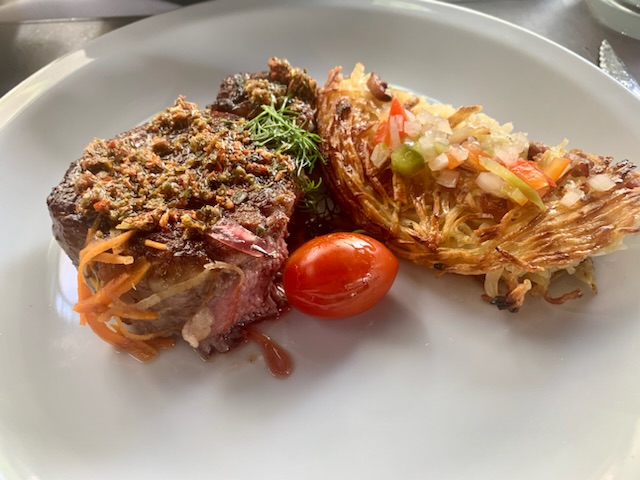
2. Steak
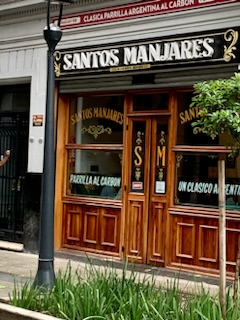
In addition to the Tango event, we found the sumptuous classic Argentinian steak in 2 other places. One at a rather fancy eatery in Palermo, and one at a decidedly unfancy but highly-rated eatery recommended by a college friend of M in the more central Balvanera district. And while not a steak, we had to throw in a pic of home-cooked pasta because S found half-price Mendoza wine at a little kiosko across the street.



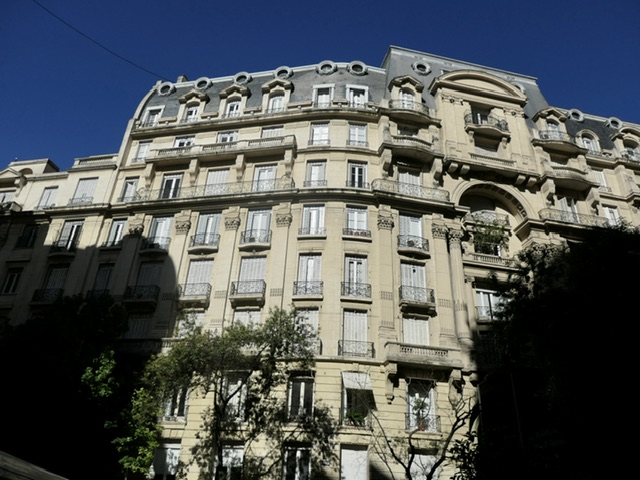
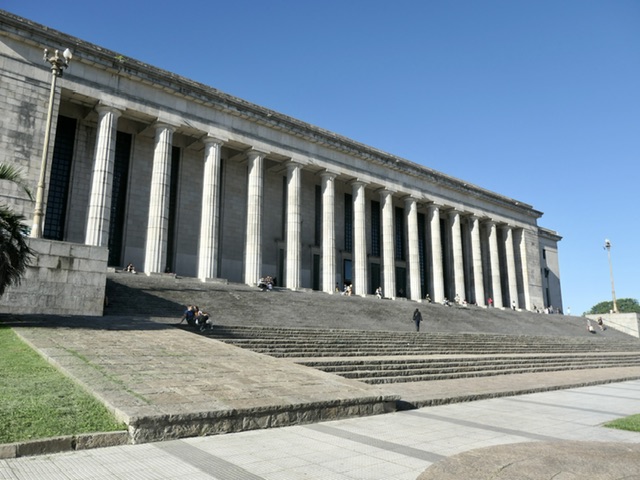
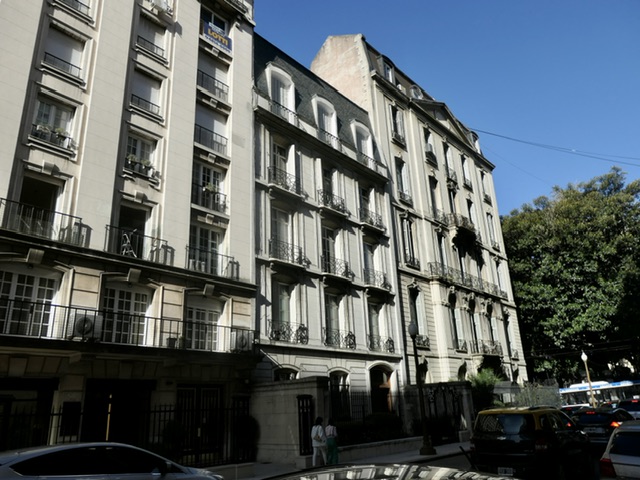
3. European Architecture


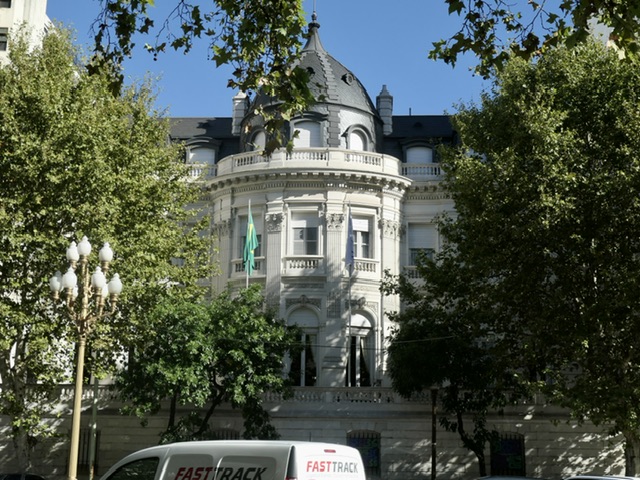


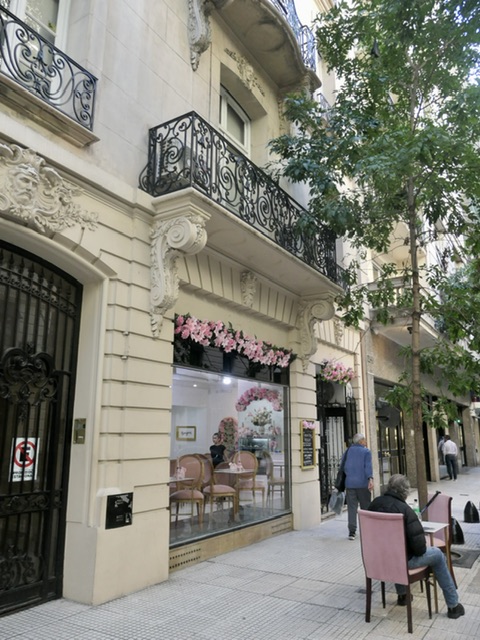


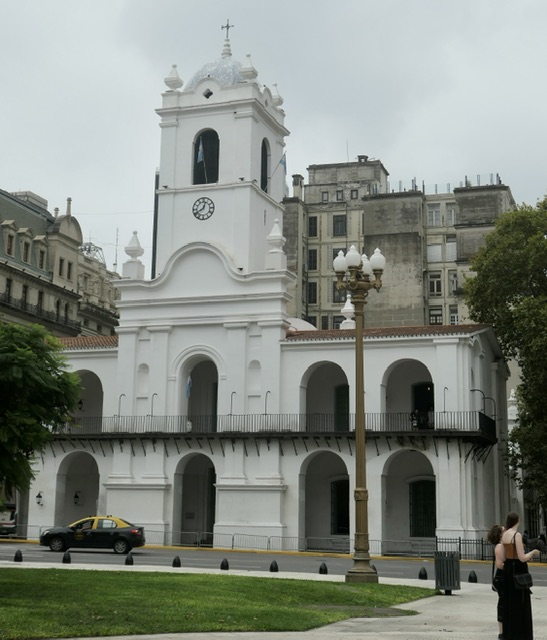
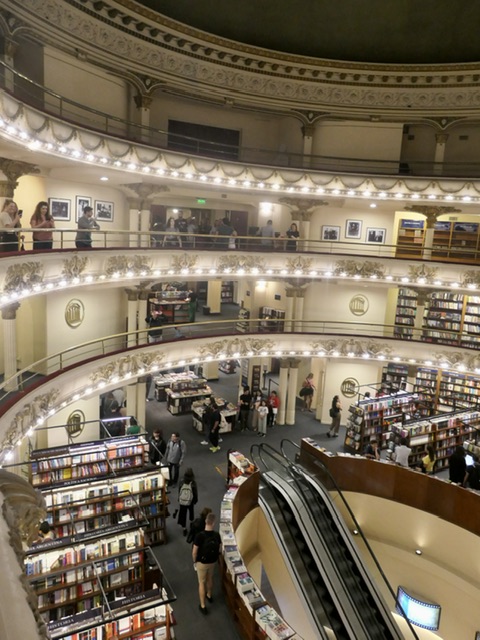
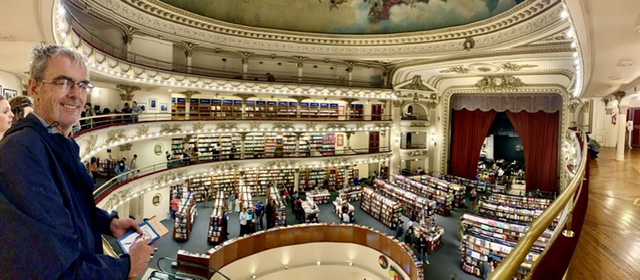
On a day of torrential rain, with the streets turned to rivers, we elected to visit the famous El Alteneo Grand Splendid, named as one of, if not THE most beautiful bookstore in the world. It operated as a stage theatre from 1919-1999 before being re-furnished as a bookstore. It was a great way to spend a couple hours including wonderful cappuccinos.
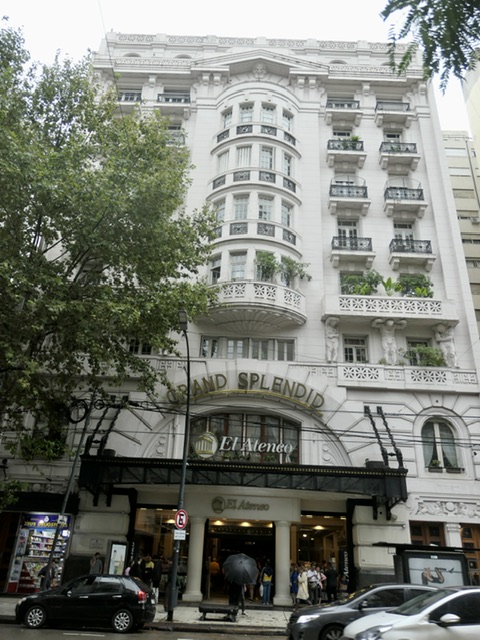
4. Barrios
During the previous couple of months, we were often regaled with stories about enjoying the various neighbourhoods of Buenos Aires. Here goes…
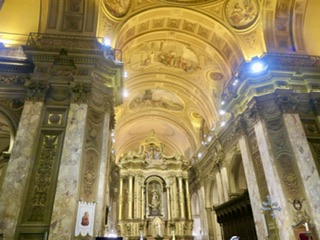
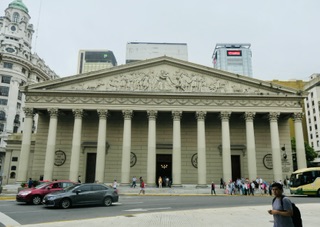
a. Retiro, Recoleta, and Centro: most of the European architecture shown above is from these areas. And some modern glass buildings mixed in. Also here, we found the Buenos Aires Metropolitan Cathedral, with its classic styling, mosaic floors, and which houses the mausoleum of San Martin. There is also the Casa Rosada (pink house) also known as Casa de Gobierno (government house, official office of the President). And this time, we did not visit the famous Recoleta cemetery (it’s now done by ticketed tours…nuf said).
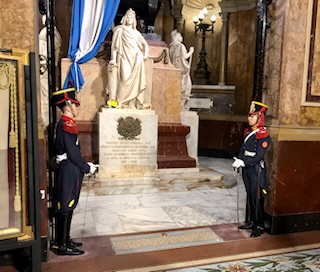

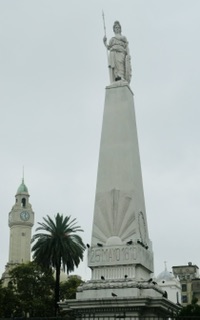
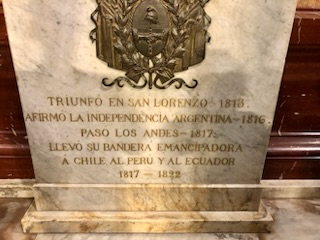

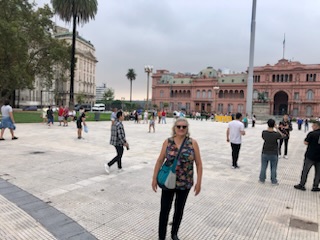
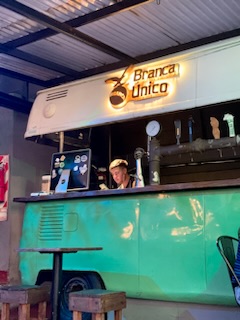
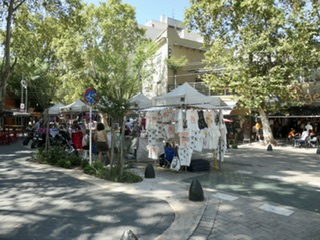
b. Palermo: one of the better known neighbourhoods that’s equally popular to live in and for tourists to stay. It was the barrio right next to the one we were staying (Villa Crespo), and where we enjoyed the most tasty empanadas with beer, wine, or Fernet cola at sidewalk eateries listening to the Rolling Stones or mixed playlists from our era. On a Sunday, the central plaza felt exceptionally touristy, with restaurants more focussed on American foods and market stalls & surrounding stores selling the identical mass-produced tchotchkes, sometimes under the guise of artisanal. We did find an authentic Argentinian steak lunch a few streets beyond the plaza (as noted above).




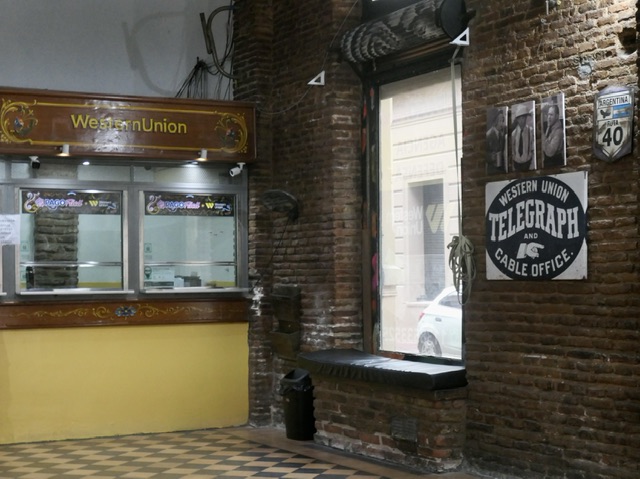
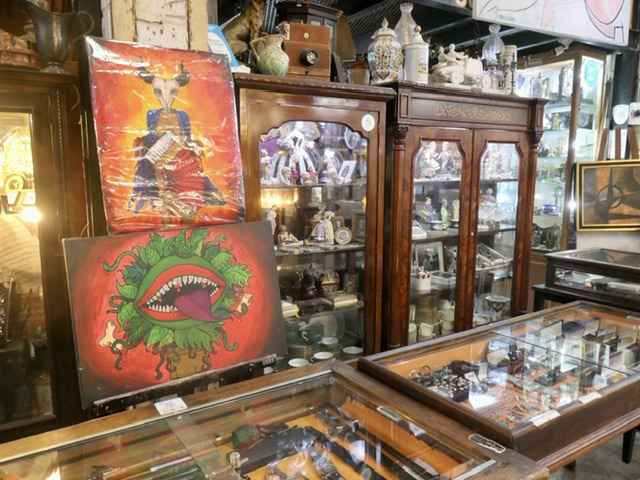
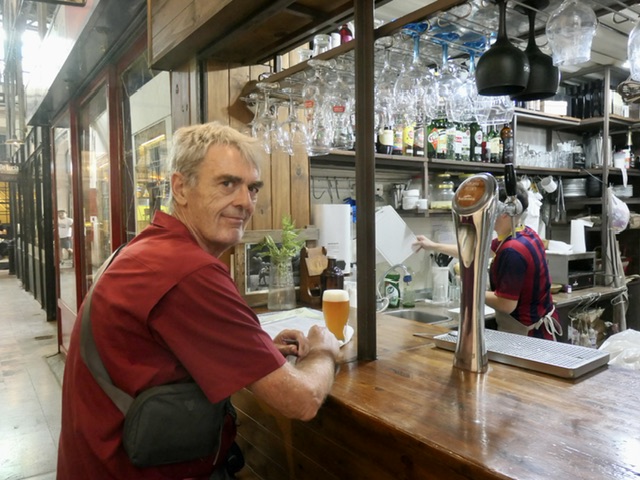
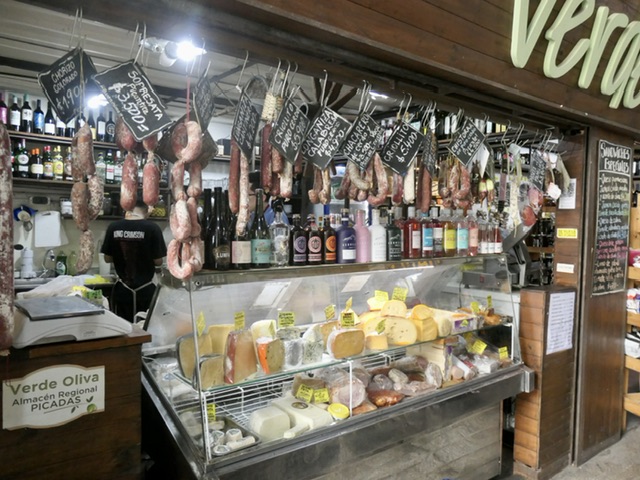
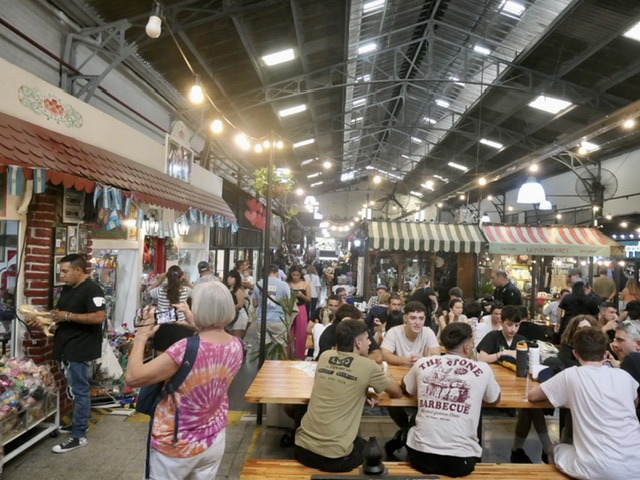
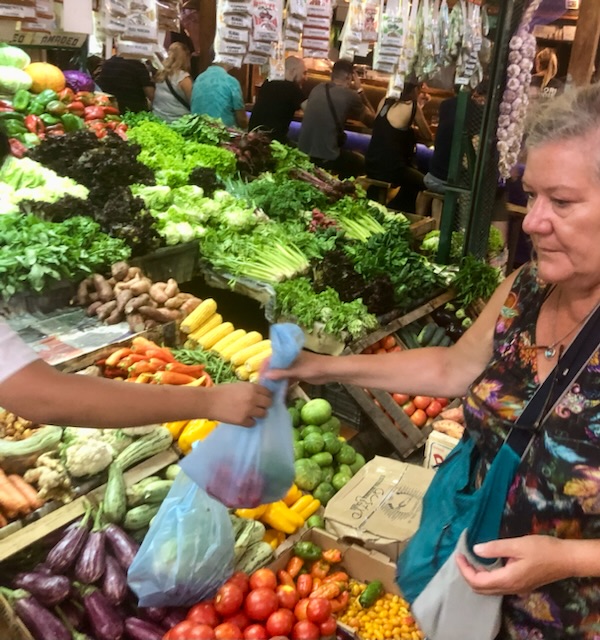
c. San Telmo: a historic neighbourhood that is centred around its famous market. Originally a full-fledged food and goods market, it’s modern incarnation is more a centre for Argentinian parrillas & international eateries and antique/used goods shops. After the now-normal stop to get cash from Western Union, we had an awesome Italian sandwich here and did find the ingredients for our home-cooked pasta meal noted above.





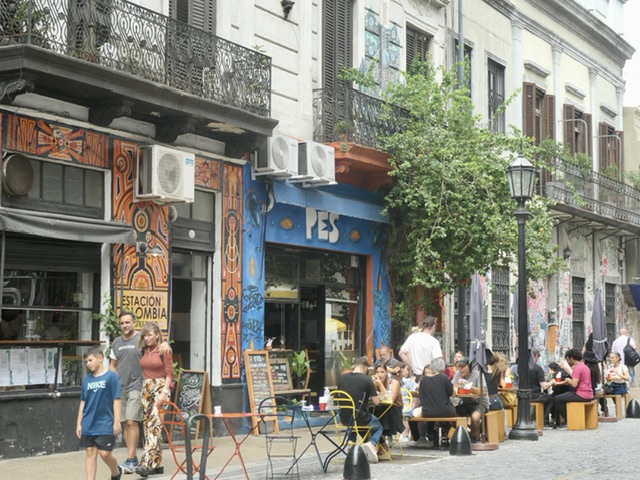
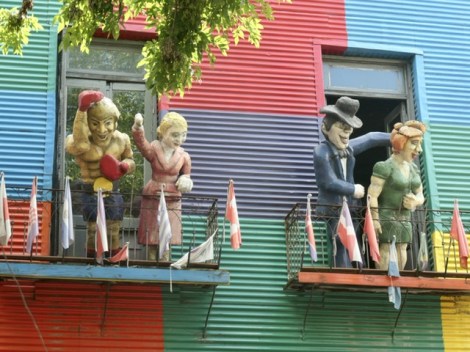
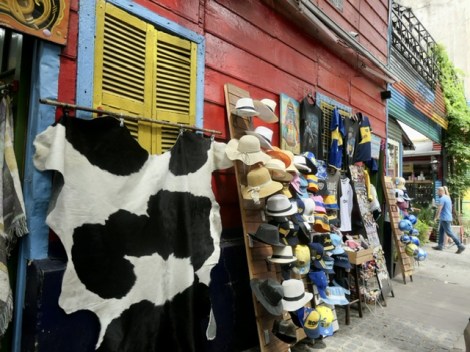
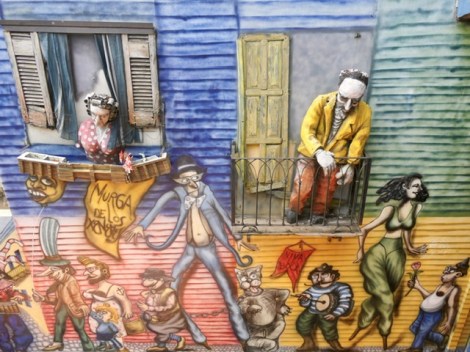
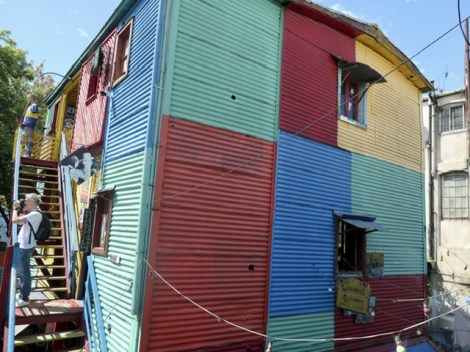
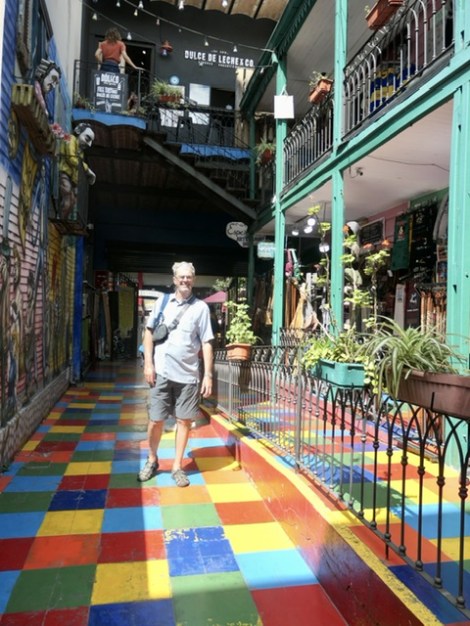
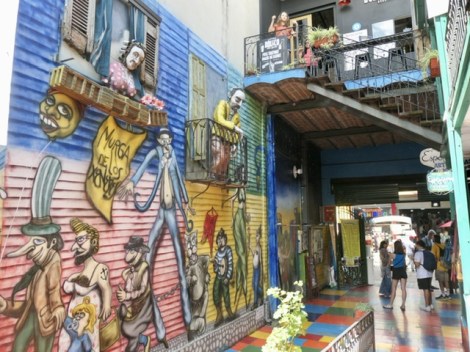
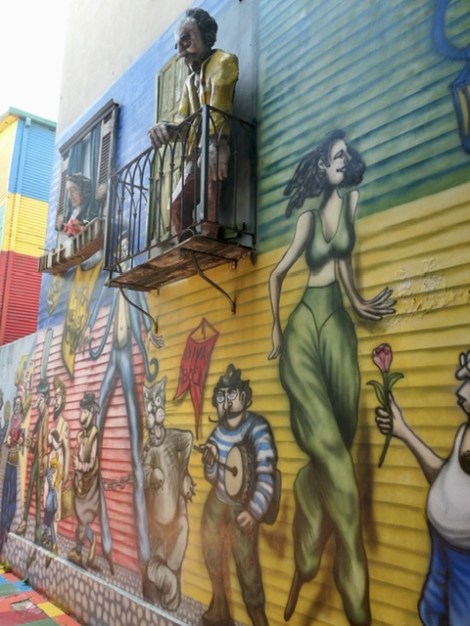
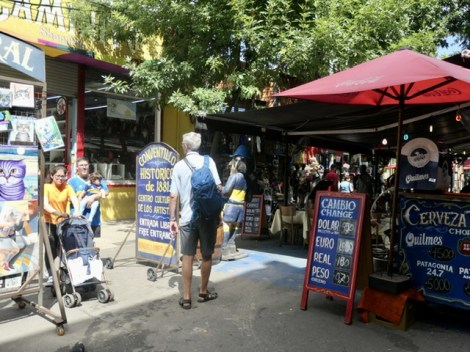
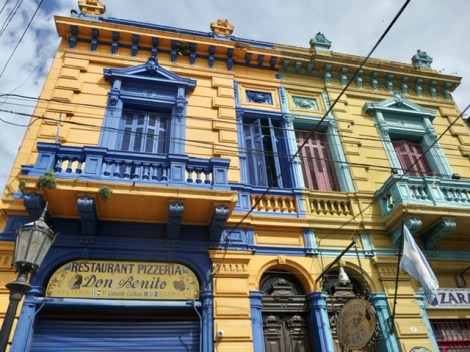
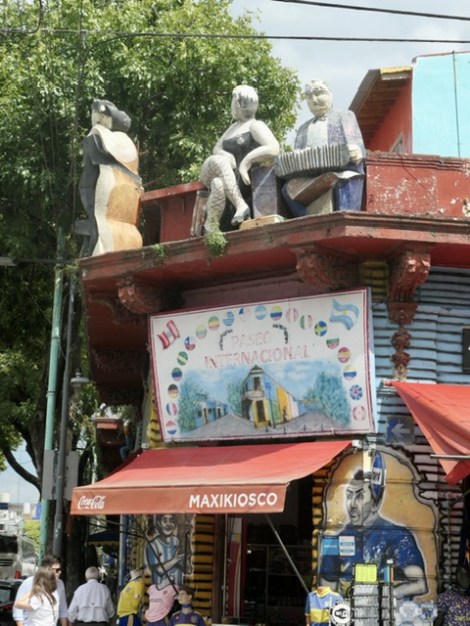
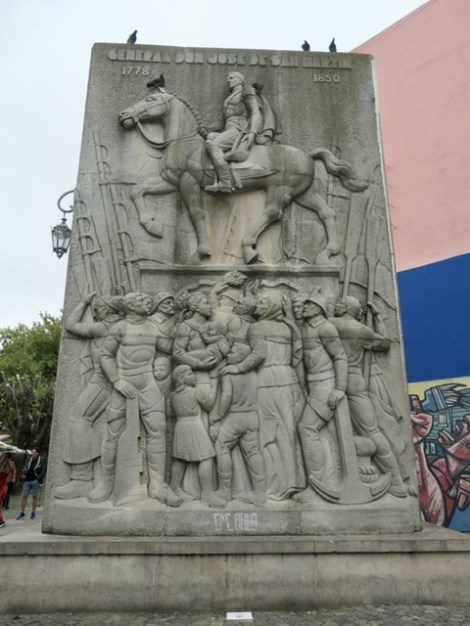
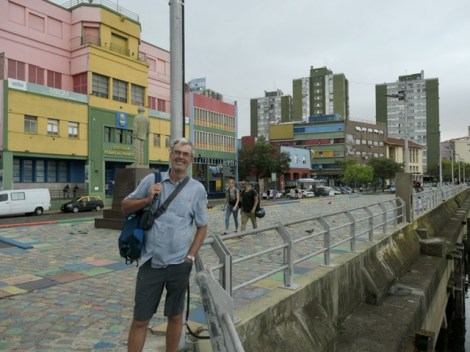
d. La Boca: a working-class neighbourhood near the docks where the late 1800s – early 1900s mass influx of European immigrants were housed in tenement rooms. Today the neighbourhood is centred around 2 things – the nearby football club (makes for rowdiness on game days) and the street artists, leather shops, and football club paraphanalia sold in all the highly colourful buildings surrounding Caminito. We were tempted by leather coats, shoes & handbags but alas! had no way to pack them & no time to get them shipped home (would have also meant another trip to Western Union…)






The Unexpected
We also discovered modernity, local everyday life, public political markers, and Tigre (gateway to the Rio del Plata delta).
1. Modernity
a. Puente de La Mujer (Women’s Bridge): opened in 2001, a footbridge named so due to the numerous streets in the area with women’s names; according to the architect it is a stylized representation of the tango. We were there amidst a mass event that was one of the city’s events in honour of International Women’s Day that ran all through March. This day appeared to be a fundraiser for an arts centre where people came dressed in black or white, bought stickers, and gathered on the bridge listening to dolcet tones of music on loudspeakers, many meeting others to hug, laugh, reflect, and comfort each other. M was trying to figure out what was going on. S was somewhat uncomfortable making his way through the throngs but was mollified by a beer at the Temple bar on the other side.
b. Centro Cultural Recoleta: closed when we were there
c. Floralis Genérica: created in 2002, this emblematic steel sculpture is said to represent all the flowers in one, with its petals opening each morning and closing each evening. Unfortunately, it was under repair since being damaged by a strong storm last December, with 2 petals broken.
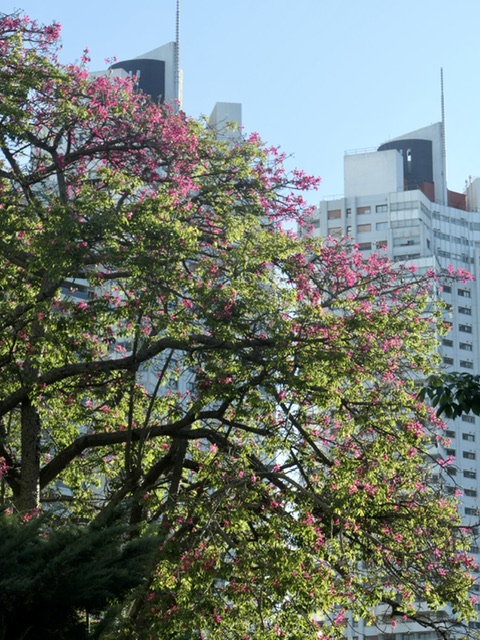
d. Modern high rises amidst historic buildings; our rental apartment with rooftop lap pool (a win for M!)





2. Local Daily Life
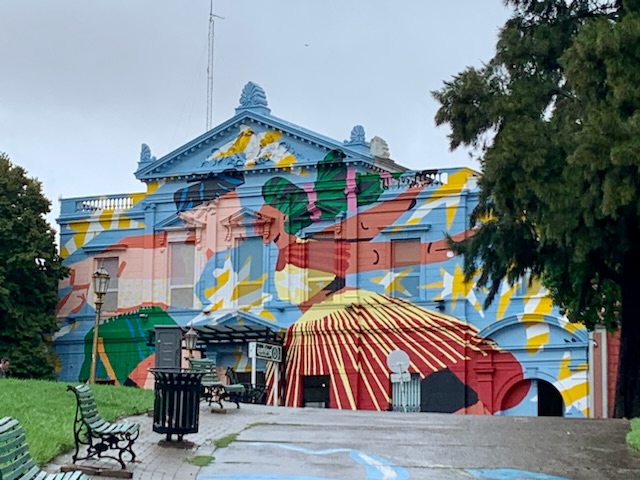
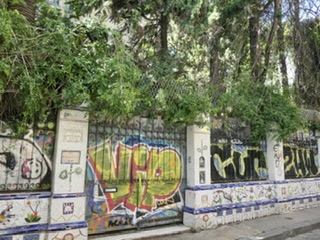
a. Urban graffiti: it’s so ubiquitous that one can easily become blind to it, but does add much interest and colour to the often grey urban environment.
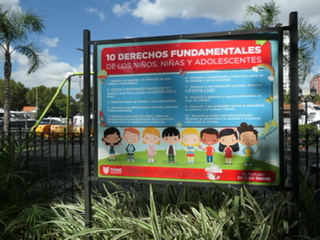
b. Children: lots of parks and playgrounds that are crammed with families around 6 pm each day and all day on weekends.
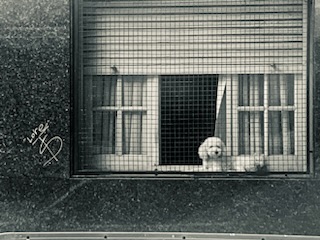
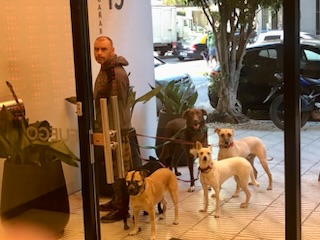
c. Perros: in most parts of Argentina, street dogs are over-abundant. In the city, we saw none. BA is known for its dog-walkers, often with a dozen or so in their charge. As so many people live in urban apartments, dogs happily observing passers-by are seen in window wells.
d. Cafés: in the rest of South America (so far), we’ve seen the absolute obsession with maté – don’t ever call it ‘tea’ – with almost everyone walking around all day long with their open maté cup/straw and matching thermos, sometimes in dedicated carrier slings or totes. In BA, we find the coffee culture, likely a remaining European influence. One of our best travel accessories was to bring a collapsible coffee filter as everywhere has a kettle rather than a coffee pot and where the only nod to ‘coffee’ is (instant) Nescafé.
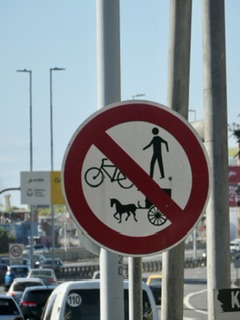
e. Weird Signs: we’re not sure what this sign means as we saw no horses or buggies anywhere.
f. Public buses: a cheap way to get around, we took numerous buses that allowed us to observe daily life in a way the metro cannot. This does require some endurance however as rarely does one get a seat and the drivers tear through the streets and around corners as if in a rally. Kudos to these skilled drivers however as they weave through traffic in ways that make us close our eyes, mere centimetres from other vehicles. Some drivers seem to have personalised their buses – this was what we called the disco bus – all steel-riveted lavender upholstery, matching tasseled sun visor, lavender fixtures, and all the mirrors. Plus, disco music on endless play loop (this was a 45-minute ride).




Public Political Expressions (past & current)
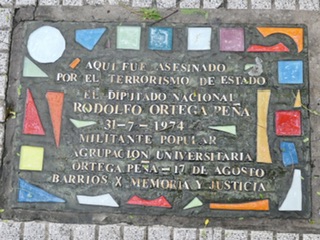
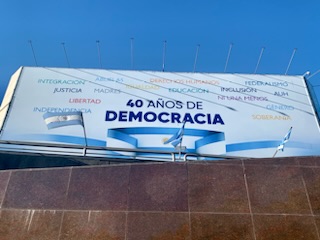

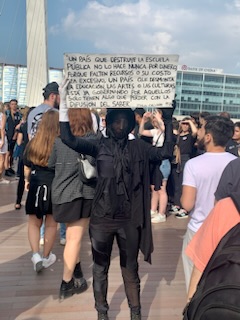
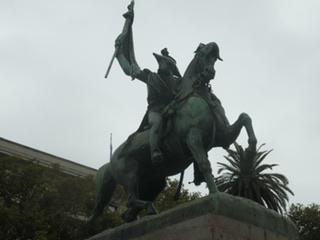
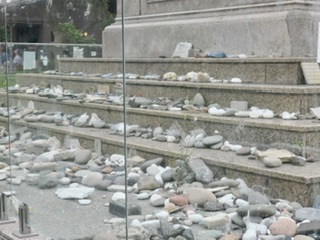
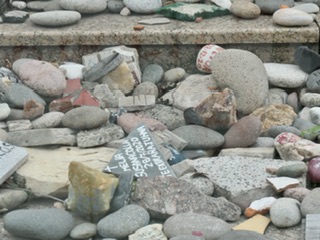
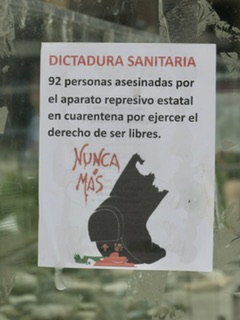
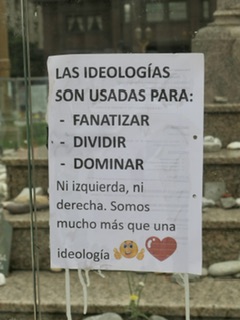
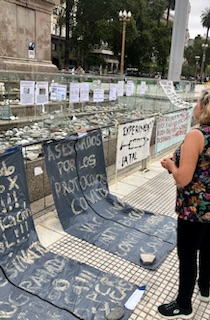
One of the most interesting sites was a combined memorial and protest related to coronavirus. In front of the Casa Rosada (government house) stands a statue of General Manuel Belgrano, one of Argentina’s founding fathers and designer of the country’s flag. In August 2021, hundreds of citizens placed stones with the names of those who had died of the virus at the base of the statue. When they were to be removed, a big protest ensued, fuelled no doubt by the discovery of the President at the time breaking his own lockdown mandates with fancy parties. Instead, the stones were preserved by encasing the base in glass. Now, it is a site of protesting that government’s mandates, violations of civil rights, and has the addition of stones and posters for the victims of these mandates. Meanwhile in Canada…?


4. Tigre
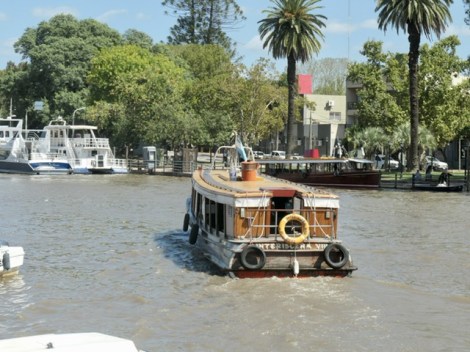
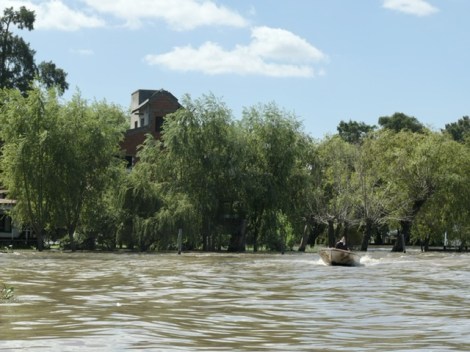
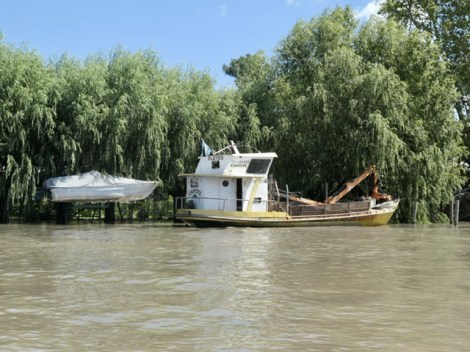
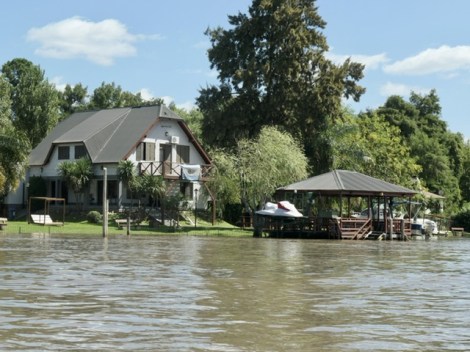
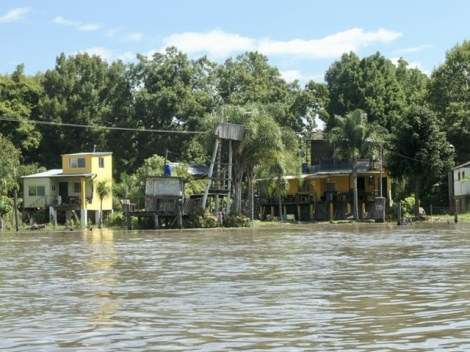
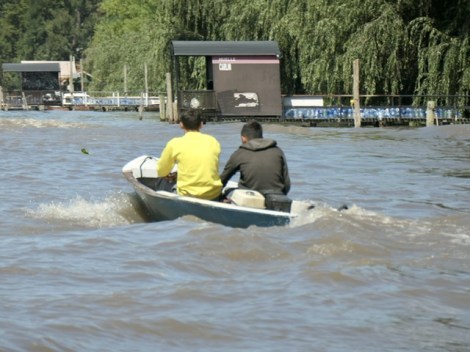
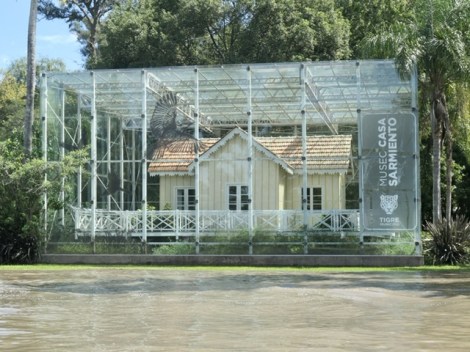
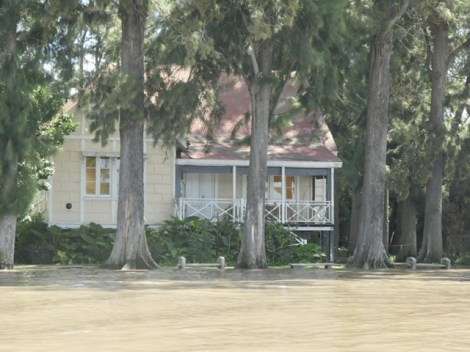
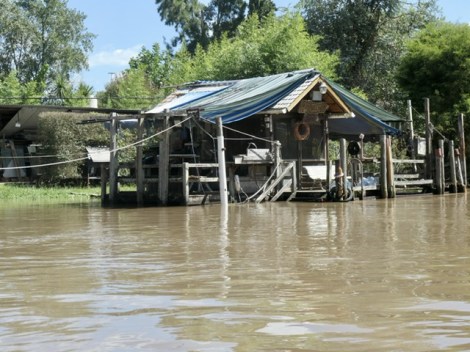
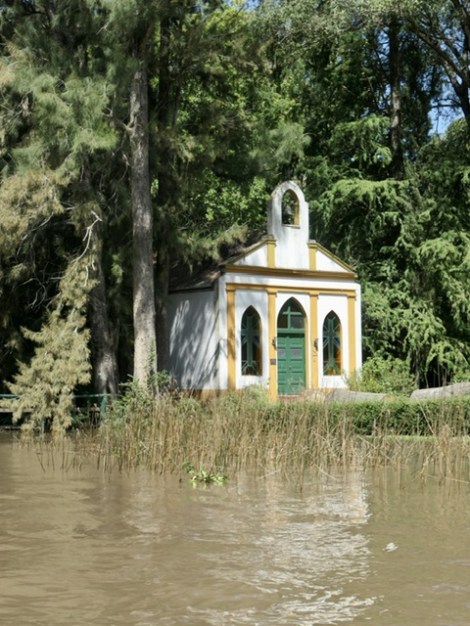
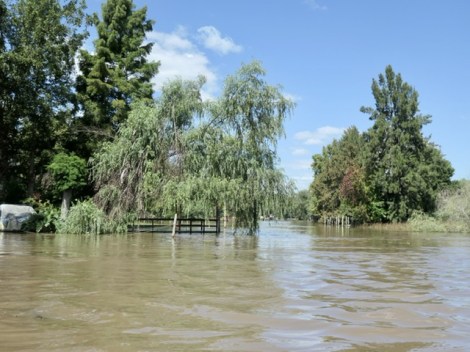
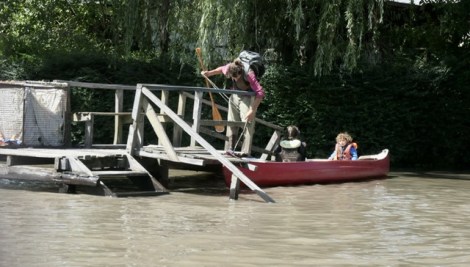
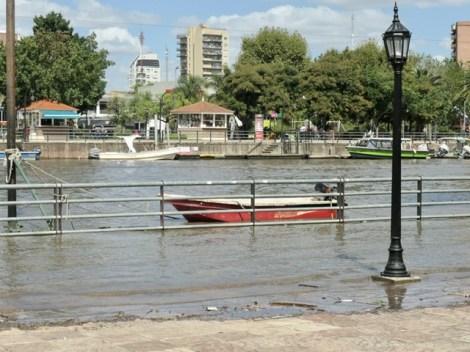
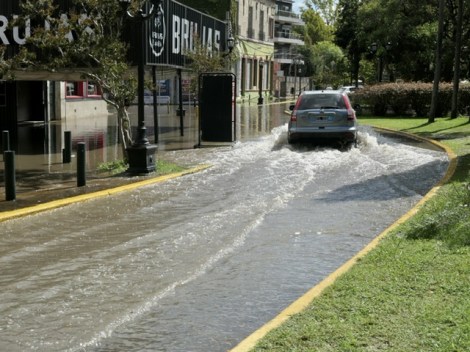
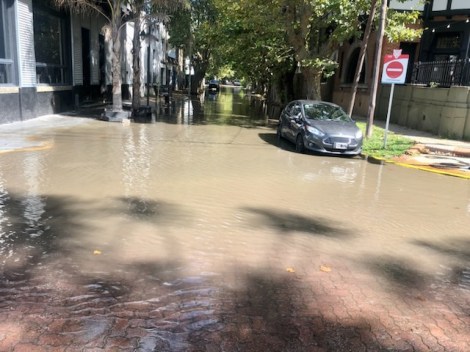
Our out-of-town excursion involved a bus to the central train station, then a 90-minute train to Tigre, 30 km away, and outside BA. It is the gateway to a labrynth of islands and canals that make up the Paraná delta. The Rio del Plata (Plate River) references the shape of these islands that have depressed centres (photos will show why this matters). This region is full of stilt houses, old mansions, rowing clubs, wood crafters, floating markets and restaurants accessible only by boat. Many holiday homes are shut for the season but there are also many permanent residents that we dubbed the “river people.” Everything is accessed by boat, including shopping, school, church, and community activities. Health care, dentistry, libraries, water and fuel services are delivered by boat rounds. We took a 75-minute boat tour only to discover the results of a recent strong storm and felt like we were travelling through the Louisiana bayou. Back in town, a 40-minute walk to the Naval Museum (which was closed on a weekday) highlighted the urban flooding challenges that were cutting people off from accessing their homes & businesses.









We now say good-bye to Argentina.
Thanks for the memories.
Stay tuned for country #4…
 Never a Dull Moment
The dinner and tango show looks like it was a fun evening.