Back to Chile
our next adventure started with a 2.5 hour flight from Montevideo to Santiago, a 3.5 hour wait in the airport, and a 1.75 hour flight to Calama. This is the major centre for servicing the mining industry, and we got the only 2 remaining seats on a plane mostly filled with guys going in for their 2-week rotations, leaving their families in Santiago.


Getting into our hotel involved squeezing through a heavily armoured blockade of avid football fans camped out to show their support for the all important premier league game the next day (players staying in our hotel). The same scene was played out for the visiting team staying at the sister hotel 3 blocks away. Calama is at 2260 m above sea level and we felt mild effects of elevation that night.
Getting High
Easter Sunday in Calama…people and dogs spilling out of church into the square
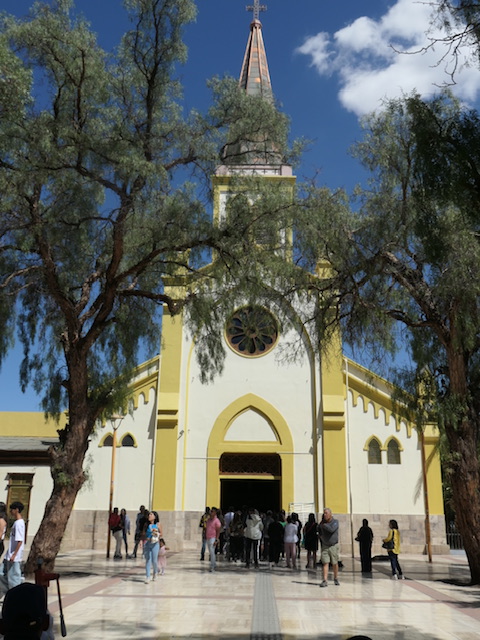
A 90-minute bus ride on Easter Day took us to San Pedro de Atacama (aka SPA) and another 200 m in elevation. This is the hub town for exploring the Atacama region, which we did over the course of 3 days in a rented Toyota Hilux. This constituted the beginning of our acclimatization in preparation for a 5-day trek to Machu Picchu in late April, that will reach 4600 m at its highest point.
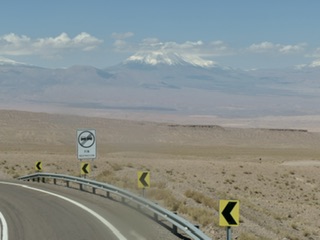

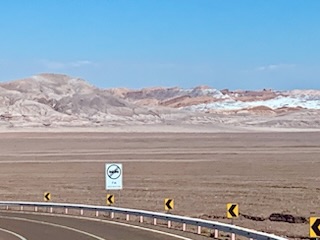
Some interesting facts about the Atacama desert:
- the driest non-polar desert in the world
- darkest skies for star-gazing (and a hub for many astronomical operations, including ALMA)
- soil is similar to Mars (probably why NASA tested the mars rover here…)
- has the world’s largest supply of sodium nitrate
- Chile has the world’s largest supply of lithium, with 90% in the Atacama, and mining of which is interfering with fragile eco-systems, water supplies, and traditional ways of life
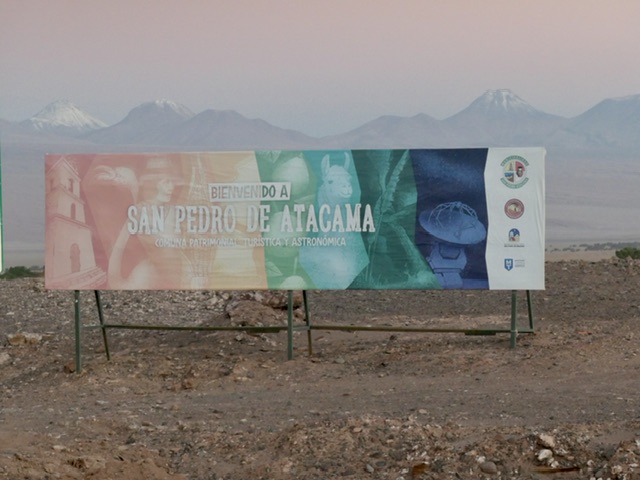
San Pedro de Atacama
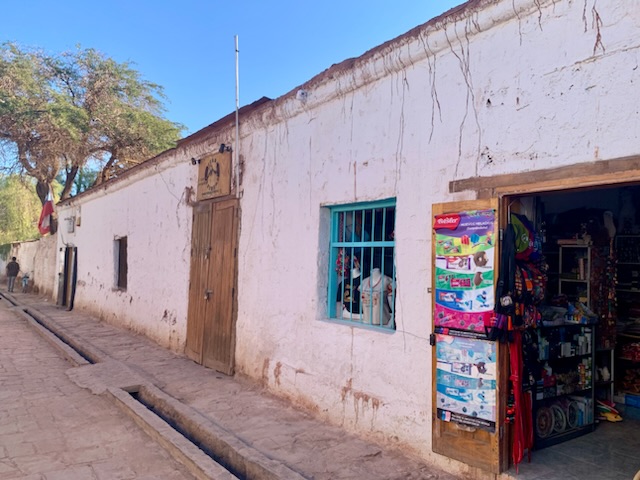
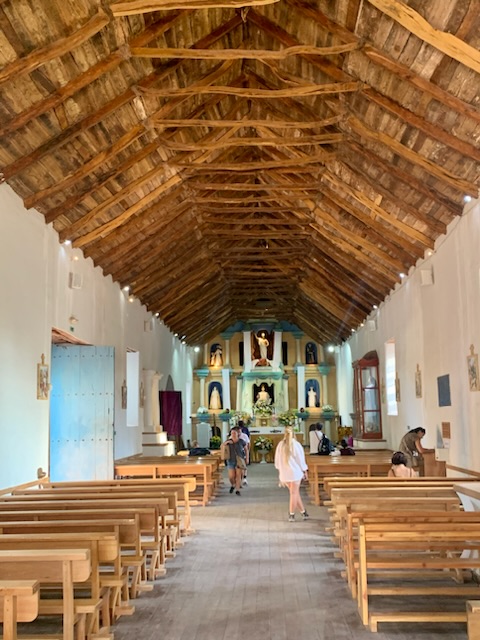
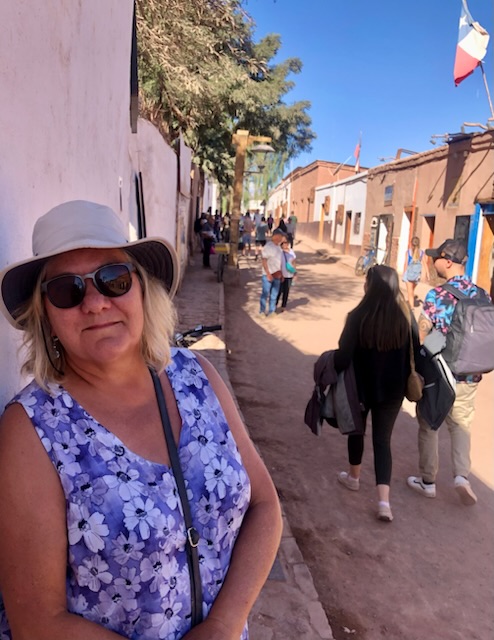
Like stepping back in time. With a population of about 5,300 people (high percentage indigenous), few paved roads, adobe buildings, one gas station, and no supermarket, it feels like a town from an old western movie. The main streets are lined with tour agencies, souvenir shops, money changers, and bars/restaurants.




Our Atacama
“old, but I’m not that old….young, but I’m not that bold”
1. Valle de La Luna
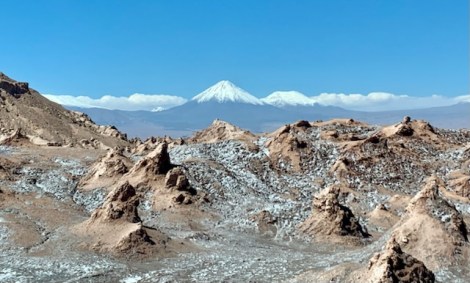
We did 3 hikes totalling about 3.25 hours, each with different vistas.
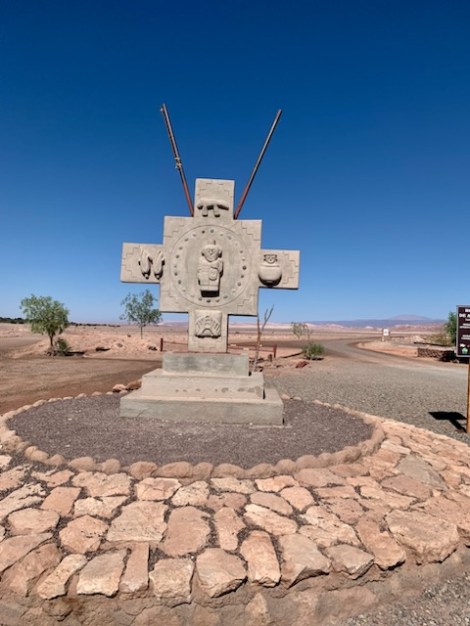
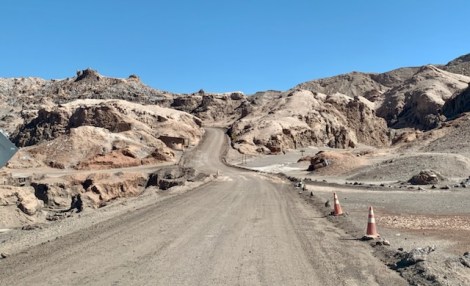

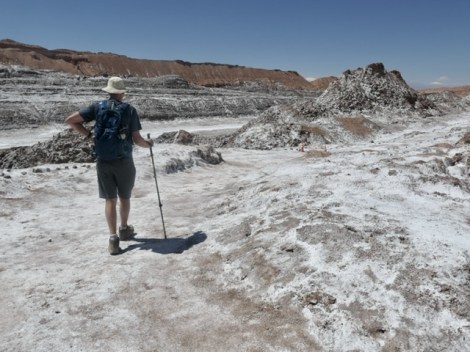

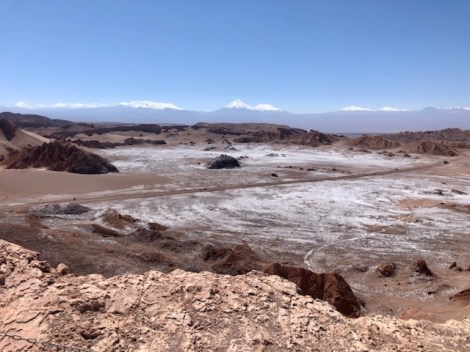

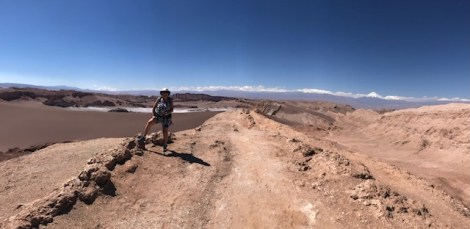
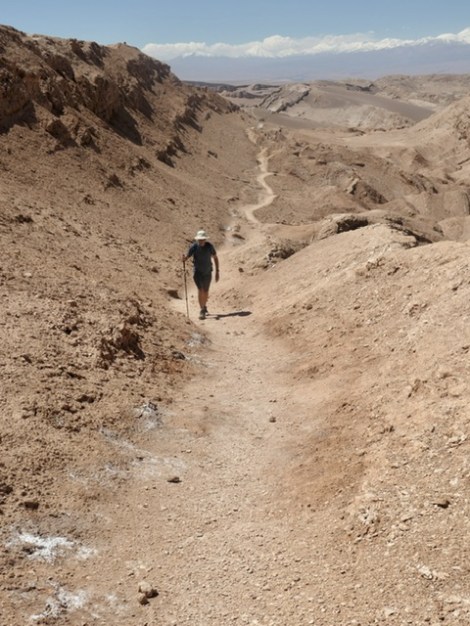
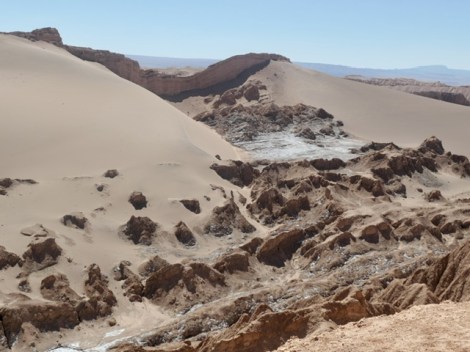
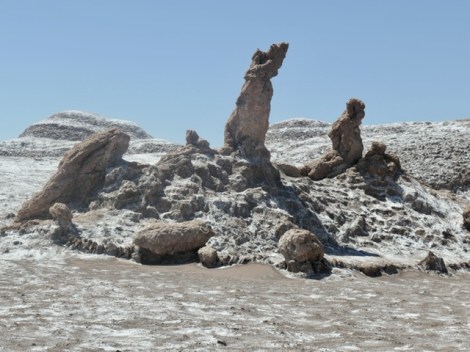
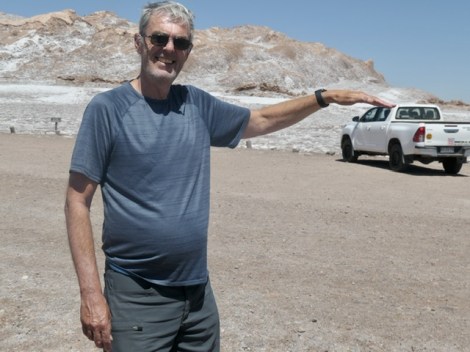

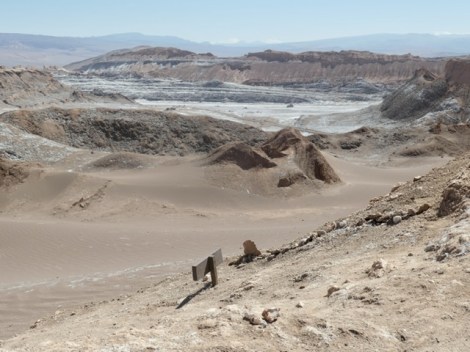


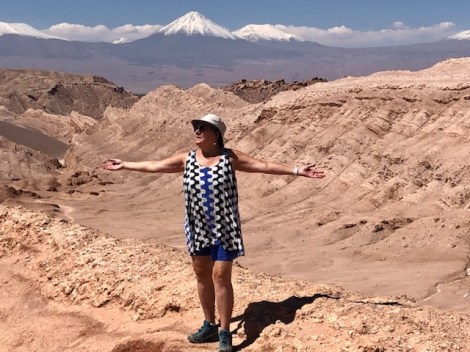
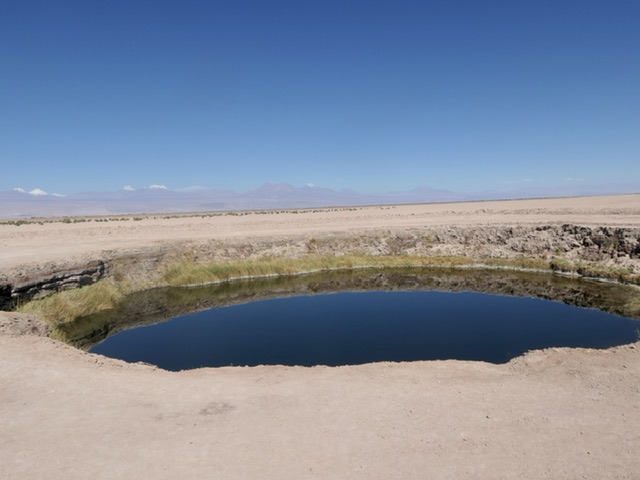
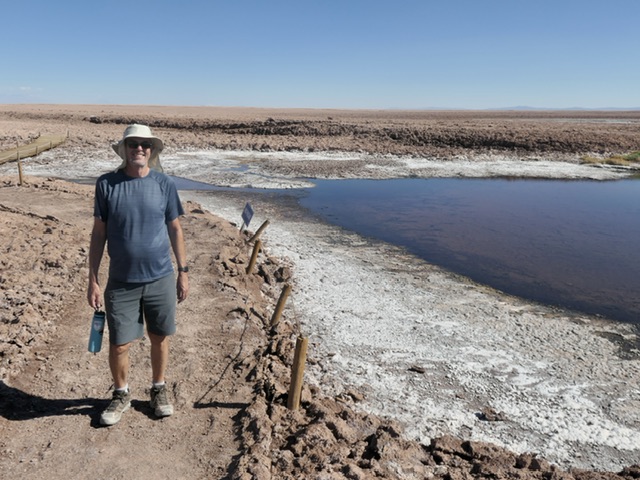
After hiking, we drove to the middle of the Salar Atacama where we found the ‘Ojos del Salar’ (2 small Lagunas that were protected duck habitats) and the larger Laguna Tebenquinche that is purported to be the origin of the desert. It is an important area for the scientific study of highly adapted microorganisms. The nearby Laguna Cejar is one of the few that one is permitted to bathe in, but it was closed on this day.


Sunset from the other side of Valle de La Luna


2. Altiplano
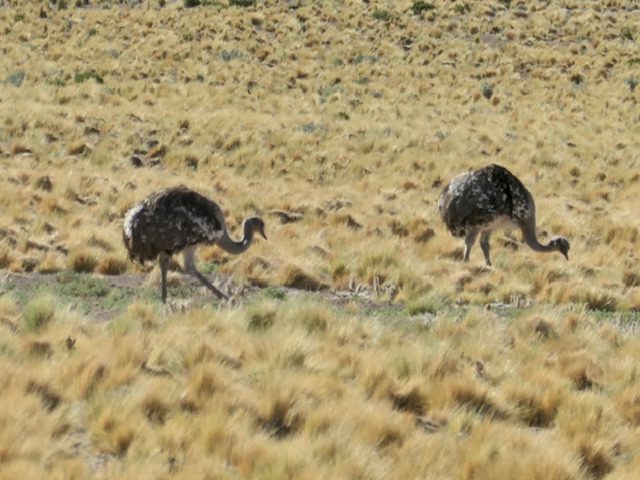
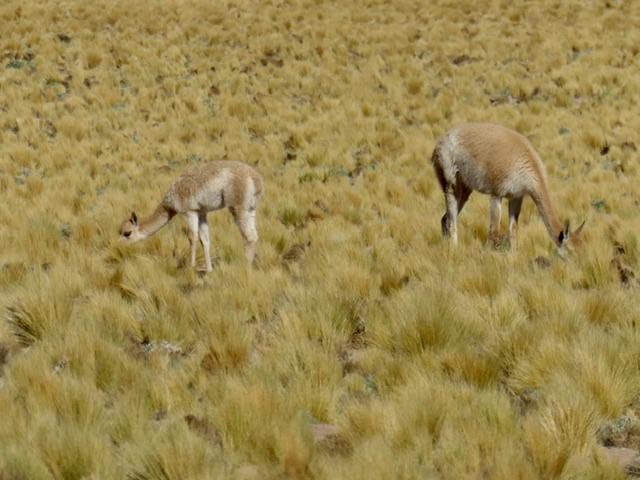
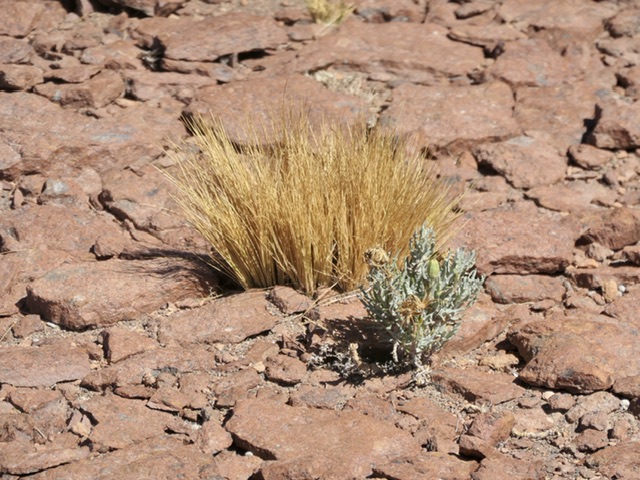
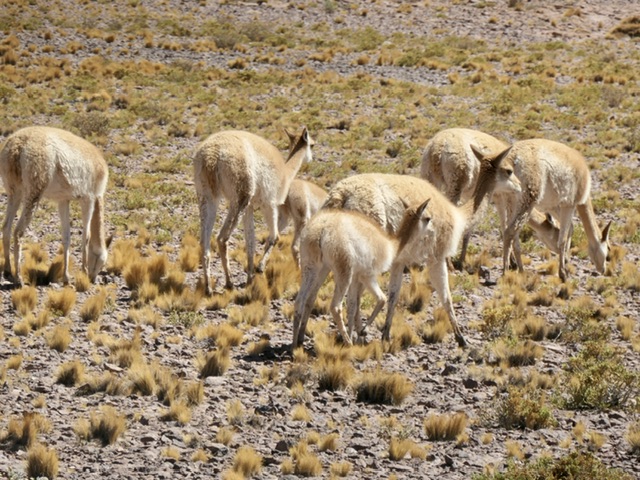
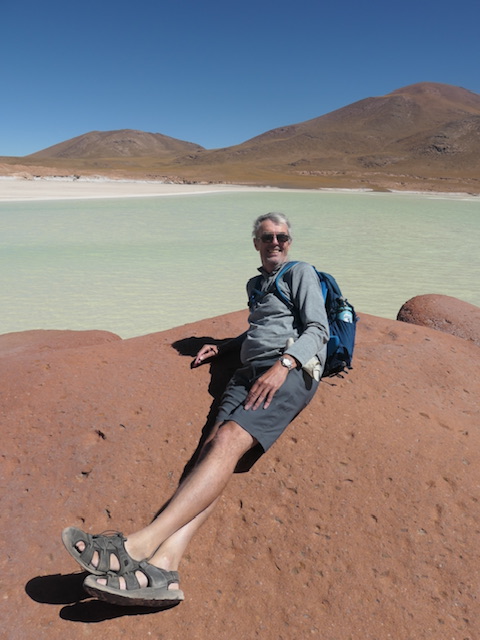
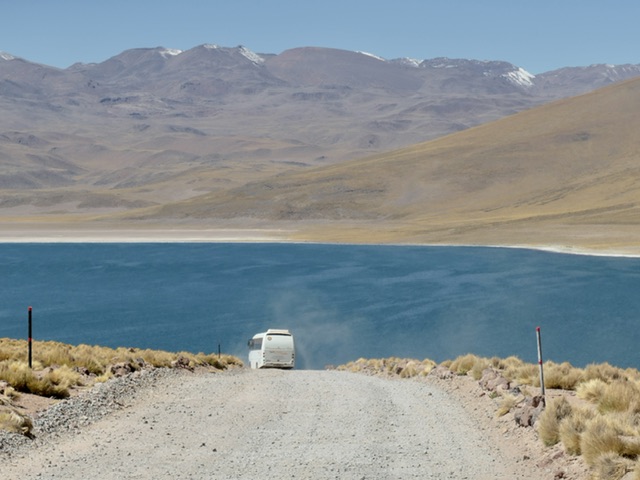
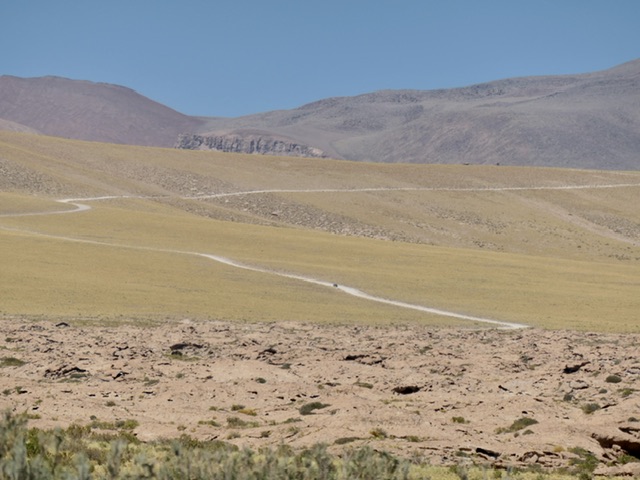
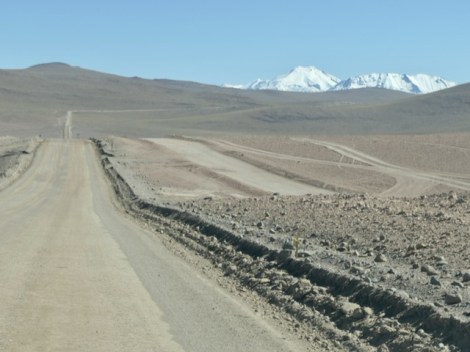
Exploring the high plains (4000 m +) meant a drive of 150 km south of SPA. The main highway to Piedras Rojas was paved, but accessing the Lagunas involved a 45-minute drive each way on a VERY rough road. It is also a complicated process to get tickets: they need to be bought online with a specified time slot, which on the day you must show your reservation code to an agent in a hamlet 1 hour down the highway and 1 hour before your time slot. The agent then gives you directions to which part you do first. Nothing is sold anywhere, not even water, so we were glad that we brought plenty of water and some sandwiches (which need to be eaten in your vehicle). Spectacular scenery nonetheless!
Down the Highway



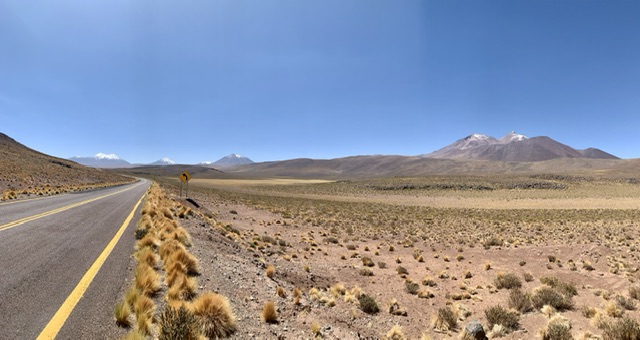

Piedras Rojas

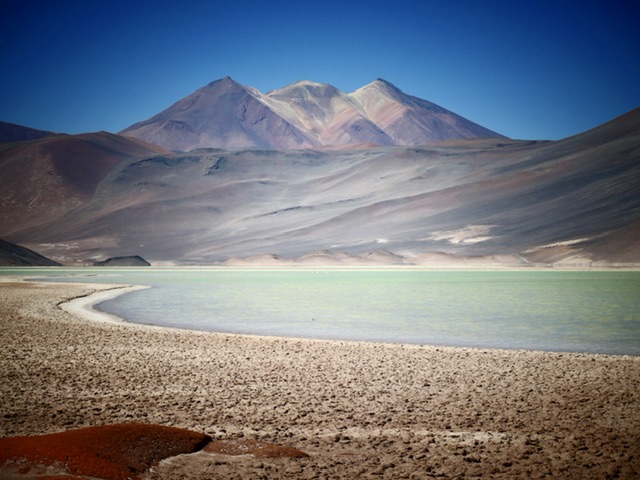


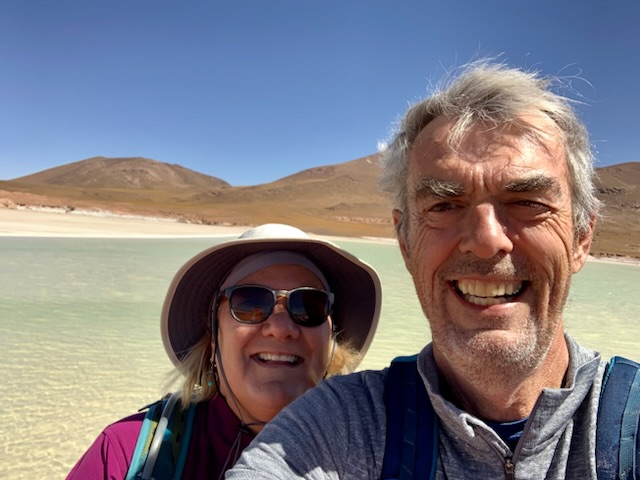
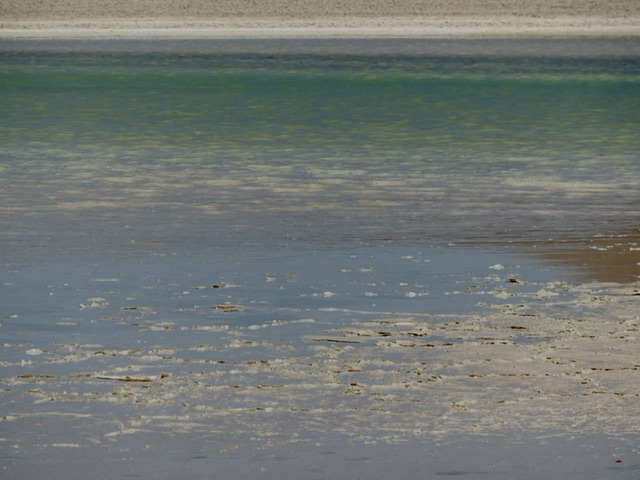
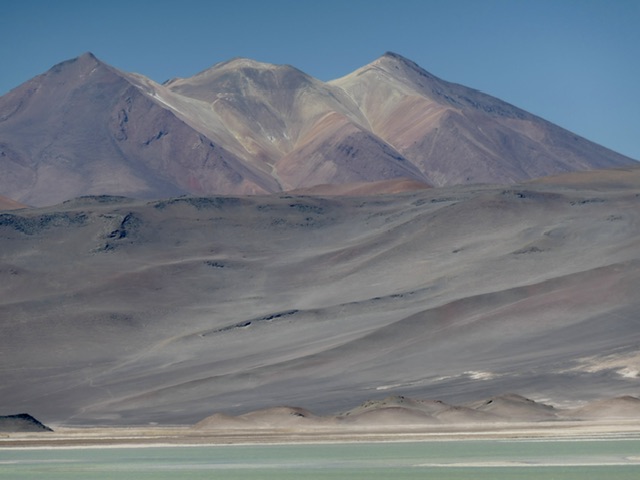
Lagunas Miscanti y Miniques

3. El Tatio
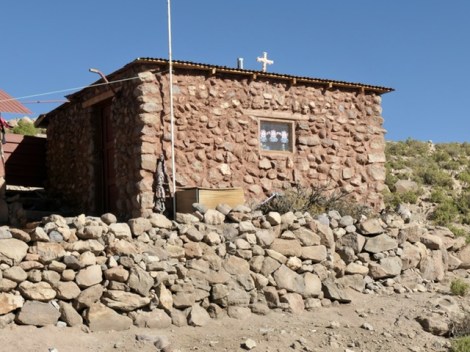
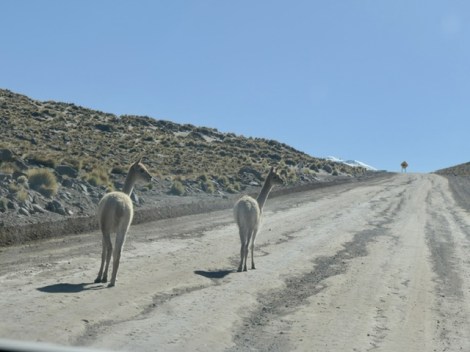
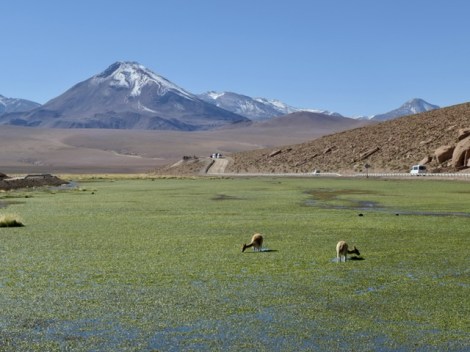
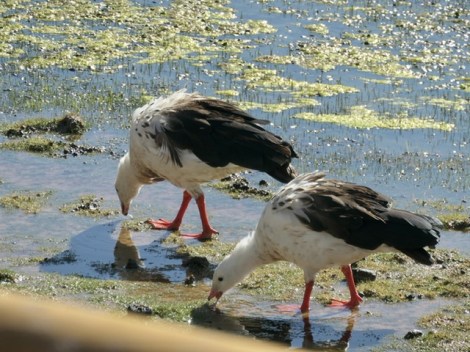
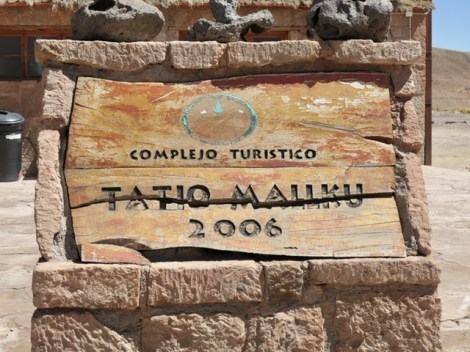
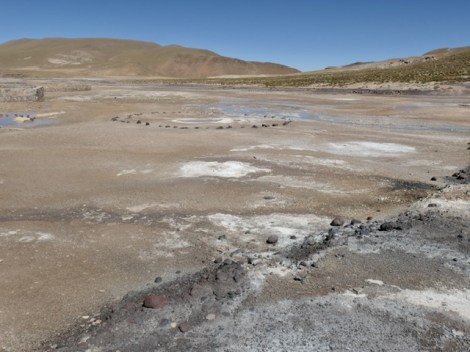
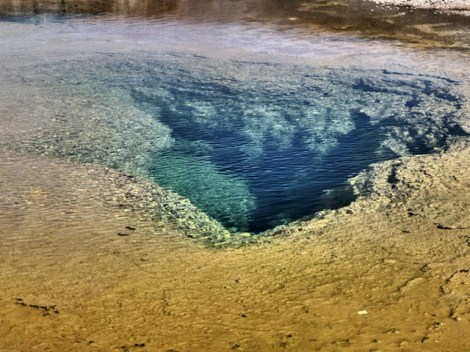
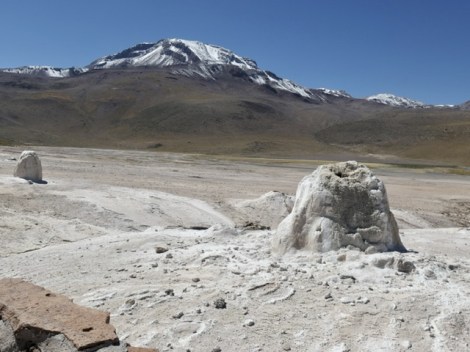
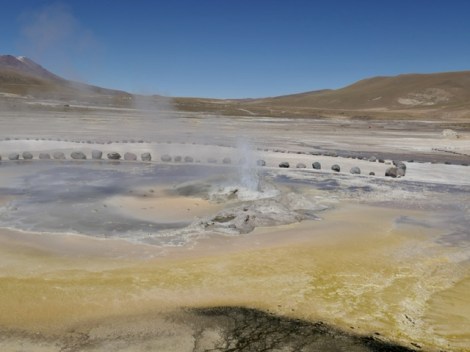
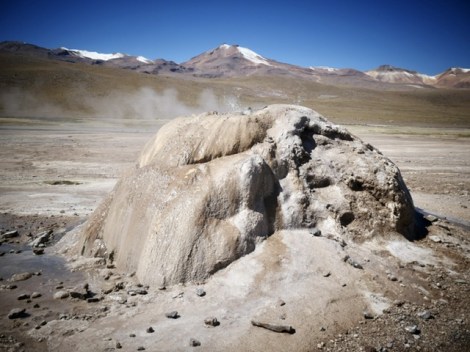
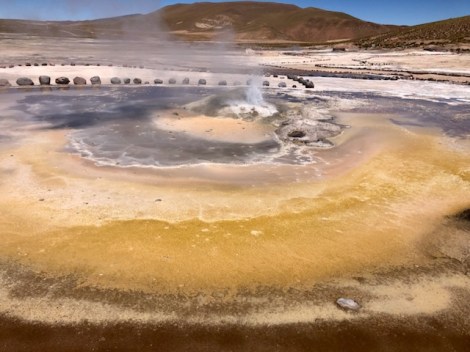
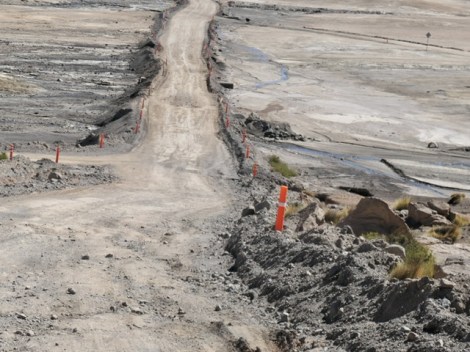
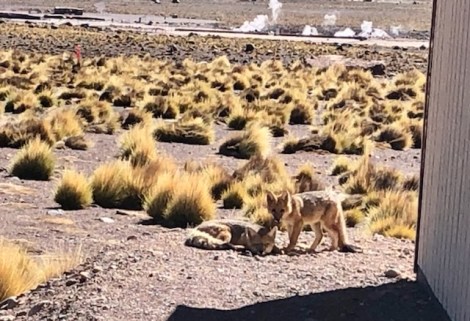
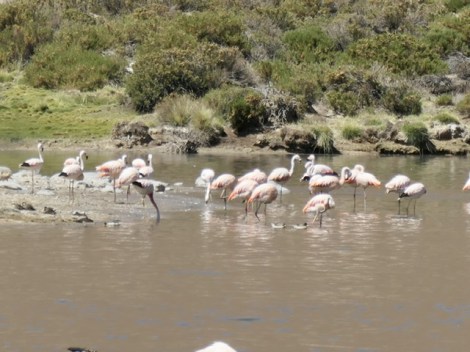
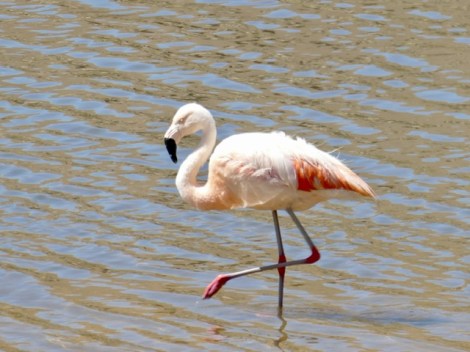
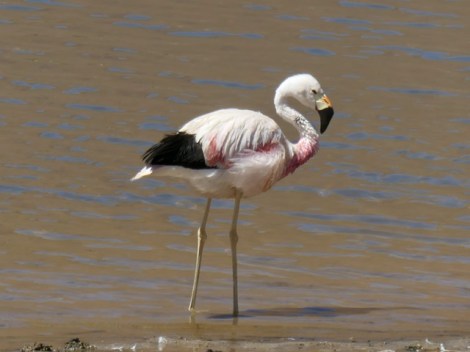
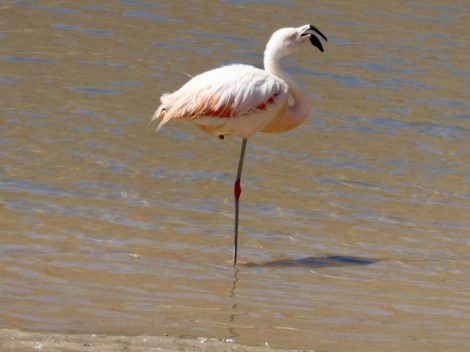
Another full day on the road took us back up to 4300 m to the geysers and later to the Termas de Puritama. Tour groups take people up for sunrise, when apparently the geyser activity peaks. But we eschewed the idea of getting up at 4:30 am and when we drove later in the morning, we were happy we didn’t attempt the 2-hour drive on a crap ‘road’ in the dark. We also enjoyed the geyserfields virtually alone. Daylight also allowed us see a high-altitude wetland filled with flamingoes, ducks, and groups of vicuñas. The oxymoron of a wetland in the driest place on earth continues to amaze us.





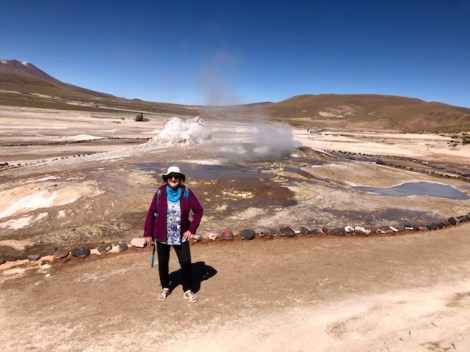
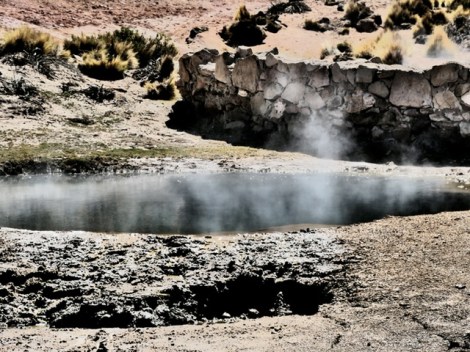
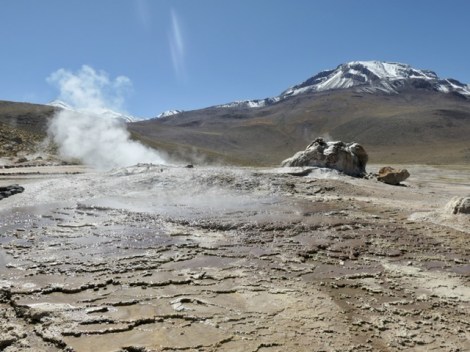

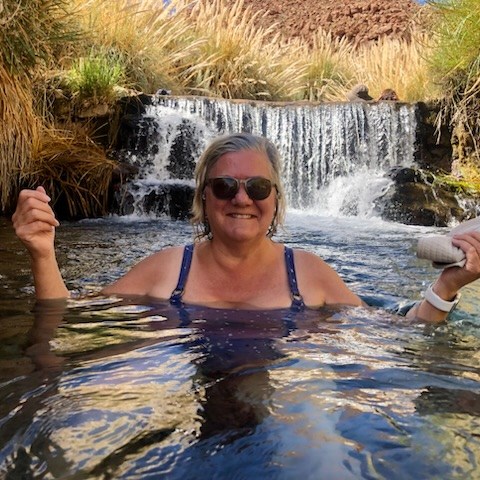
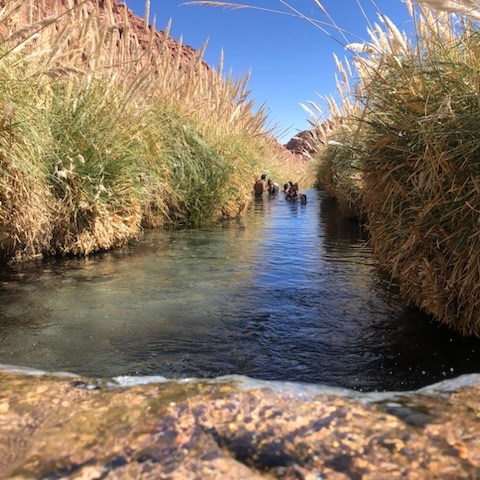
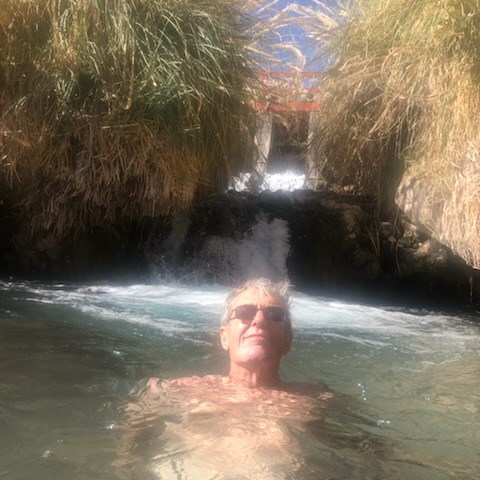
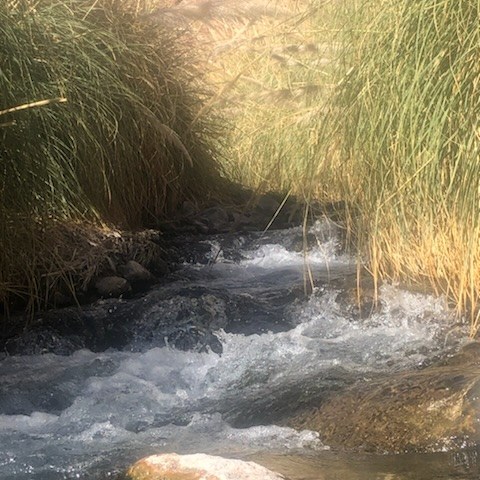
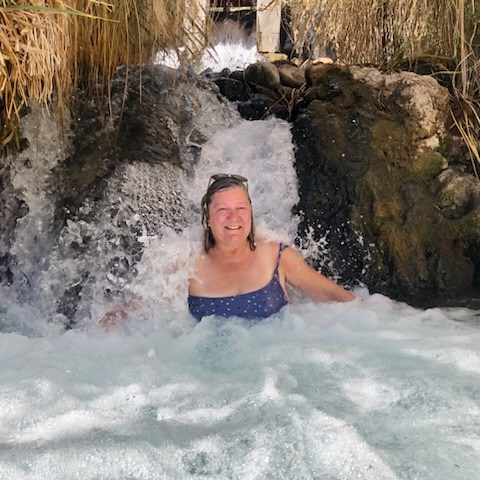
After a few days in the incredibly dry and dusty desert, a blissful afternoon immersed in warm waters was more than welcome ! @ Termas de Puritama


4. Stargazing
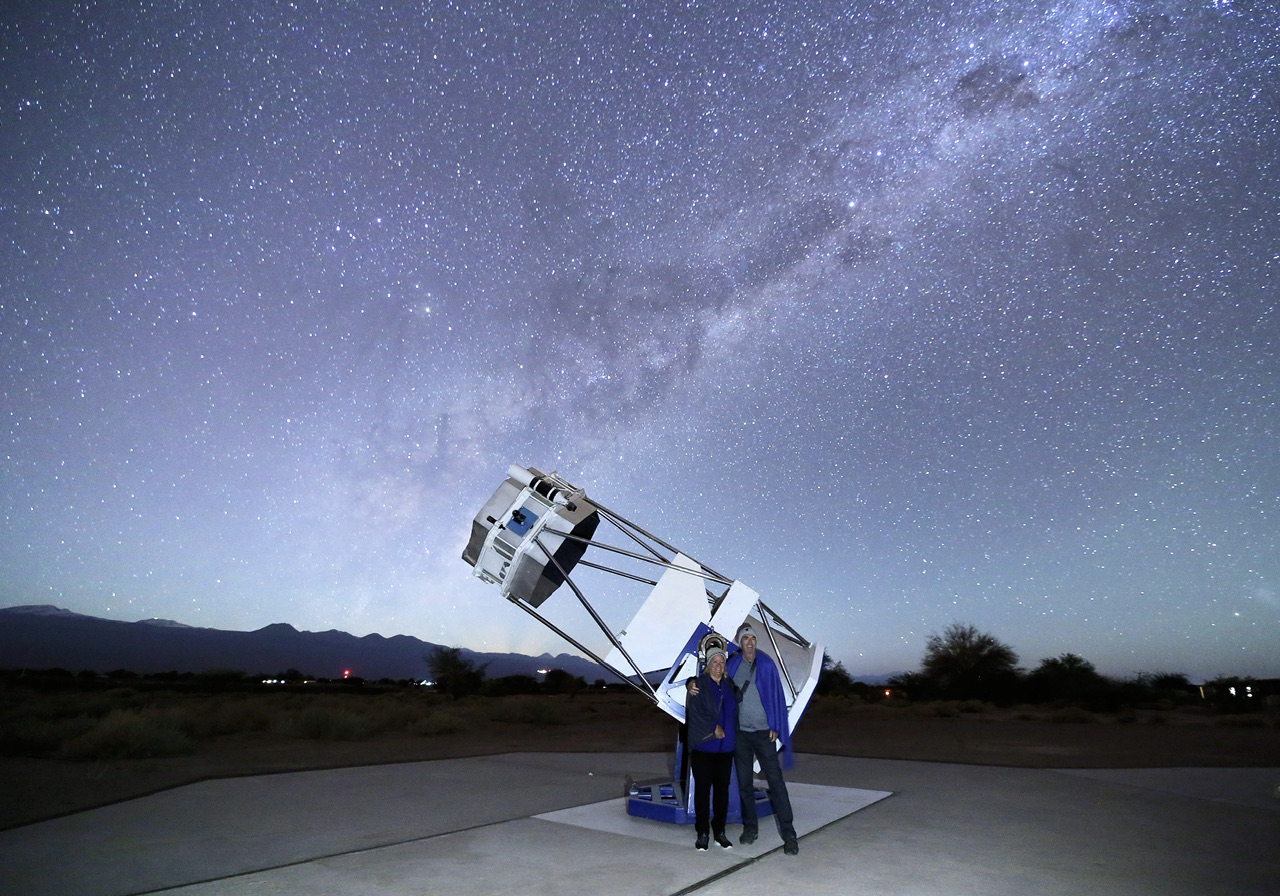
As indicated at the beginning of this post, we did a midnight Star Tour with SpaceObs. The first hour was spent learning how to “read” the skies with our eyes. The second hour was spent using a series of 3 different sized telescopes to look beyond what the naked eye can see. The pic above shows the largest privately-owned telescope in South America (1.5 m diameter). The Atacama desert is often considered the number 1 place in the world for astronomical research, evidenced by the number of public and private labs that ring the desert, including the grand-daddy ALMA observatory. We saw the southern cross, various important stars, several constellations, and the moonrise in a very different orientation than in the northern hemisphere.
Adios Chile !
Vanemos a Bolivia…
 Never a Dull Moment