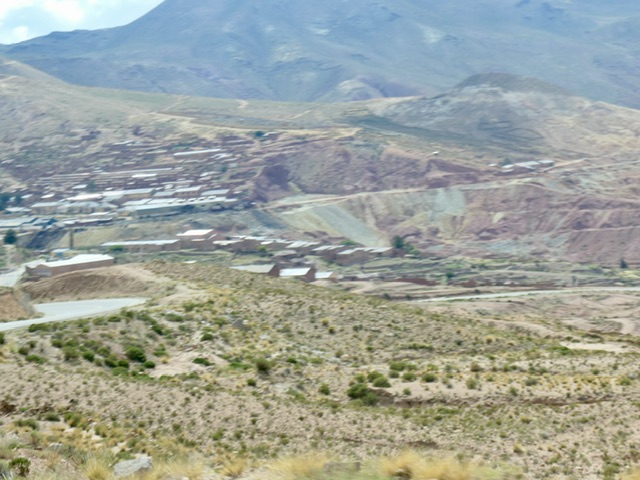
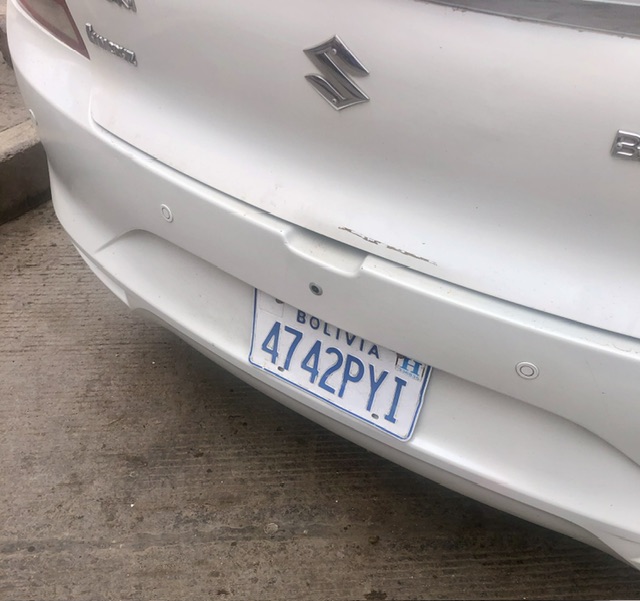
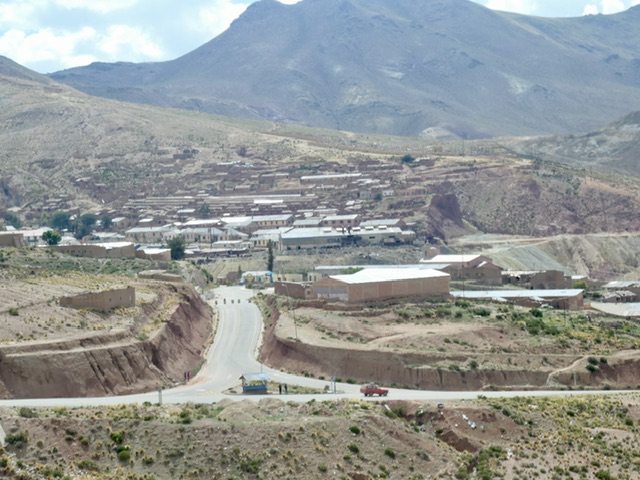
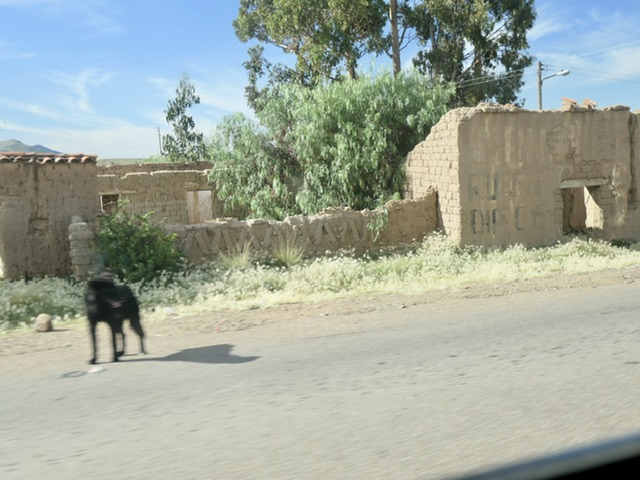
When a booked bus from Uyuni to Sucre went awry, dropping us off at the wrong transfer station in Potosí, we had to resort to negotiating a taxi, something that one is ill-advised to do. Sometimes you have to have faith and for good measure, S took pics of the license plate and sent it home. We were somewhat reassured when the driver recorded our names & passport numbers on what looked like an official form. Later we realized that he needed this info for highway control/toll centre to leave the city. Phew! It was a 2.5 hour wild ride through a very mountainous road, often narrow, often pitted, and where our ‘rules of the road’ simply do not apply.
Surprising Sucre (pop ~ 300,000)
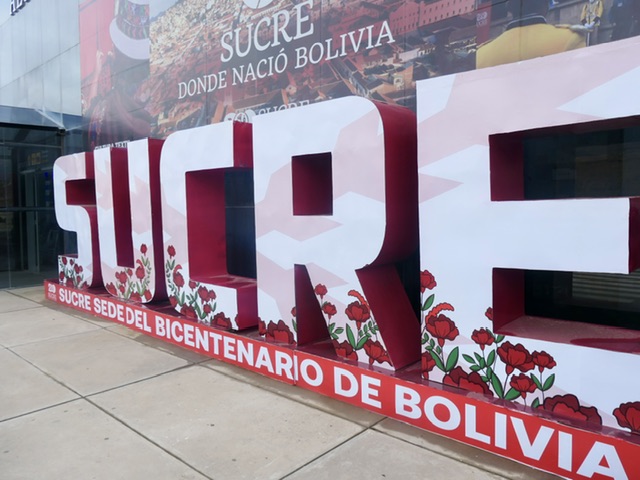
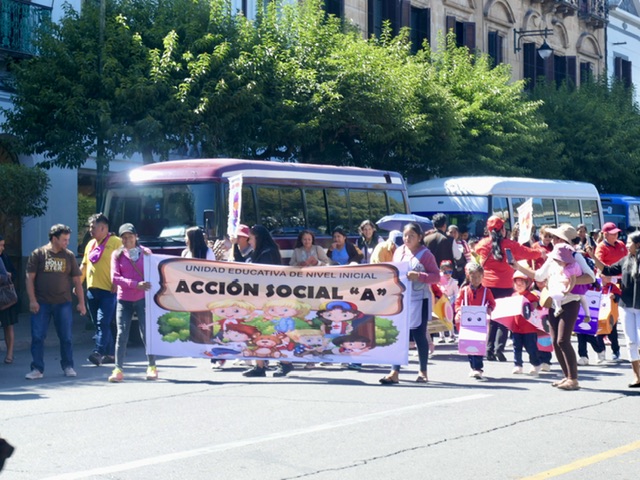
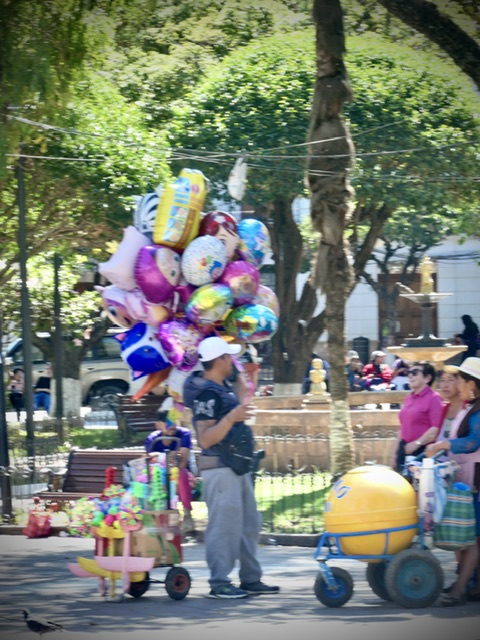
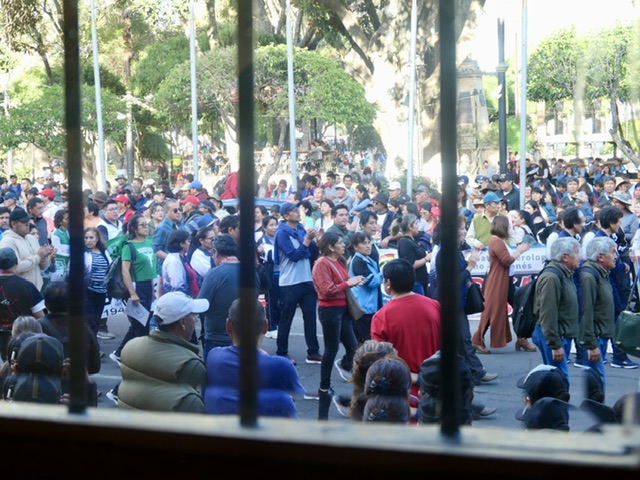
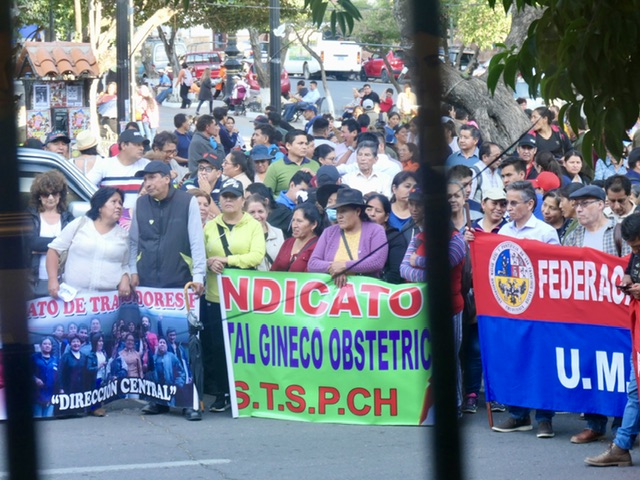
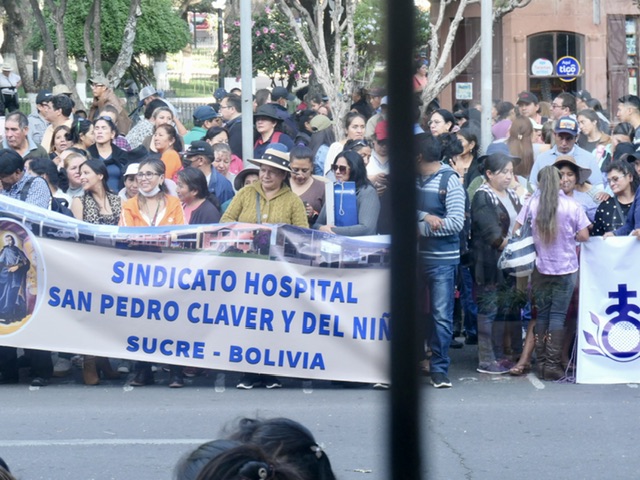
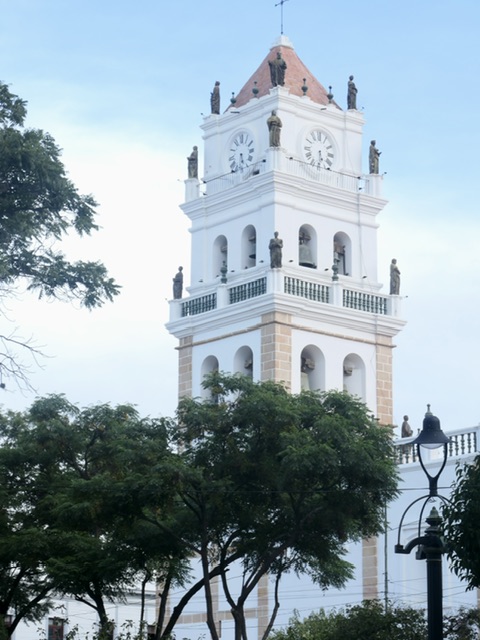
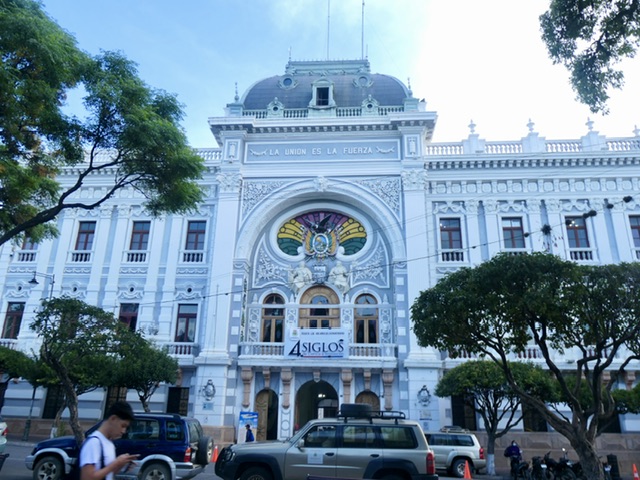
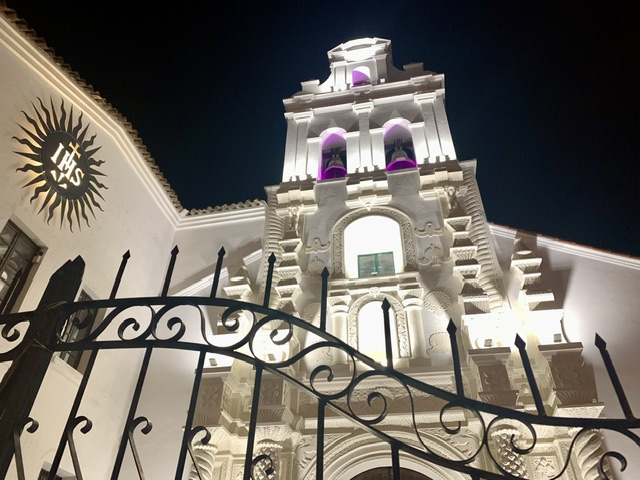
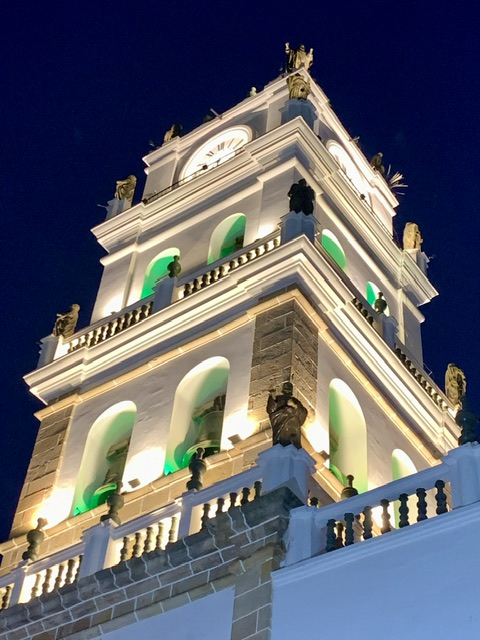
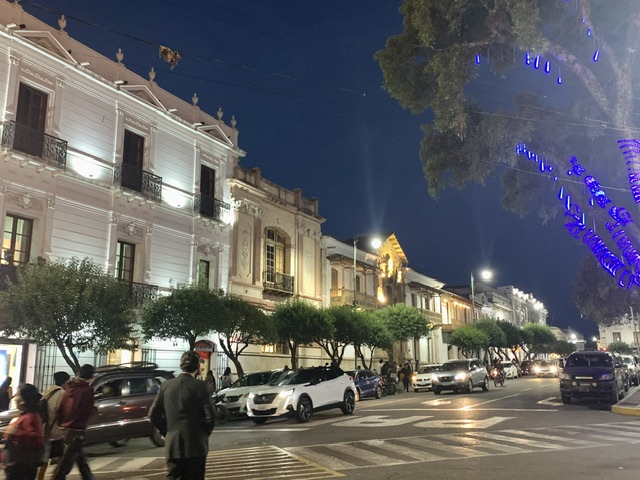
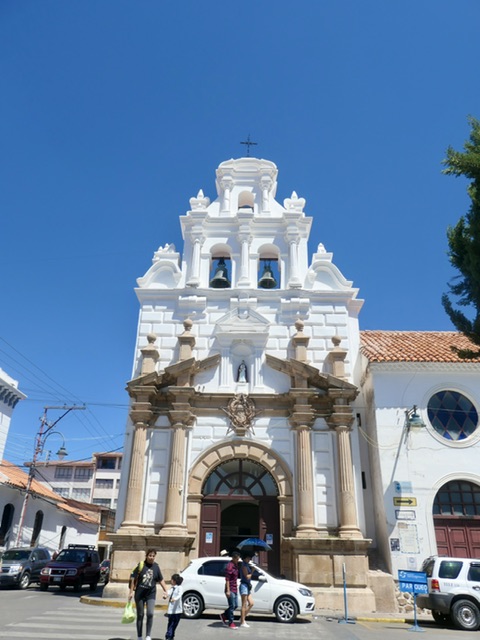
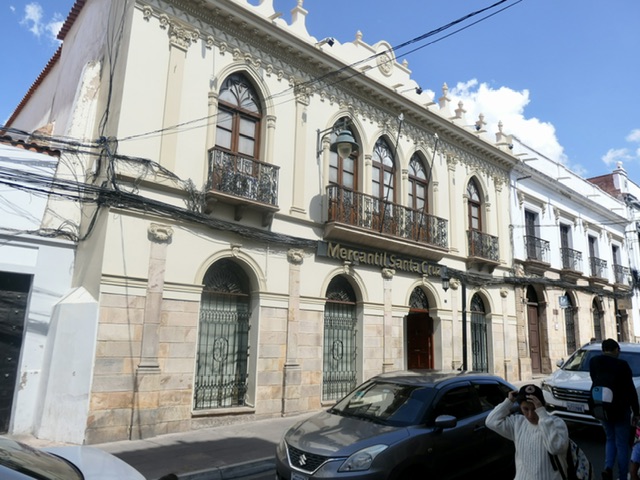
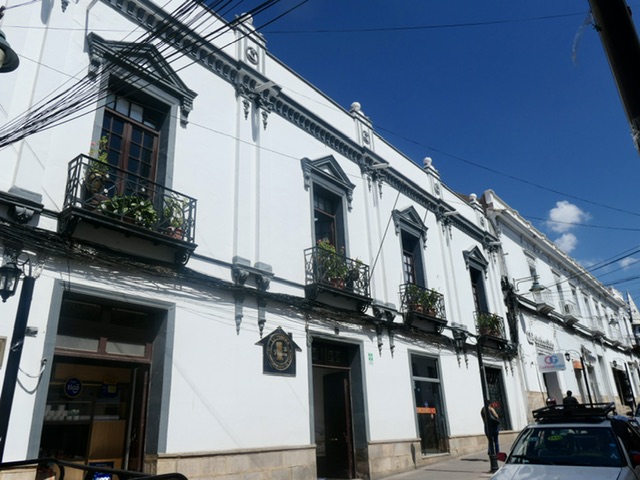
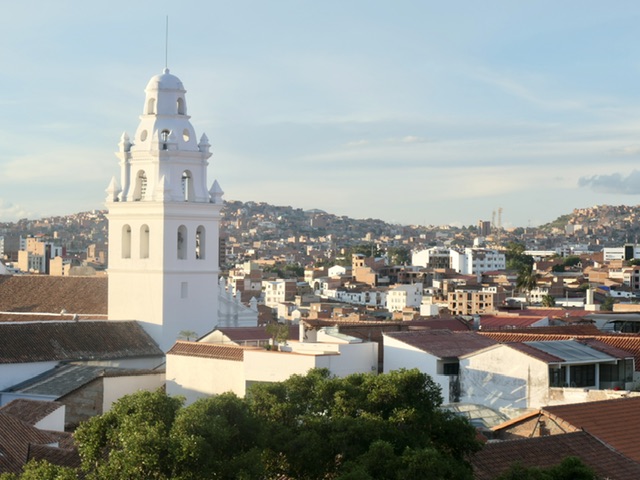
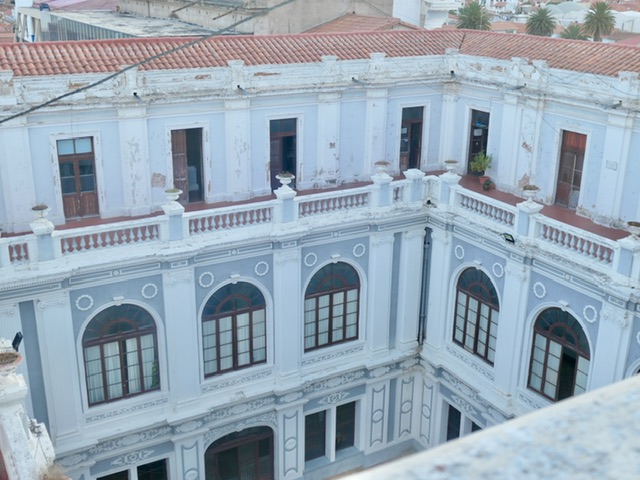
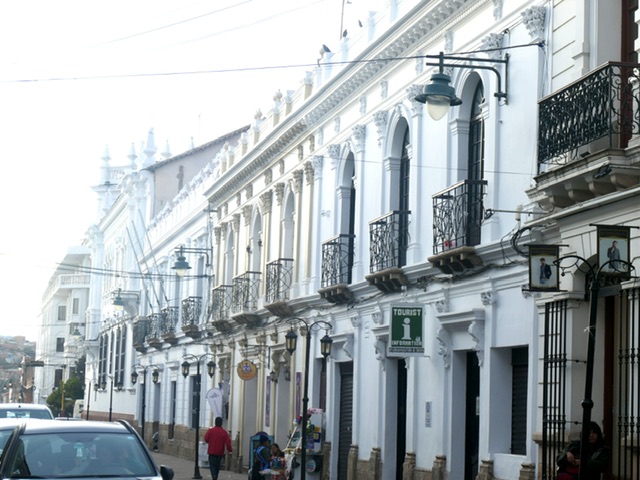
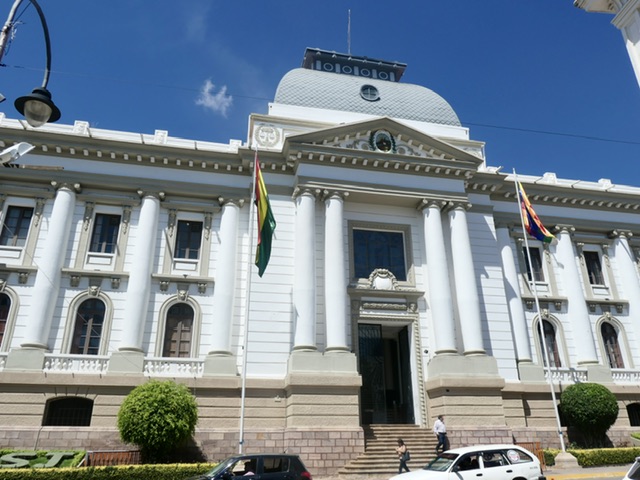
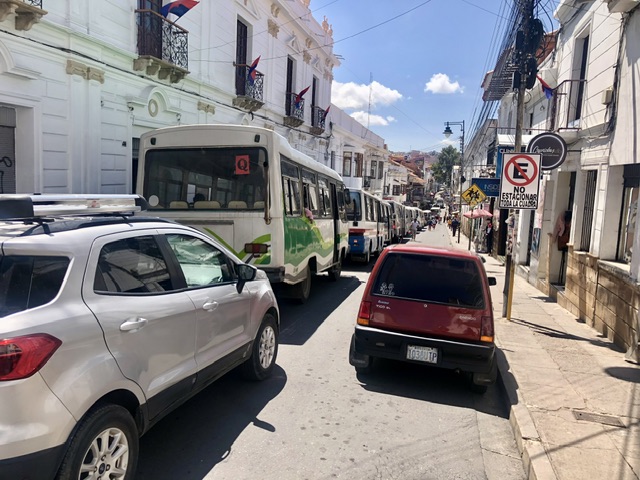
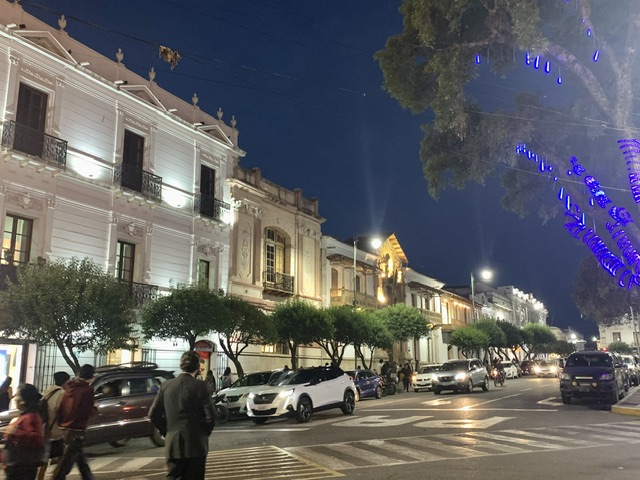
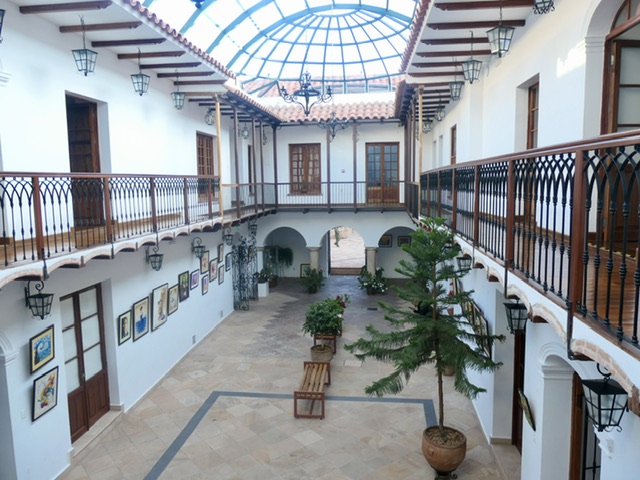
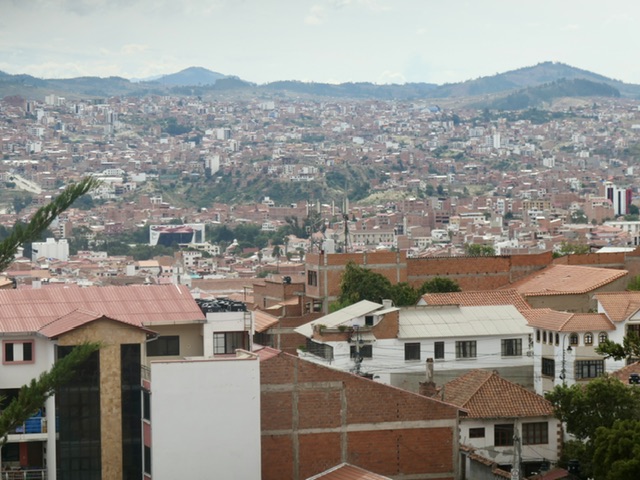
Sucre is the constitutional capital, where the Supreme Court is established, and where the Declaration of Independence was signed 200 years ago. Known as “the white city,” its old town is a UNESCO World Heritage site for its preservation of colonial buildings and churches dating back to the 16th Century. We stayed in a wonderful traditional B&B about a block and a half off the main Plaza 25 de Mayo, which was the locus of the Bicentennial celebrations consisting of music & dance, rallies & protests. Sucre is also the chocolate capital of Bolivia (yes! it was awesome to peruse the selections each evening). Amidst the colonial heritage, we found modern shops, cafés, and restaurants behind the surfeit of elderly ladies selling produce on the narrow sidewalks.
Plaza 25 de Mayo
Football team march
Dance team from Peru
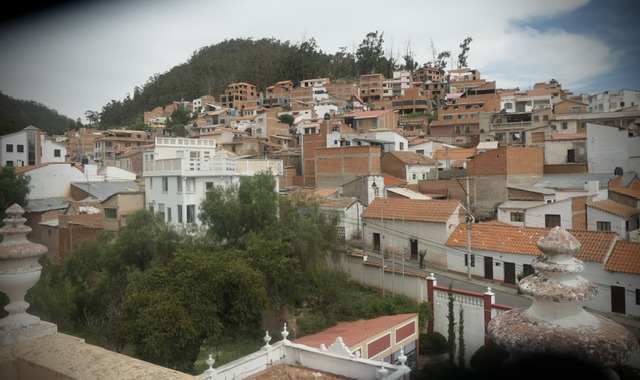
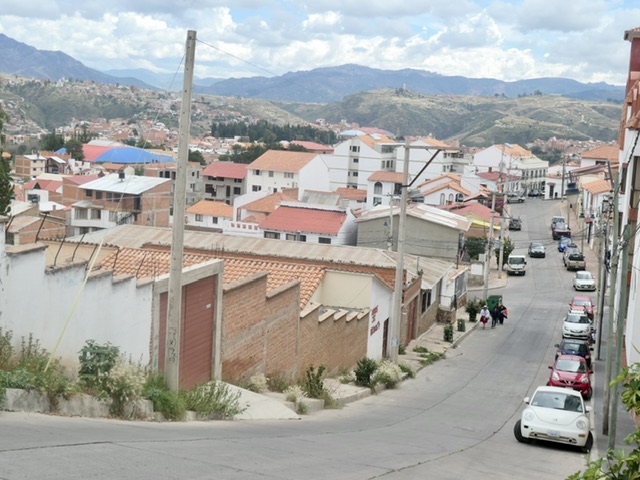
The White City
Simon Bolívar Park
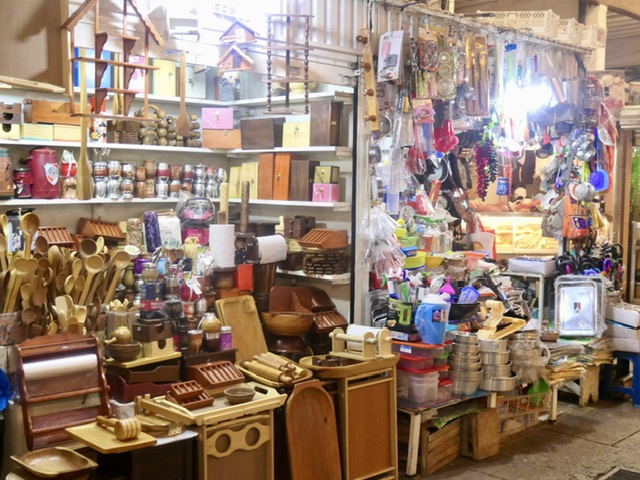
Mercado Centrale
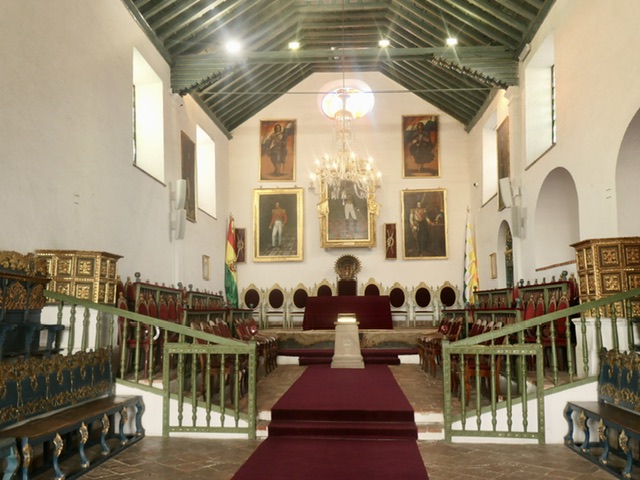
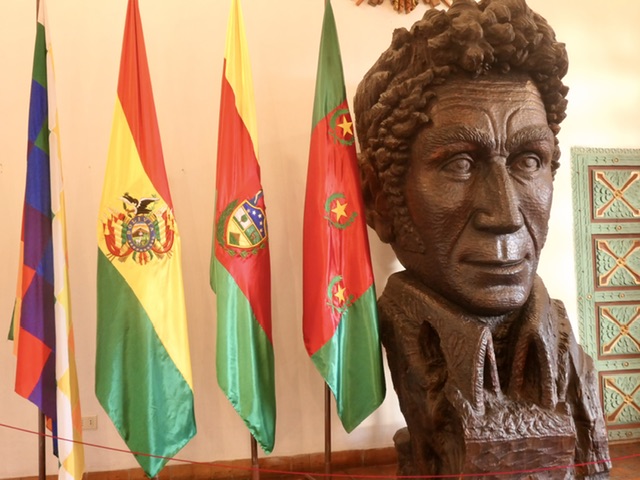
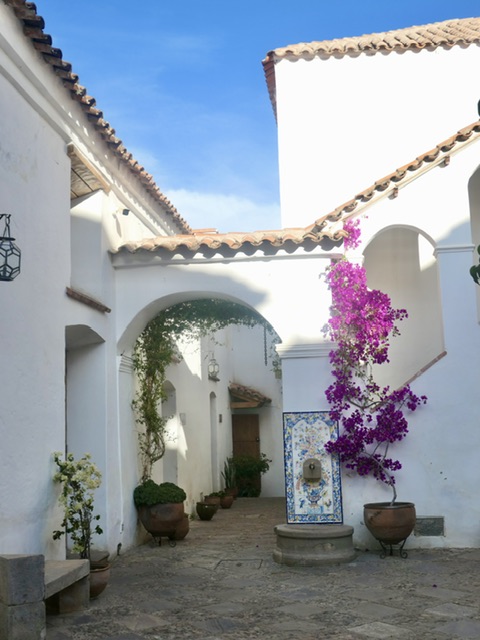
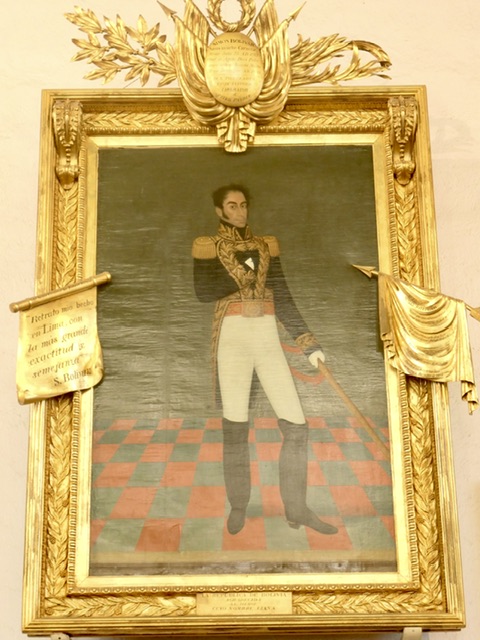
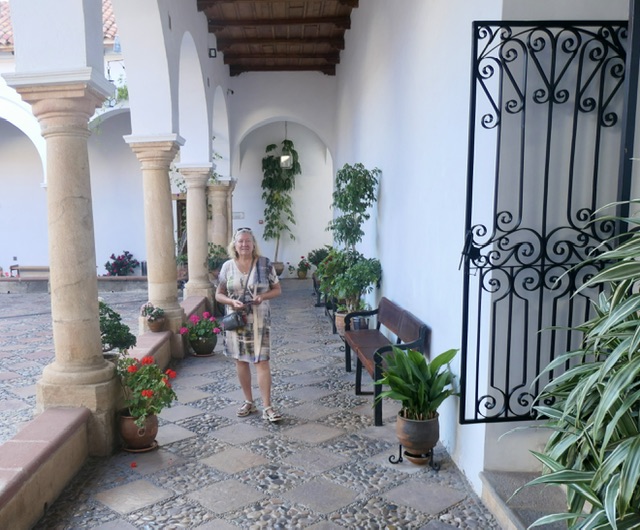
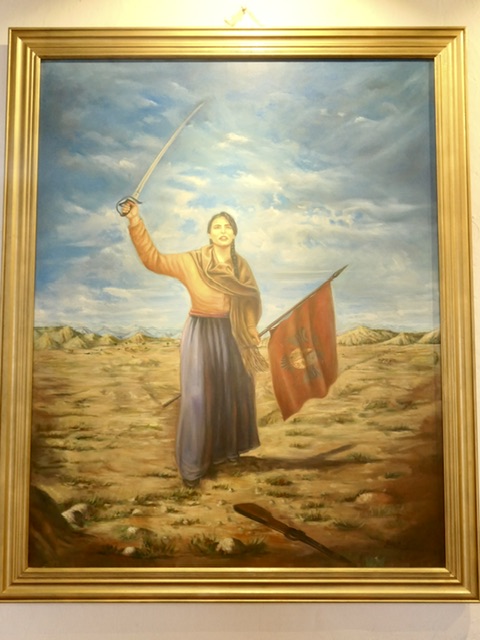
Freedom House (aka National Museum)
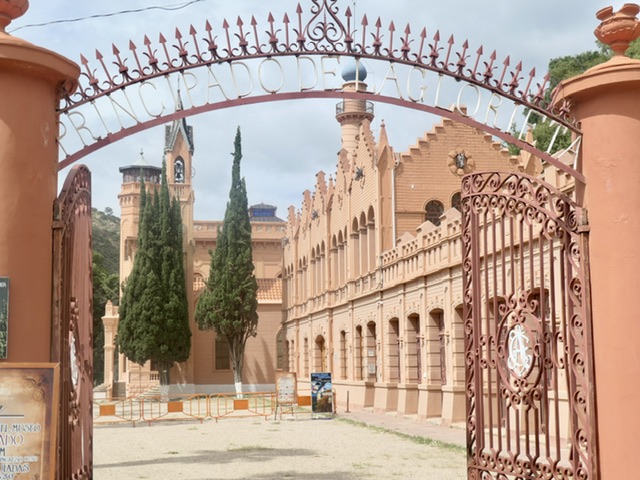
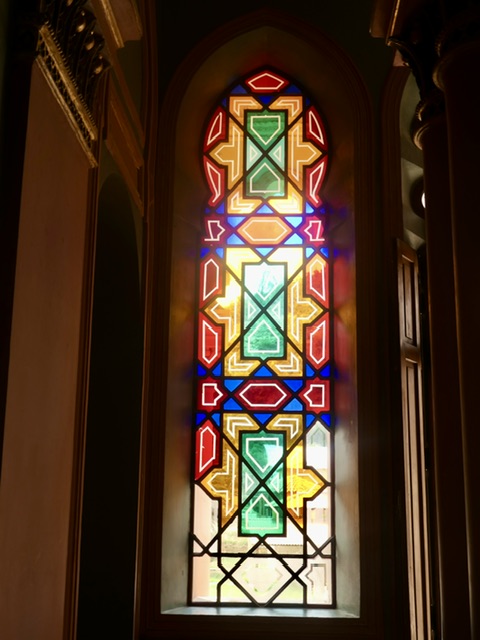
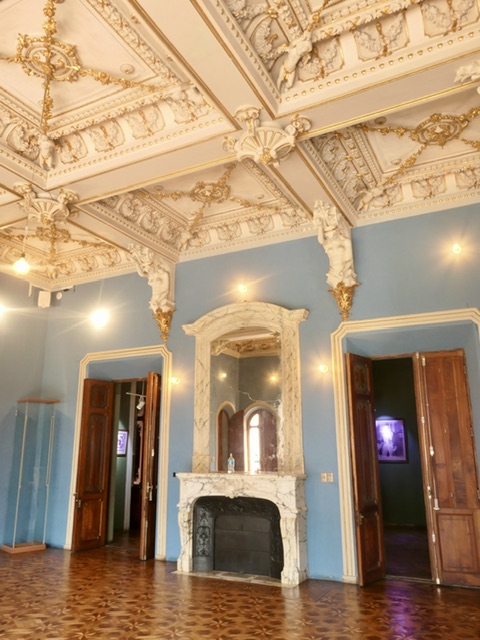
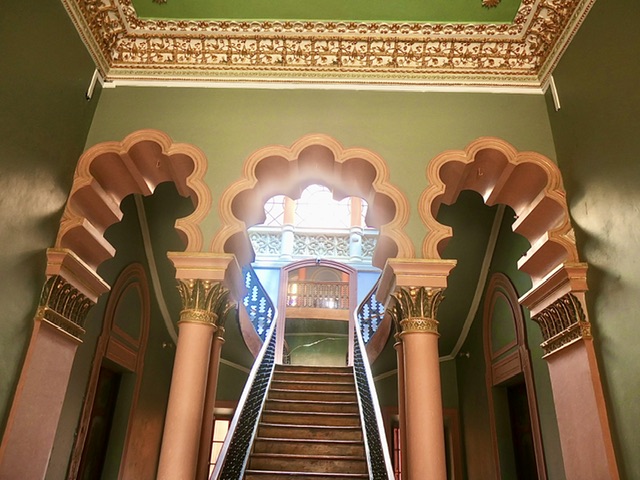
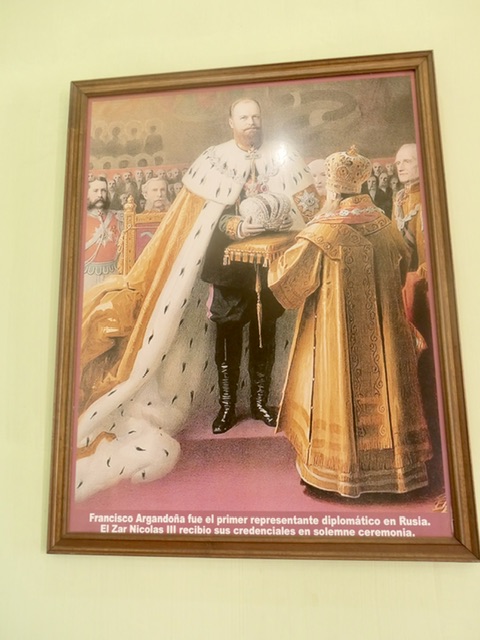
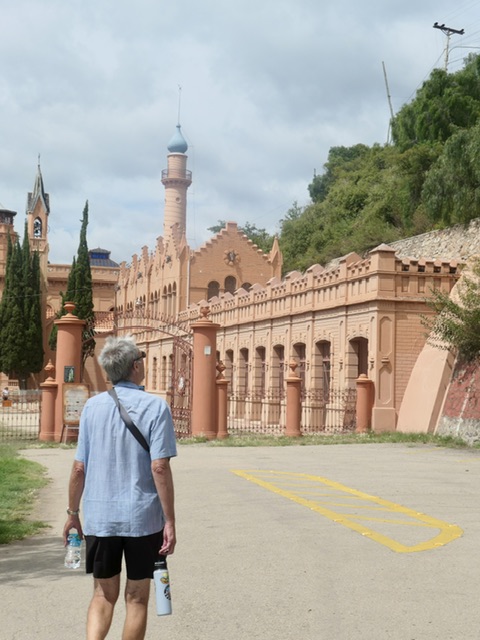
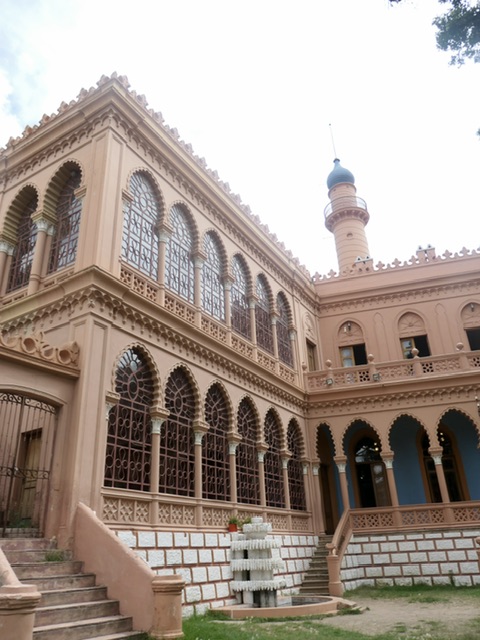
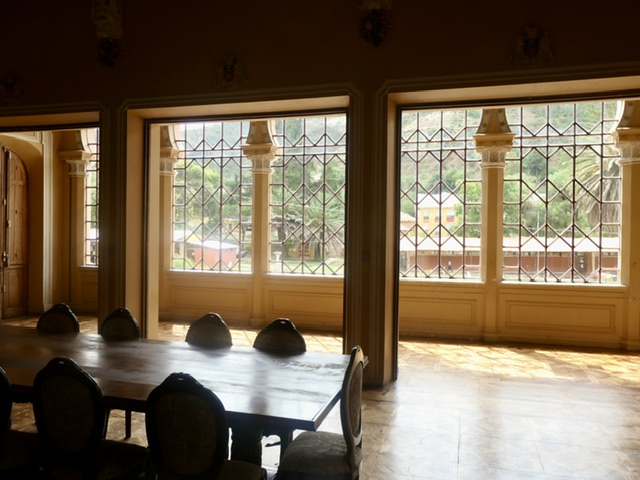
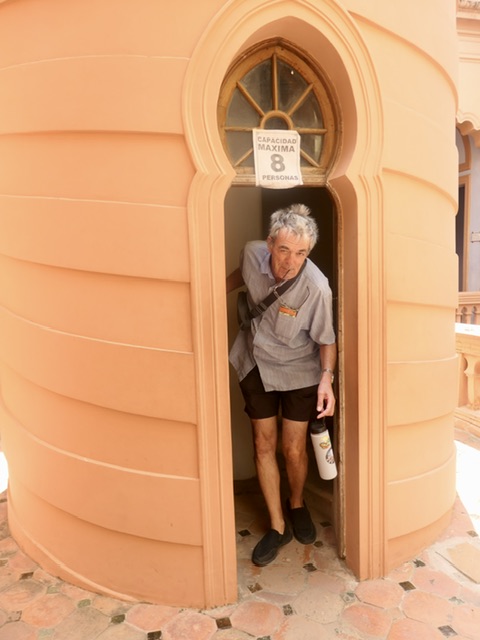
La Glorieta
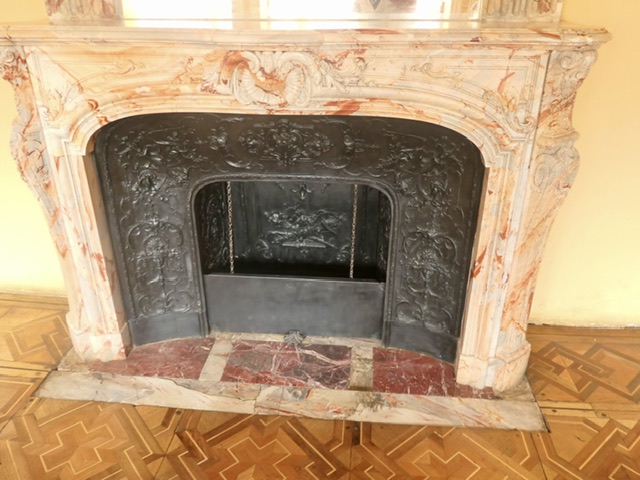
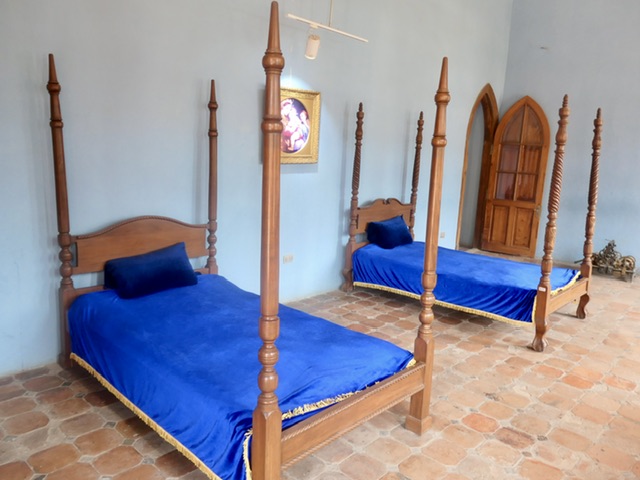
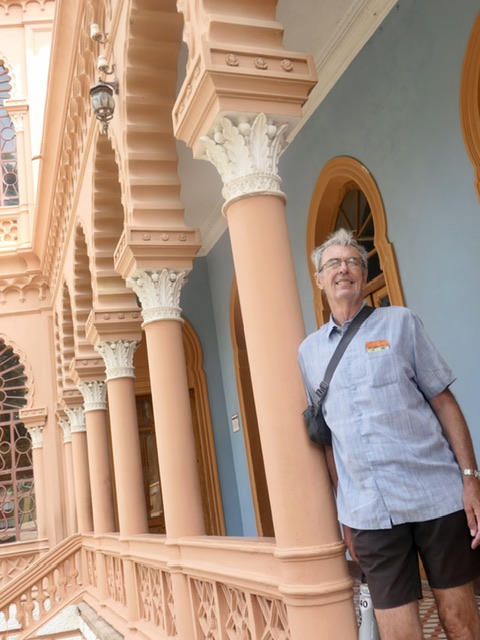
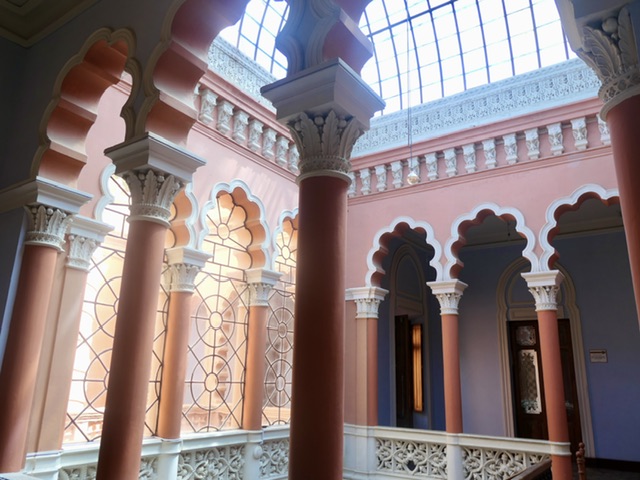
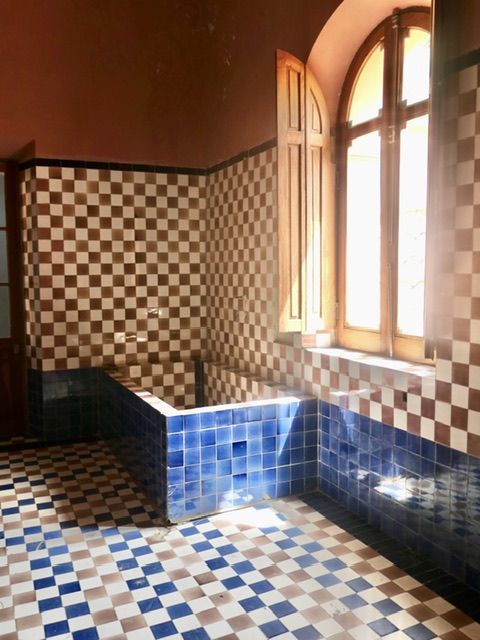
Built by Francisco Argendoña, a wealthy private banker and his wife, Clotile Urioste in the late 1800s, this wholly eclectic castle mixes a range of architectural styles that the couple enjoyed from their European travels: Romanesque, Byzantine, Arabic, Florentine, Dutch, English Gothic, and French Renaissance. It has 3 towers – one a replica of Big Ben, the Princess tower in Arabian style, and the Prince tower in Byzantine style with a Russian “onion” top. The couple were even given the title of Honourary Prince of La Glorieta by Pope Leo XIII in 1898, becoming the only royalty in Bolivia’s history. Extensive gardens also incorporate ponds, an aviary, a children’s playhouse, fountains, and what were grazing lands. An interesting fact was that this couple, not able to have children, built an orphanage for 100 children nearby, and eventually adopted 60 of them.
Only 4.5 km from the centre, a distance we would normally walk, we are glad we took a taxi through the extremely hilly & winding dirt road of the suburbs. And we had the experience of a public bus (collectivo) to get back.
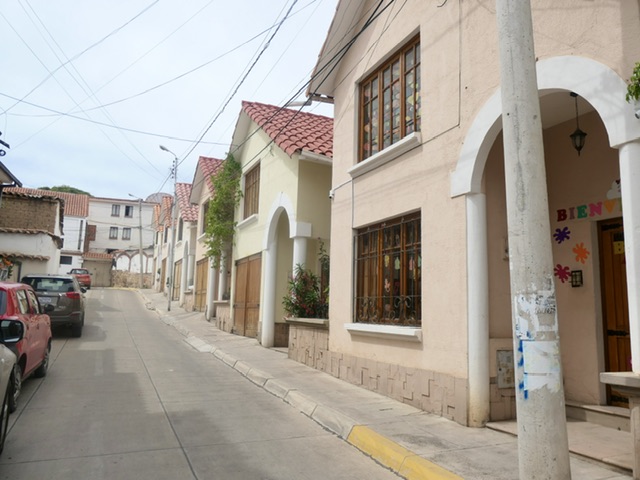
Barrio Recoleta
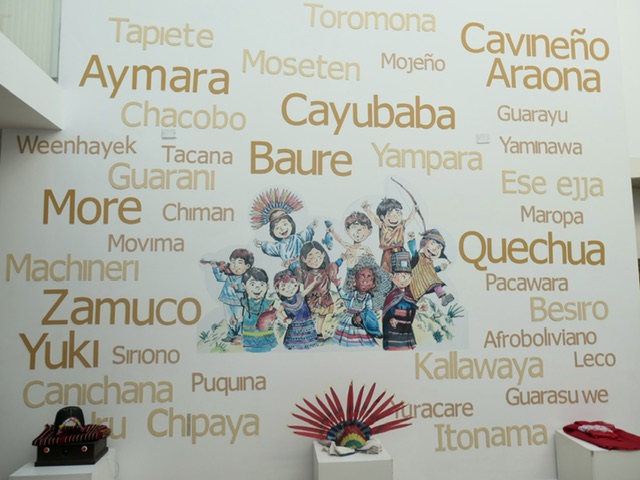
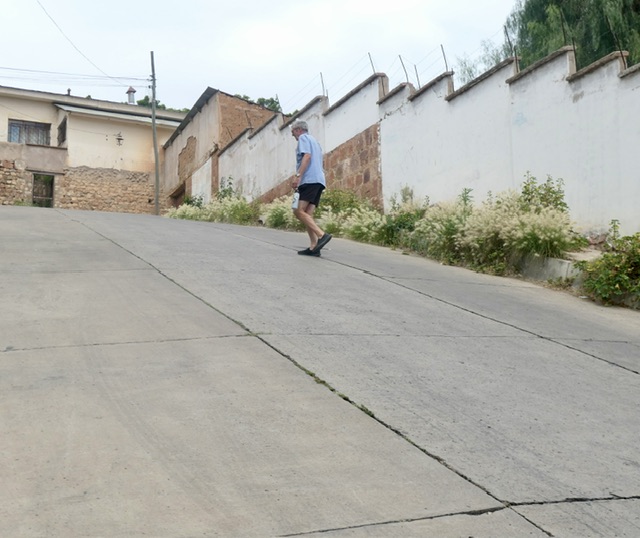
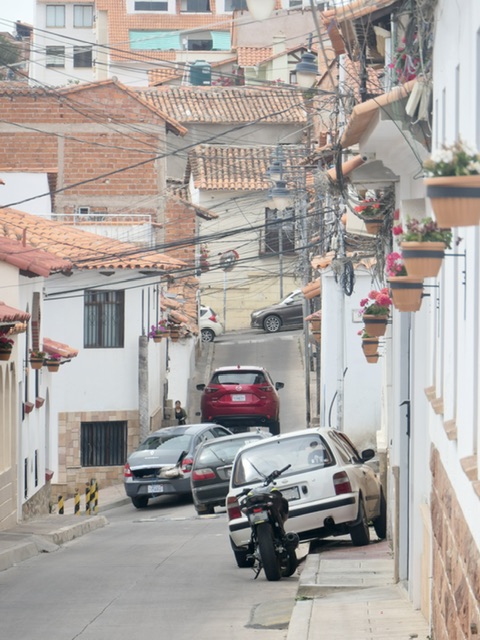
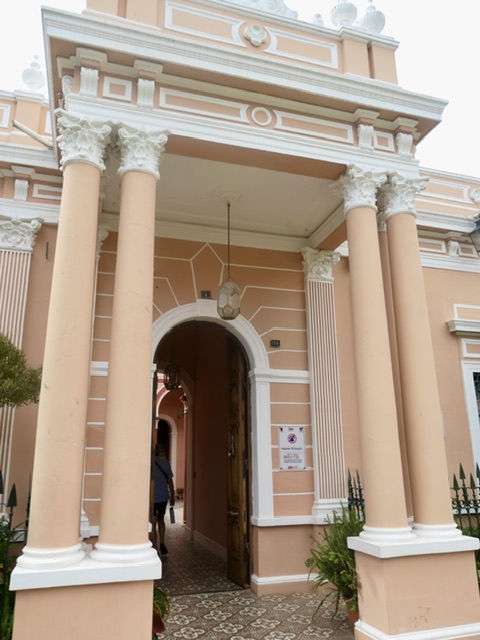
Narrow, cobble-stoned streets, steep inclines (that Google called ‘mostly flat’), a heritage manor, and the highly informative and exceptionally well set-up Museum of Indigenous Arts (pics were not permitted).
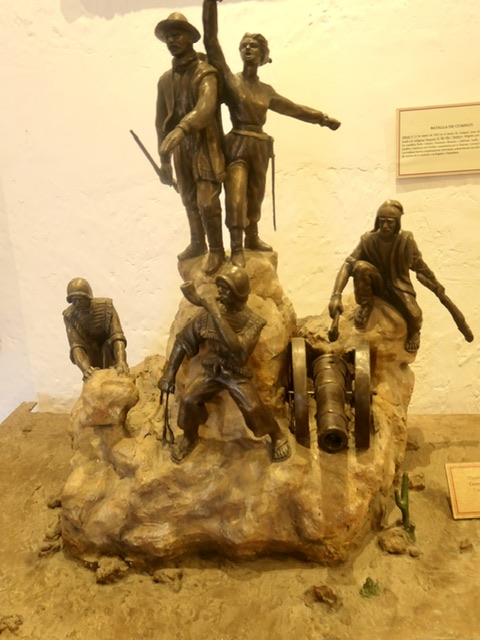
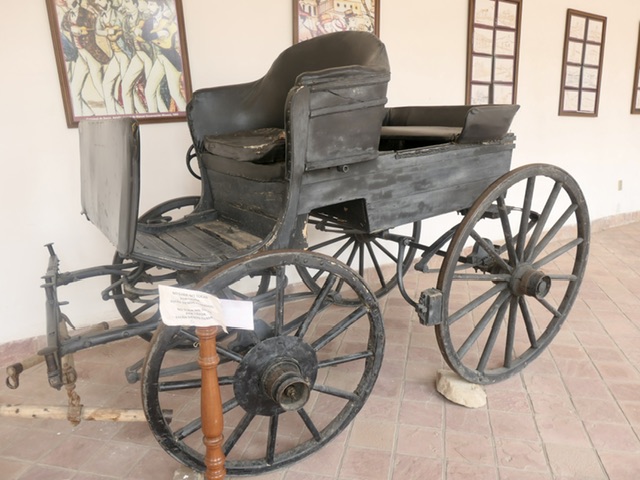
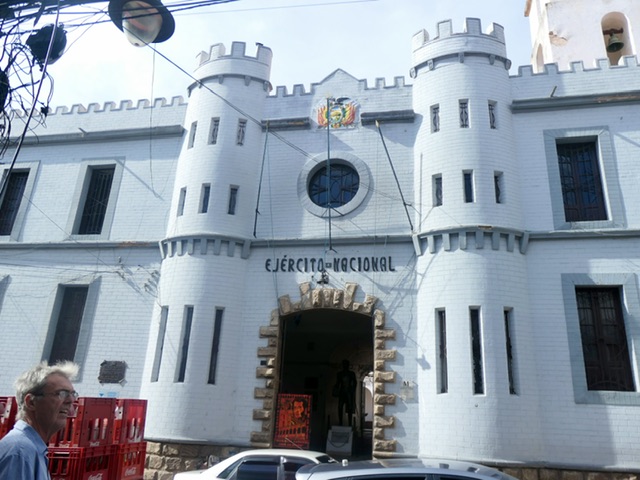
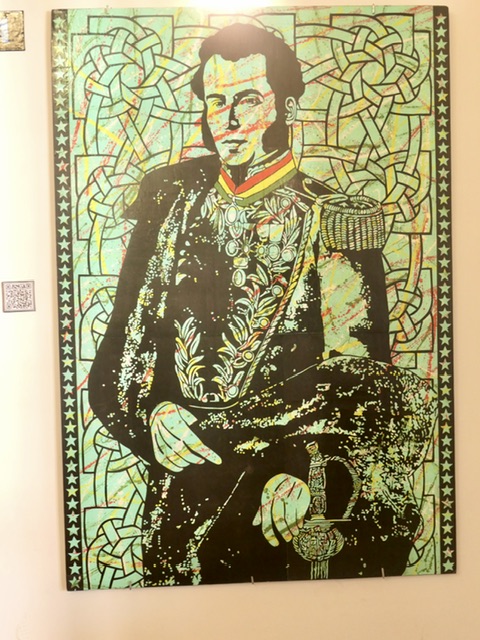
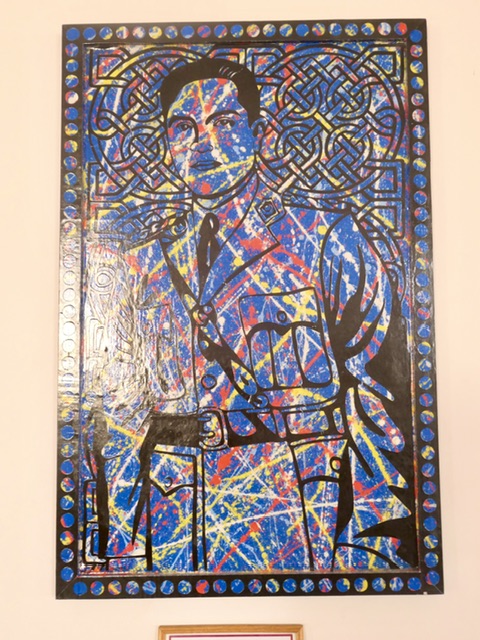
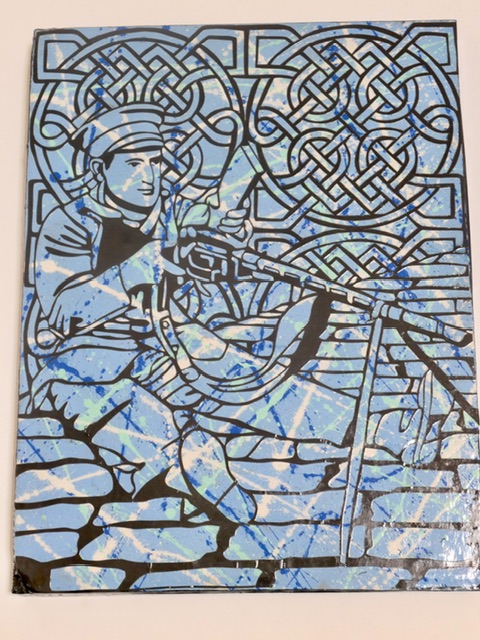
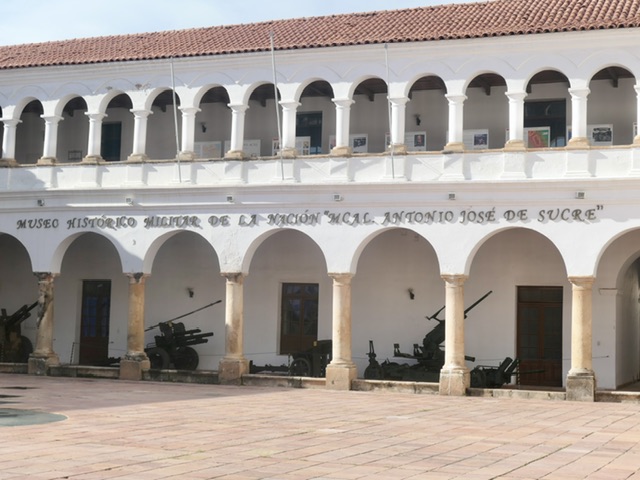
Military Museum (aka National History Museum)
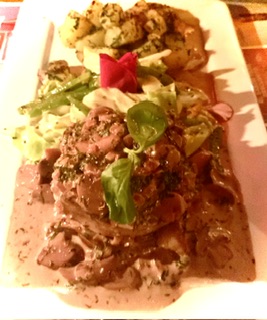
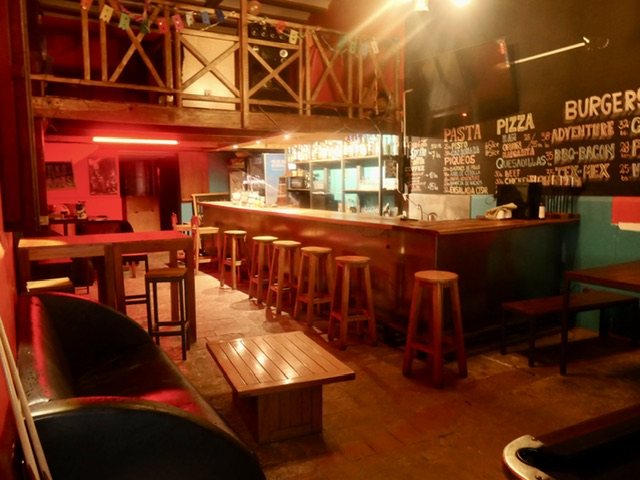
Our Favourite Restaurant
Part 2: A Day in La Paz
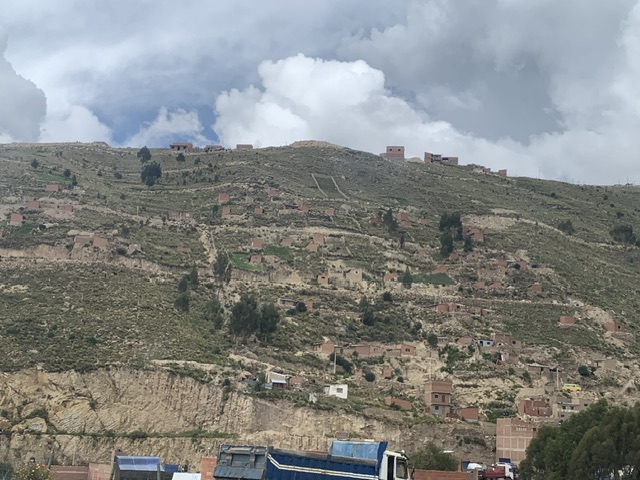
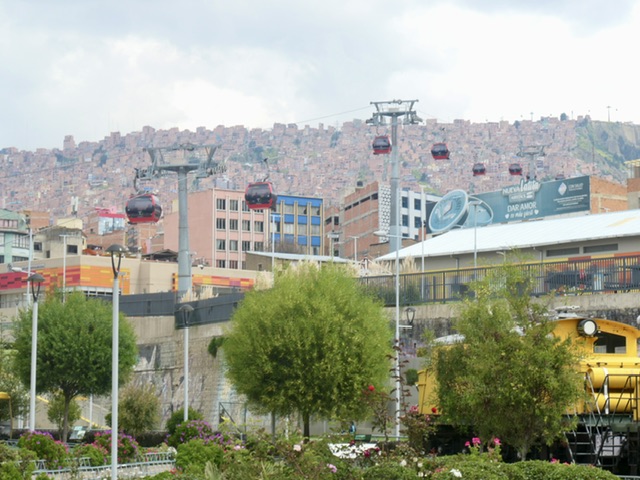
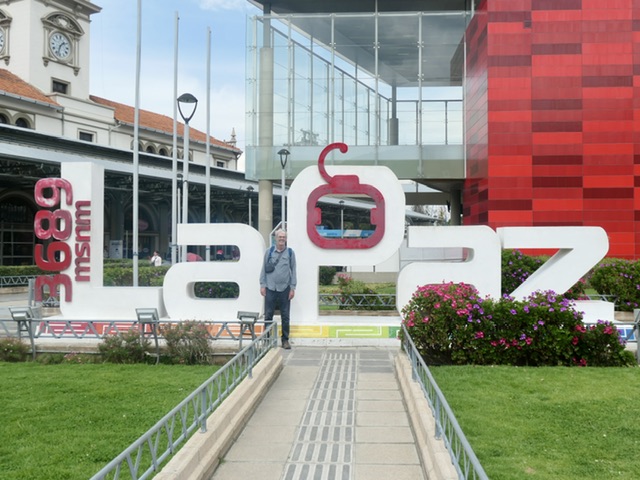
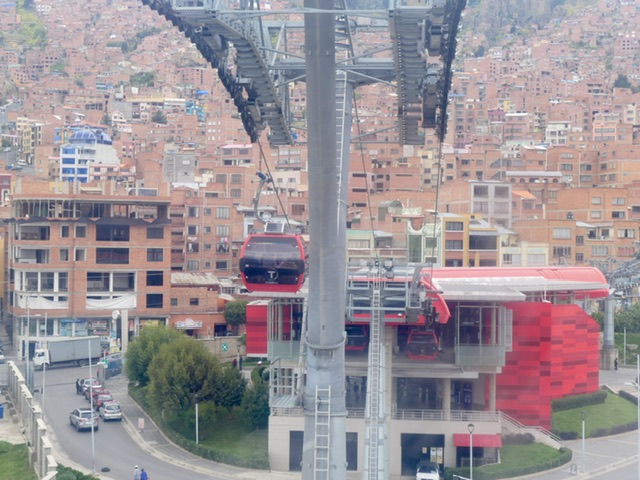
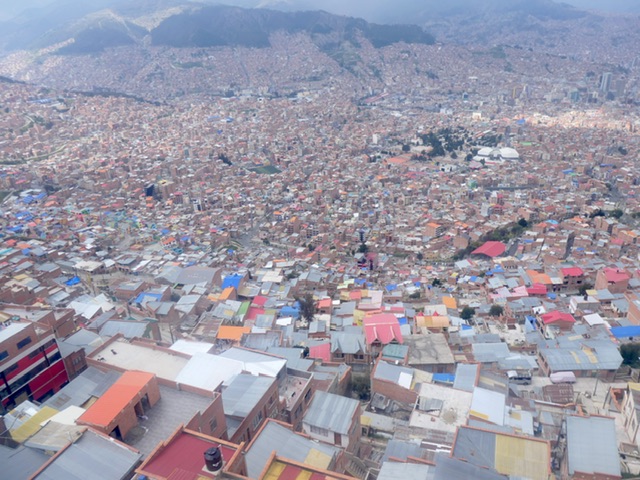
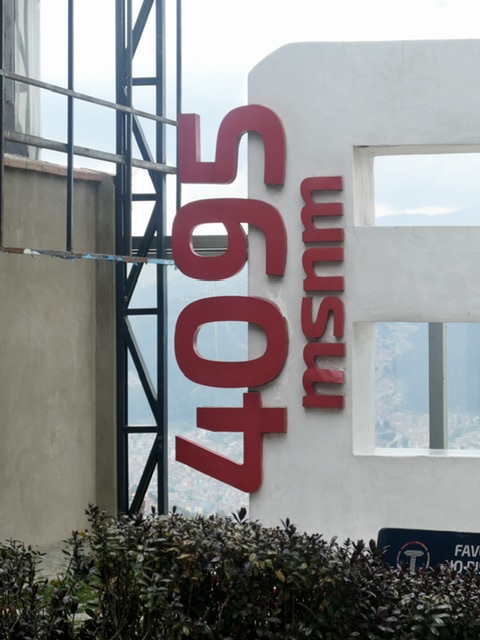
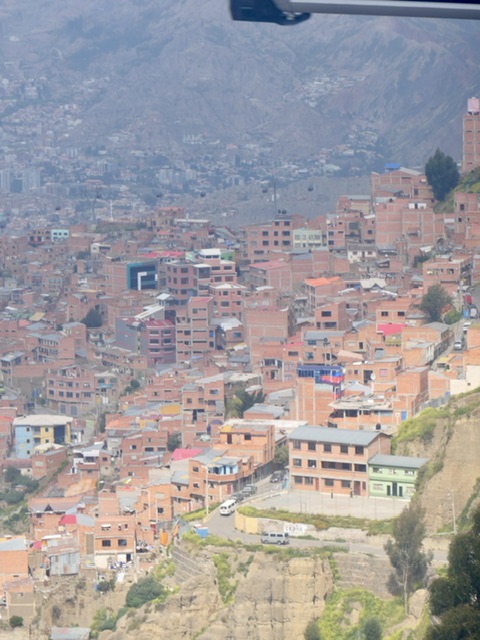
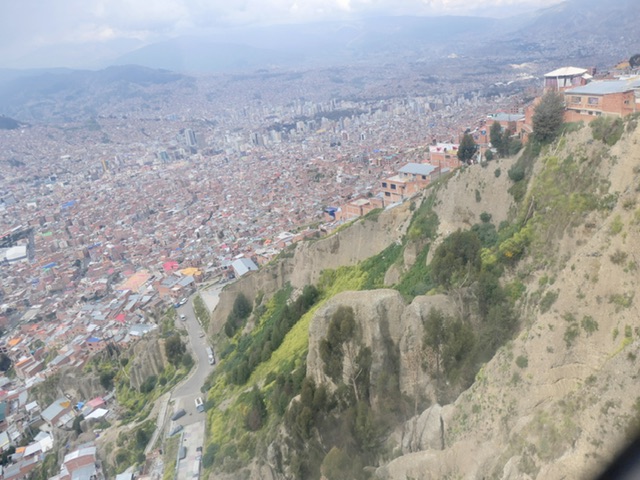
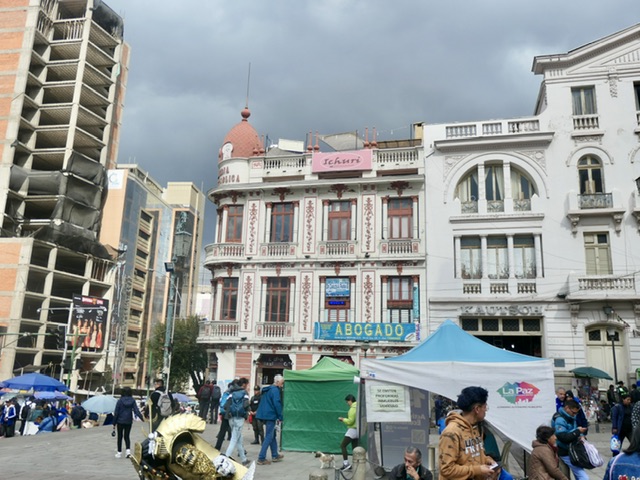
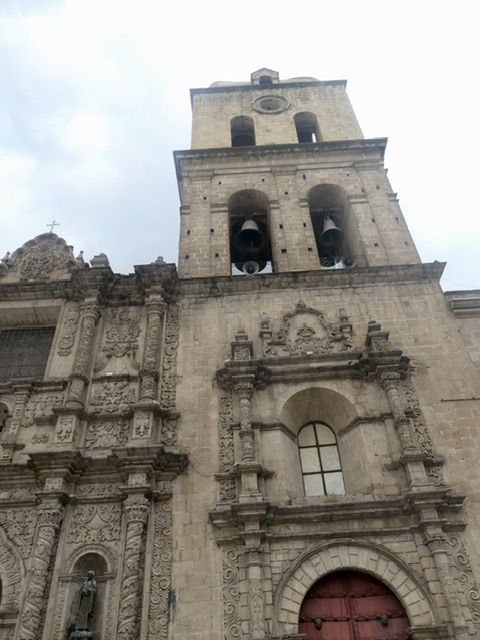
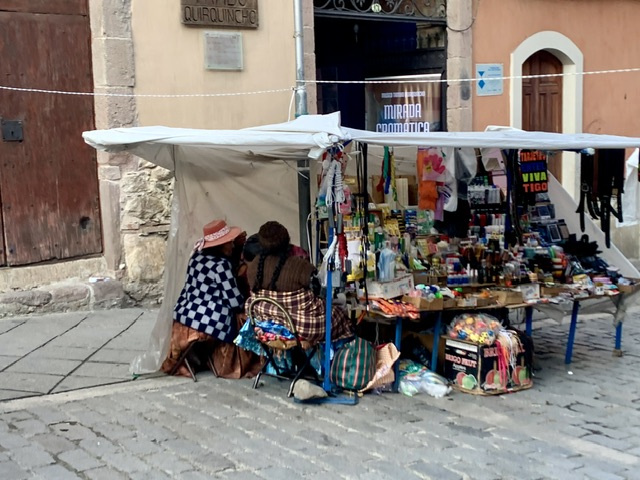
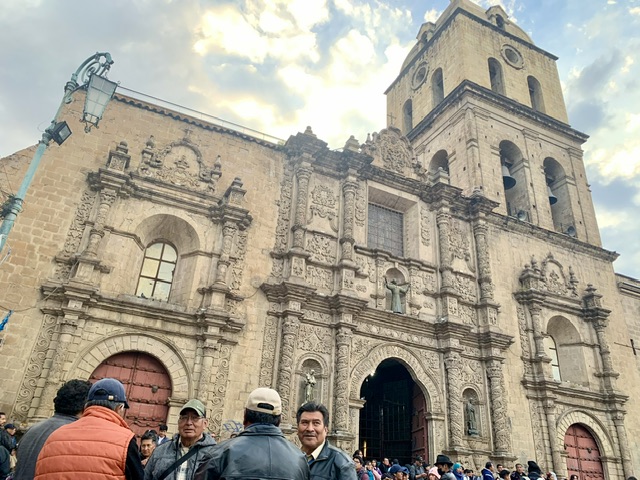
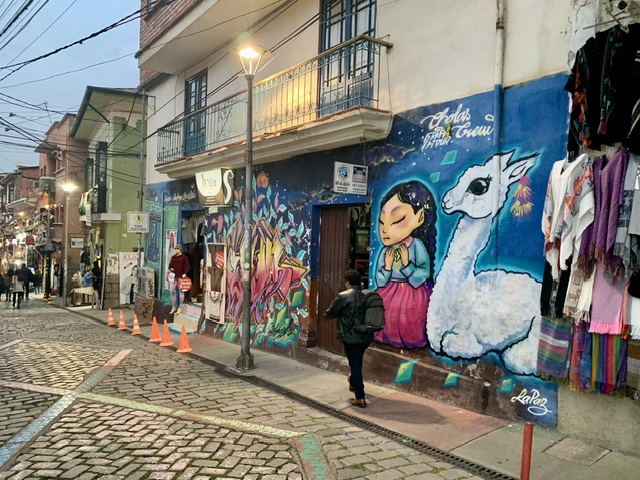
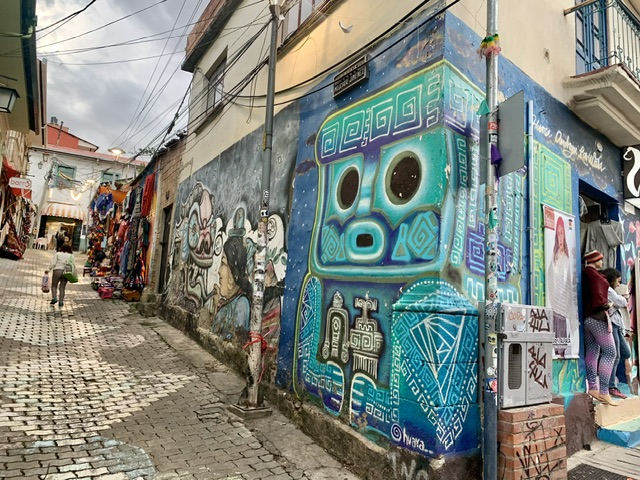
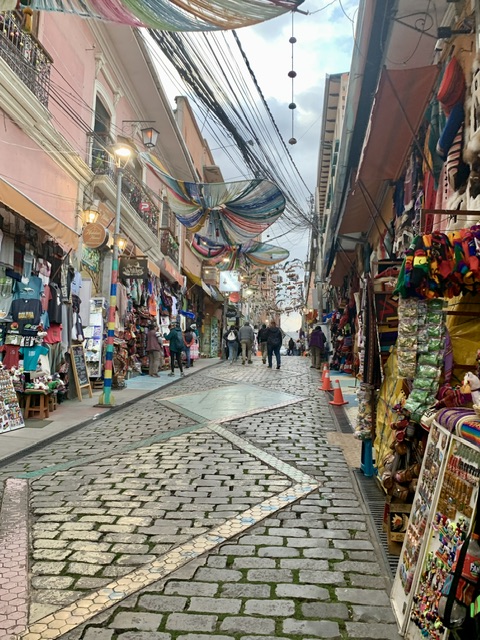
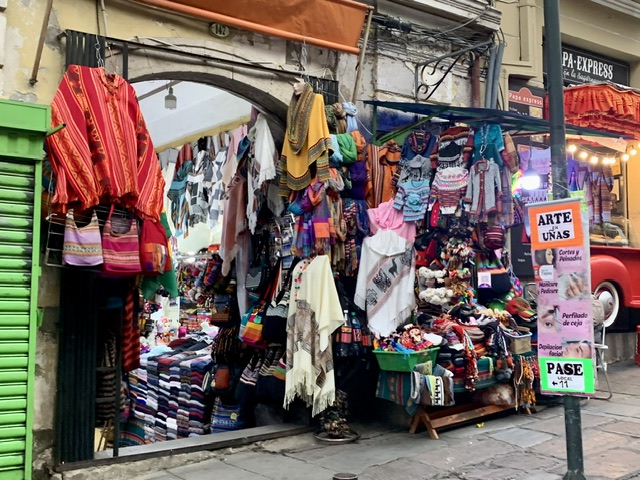
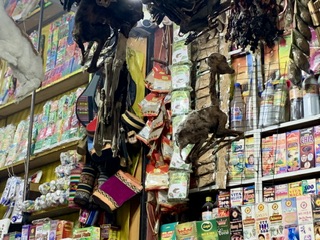
With a population of approximately 2 million, La Paz is the administrative capital and the seat of Government. Flying from Sucre to La Paz, we could see the sprawling nature of this city, with La Paz proper in the low valley and El Alto about 500 hundred metres above and overlooking the centre. As we are not fond of huge cities, and with a tight timeline to get to Peru, we only spent one day here. But we were able to make the most of it by touring the city on the well-developed overhead tram system, saw the 16th C cathedral, and went to the markets, including the famous ‘Witches Market.’
La Paz is a direct contrast to Sucre – large, noisy, dirty, and mostly serves as an access point for out-of-town activities. But it is the highest capital city in South America.
After the highly expensive Uruguay and Chile, Bolivia was a relief on the pocketbook. As the lowest income country in South American, it is a budget-friendly place to spend time. Some examples of expenses incurred (cdn $):
2.5 hour taxi ride from Potosi to Sucre – $20
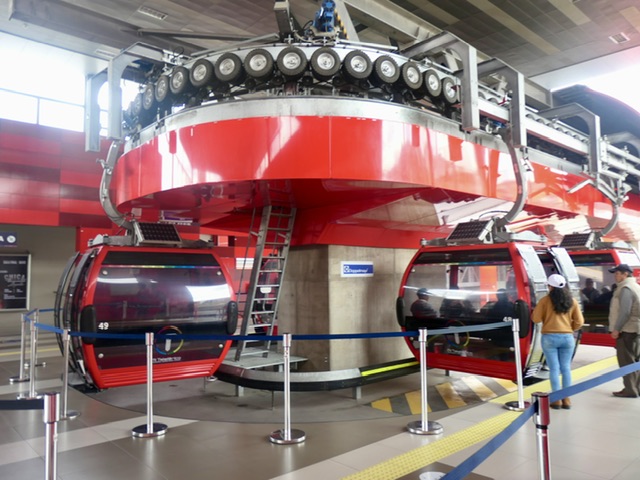
La Paz cable car metro, 4 stop loop – $3 for both of us
1 hour taxi ride to Sucre airport – $12
basic hotel room in Uyuni – $32
deluxe hamburger & fries in Sucre – $5
cocktails in Sucre – $4.50
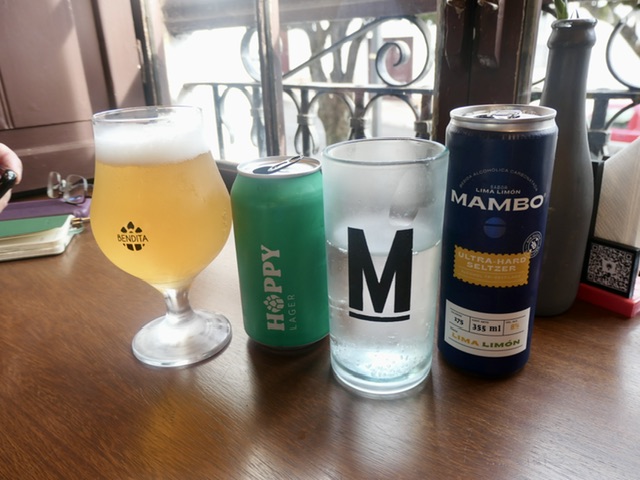
pint of artisanal beer in La Paz – $4
full course meal with drinks in a touristic restaurant in Uyuni – $18
equivalent of 9 bars of chocolate in Sucre – $20
flight from Sucre to La Paz – $80
We are not entirely done with Bolivia as our next post will summarize our experiences of Lake Titicaca from both the Bolivian side and the Peruvian side.












































 Never a Dull Moment