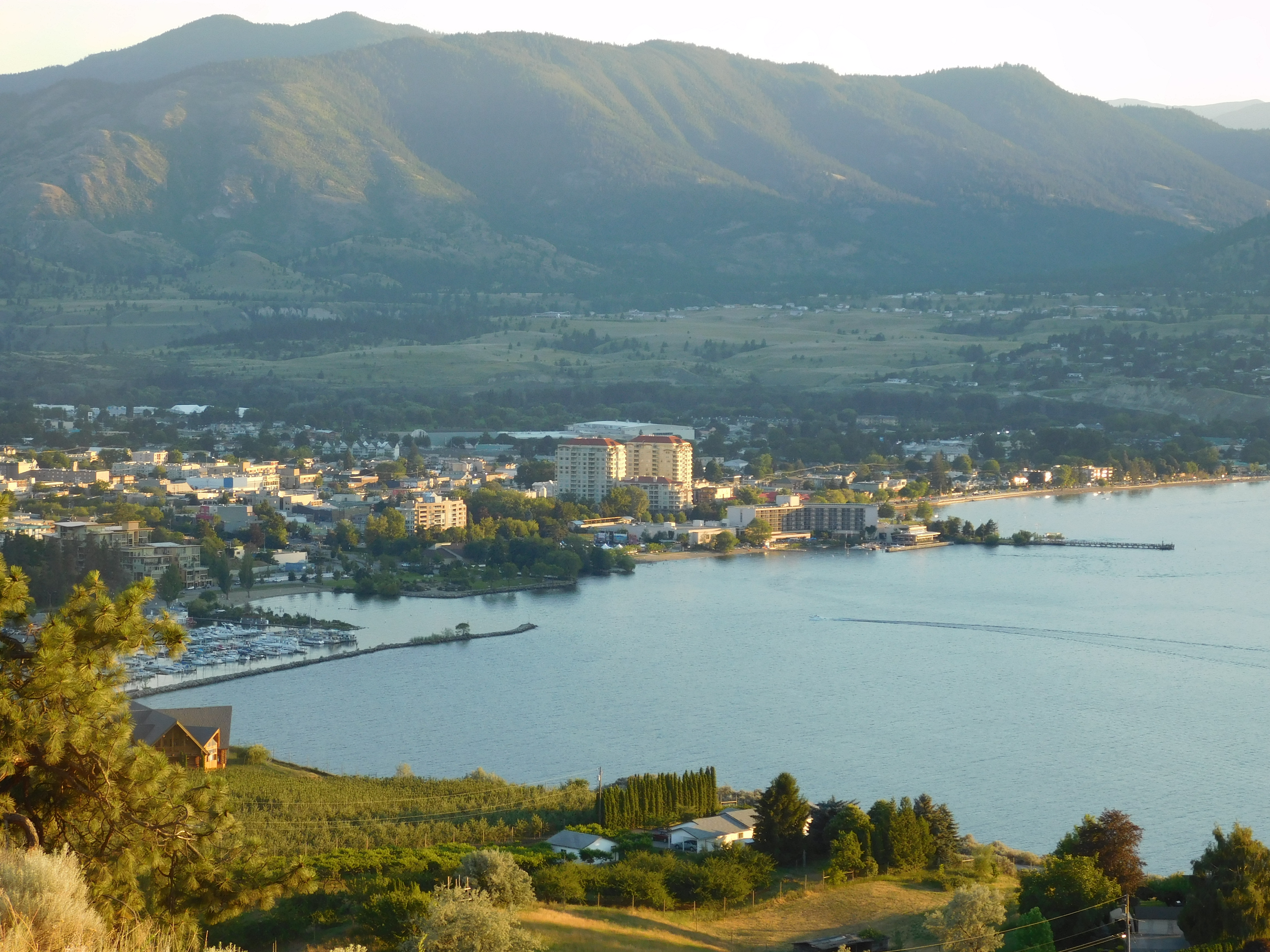
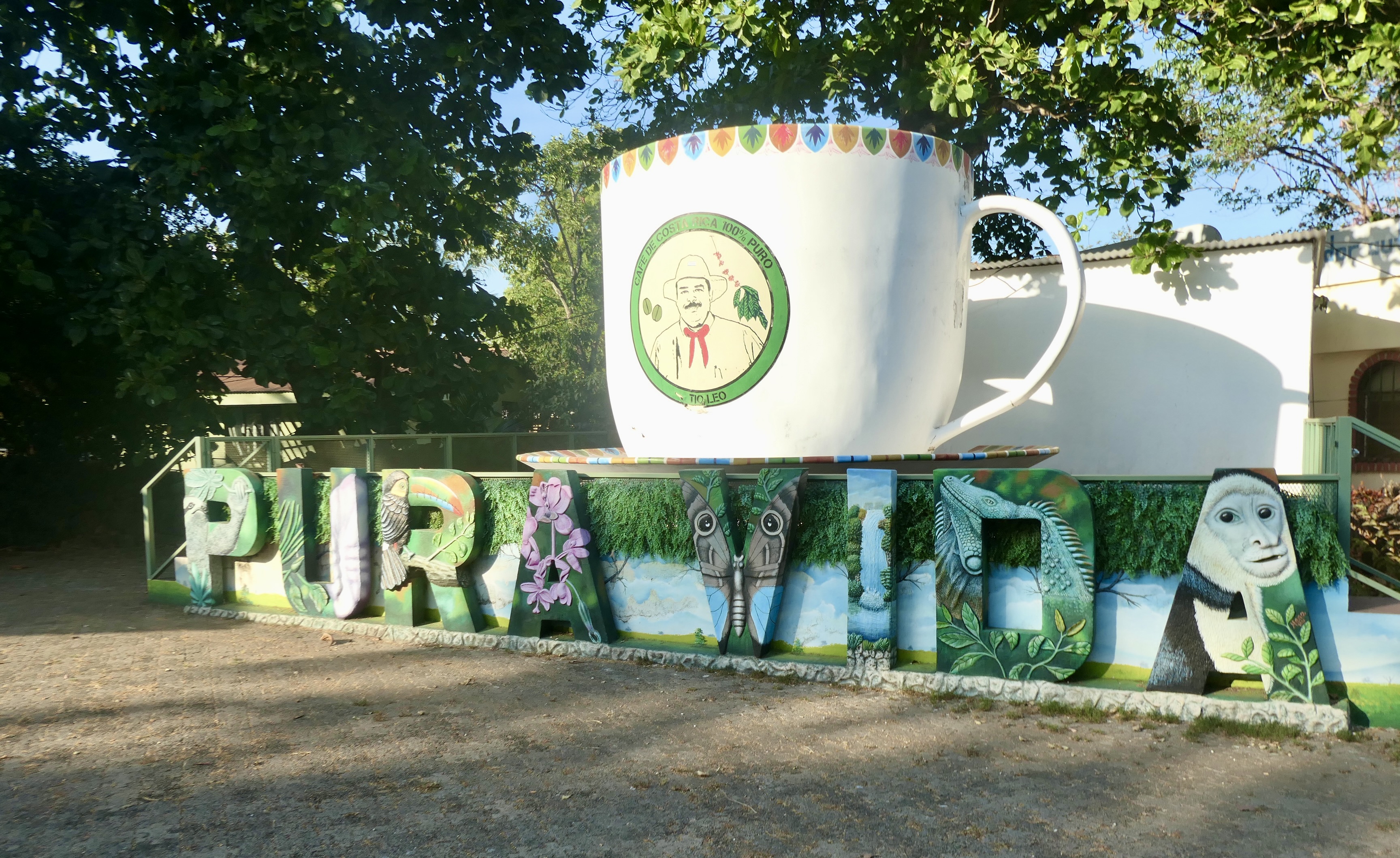
It started in 2020…when a family wedding trip was cancelled and travel plans were put on the back burner. We had every intention to get to Costa Rica “one day.” After some of our family moved to Costa Rica in 2024, we renewed our plans for at least an introductory visit to the country. In mid-February of this year, we flew into San José where we spent a few days before renting a car to explore this small country over the course of 4 weeks and 2500 km.
San José
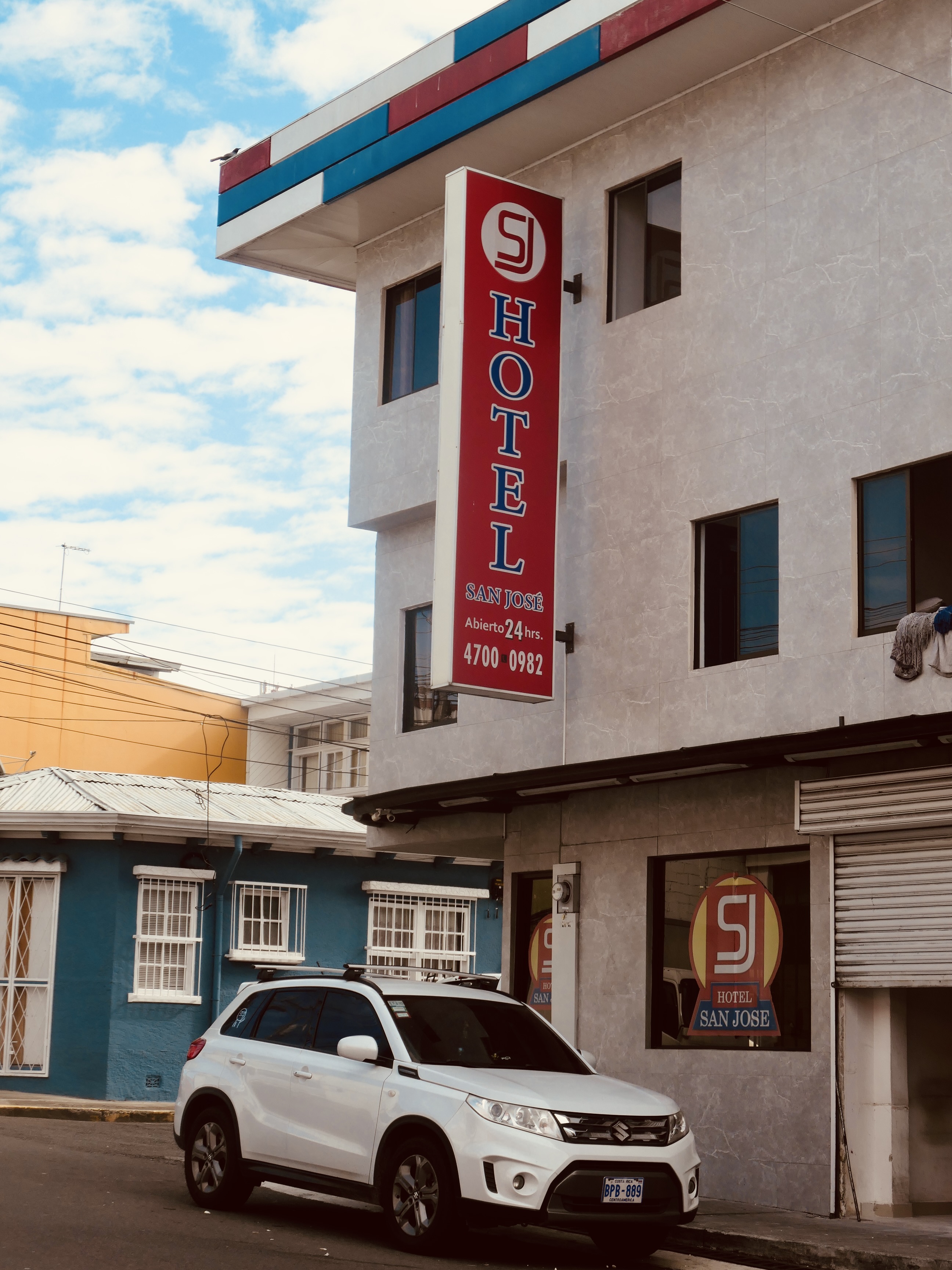
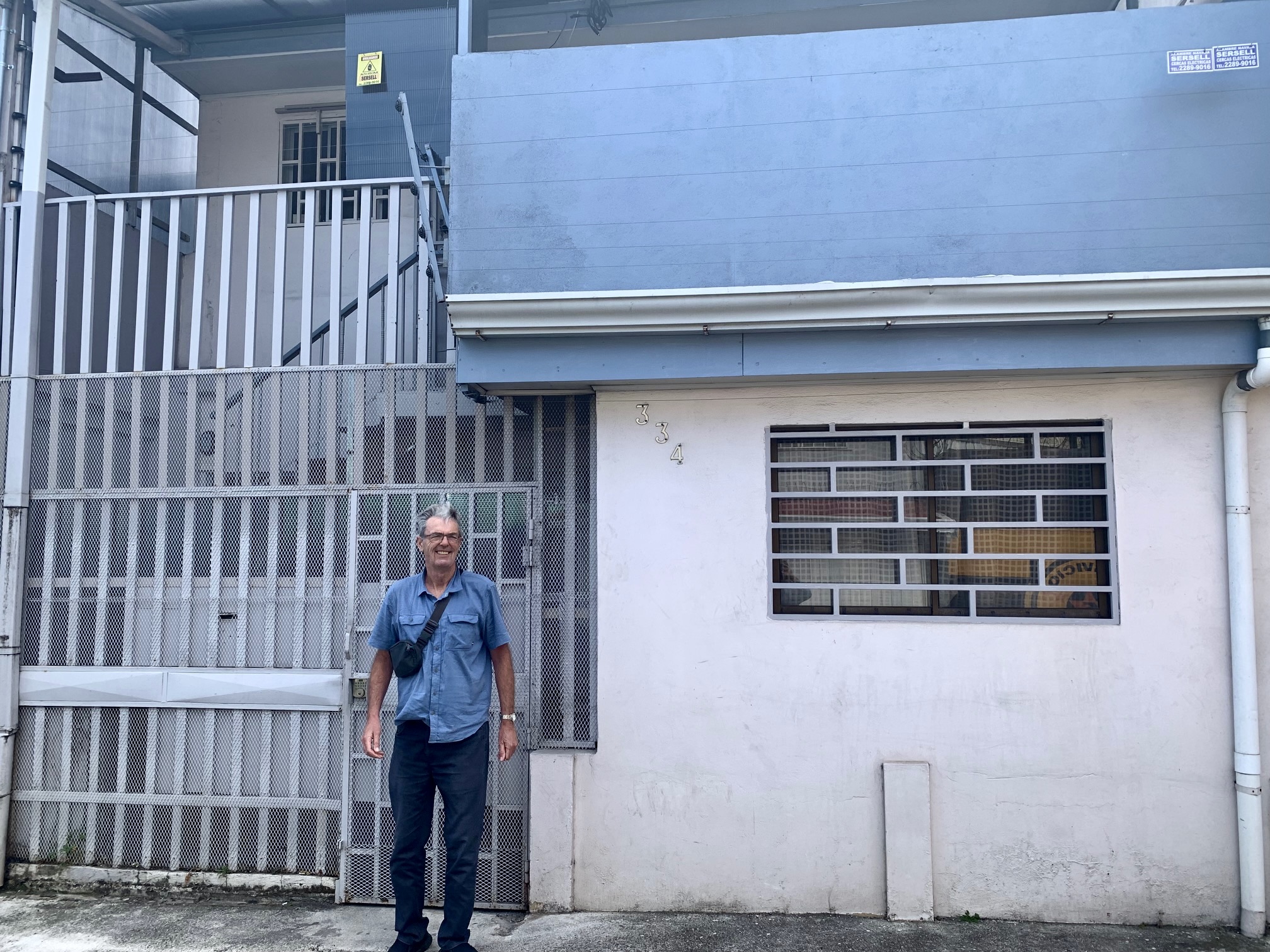
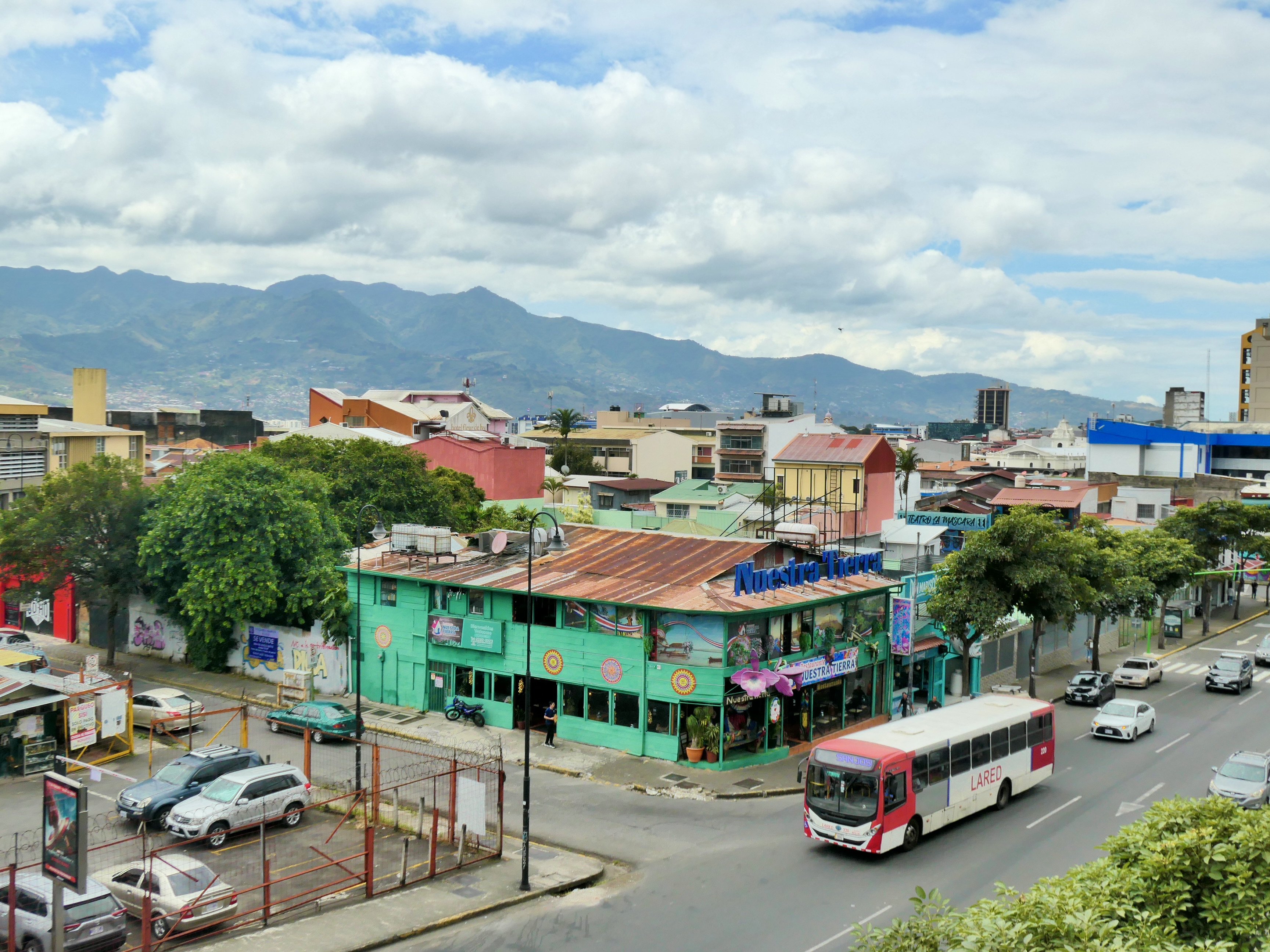
This is not a particularly scenic city and many visitors skip it. However, we found it a good place to start and it did have some highlights. Our entry was a bit of an adventure in that we found ourselves in a sketchy neighbourhood at 1 a.m. when our driver tried to find us an open hotel after our Airbnb booking had the wrong address/map pin. Our first experience with a hotel that also has hourly room rentals. Nonetheless, we got some sleep then were able to locate the correct address for the apartment the next morning.
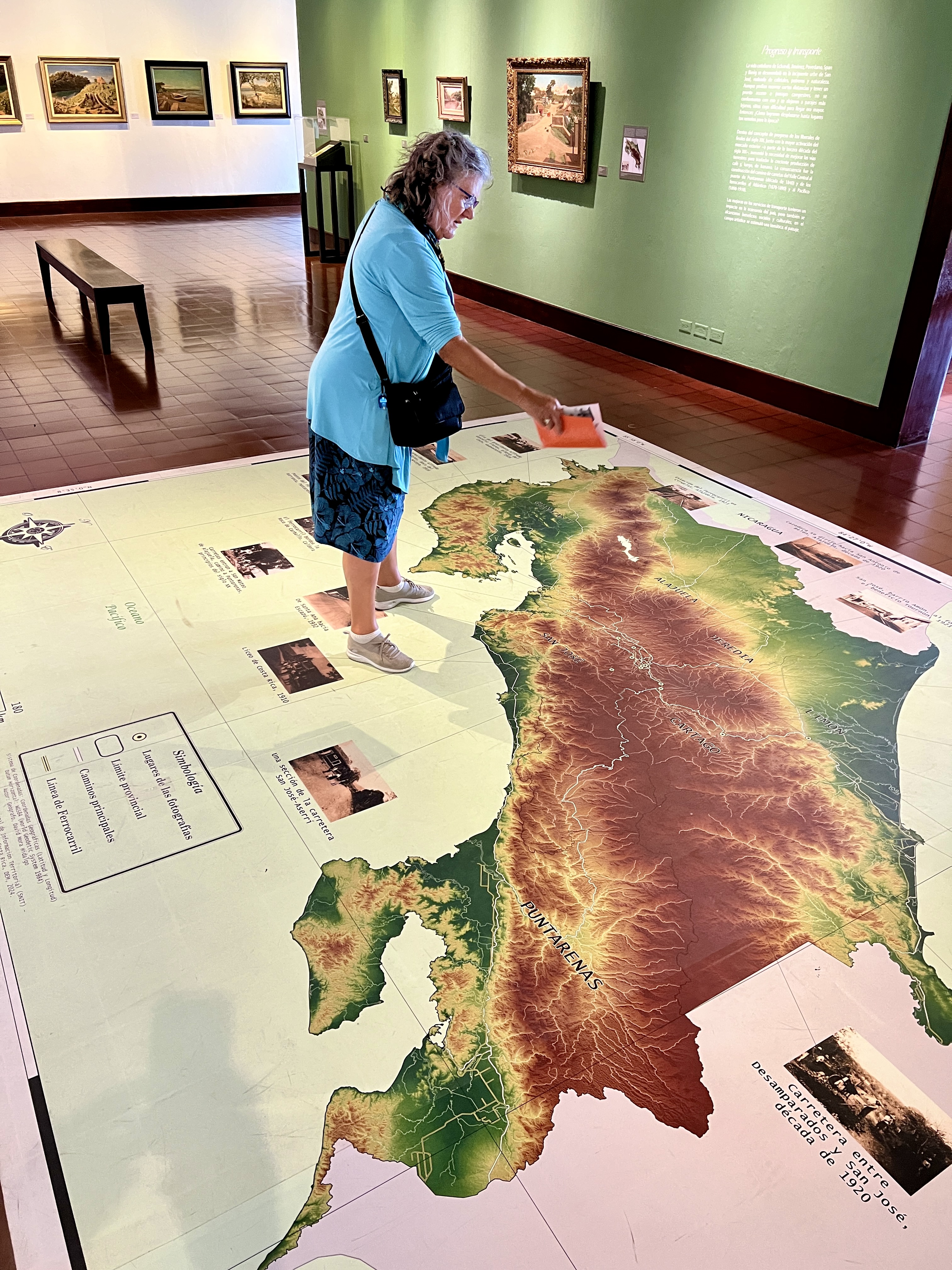
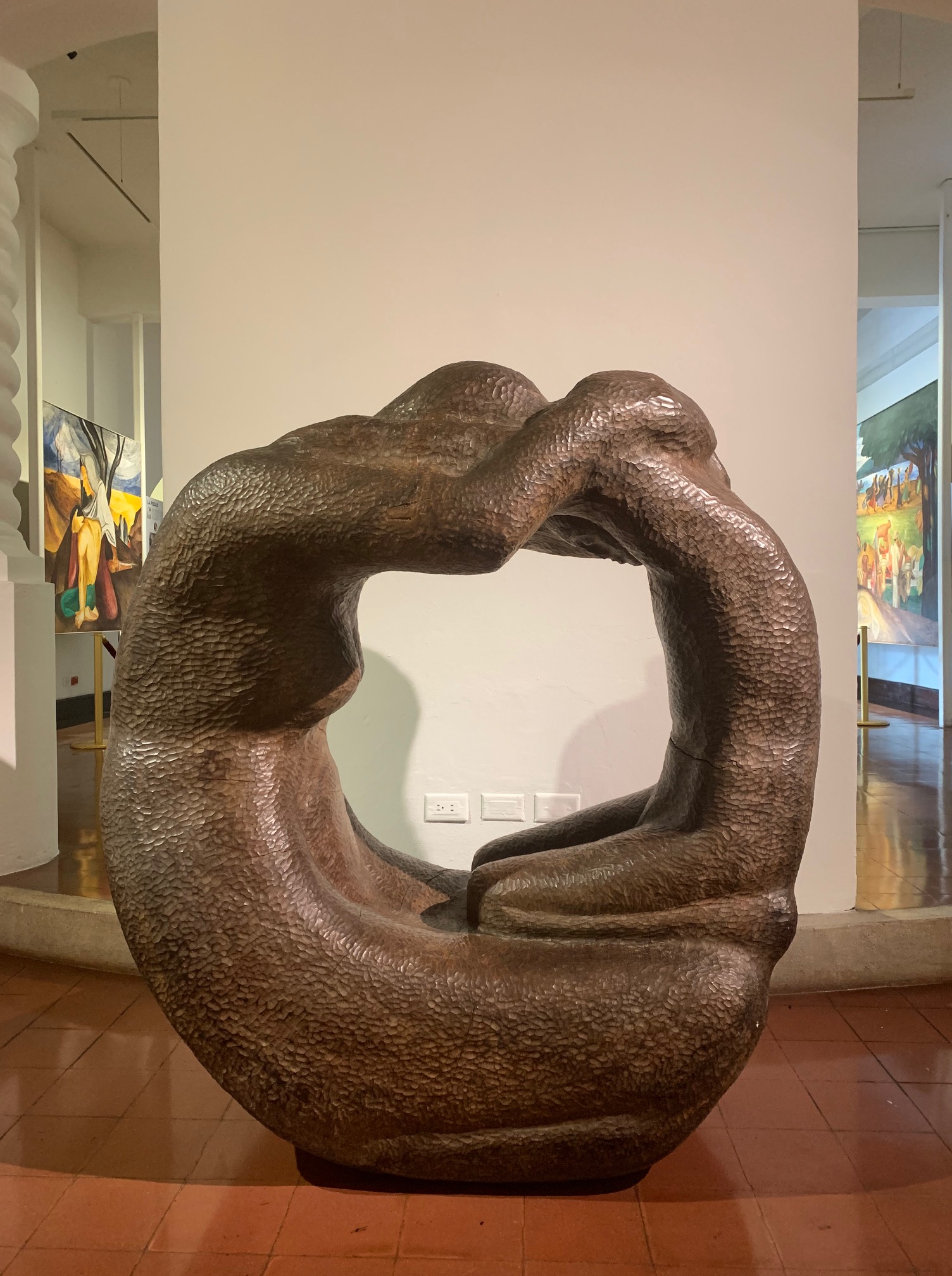
National Museum: we spent the better part of a day there and learned so much about the country’s history. Highly recommend.

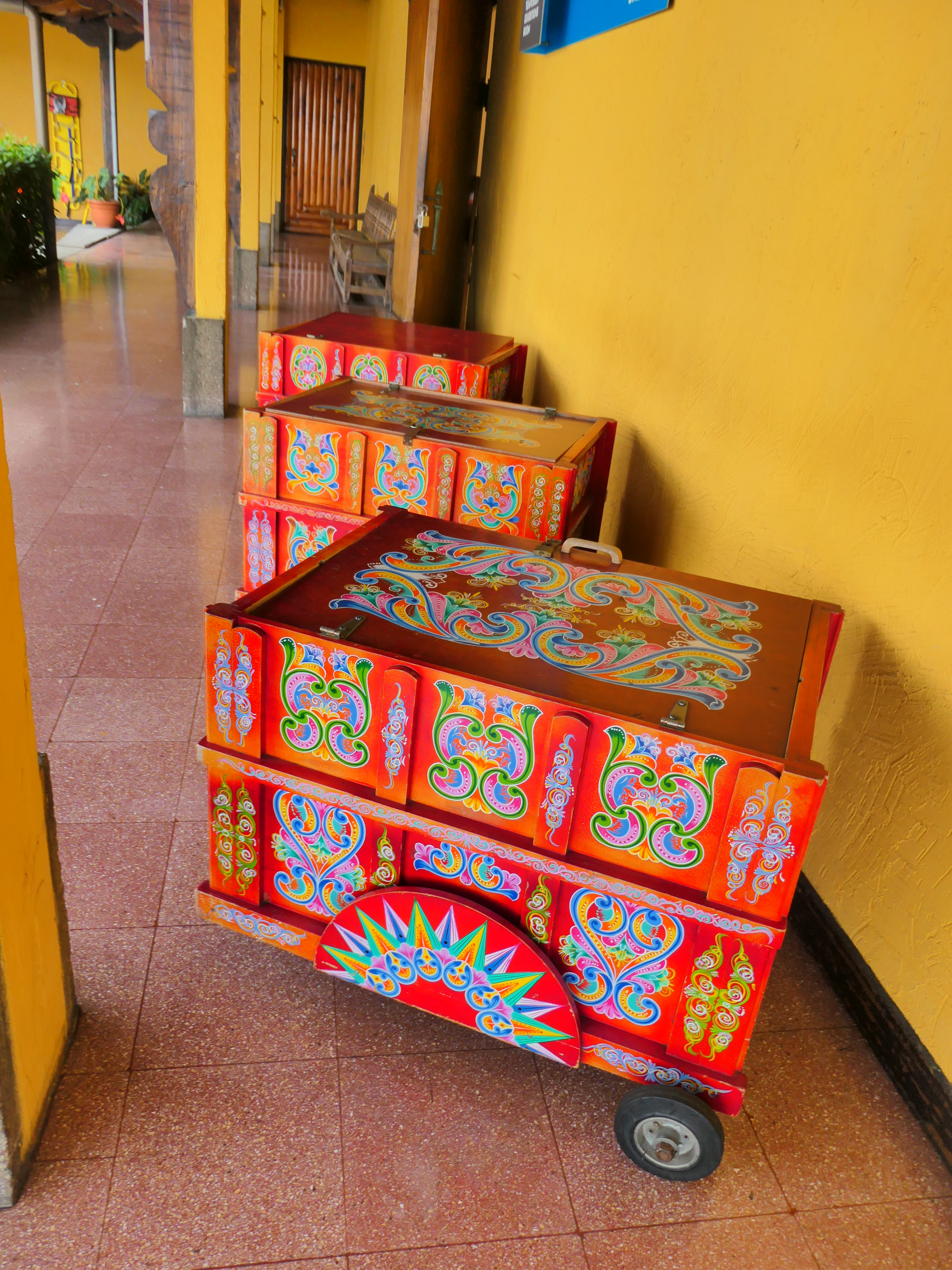

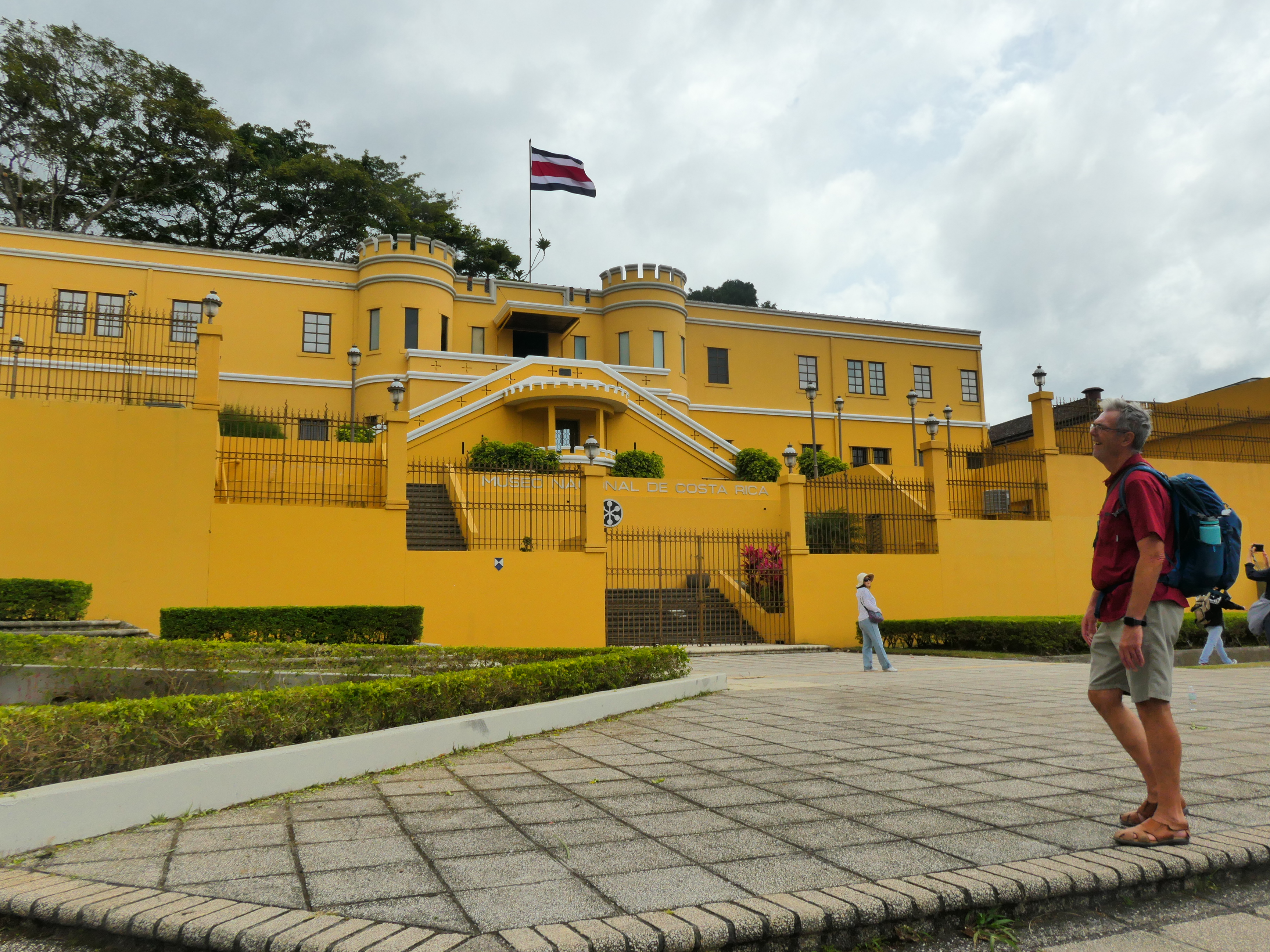
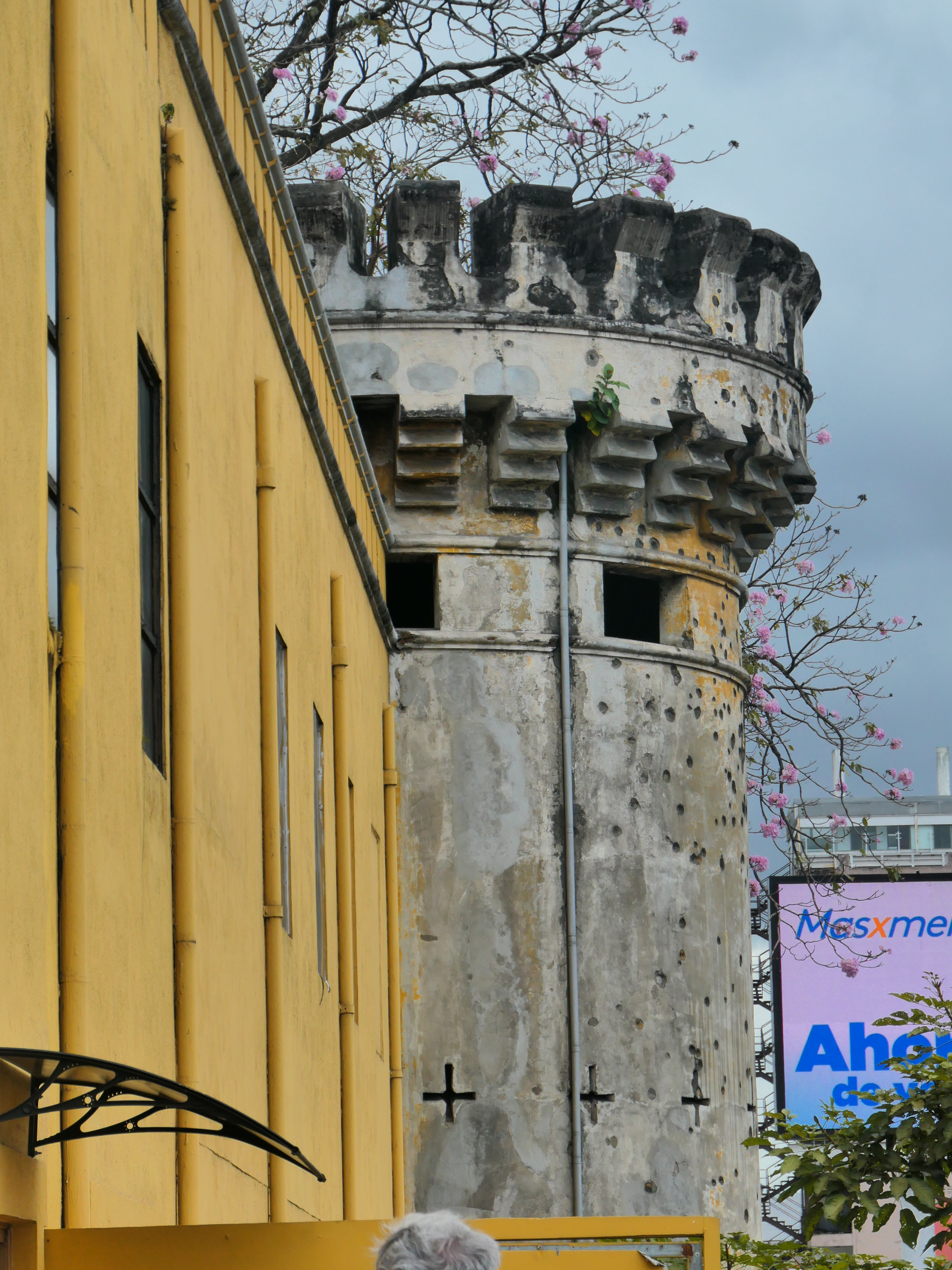

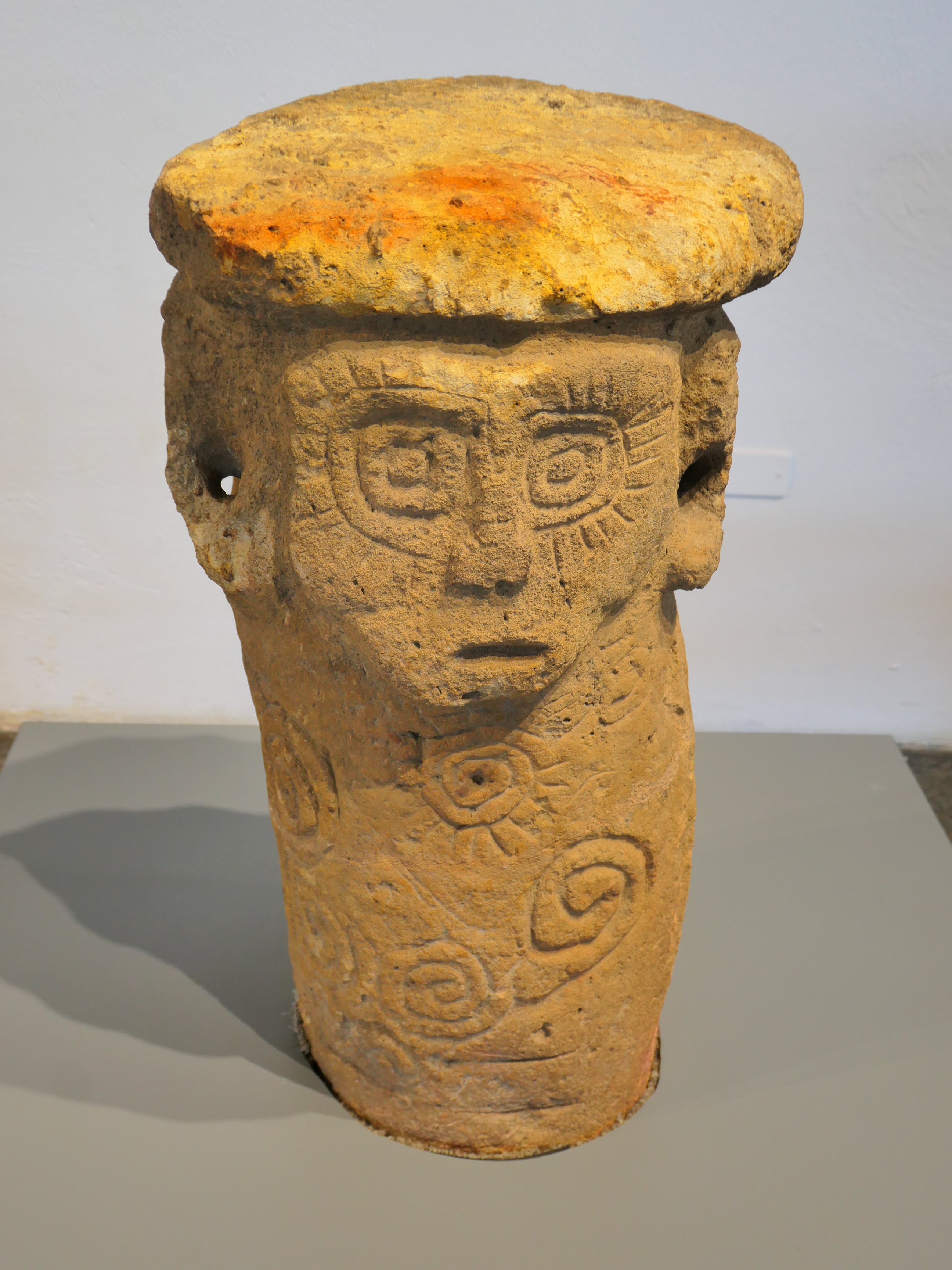
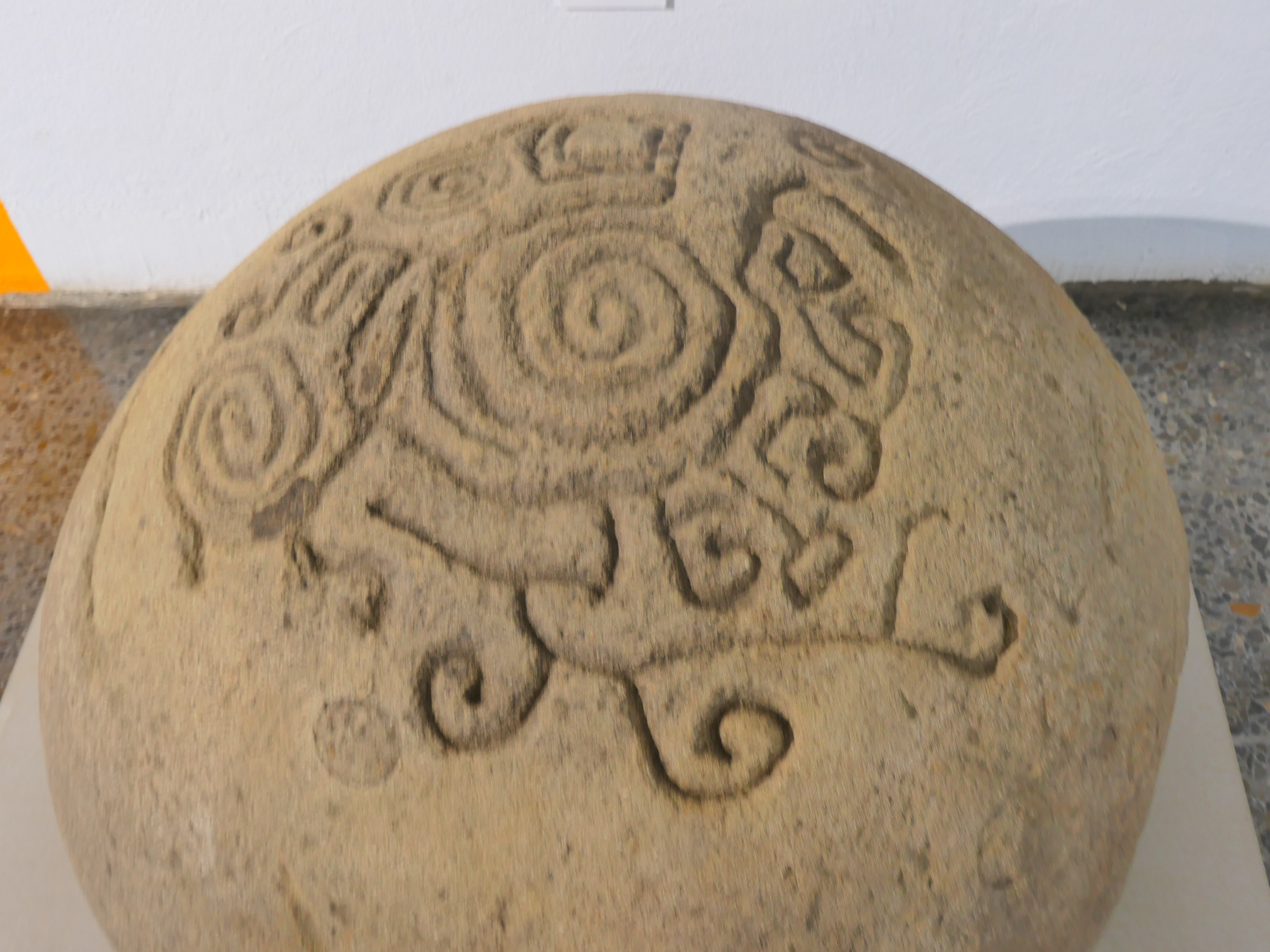
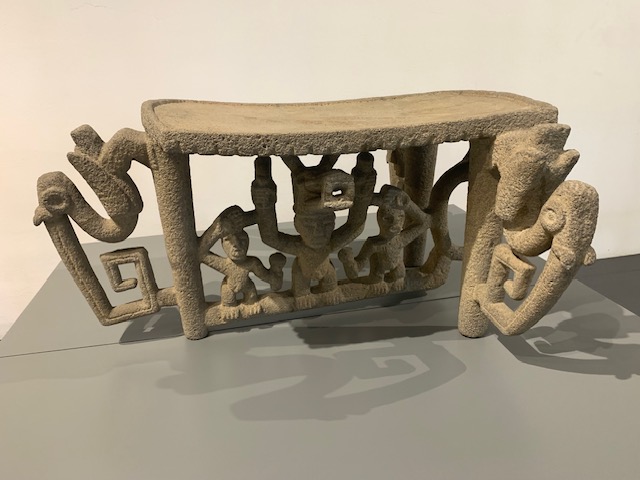

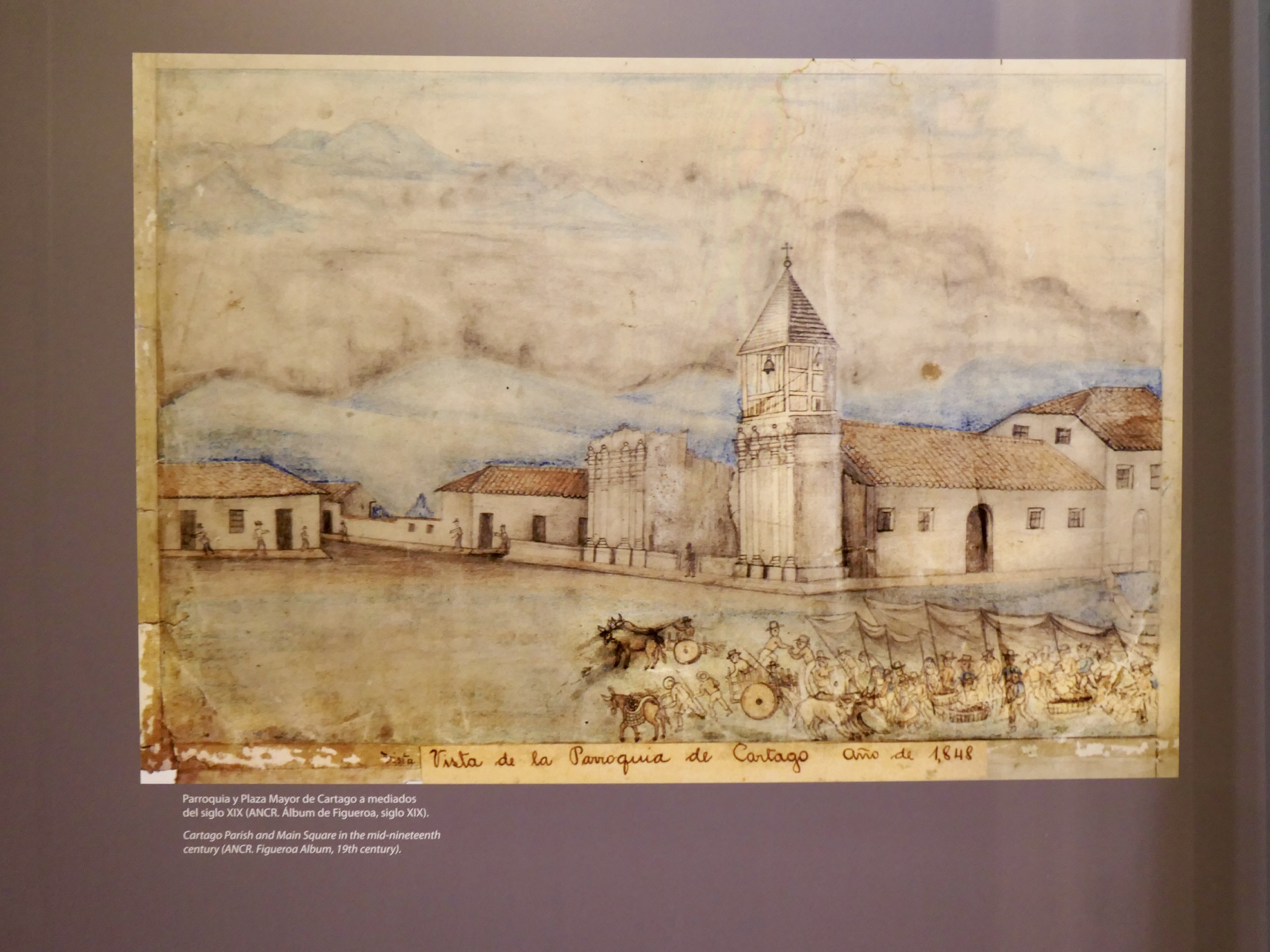



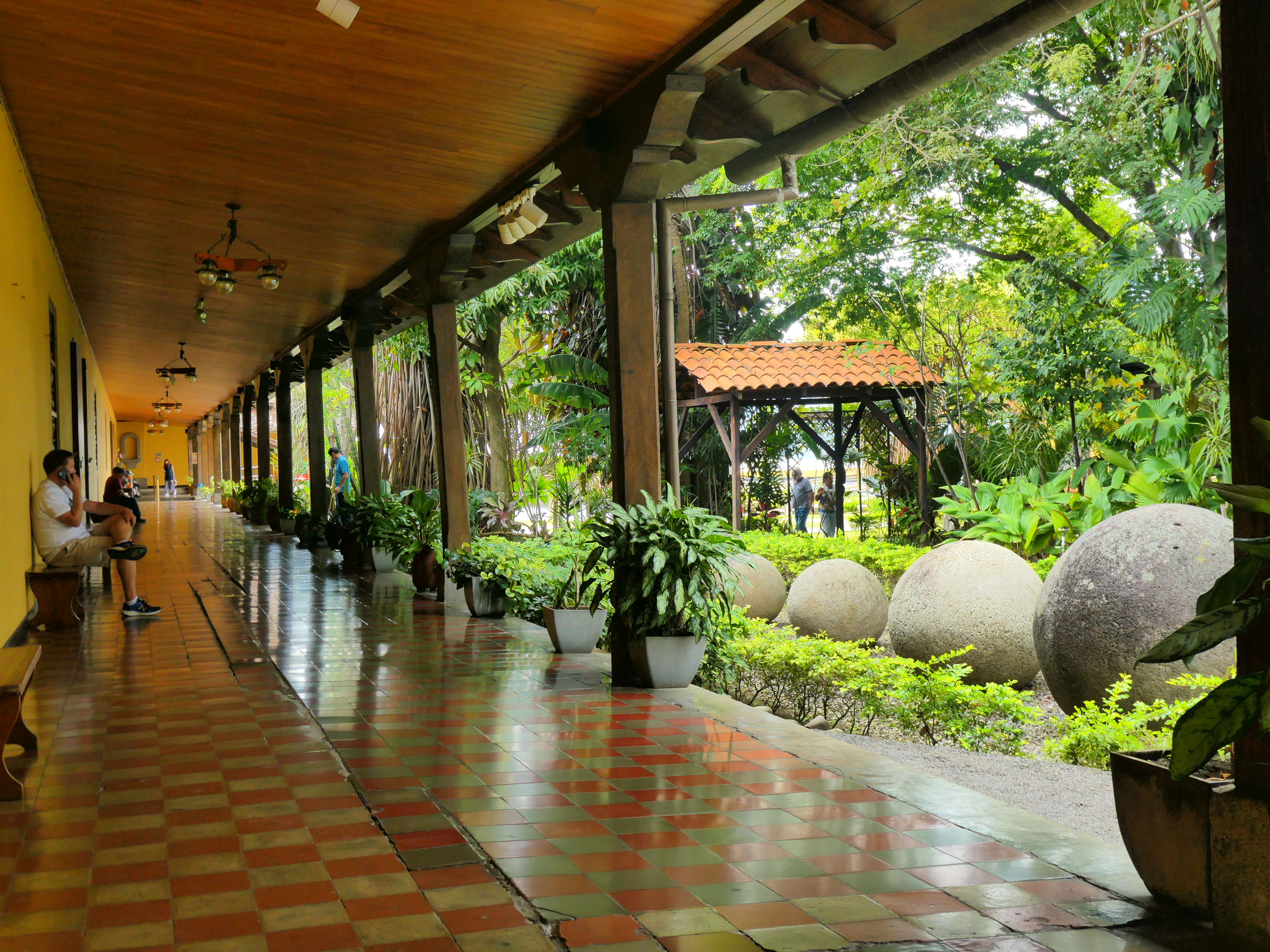
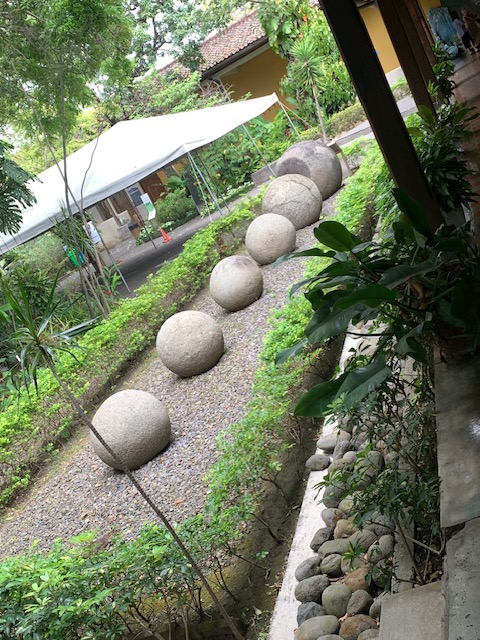
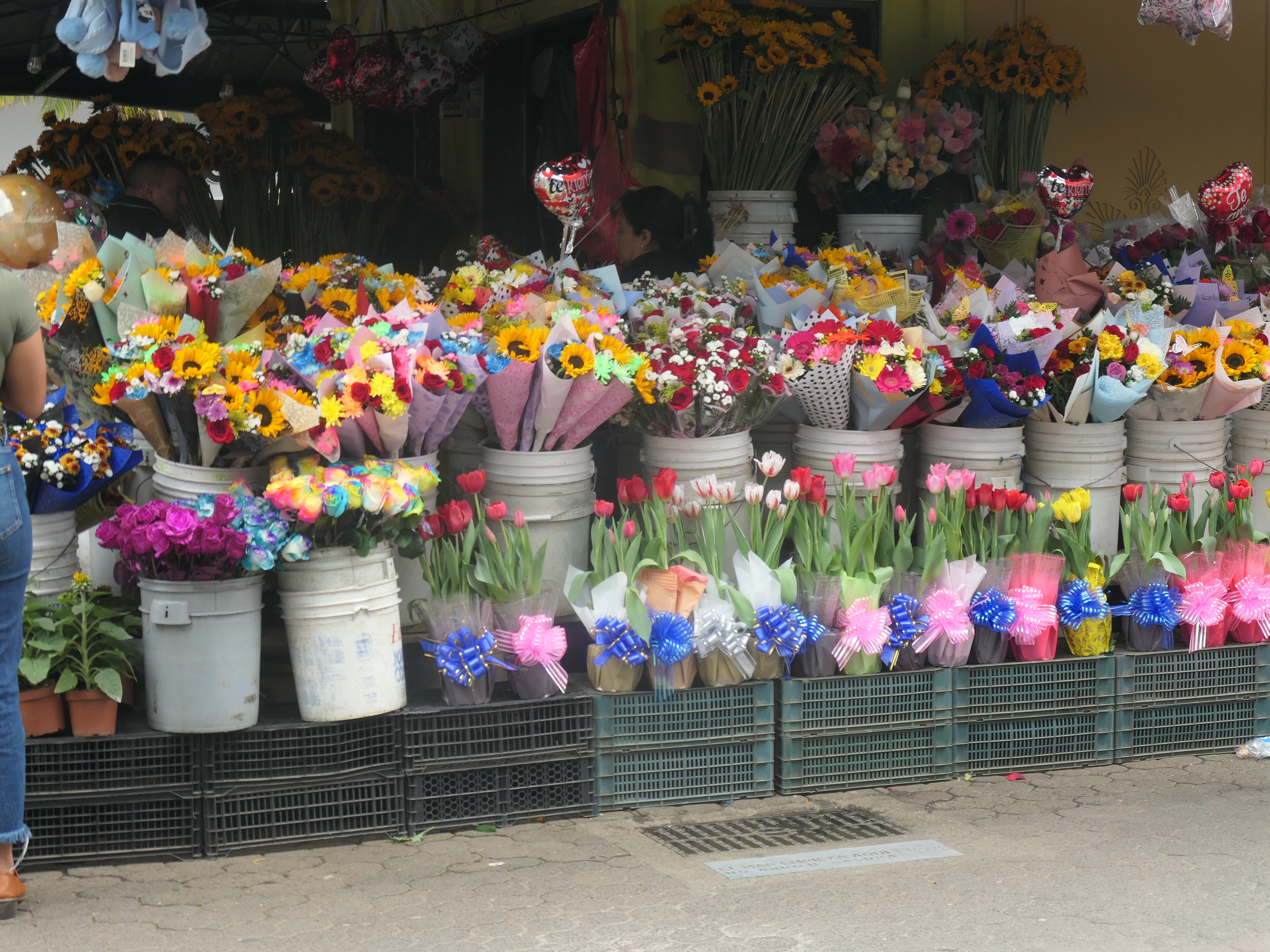
Centro: plazas, pedestrian shopping streets, central market, historical buildings




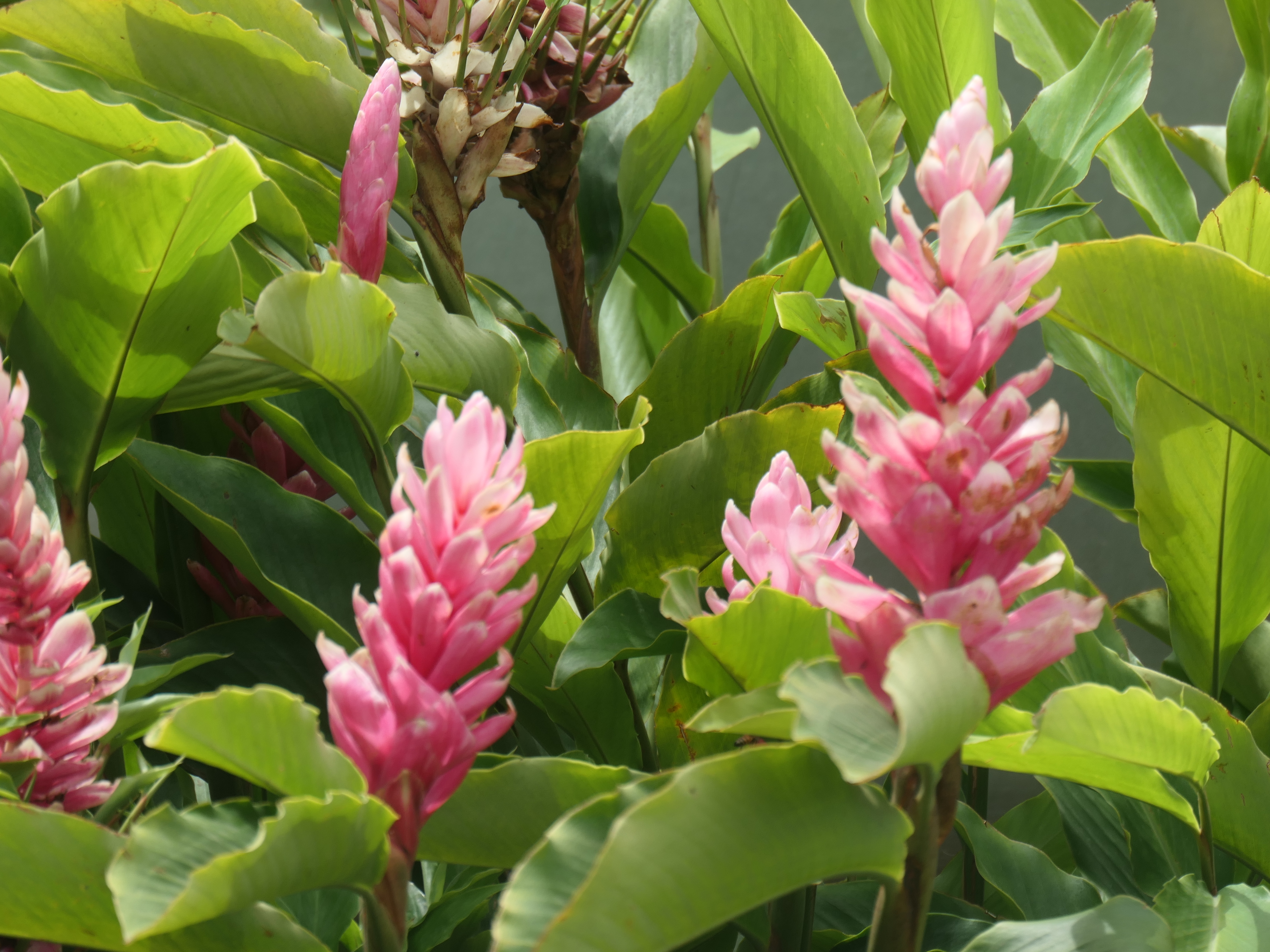
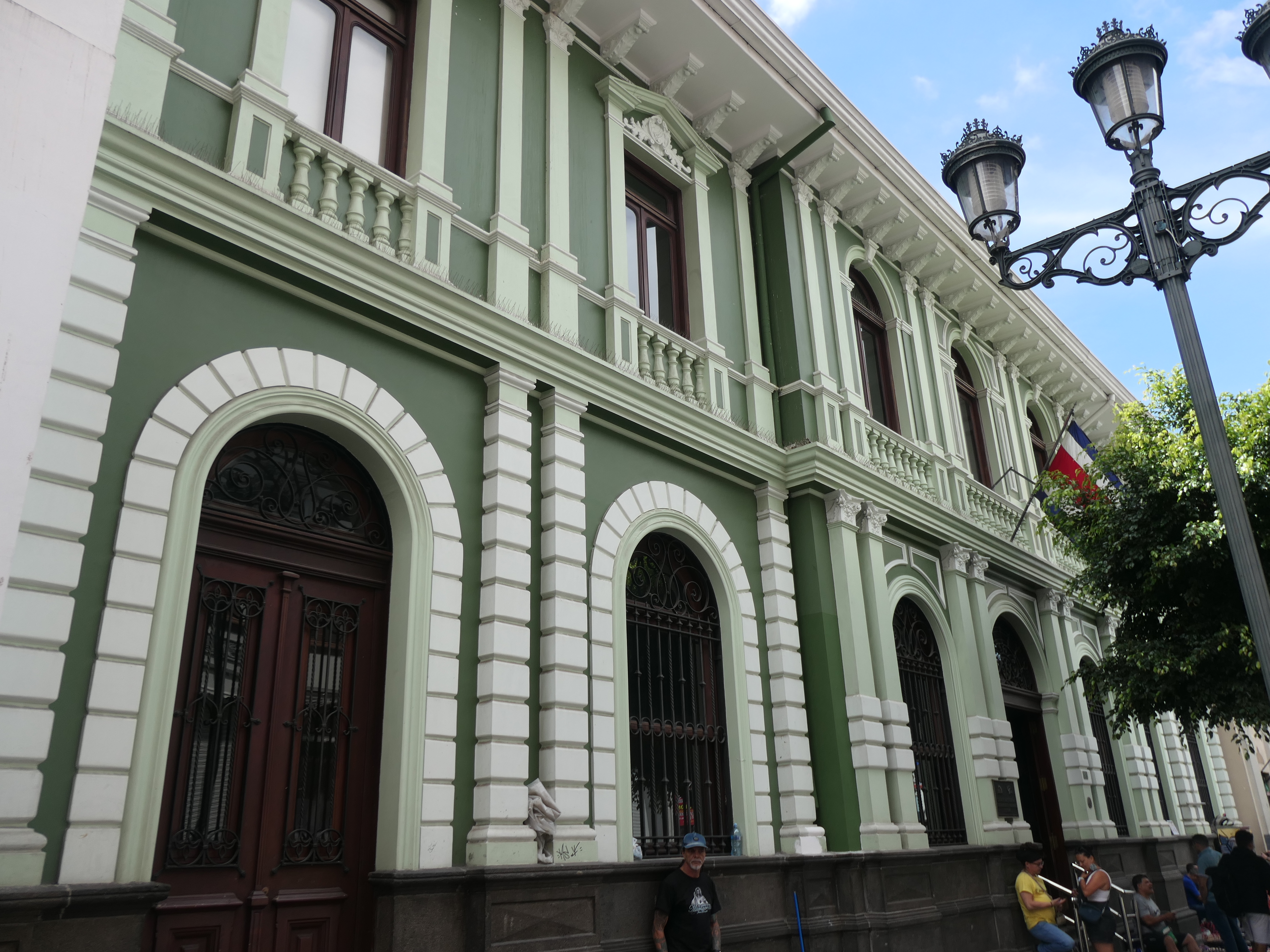
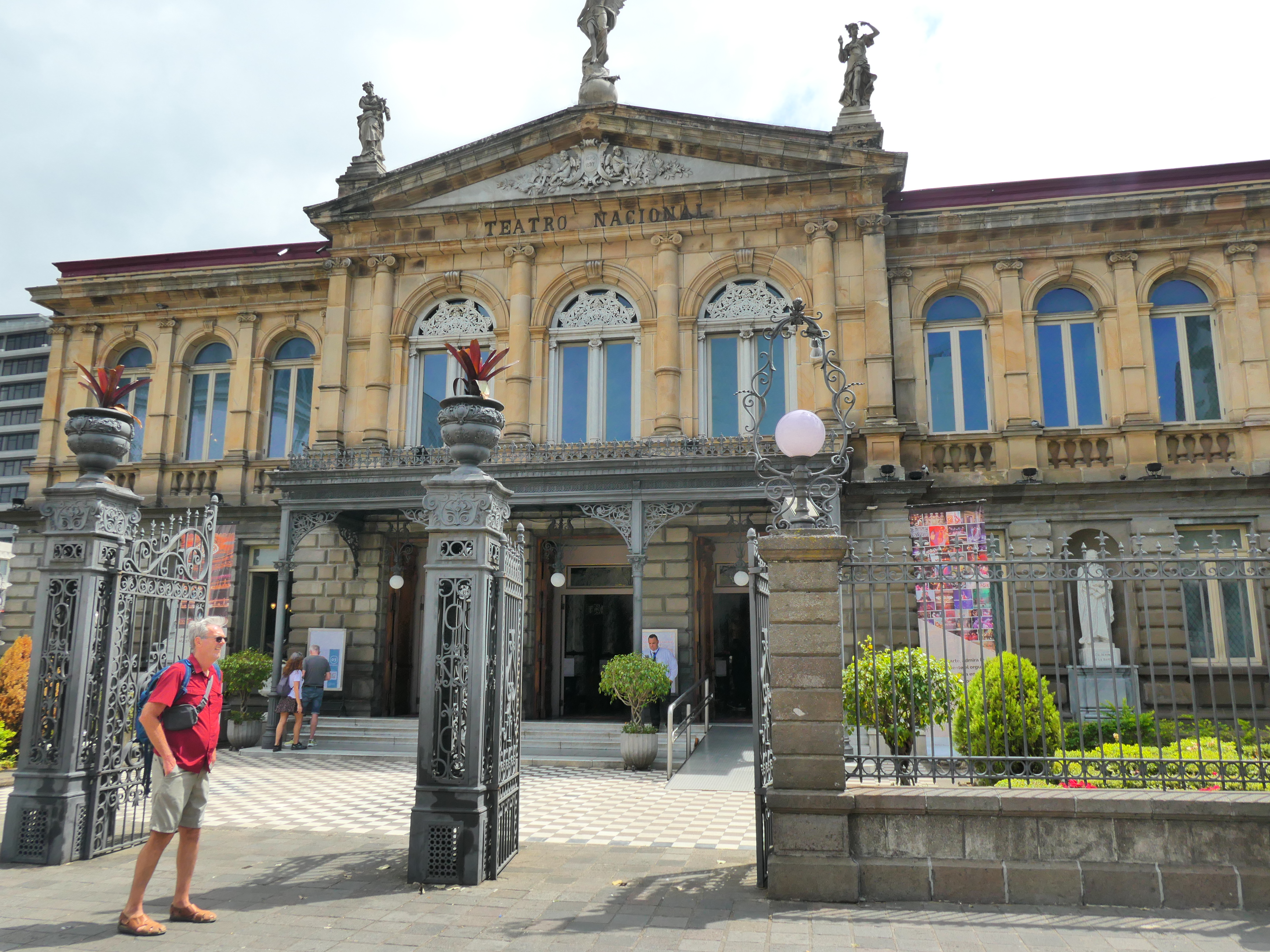

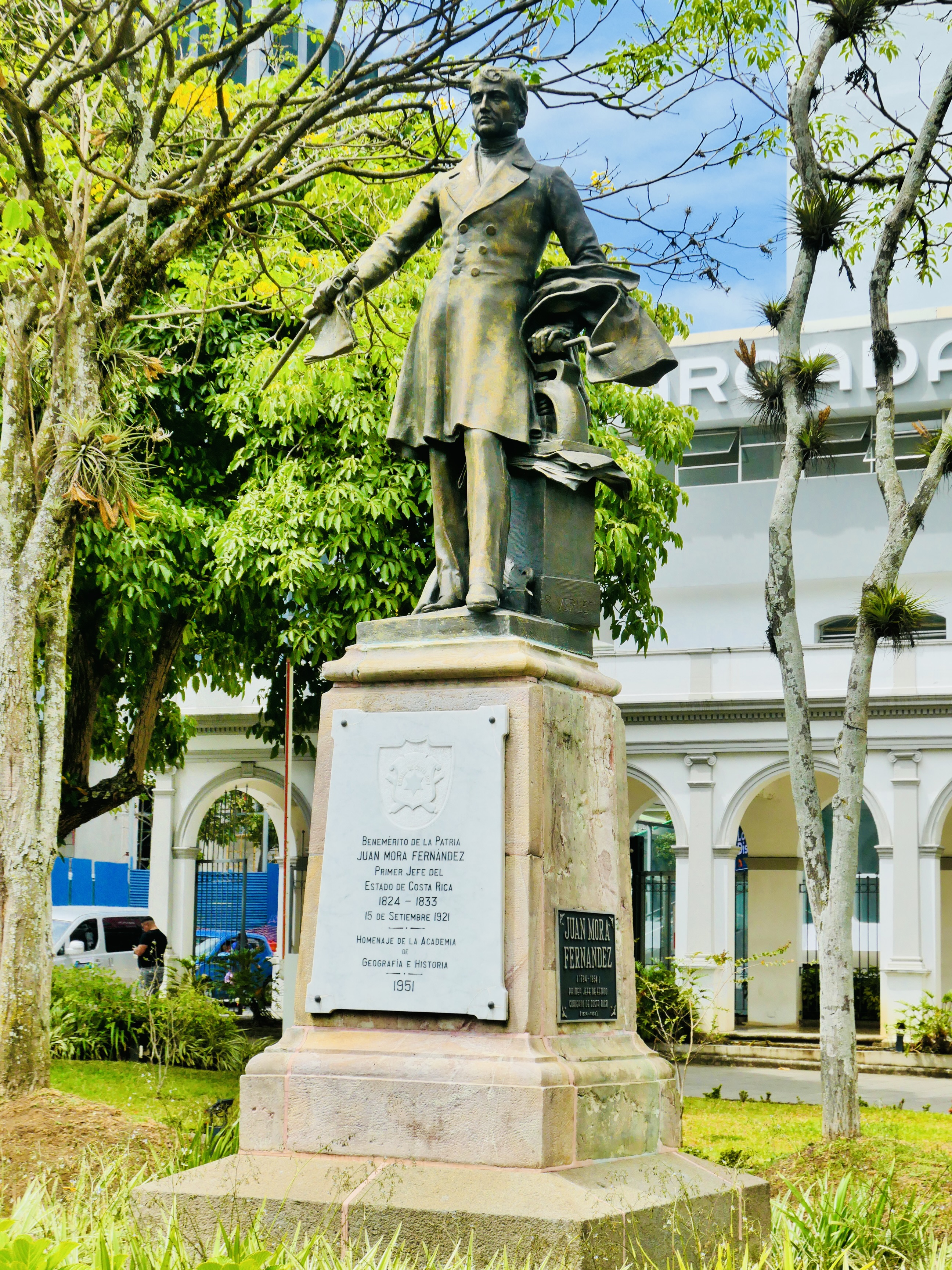


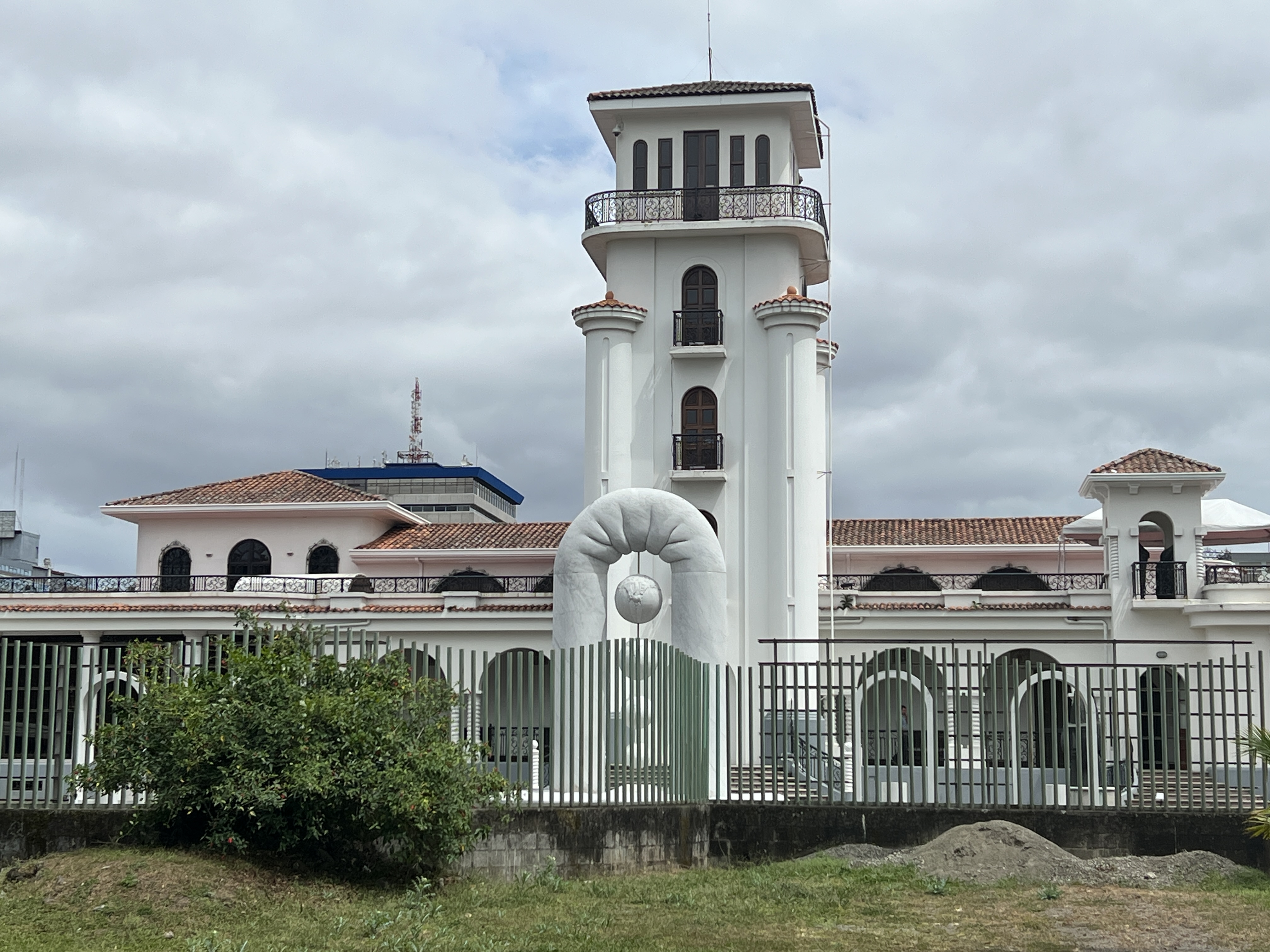
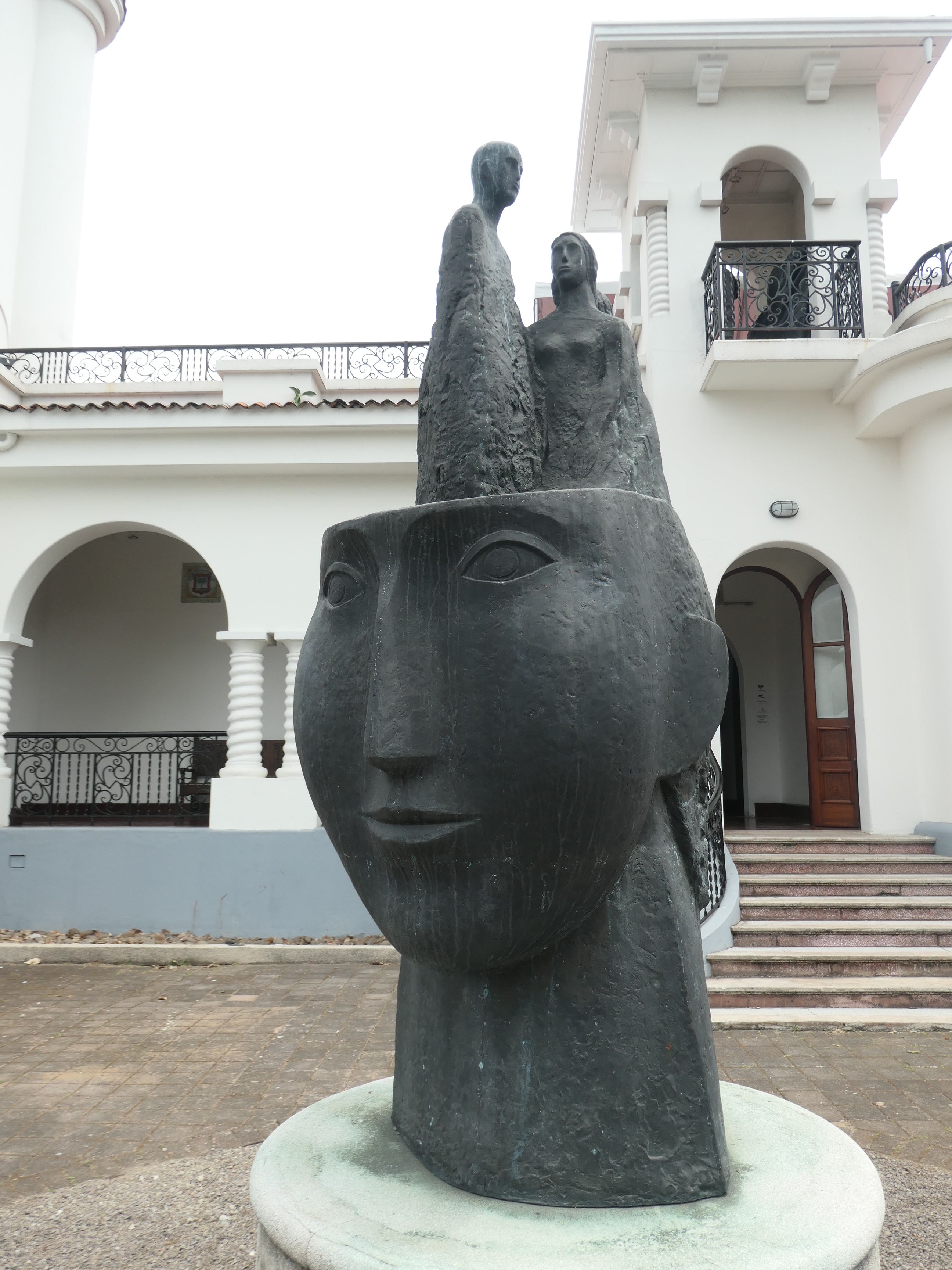
La Sabana Park: the site of Costa Rica’s first international airport; the main building now housing the Costa Rica Art Museum






Caribbean South
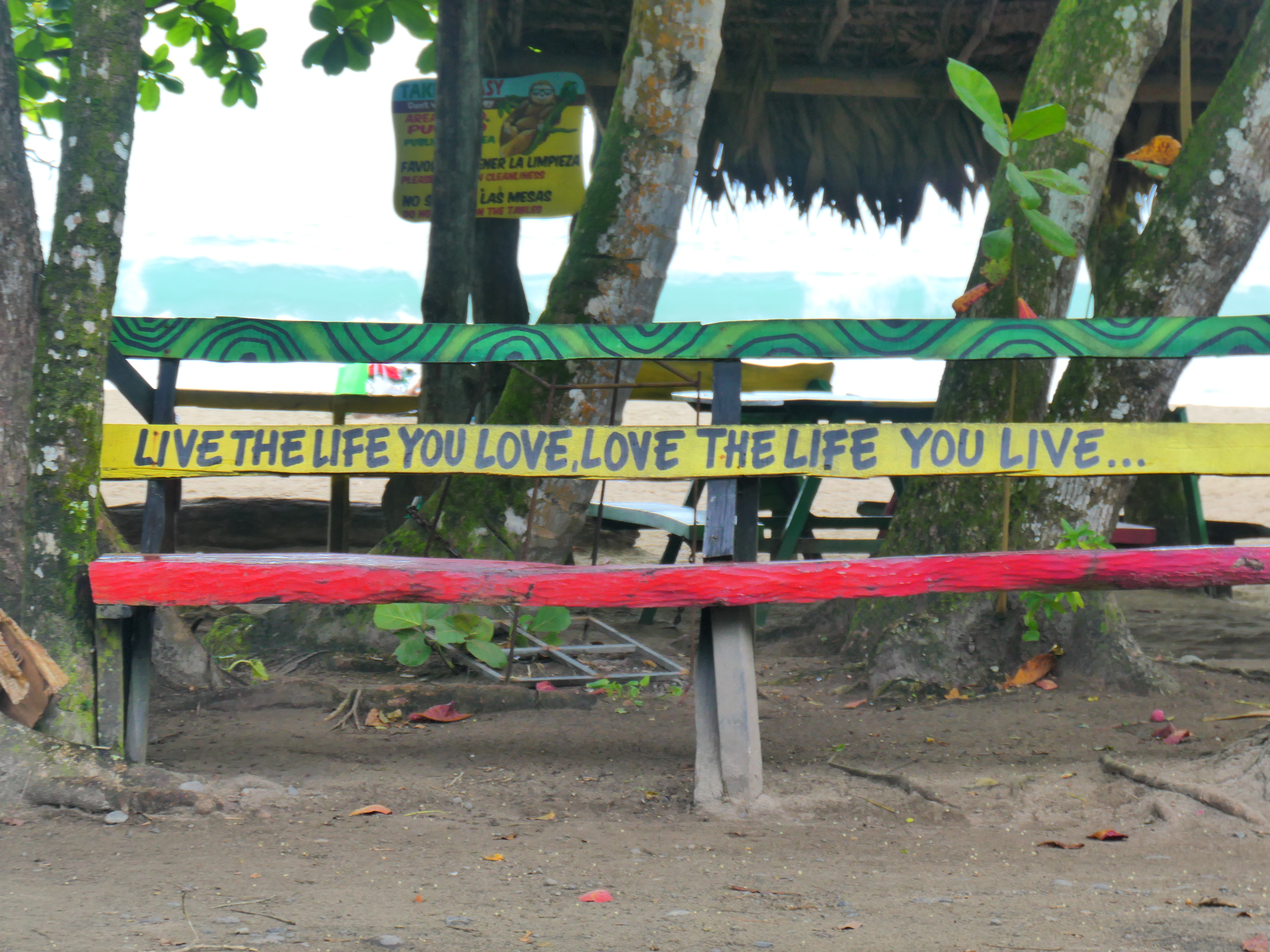
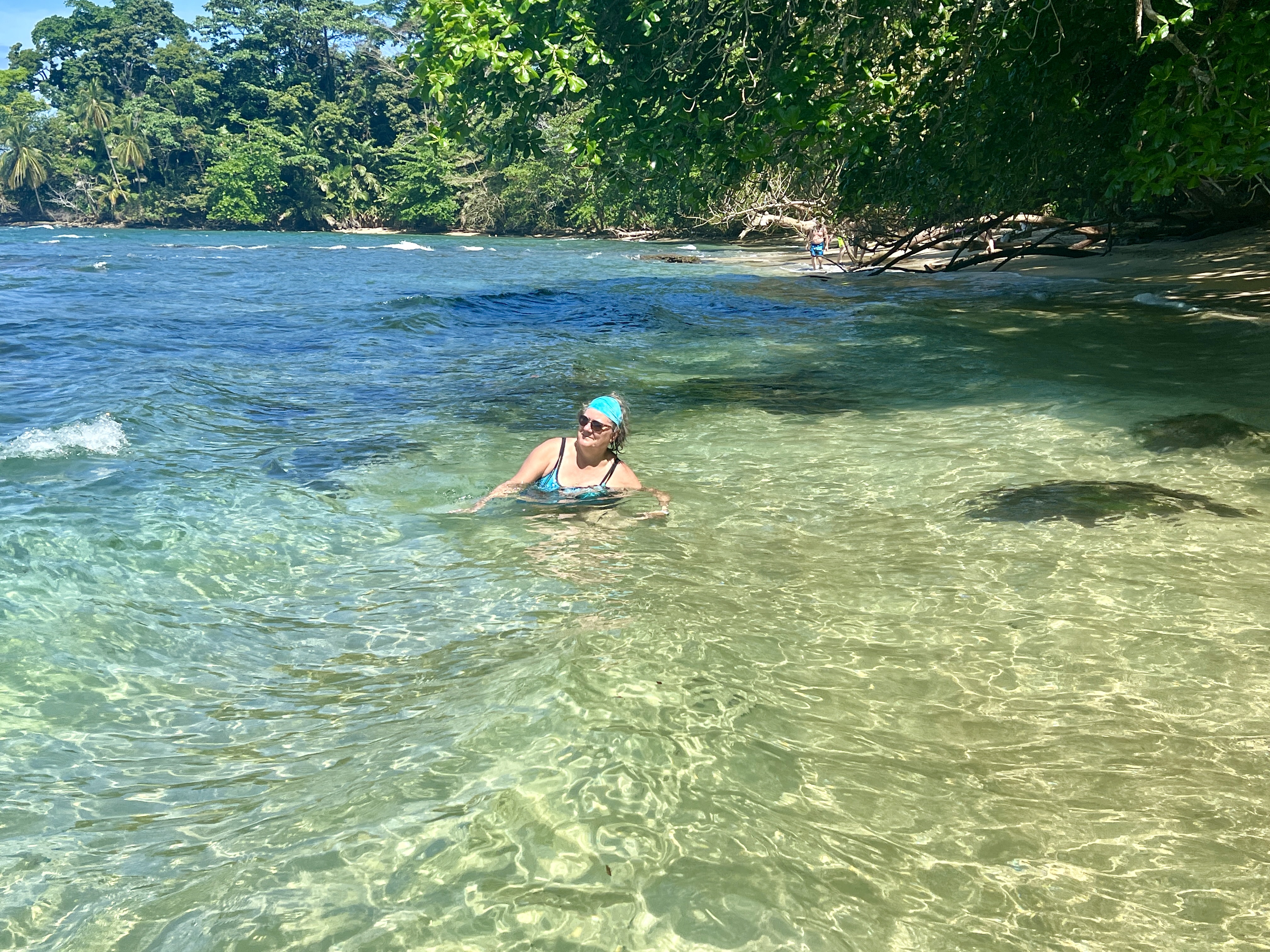
A half-day drive out of the city and through mountain forests took us to Puerto Limon, after which we headed straight south through the tropical Caribbean villages that line the coast all the way to the Panama border.
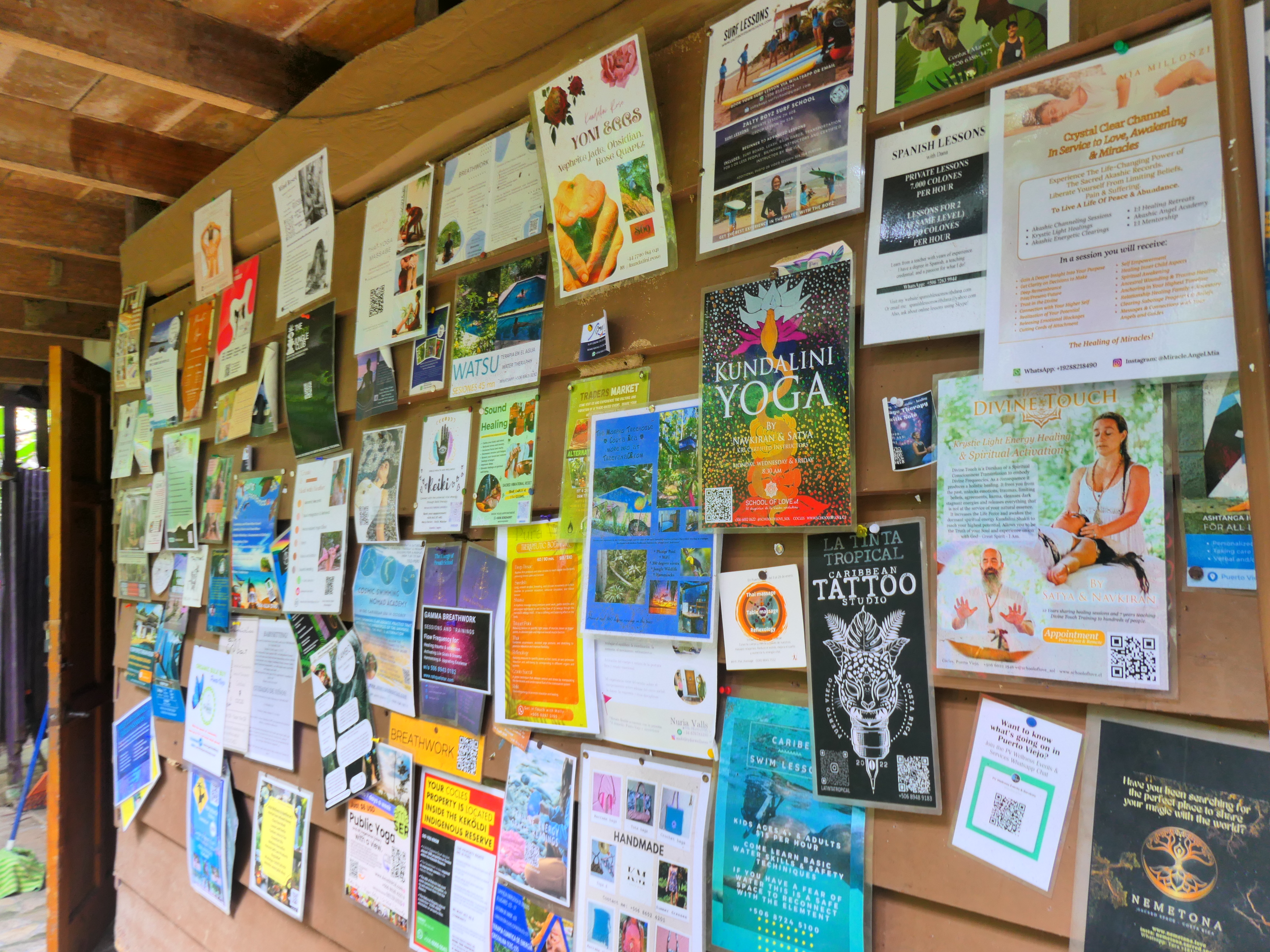
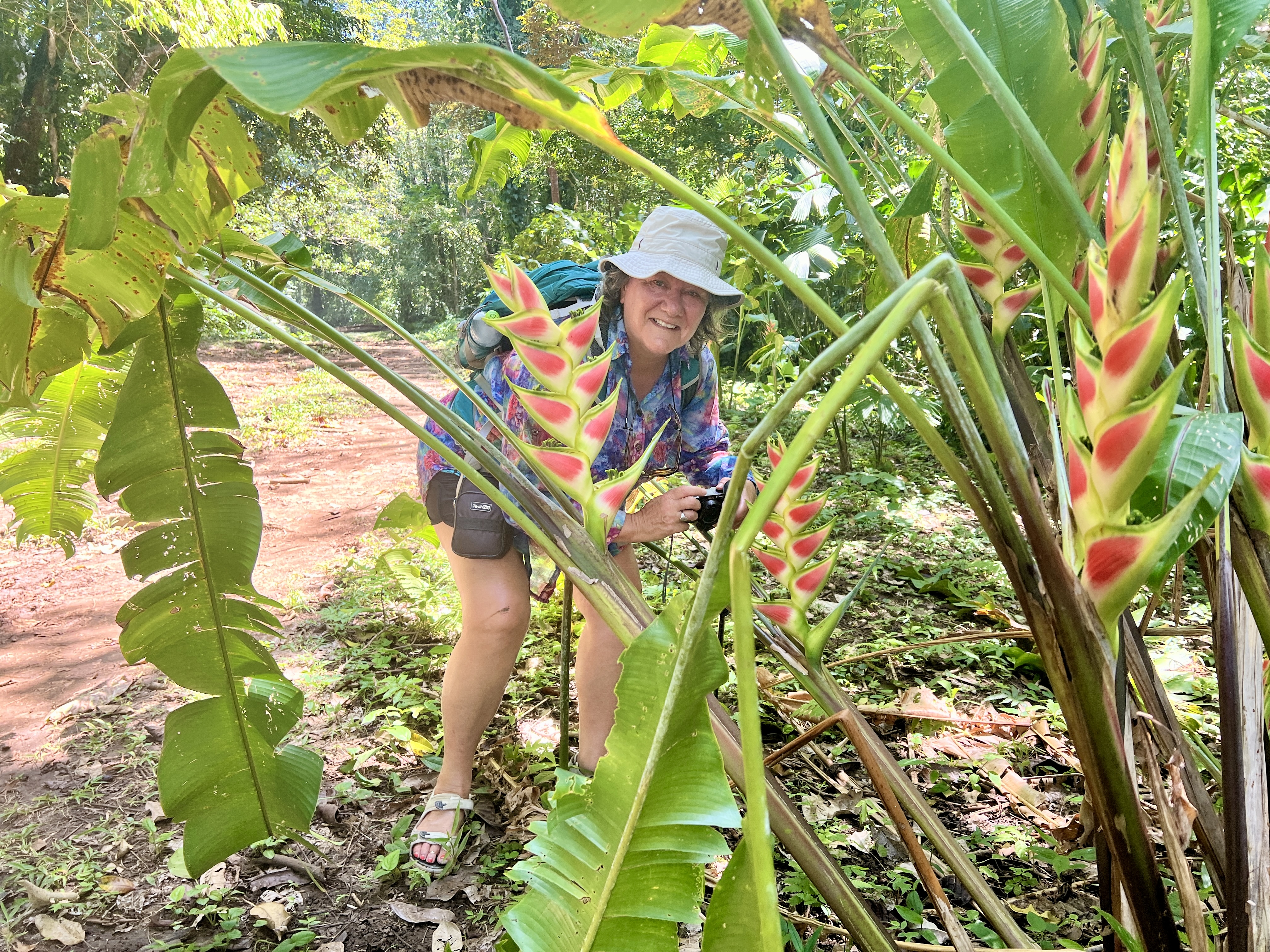
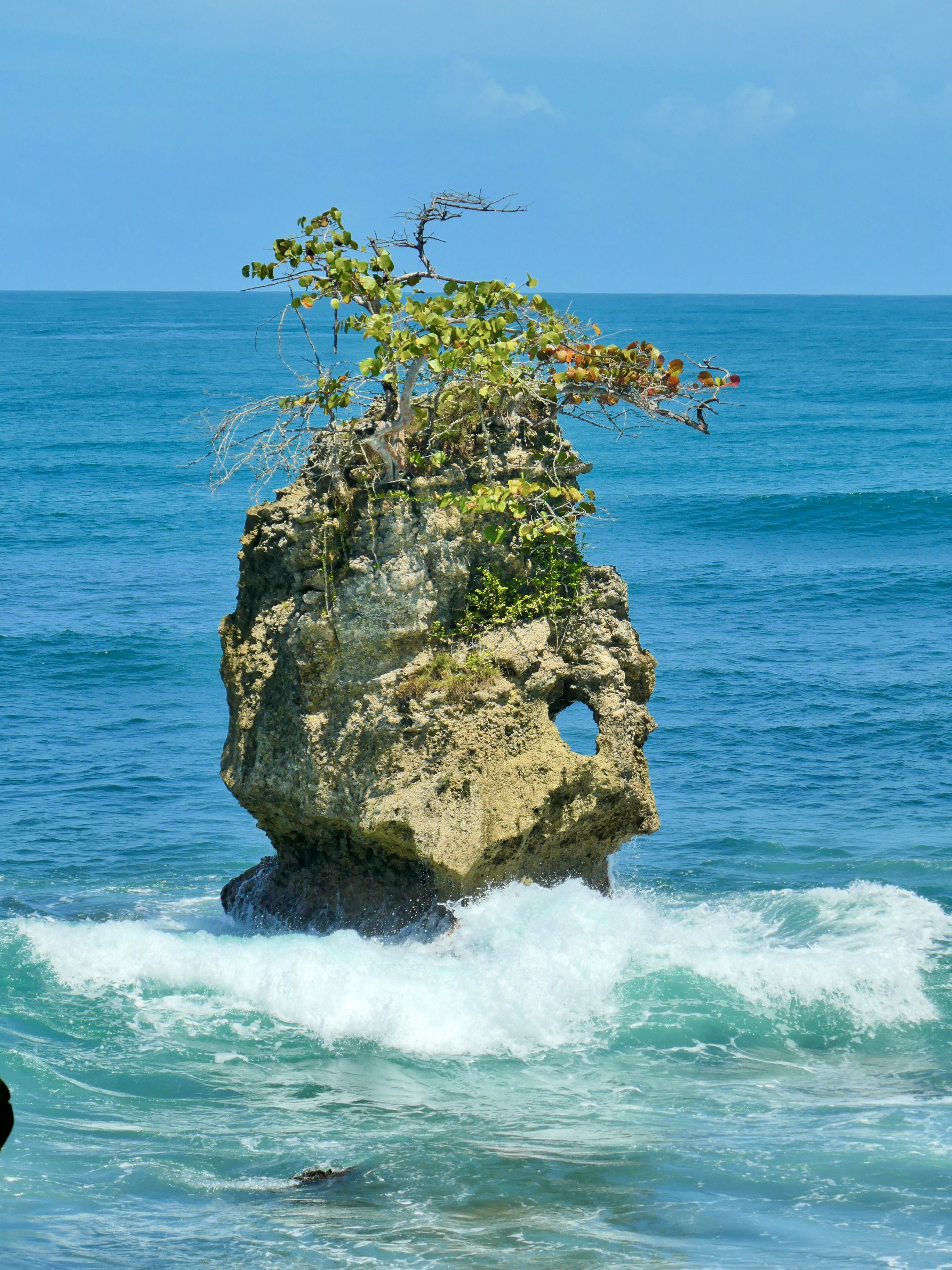
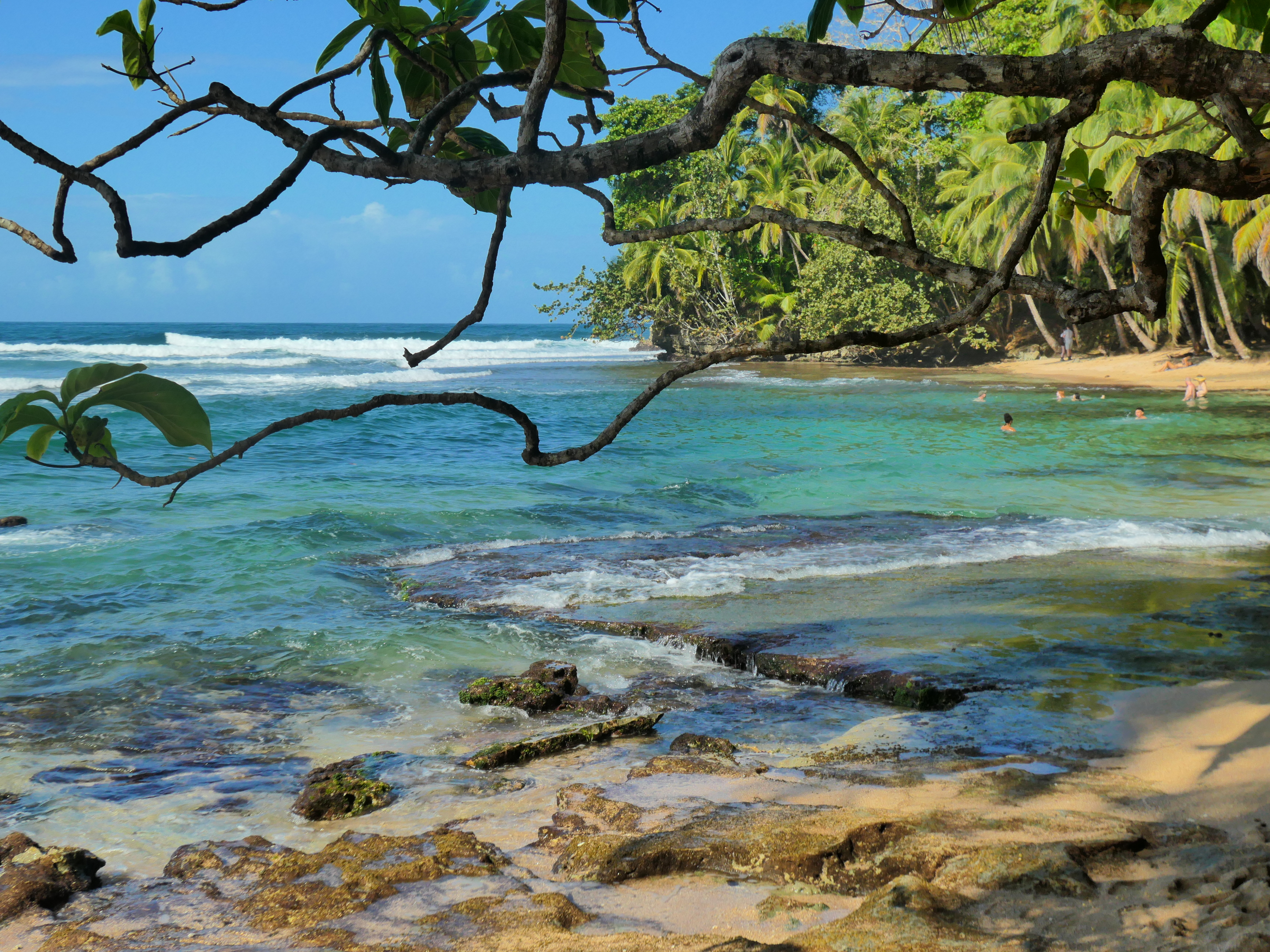
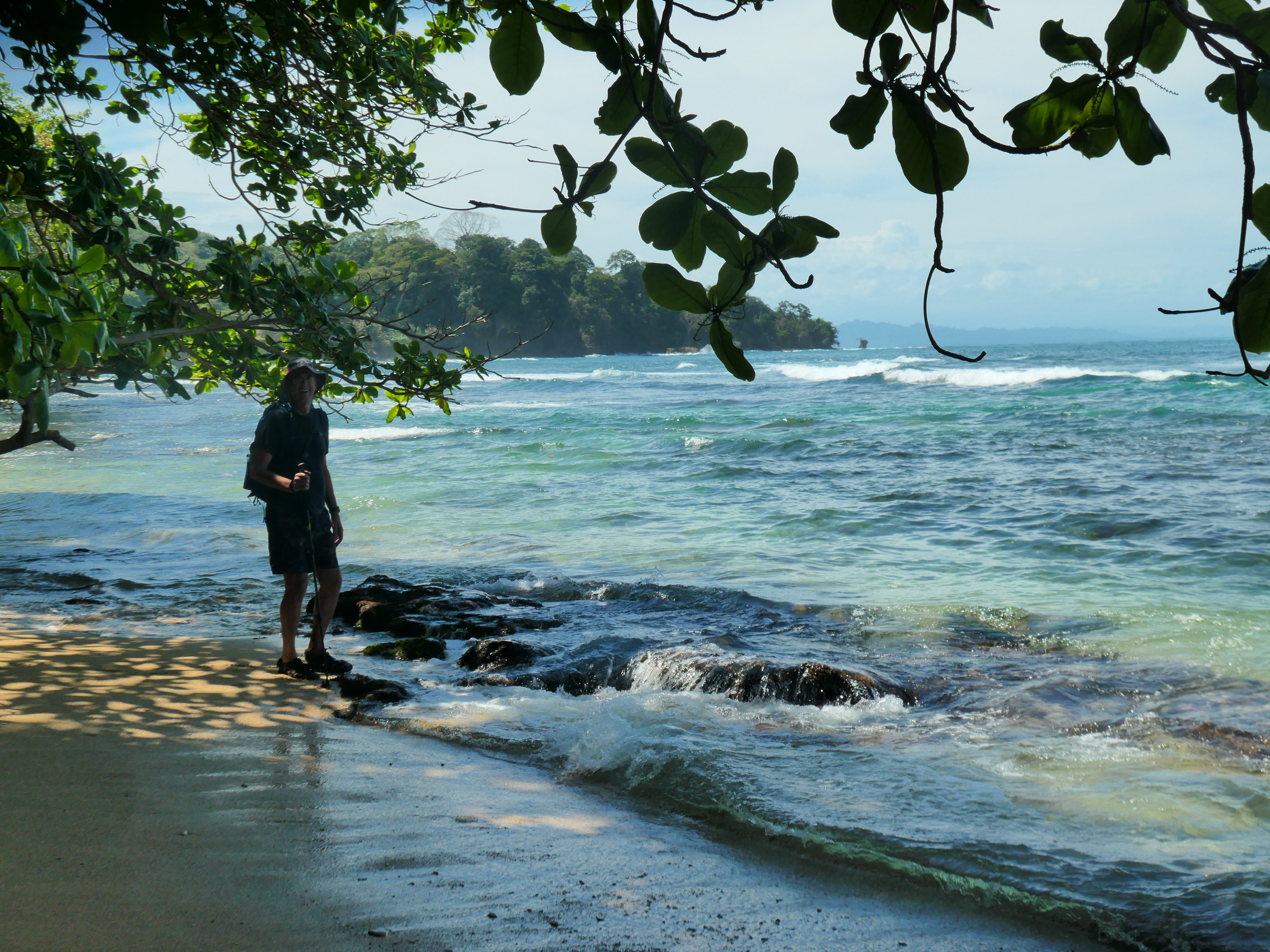
PUERTO VIEJO DE SALAMANCA: our home base for a few days where we walked the beach, walked into and around the town centre, checked out some small shops and appreciated the overall hippie vibes.

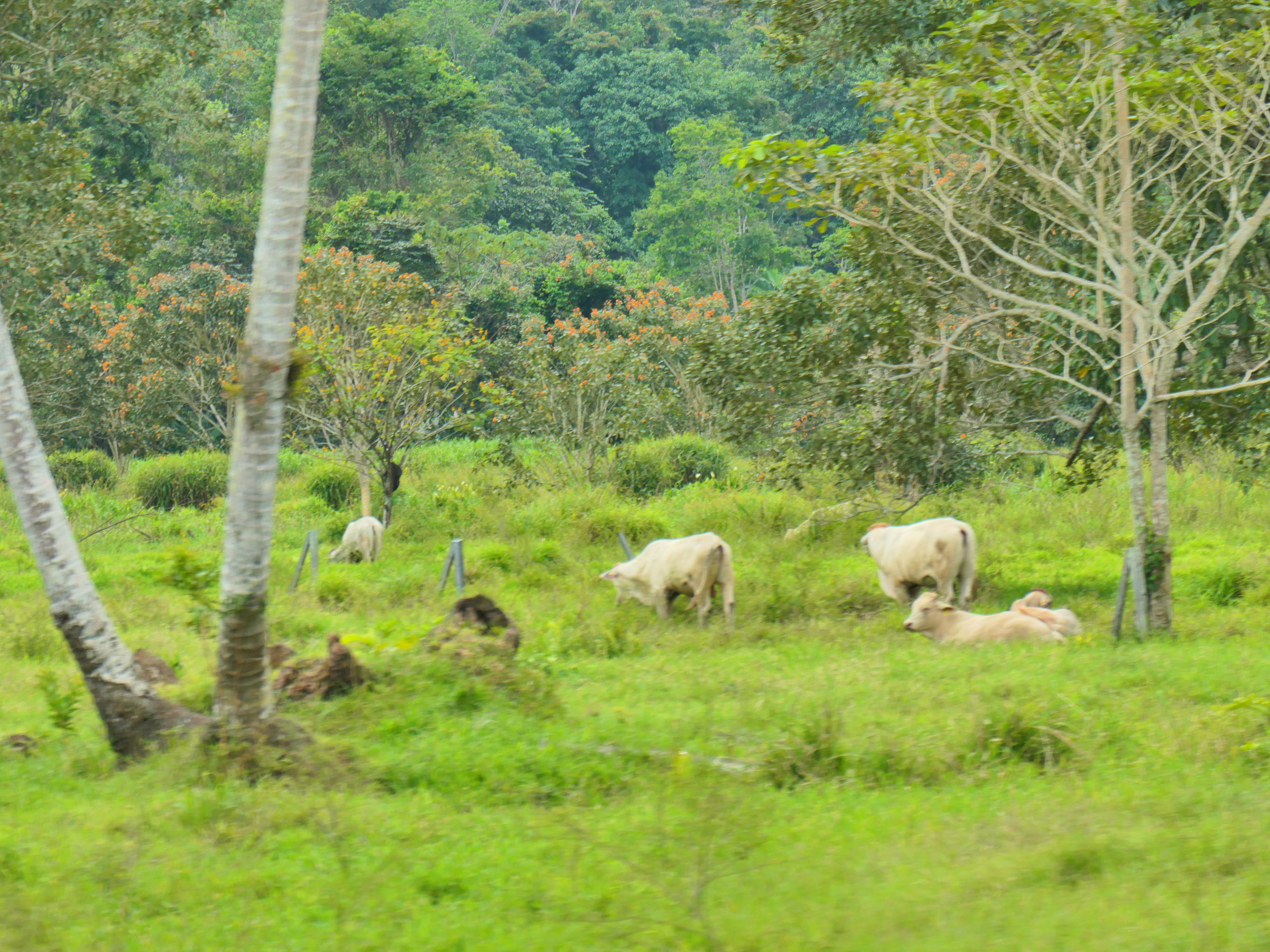
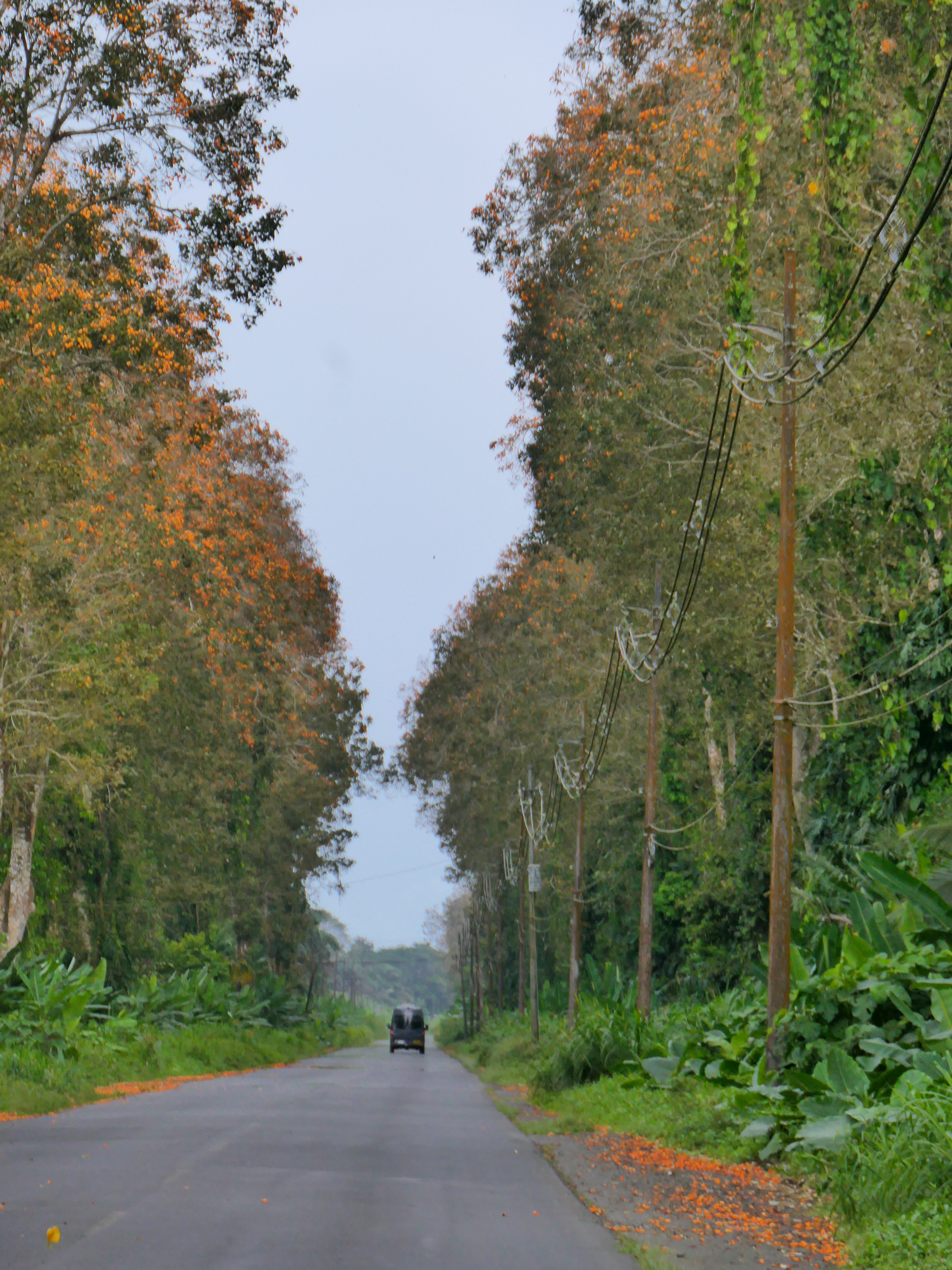

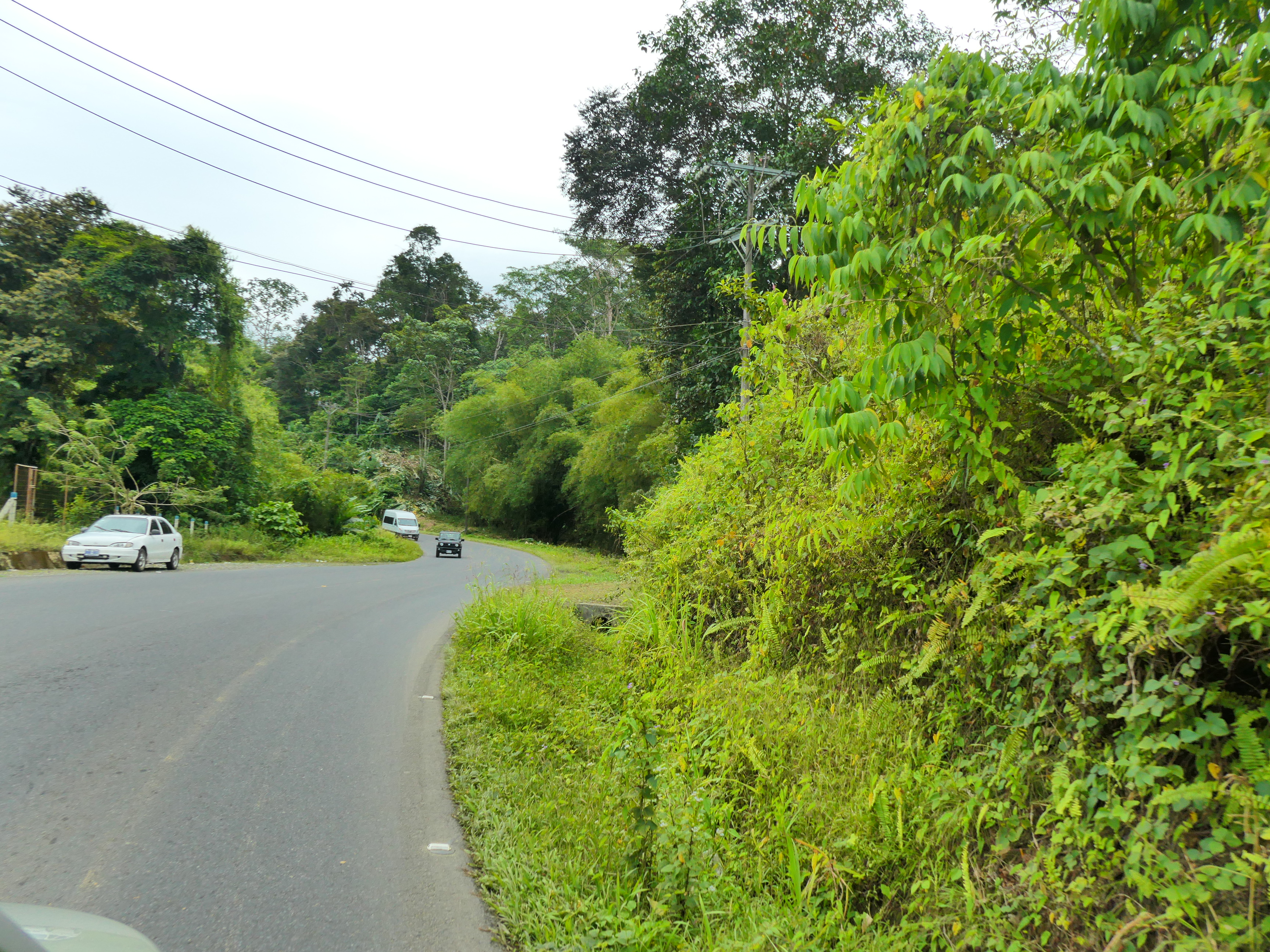
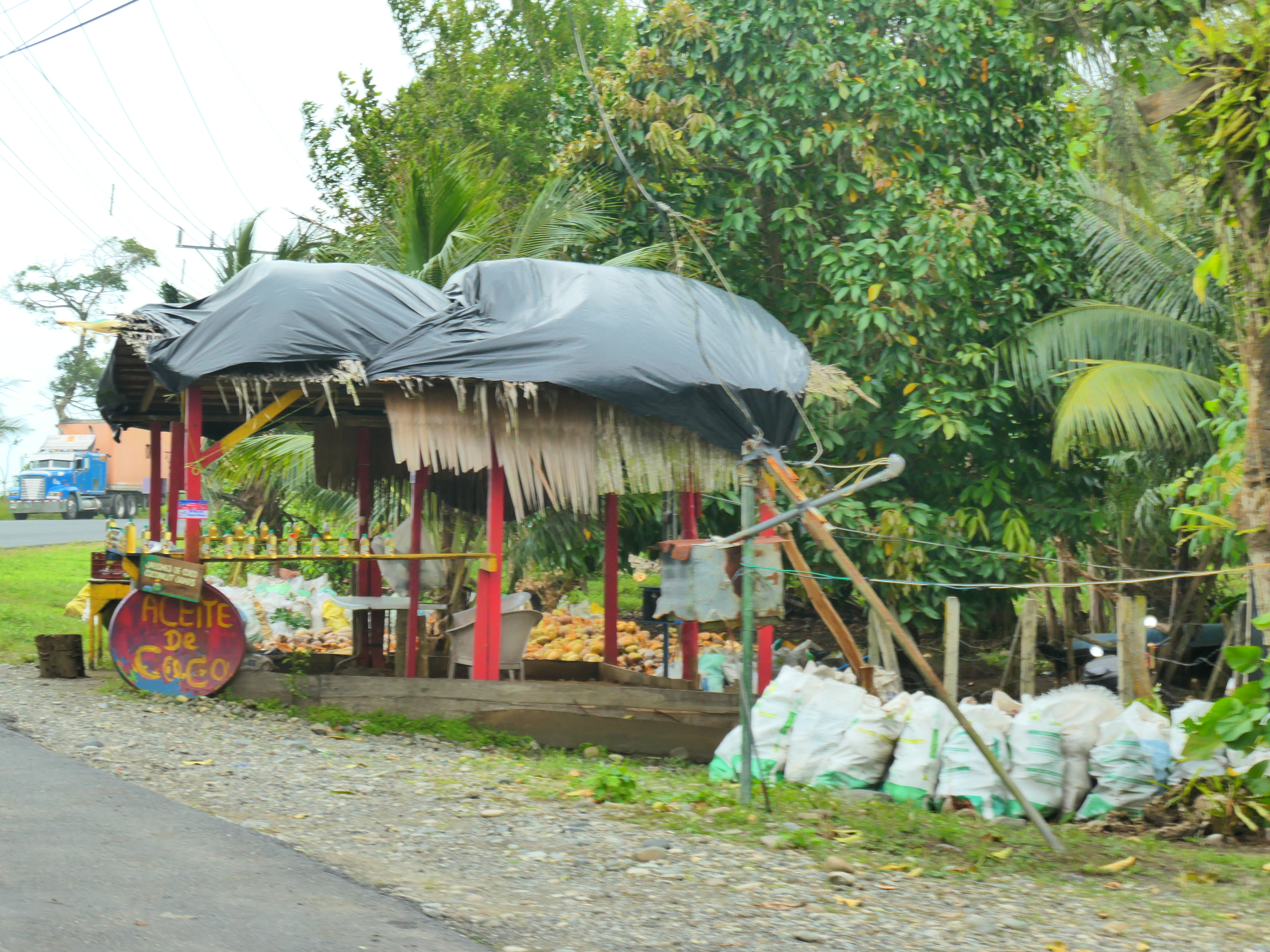
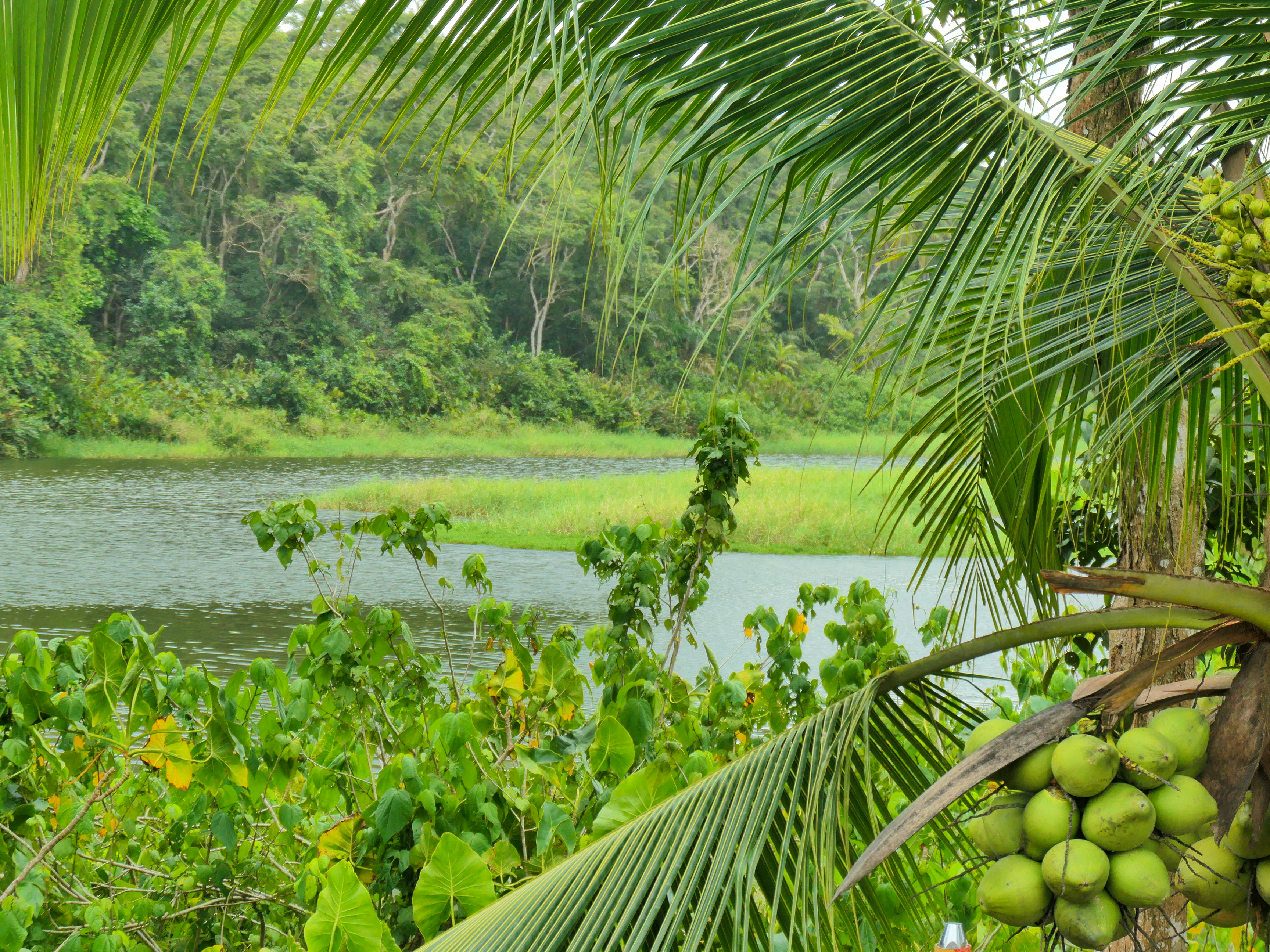


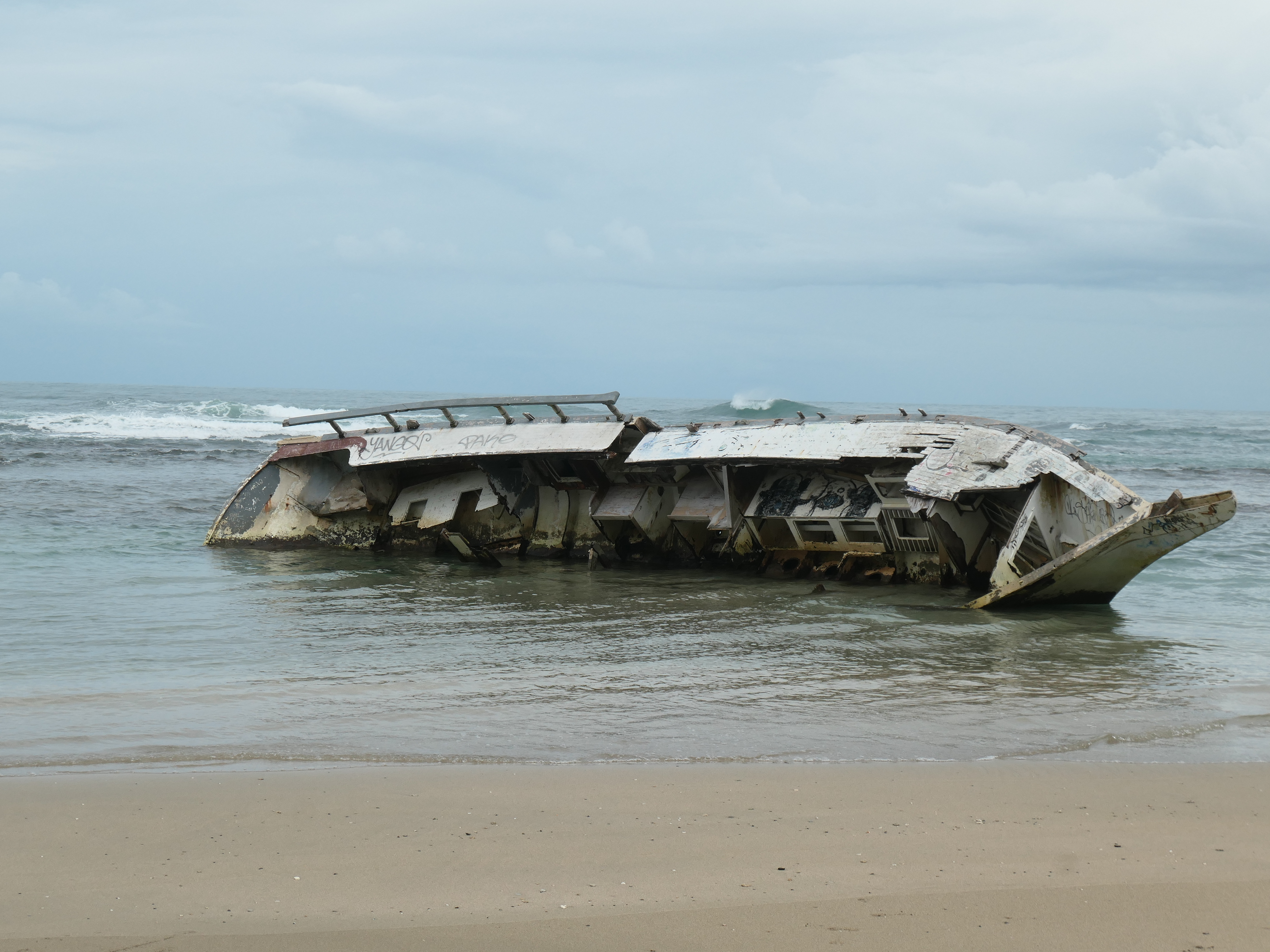


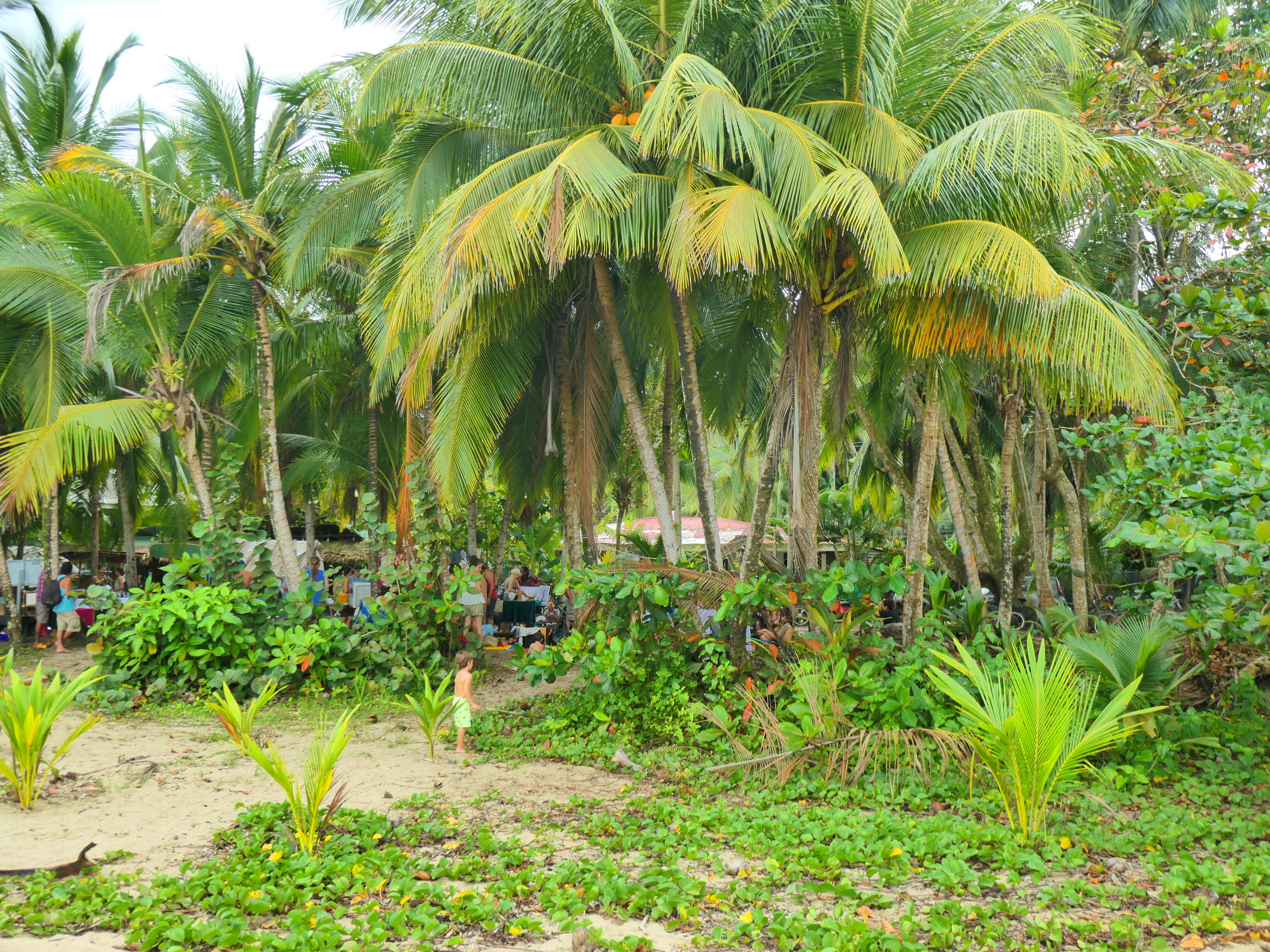

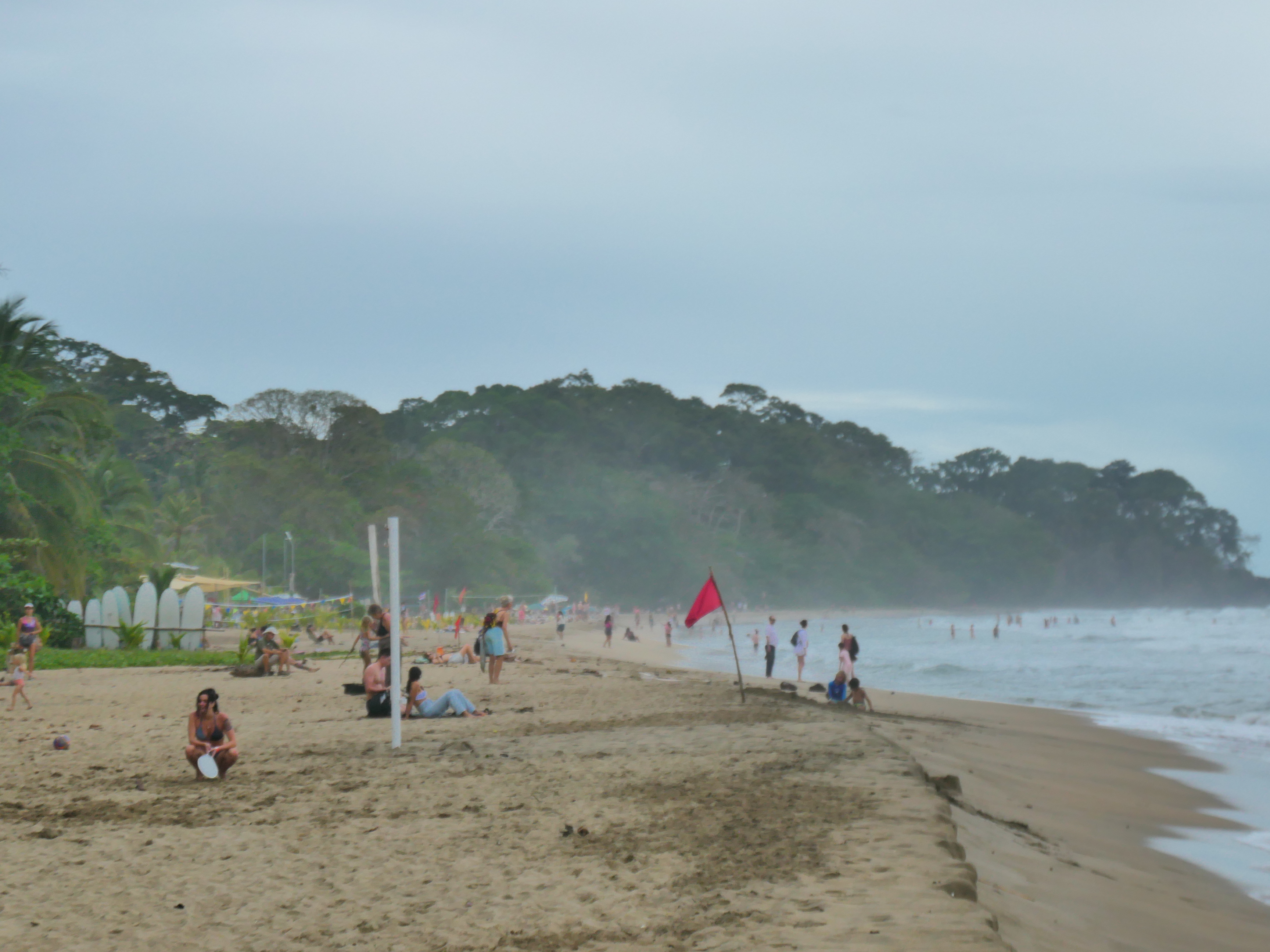
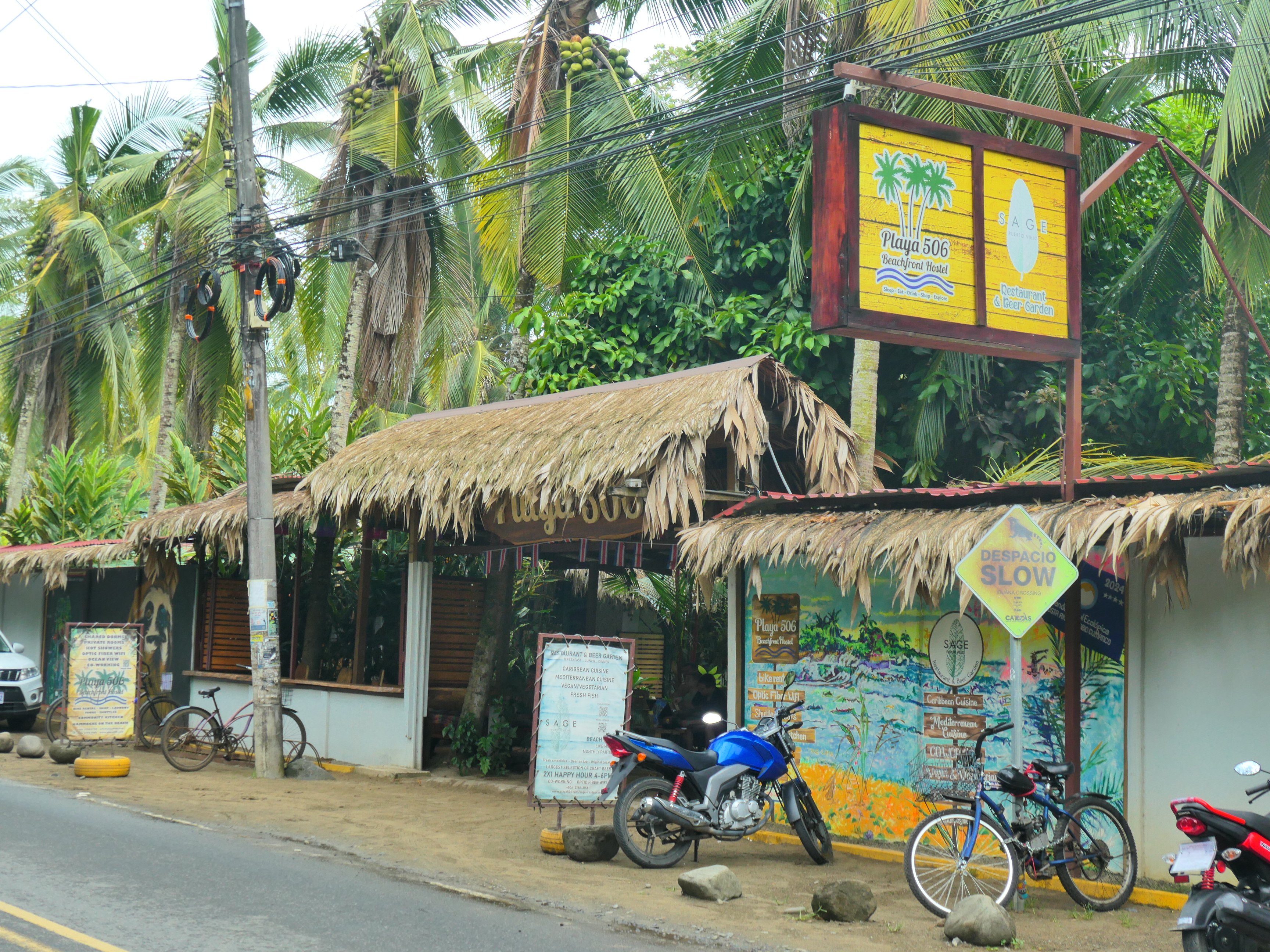
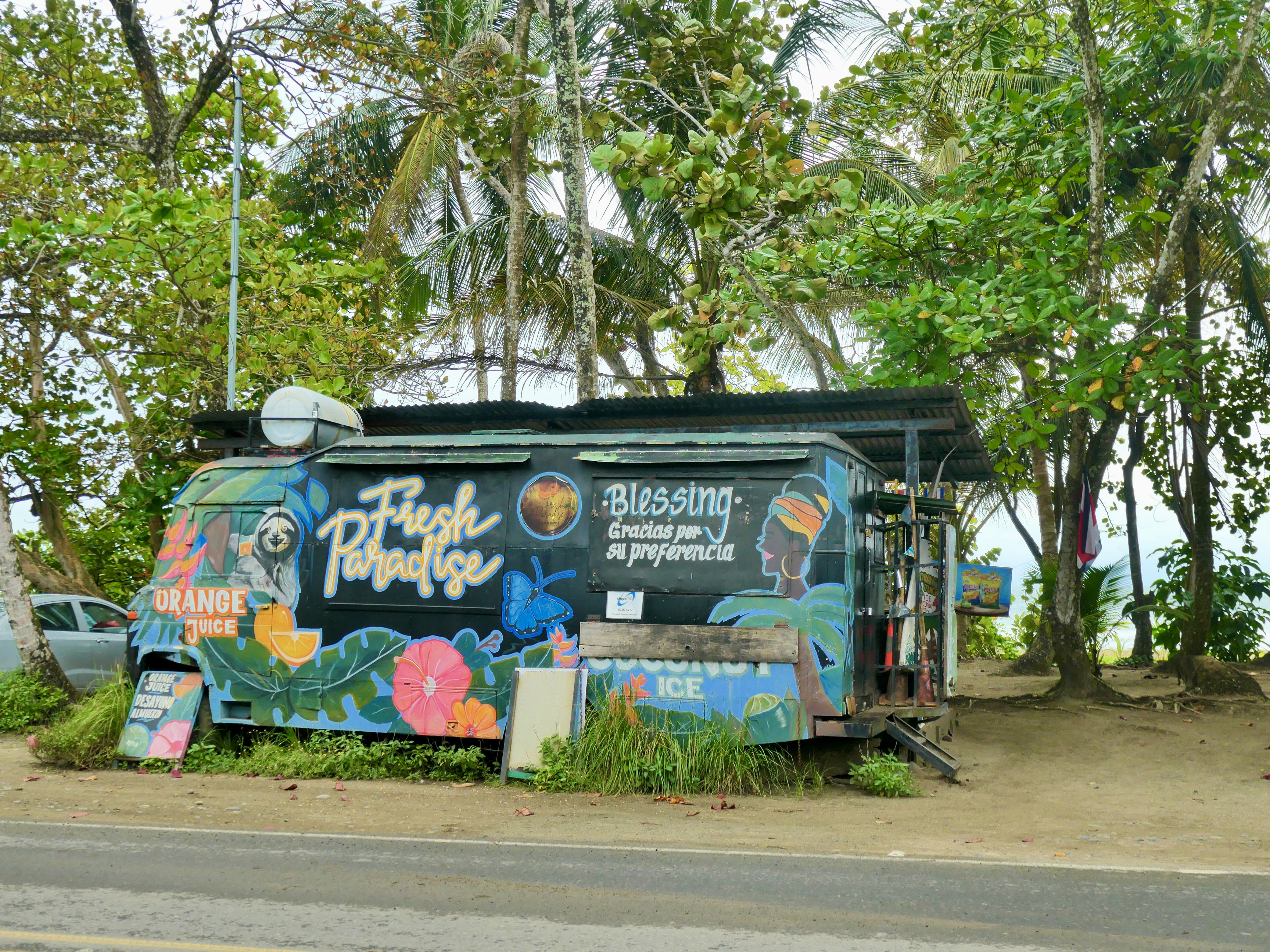

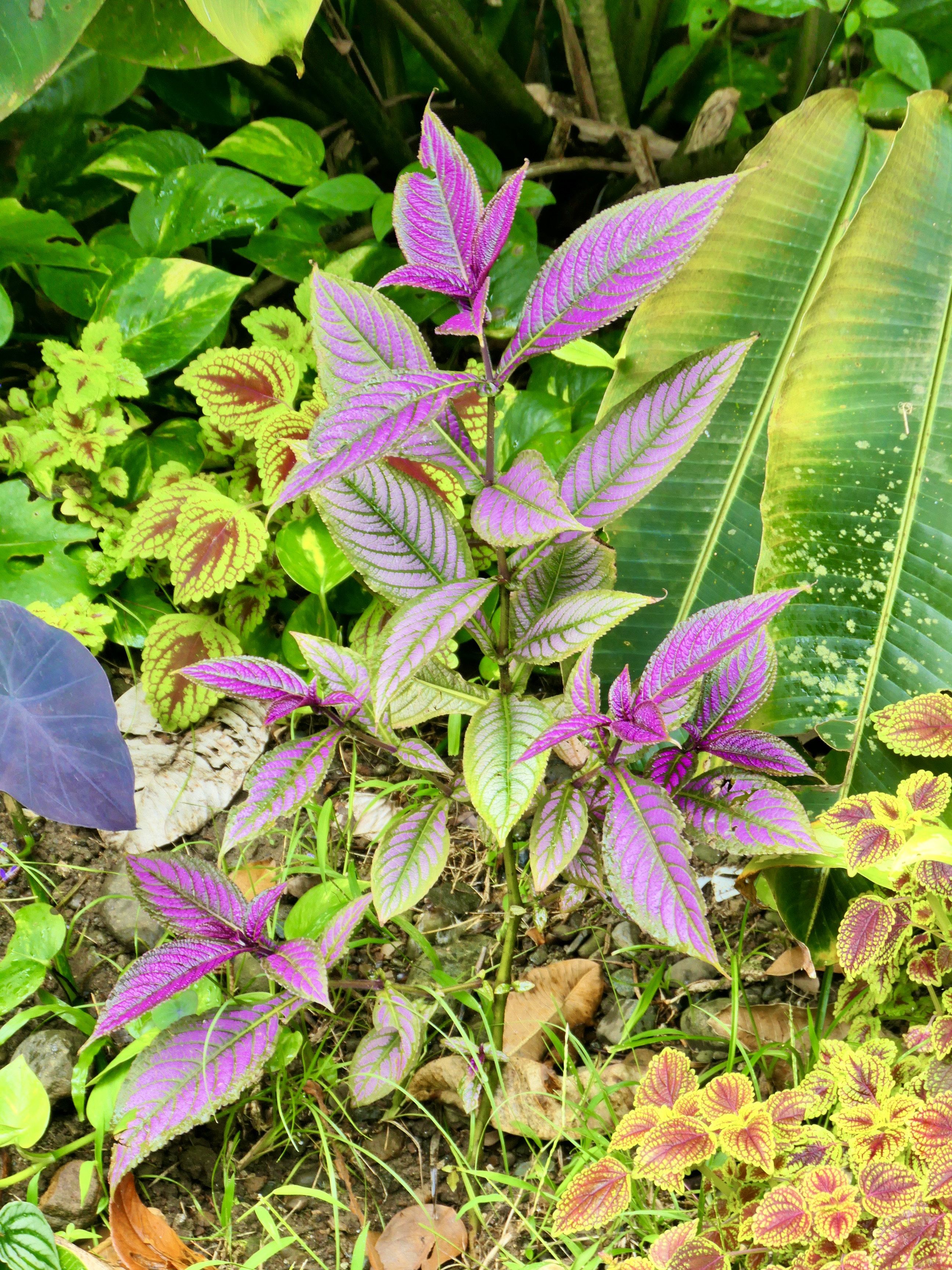

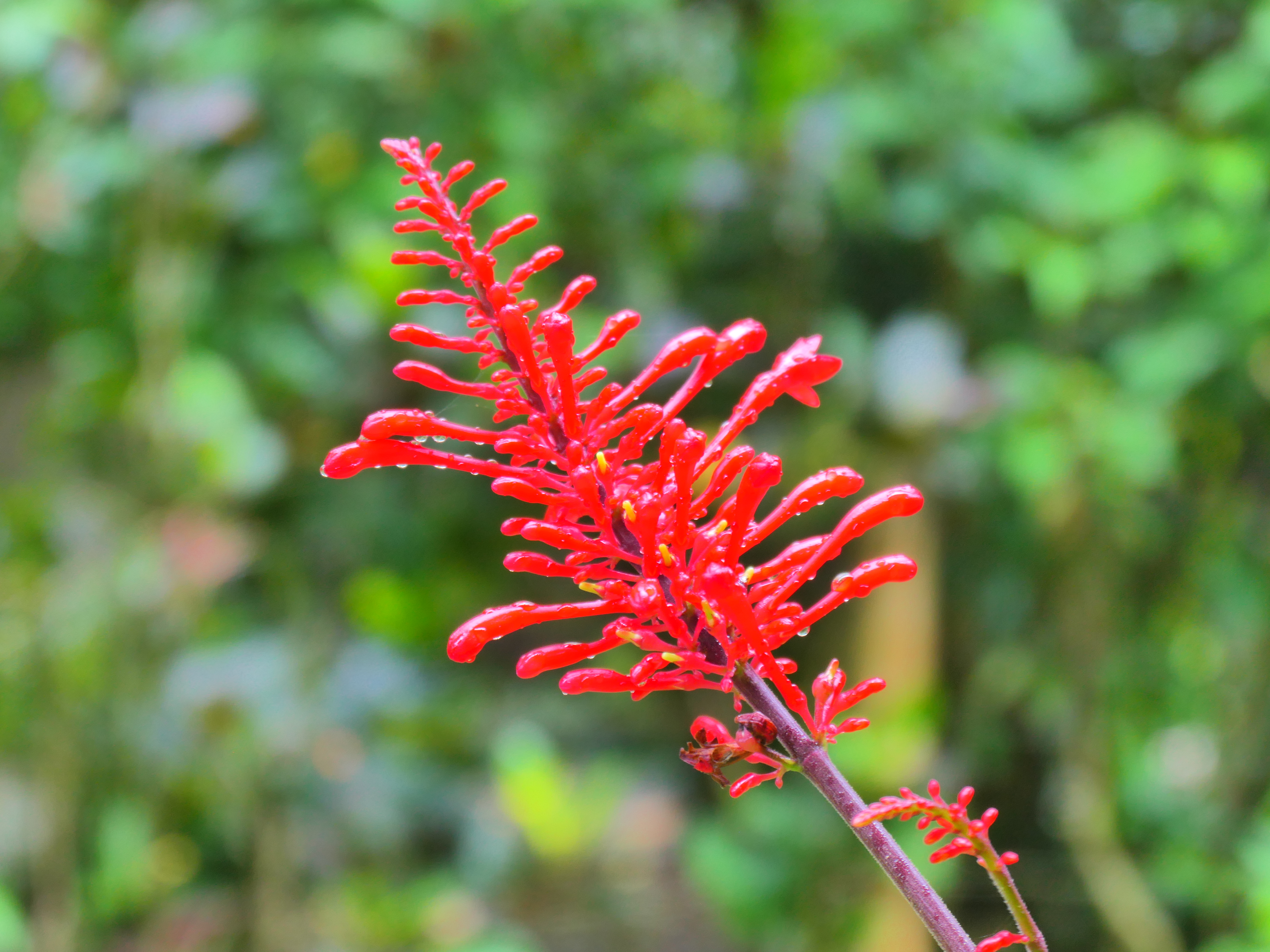
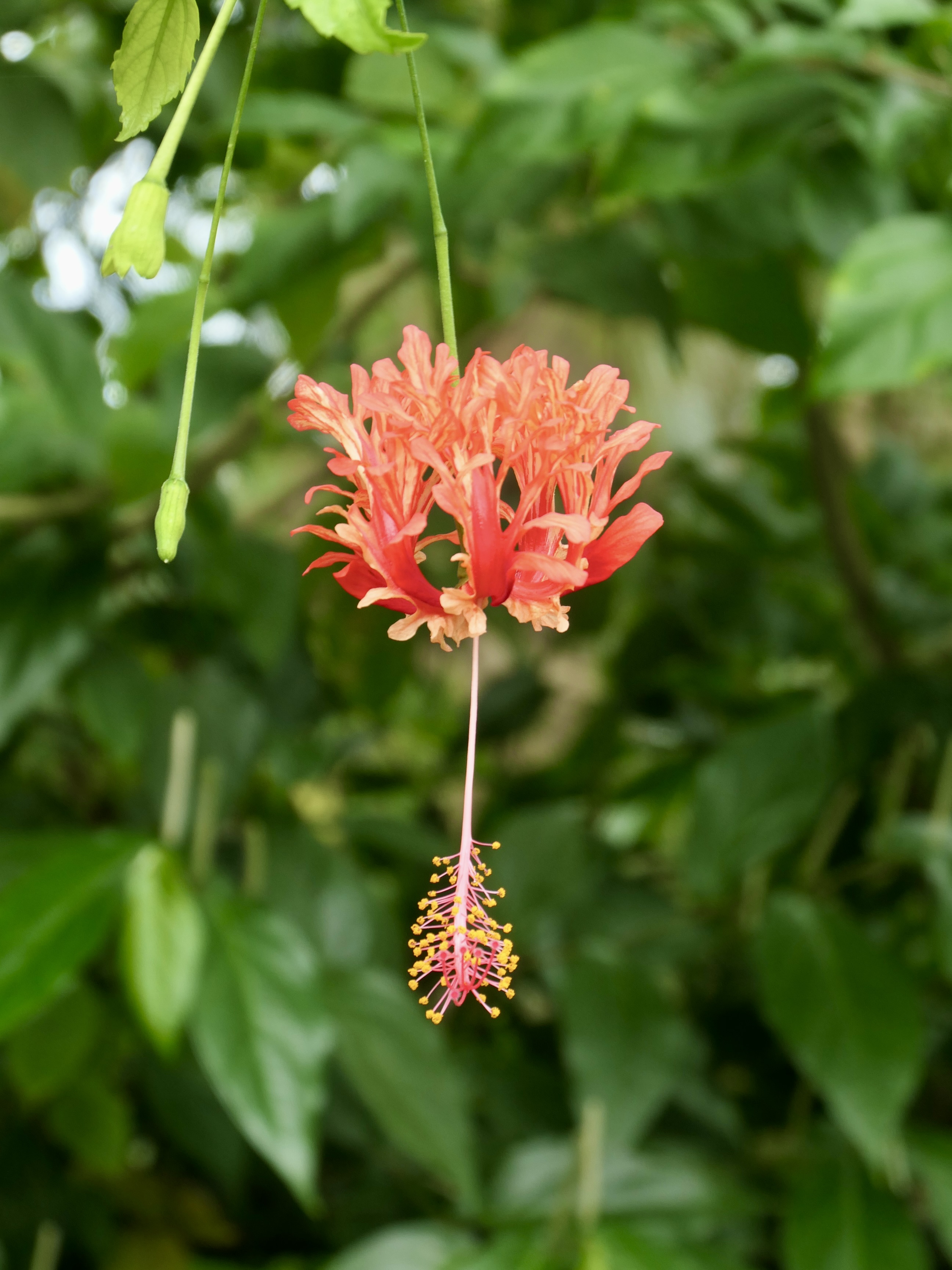
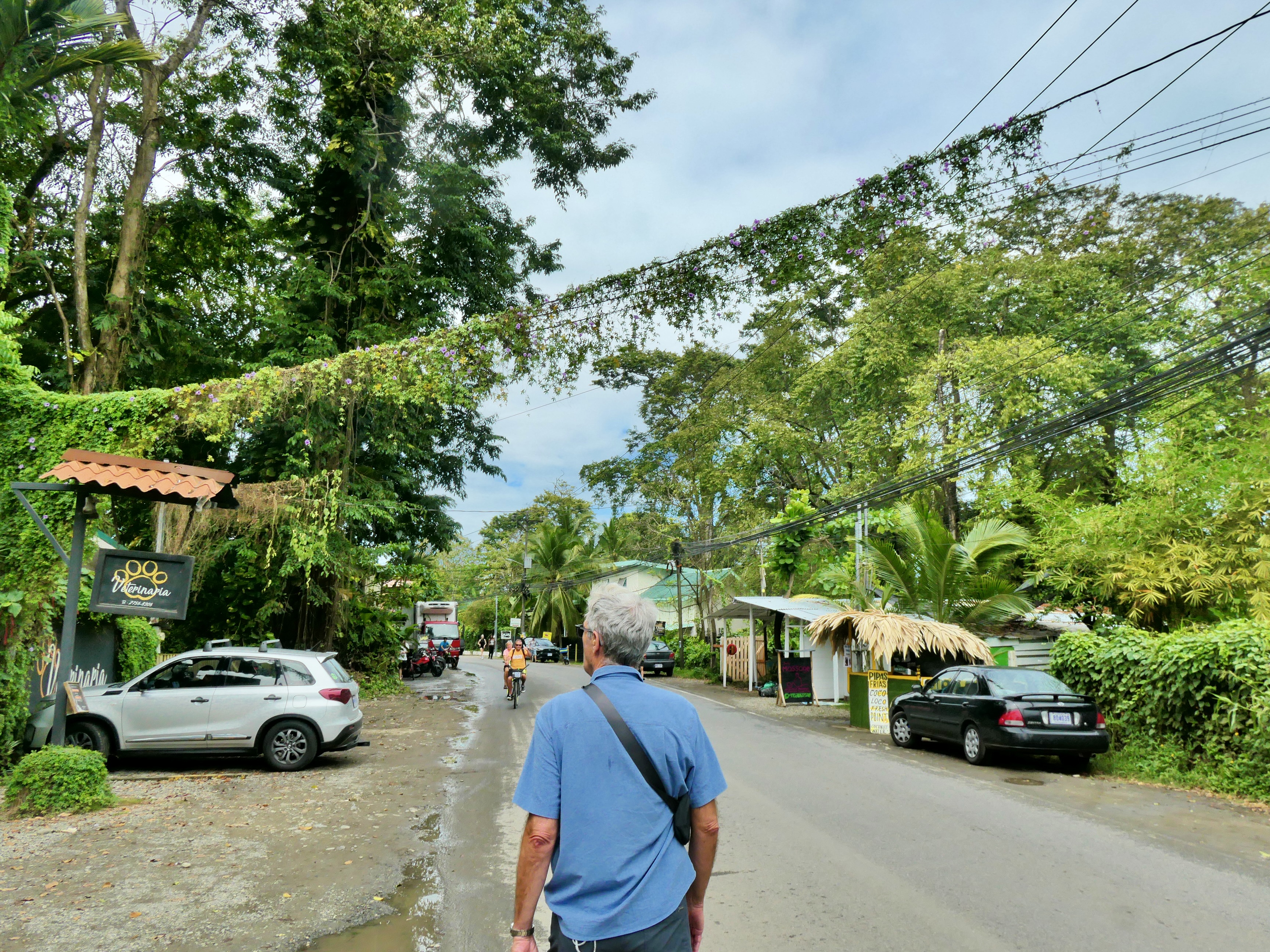



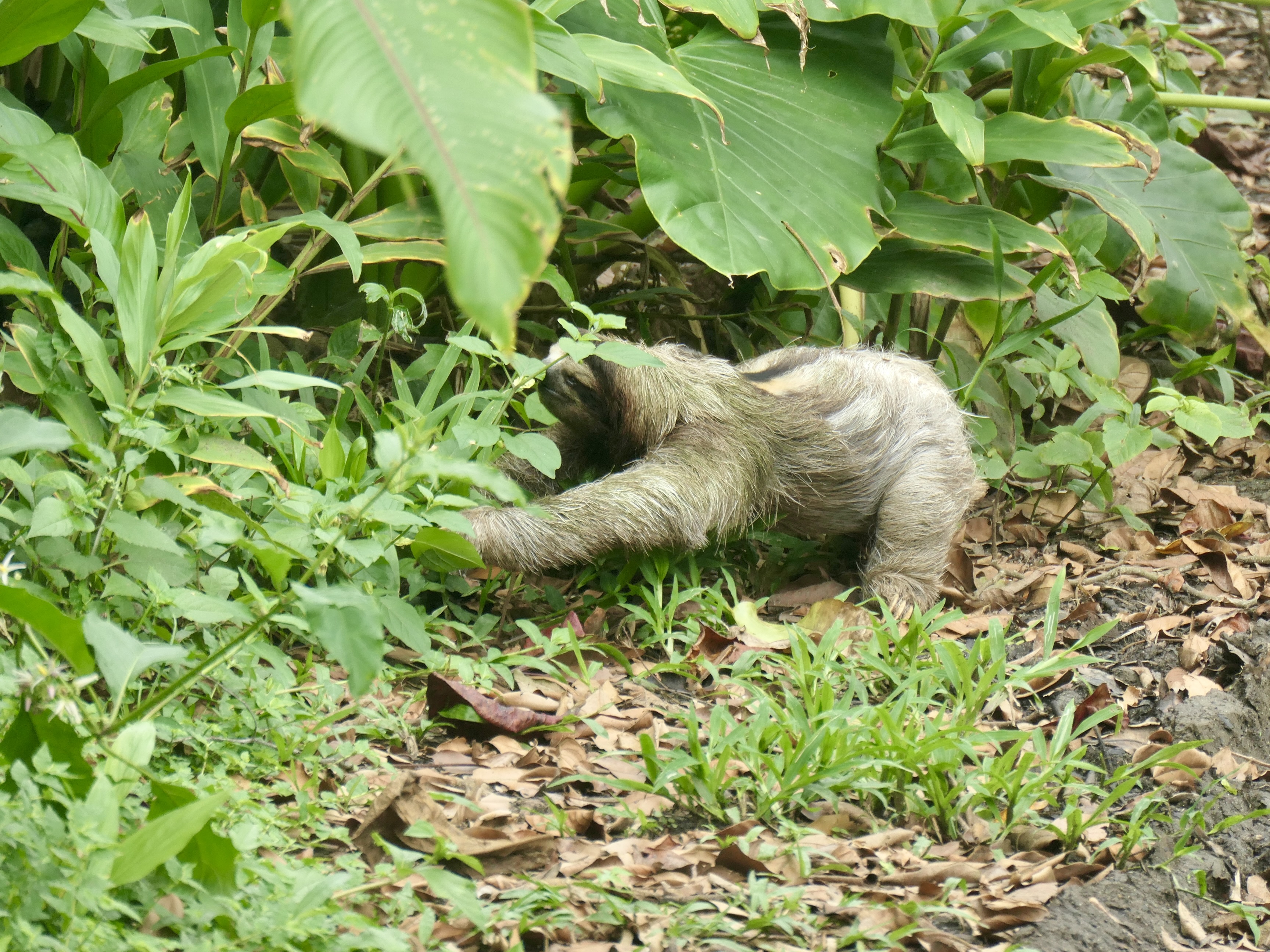


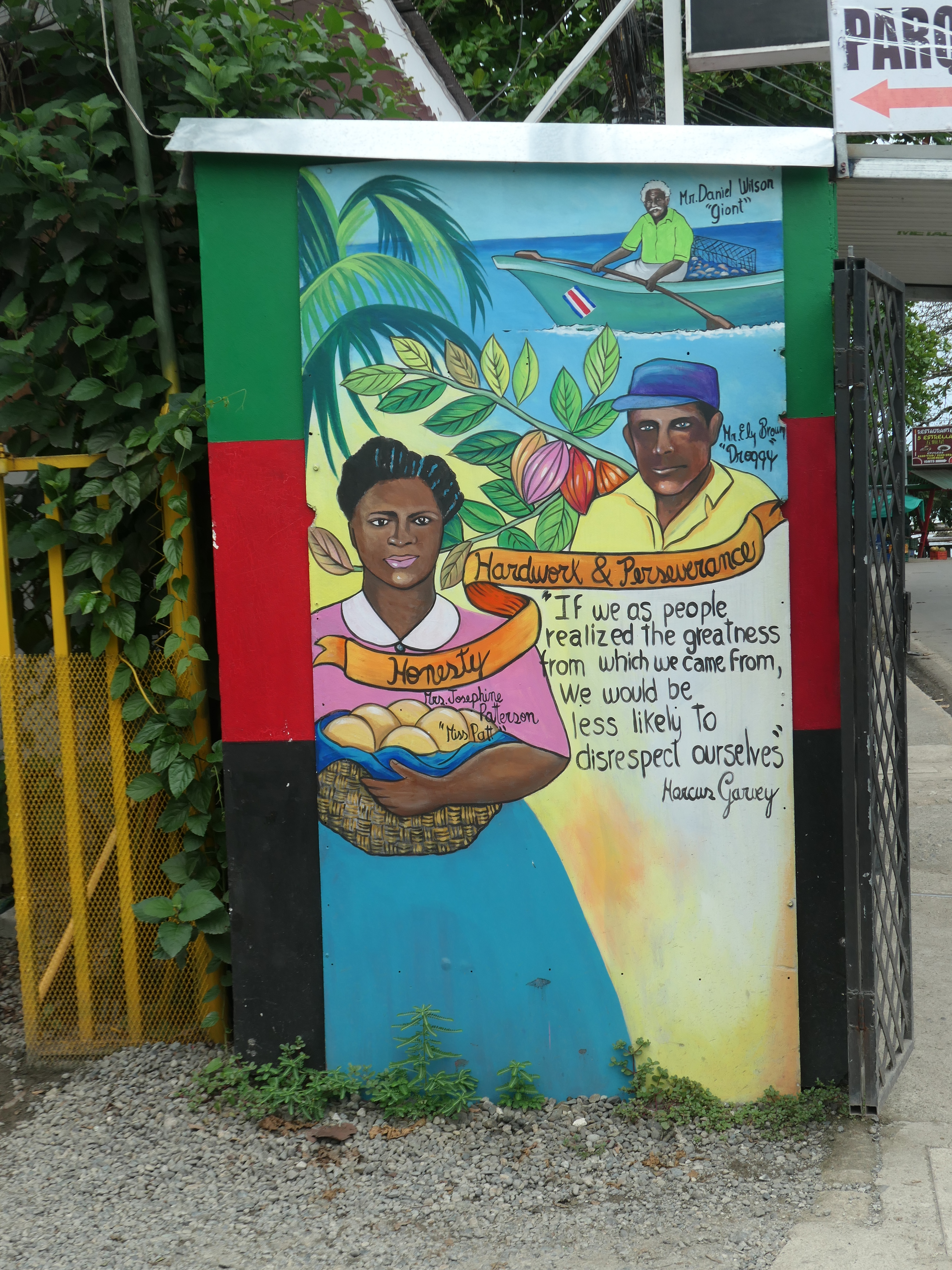

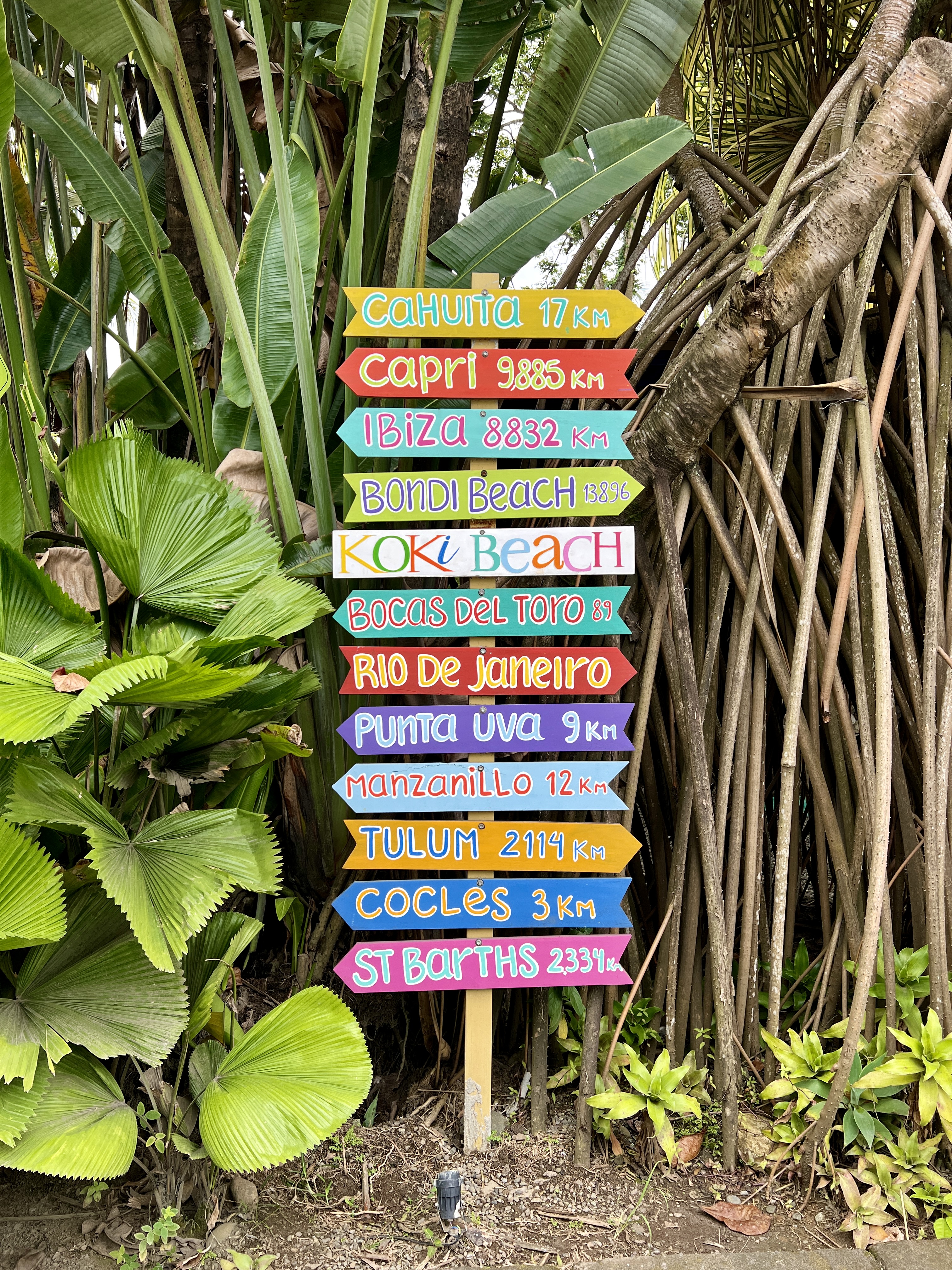
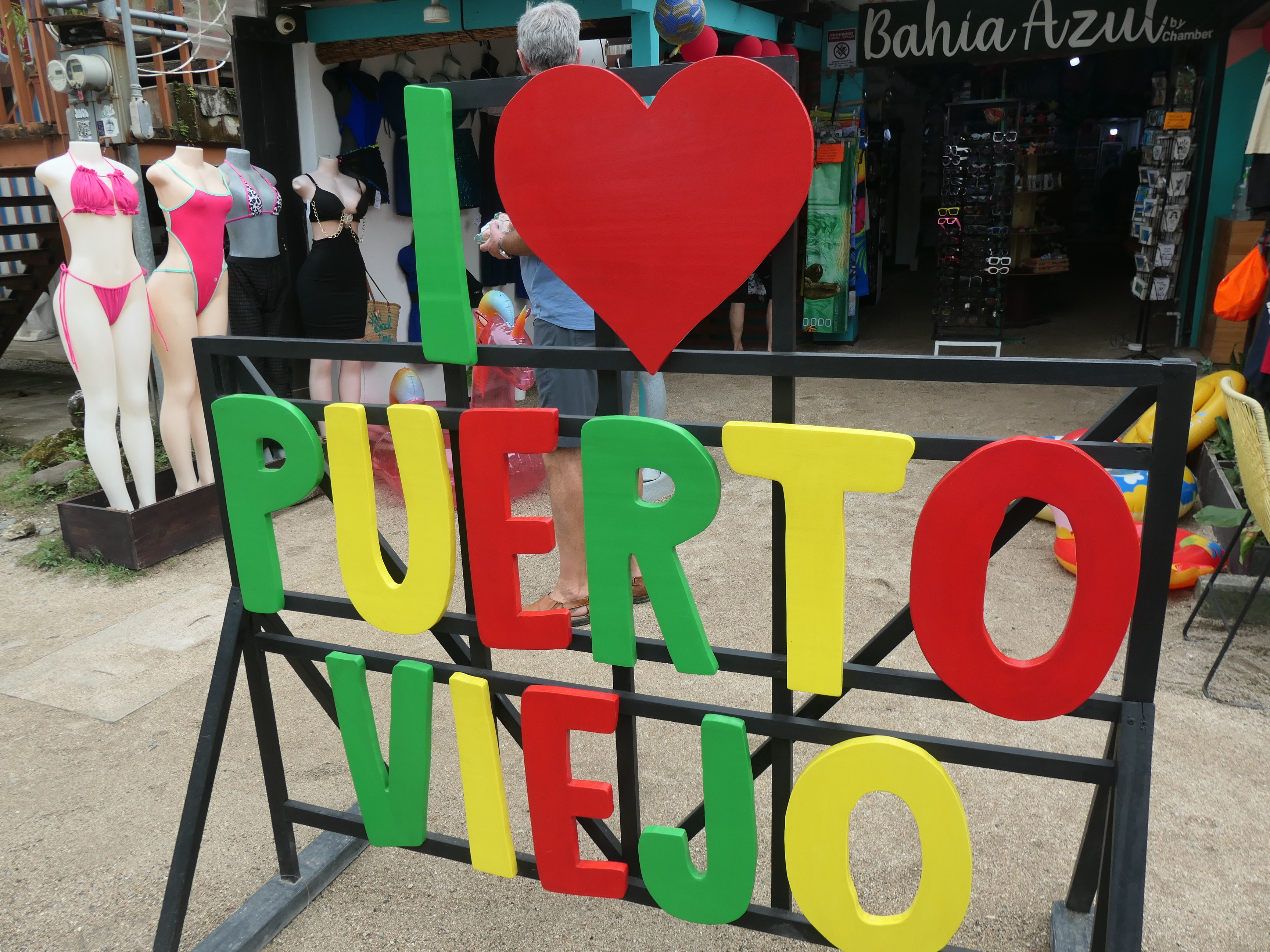
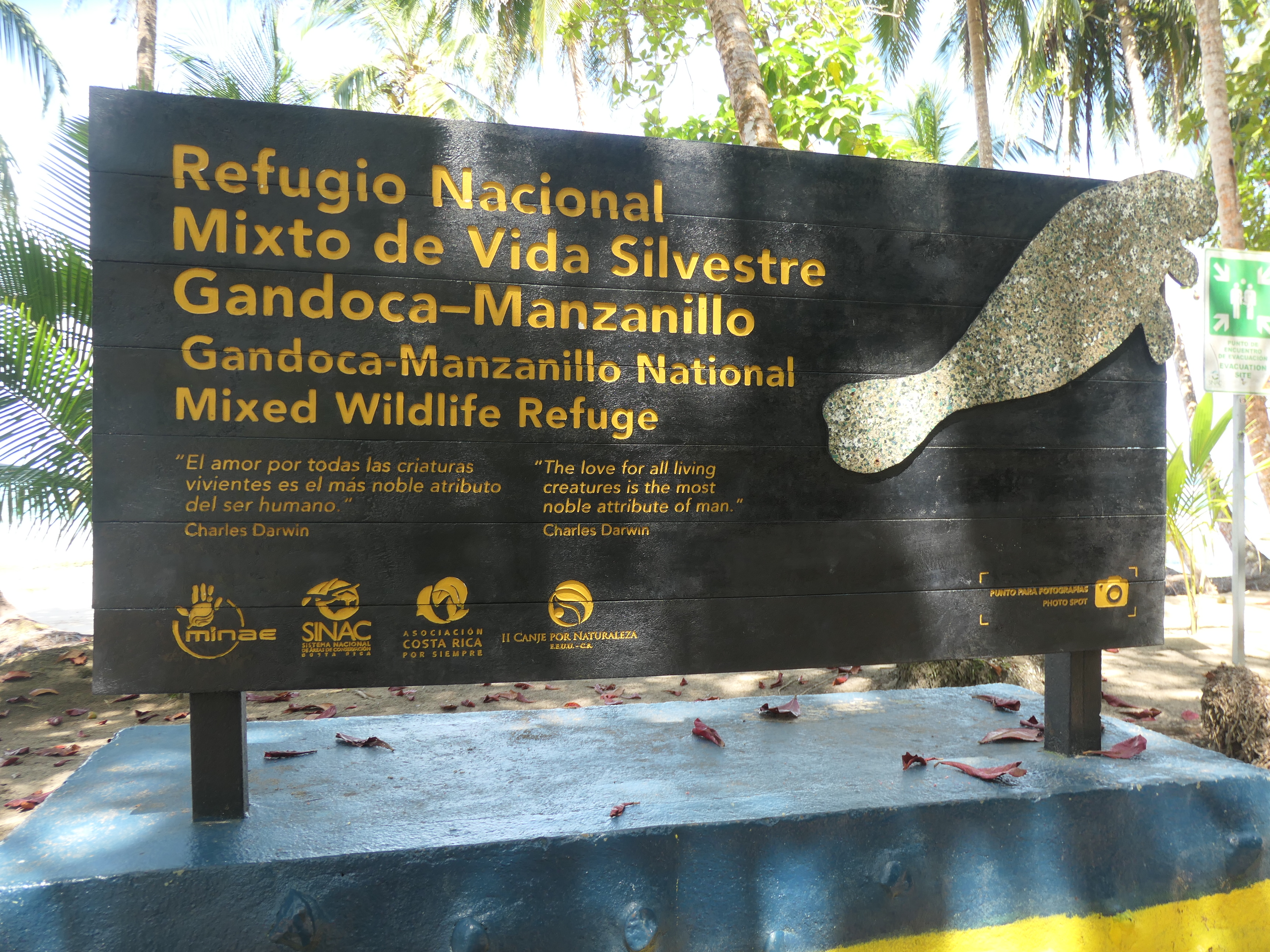
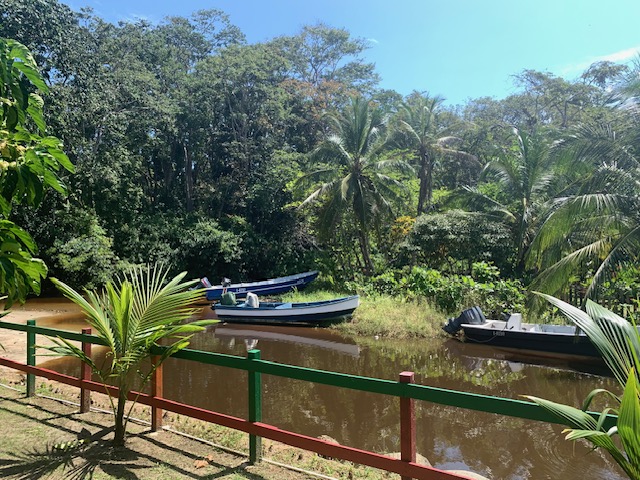
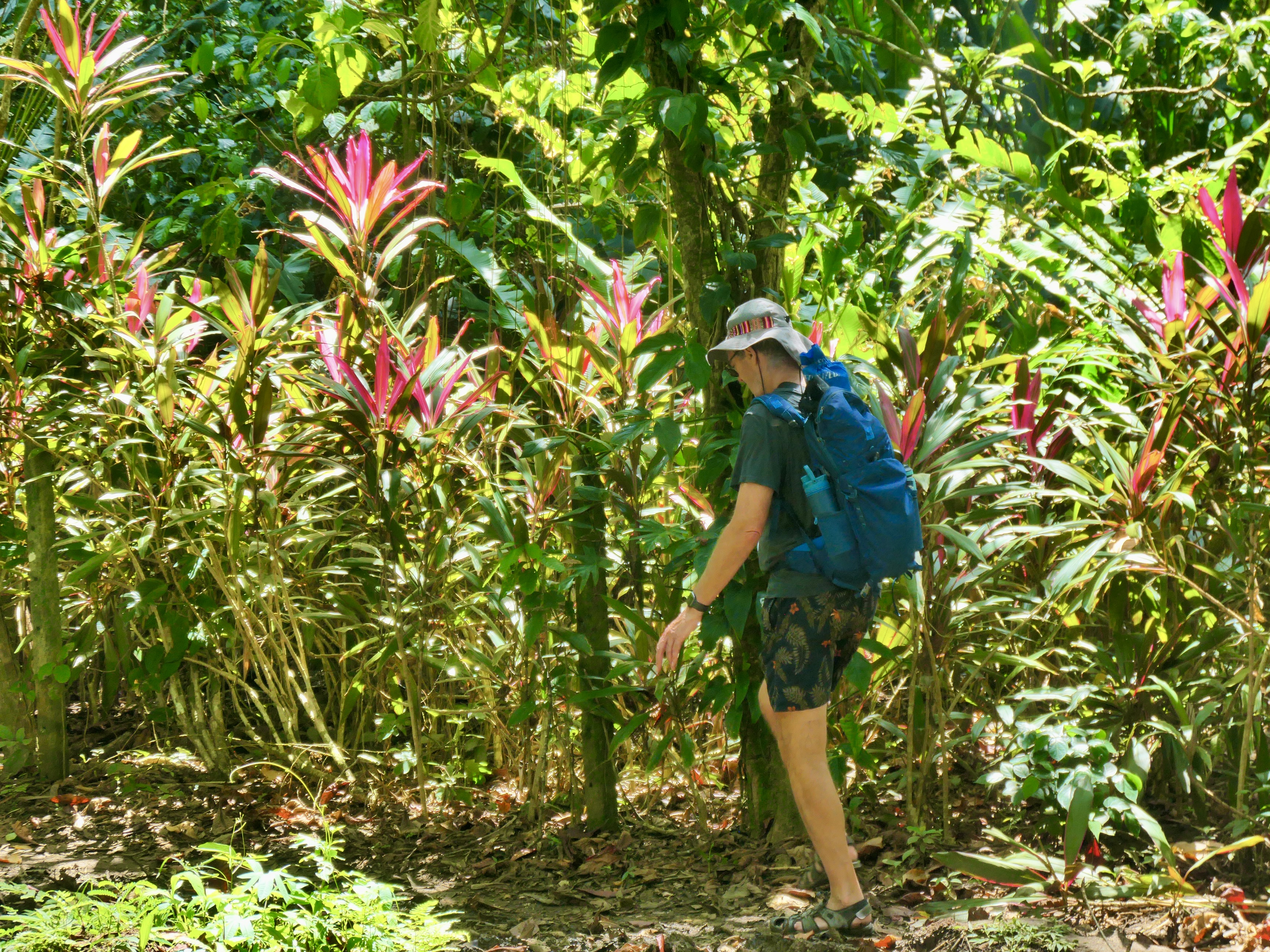
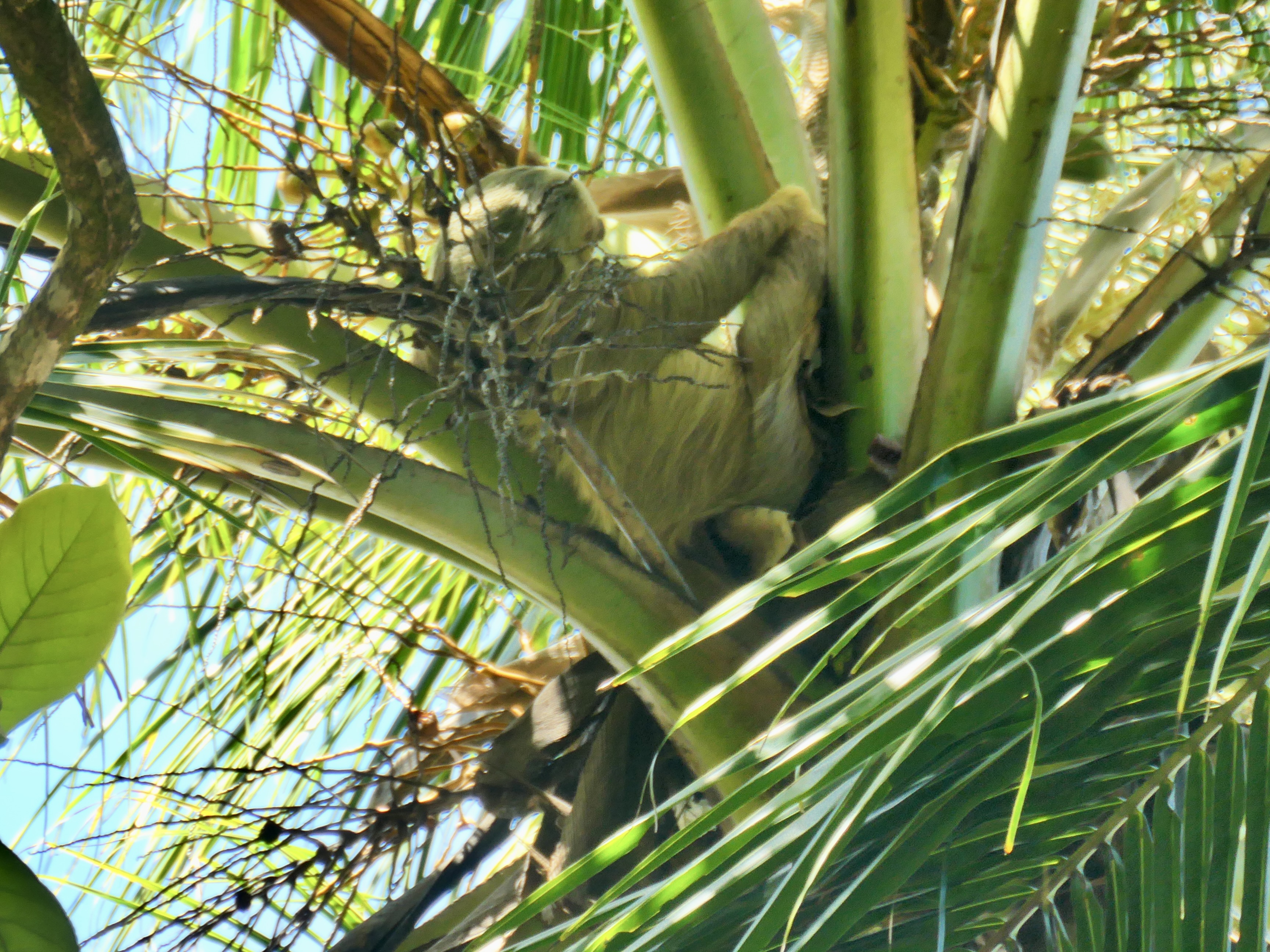
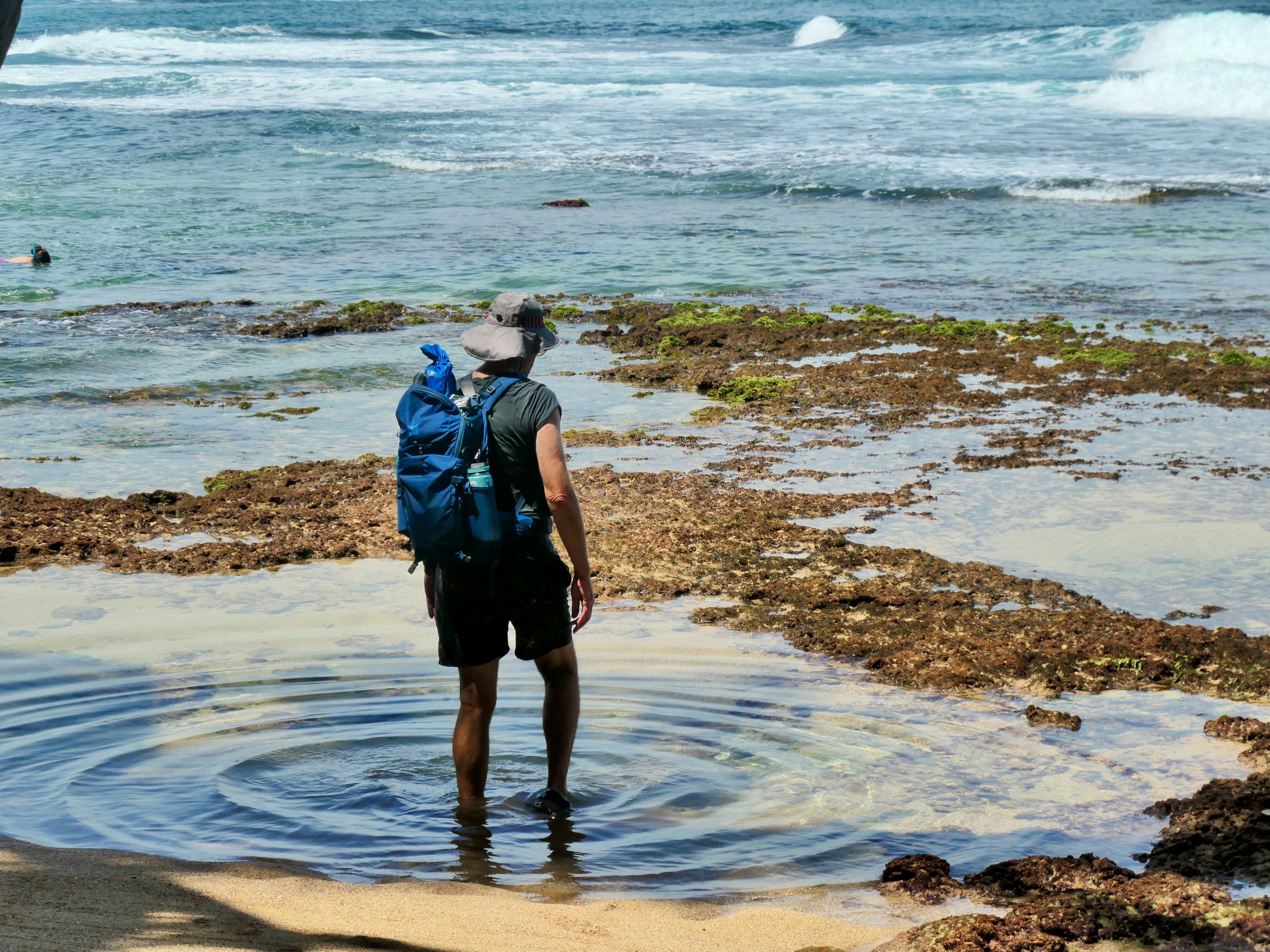
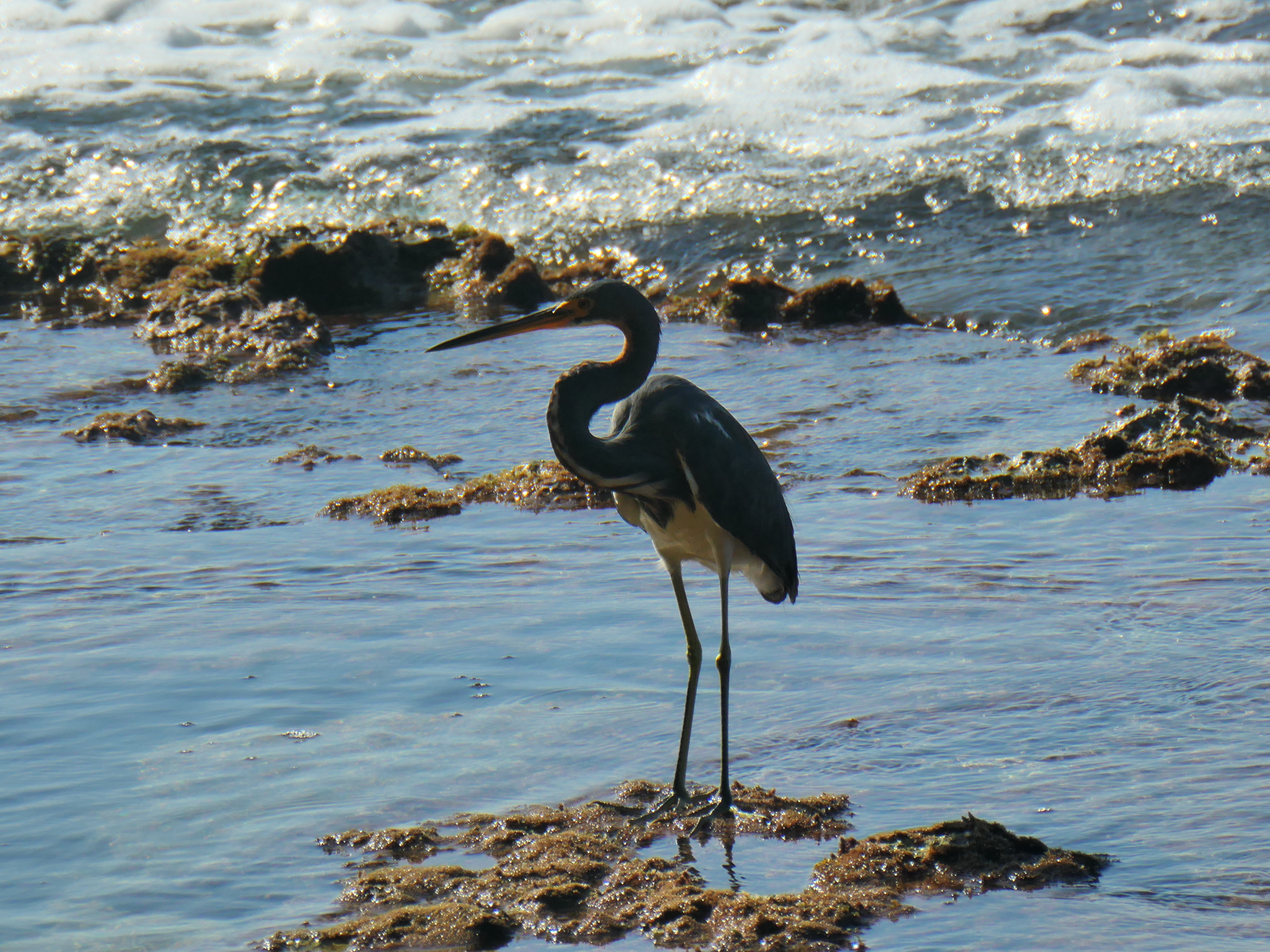
Manzanillo: coastal jungle hiking in a National Preserve (entry fee by donation)





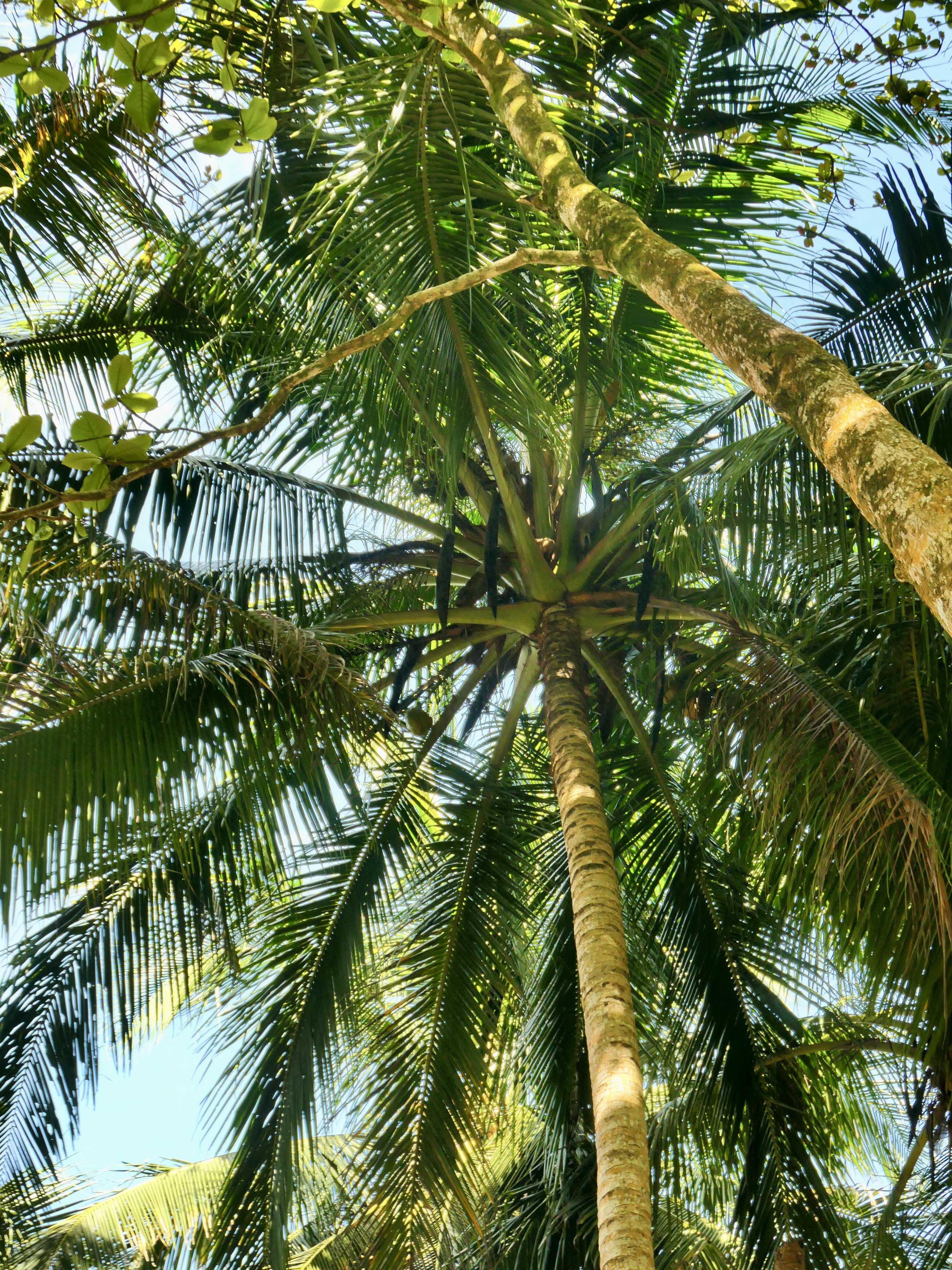
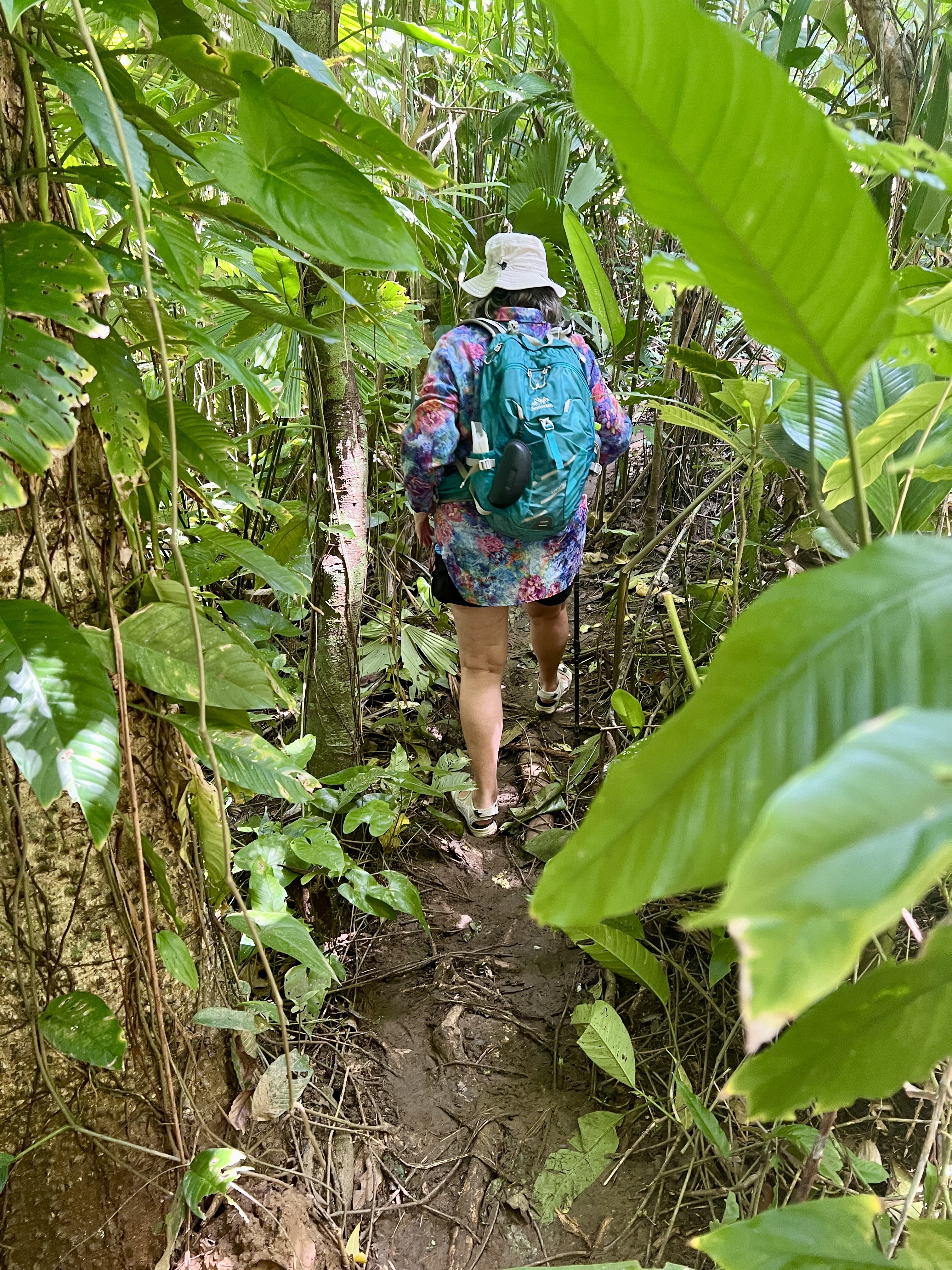
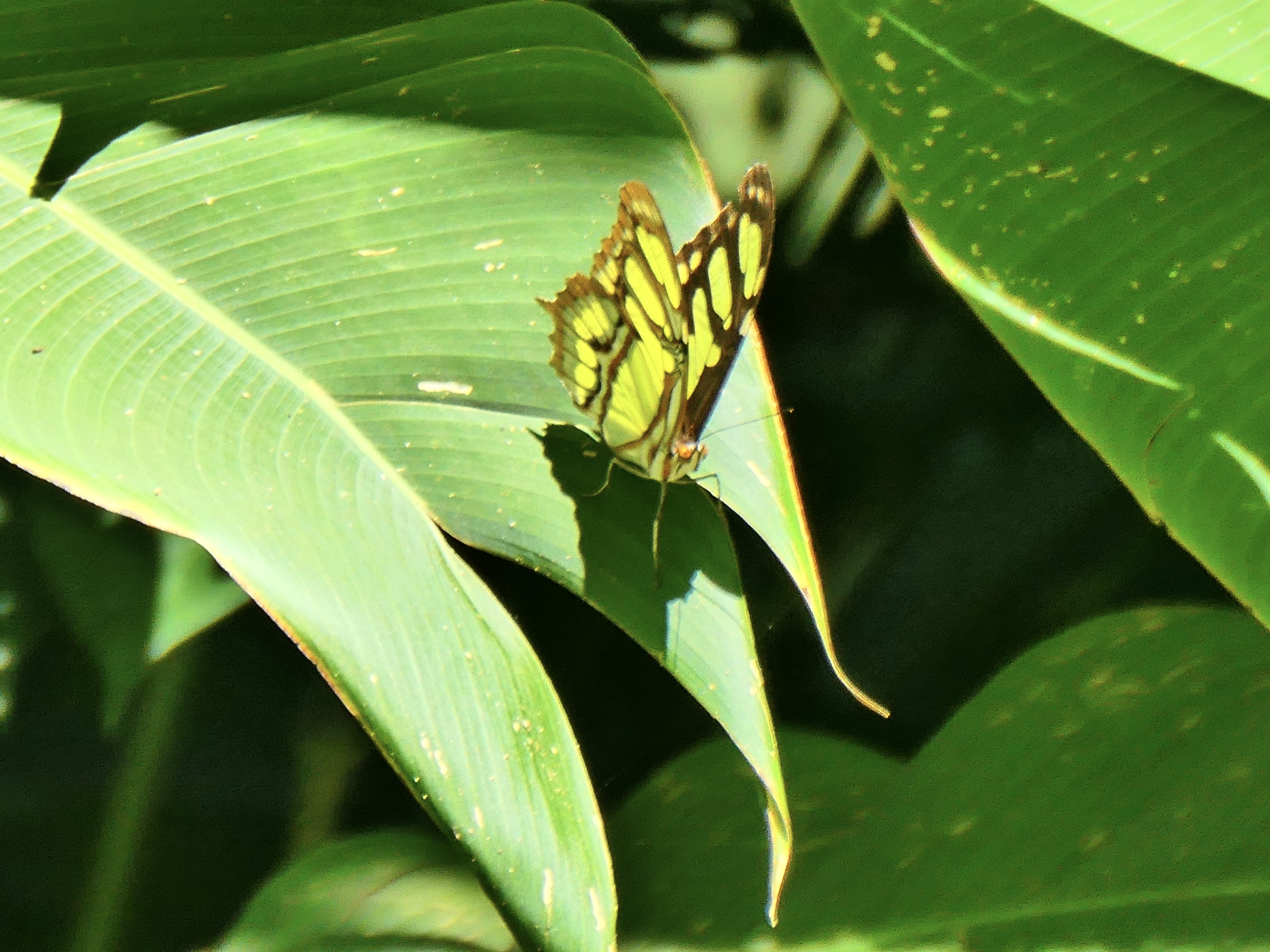
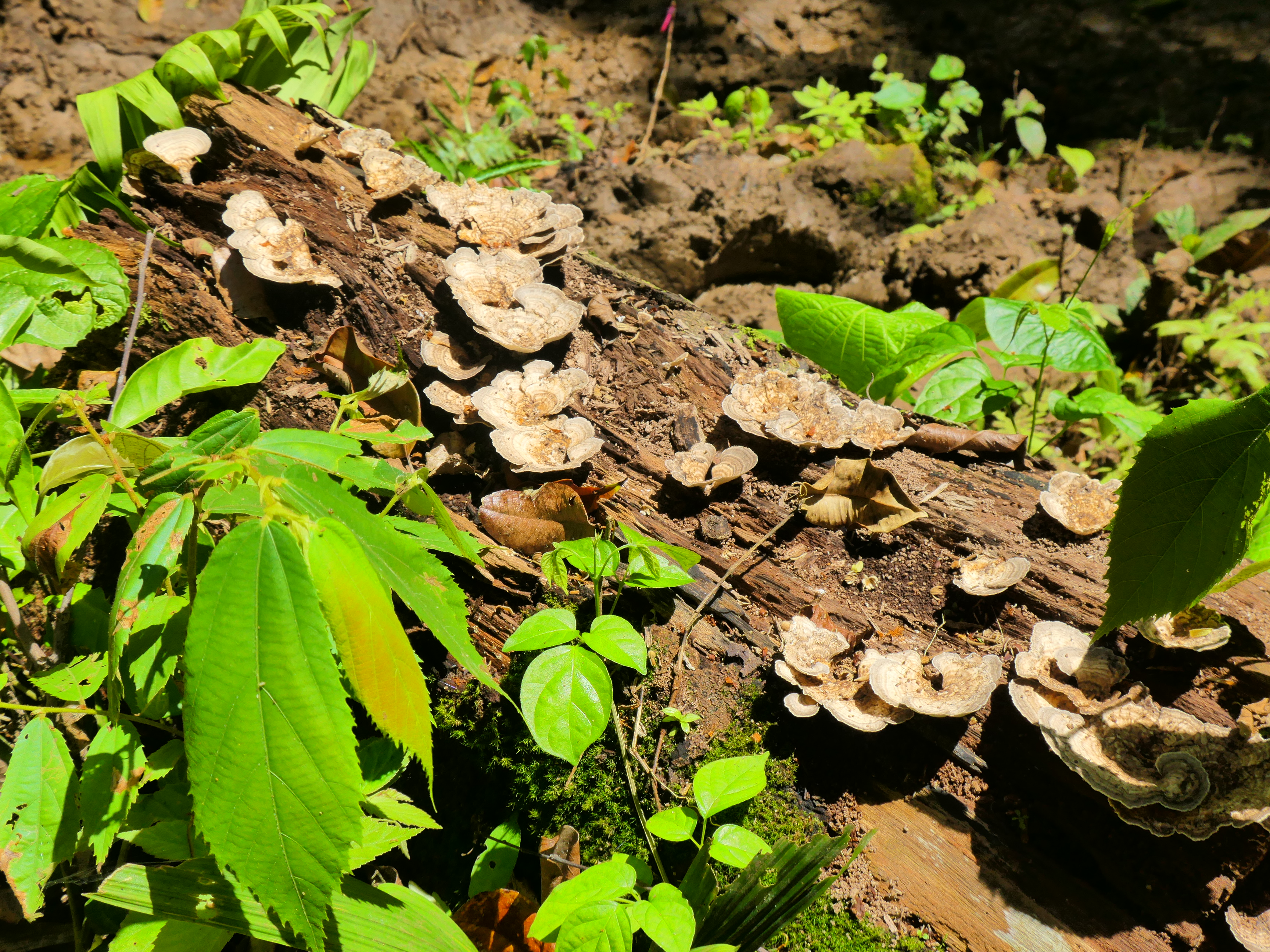



La Fortuna / Arenal
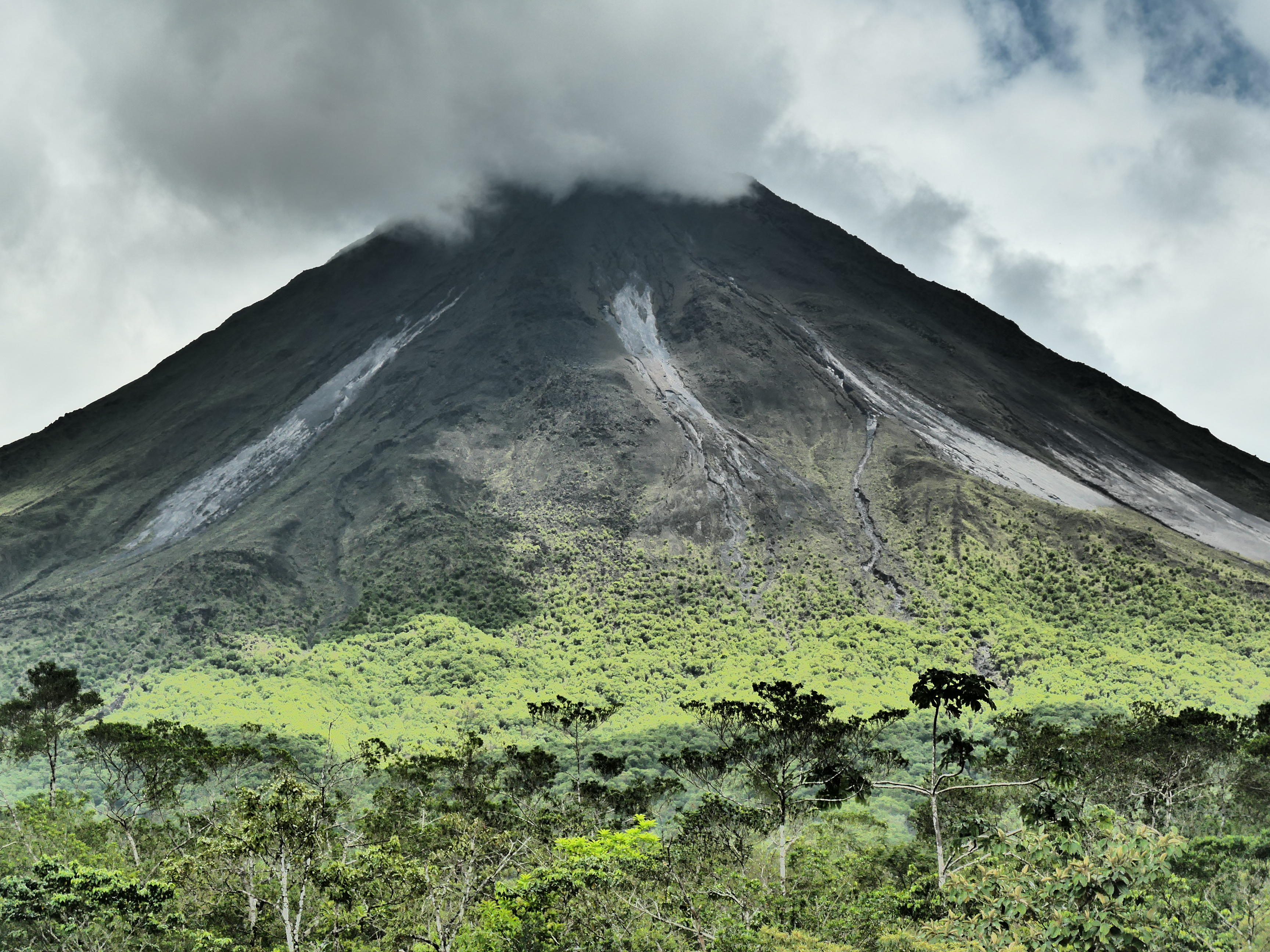
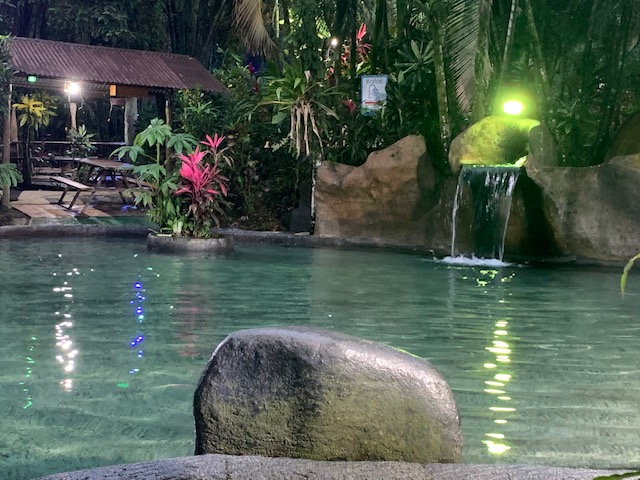
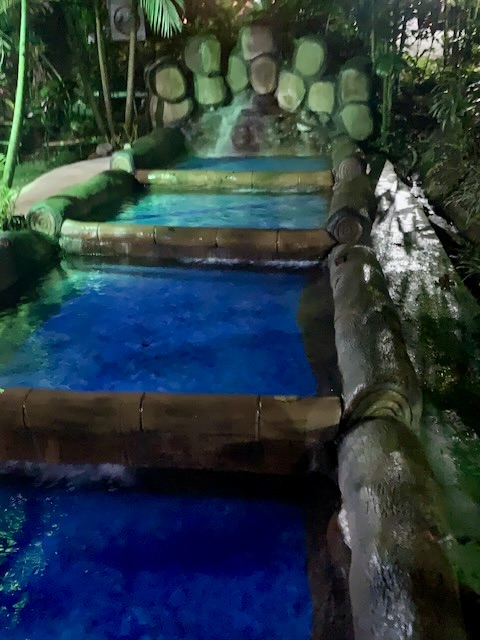
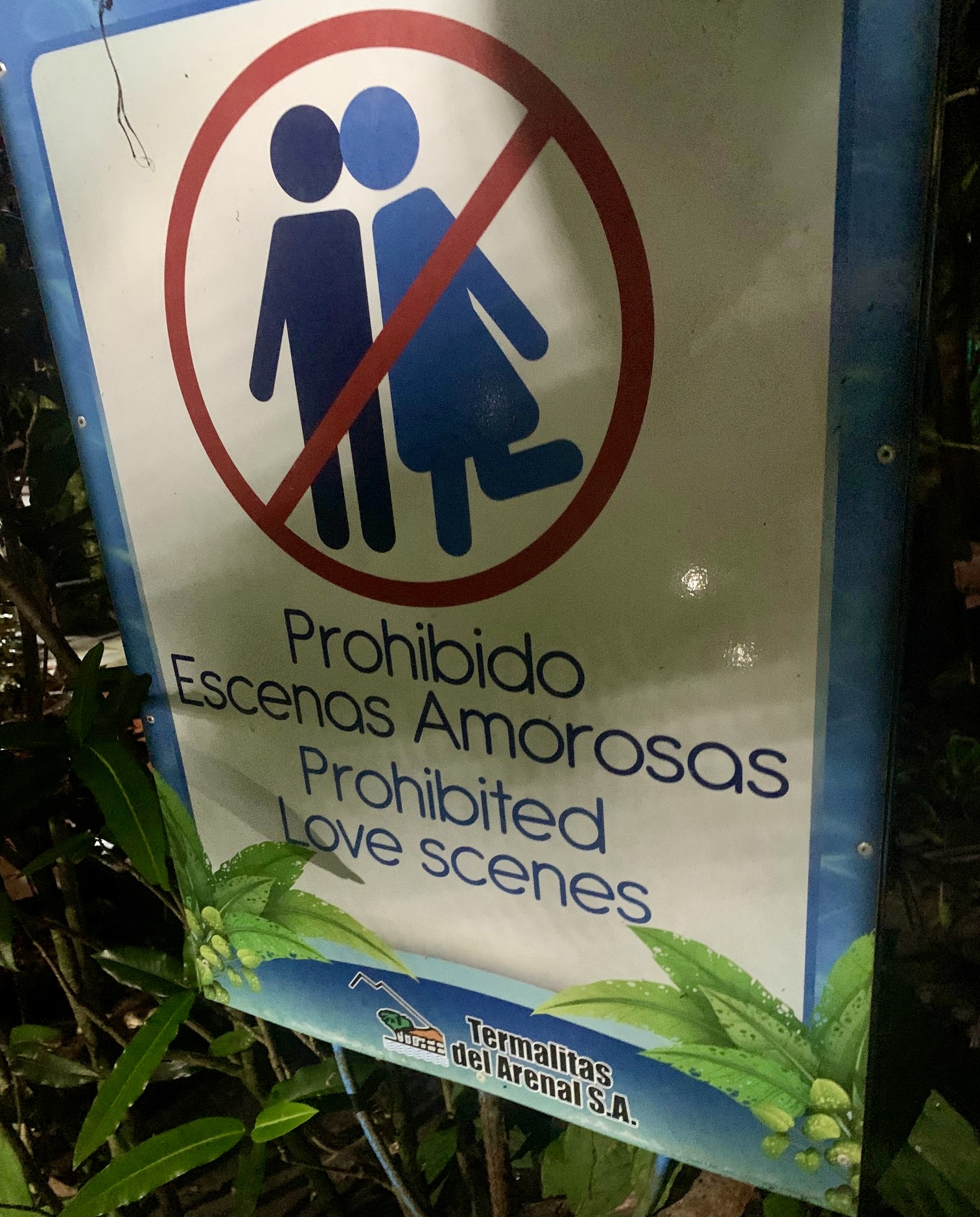
We had 2 stays (2 weeks apart) in La Fortuna from where we accessed 4 different hikes and visited a local ‘aguas termales’. Our first visit was in heavy rains (in what is purportedly the driest month); our second visit was more seasonably appropriate.
La Fortuna is the service centre and gateway to all volcano-related activities and hot springs around the region.
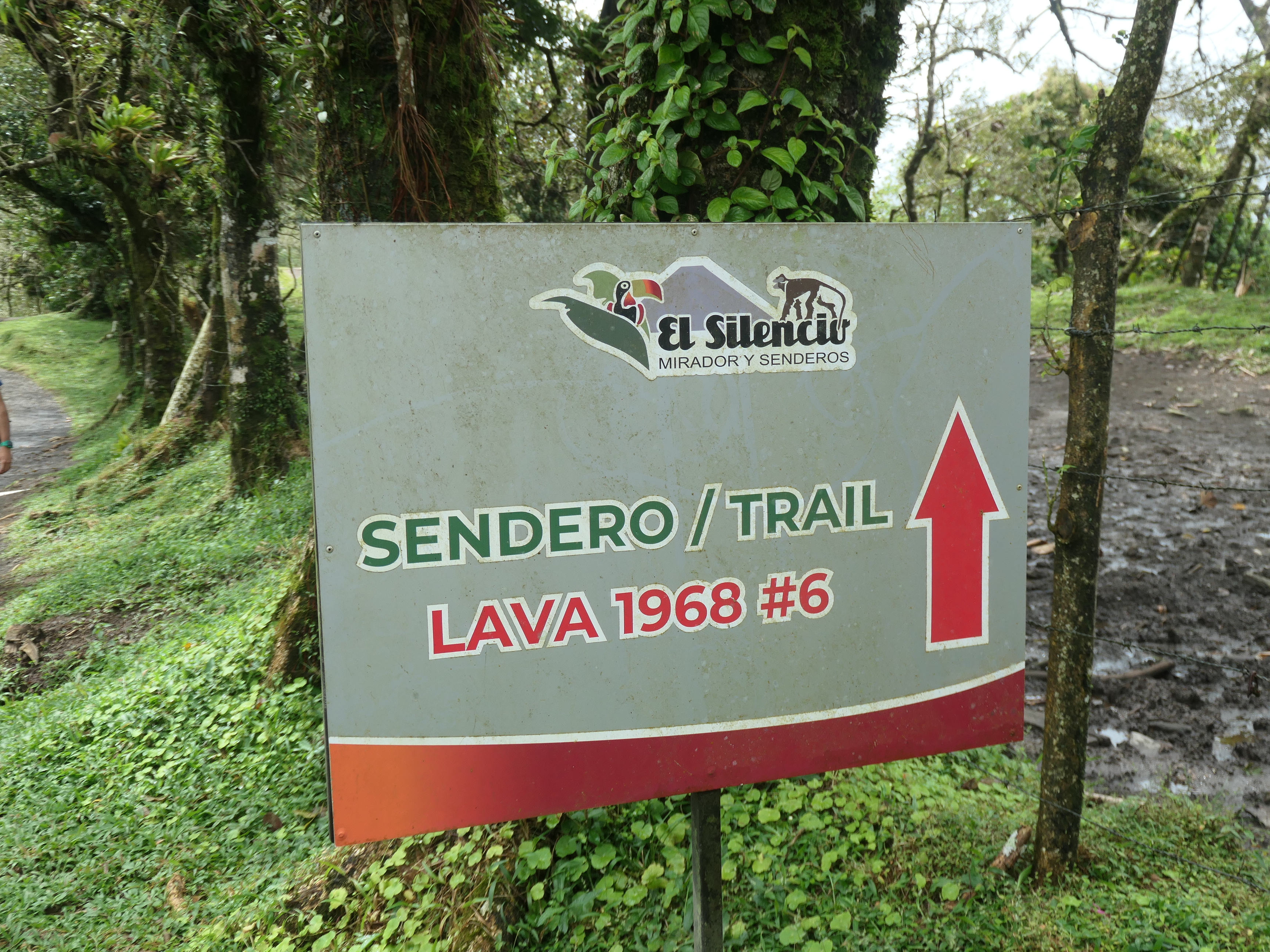
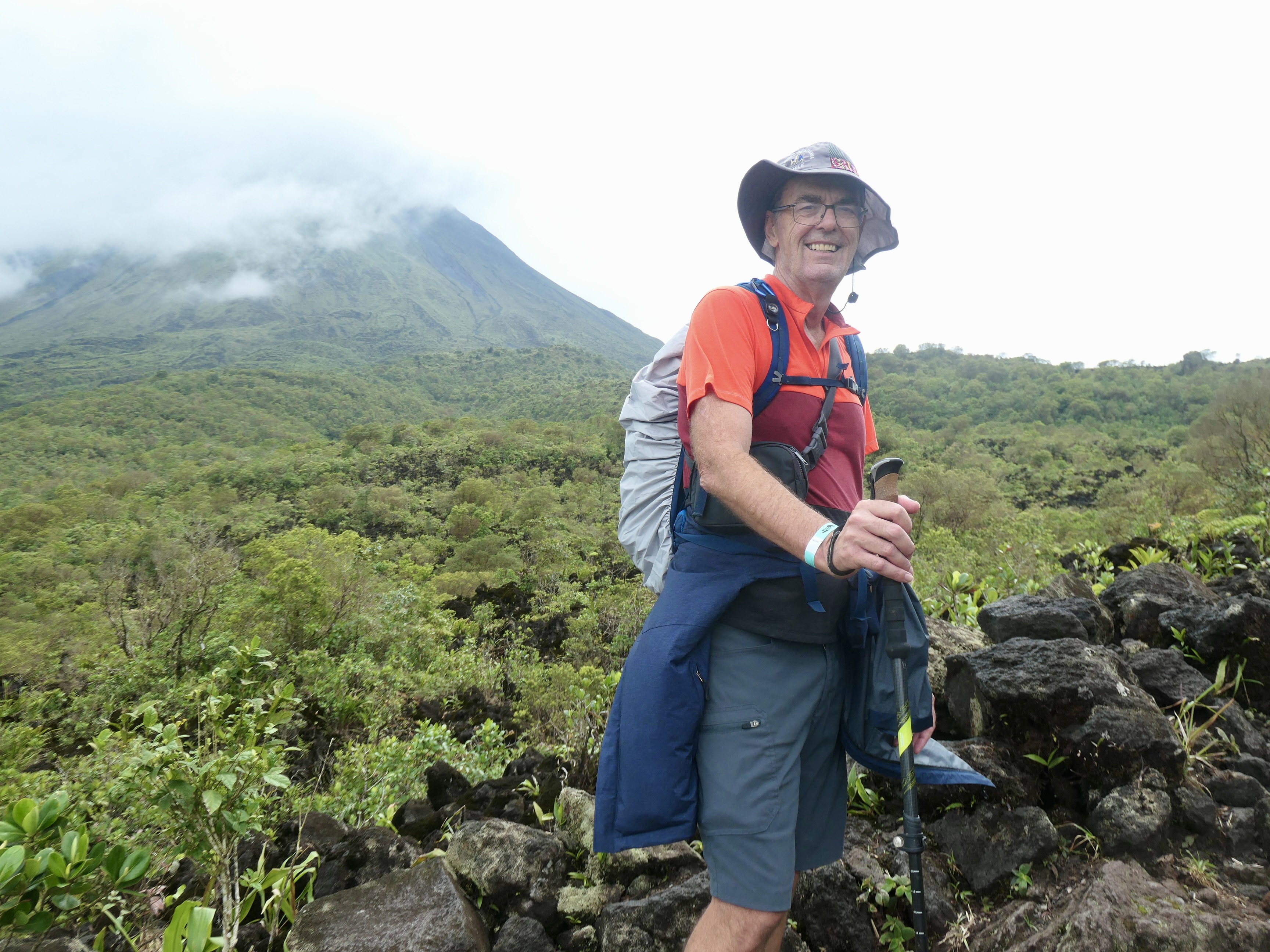
El Silencio: 6.3 km hiking around the base of Arenal Volcano (350M elevation gain)
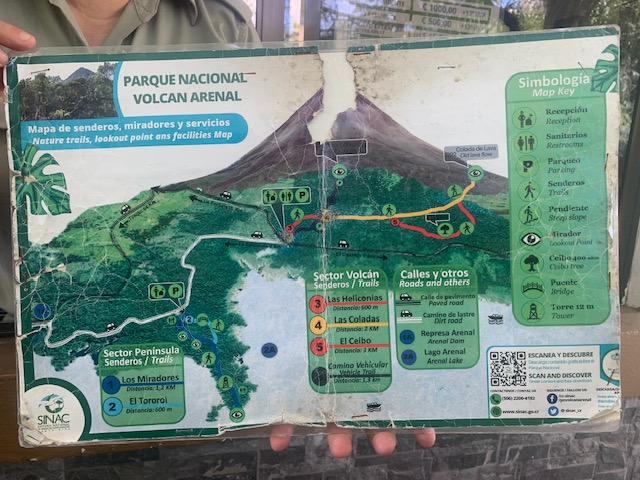

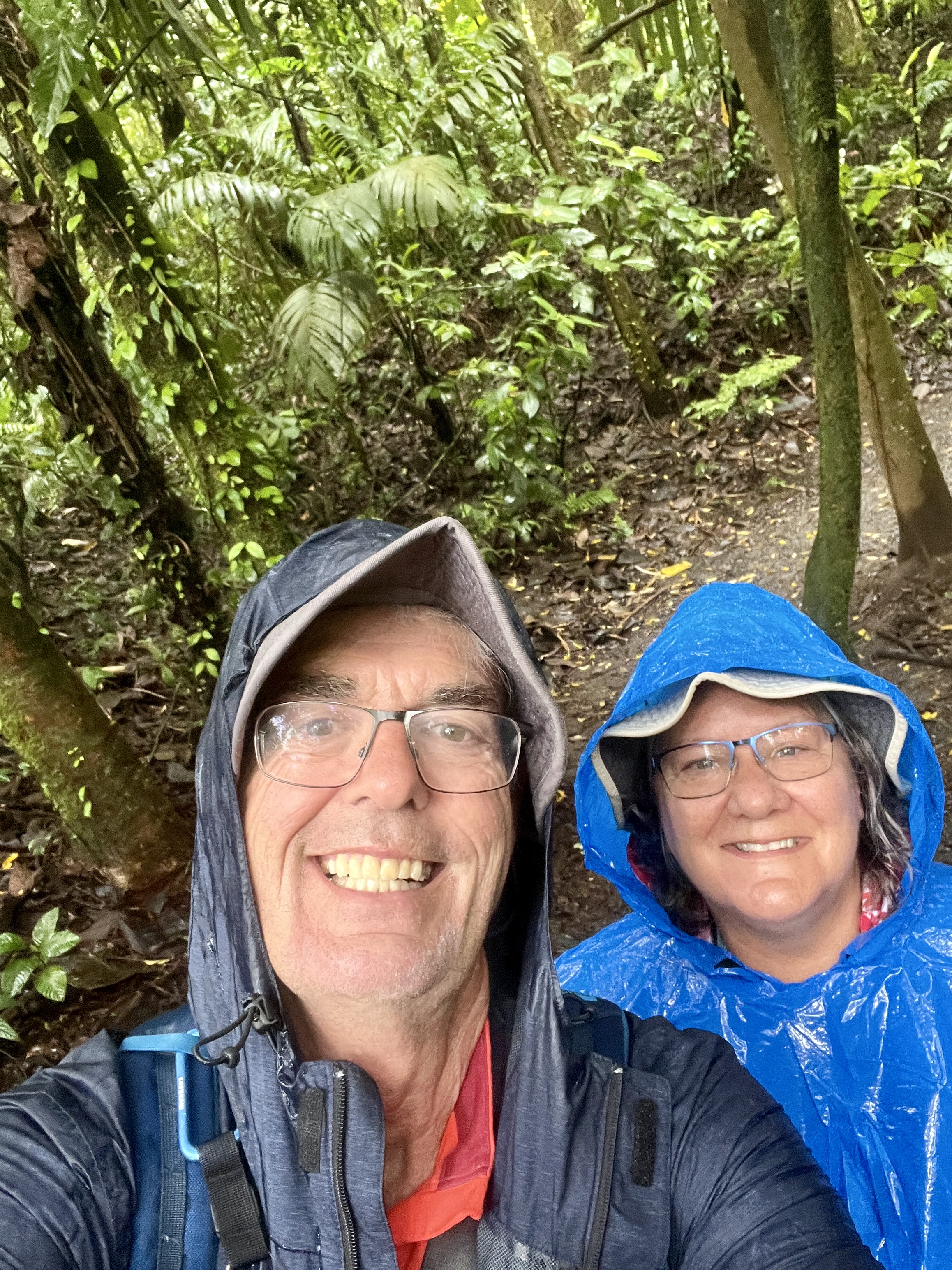
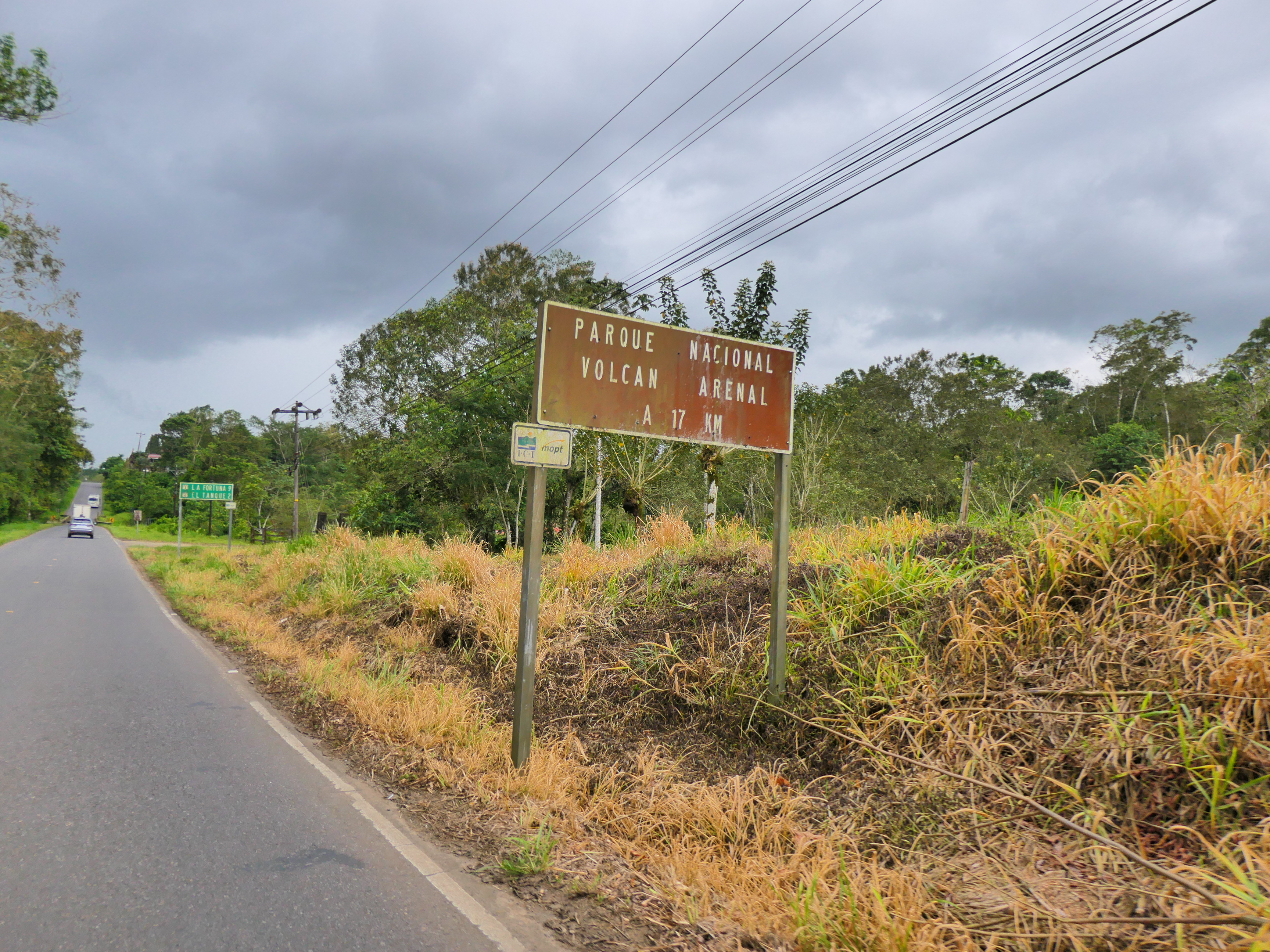

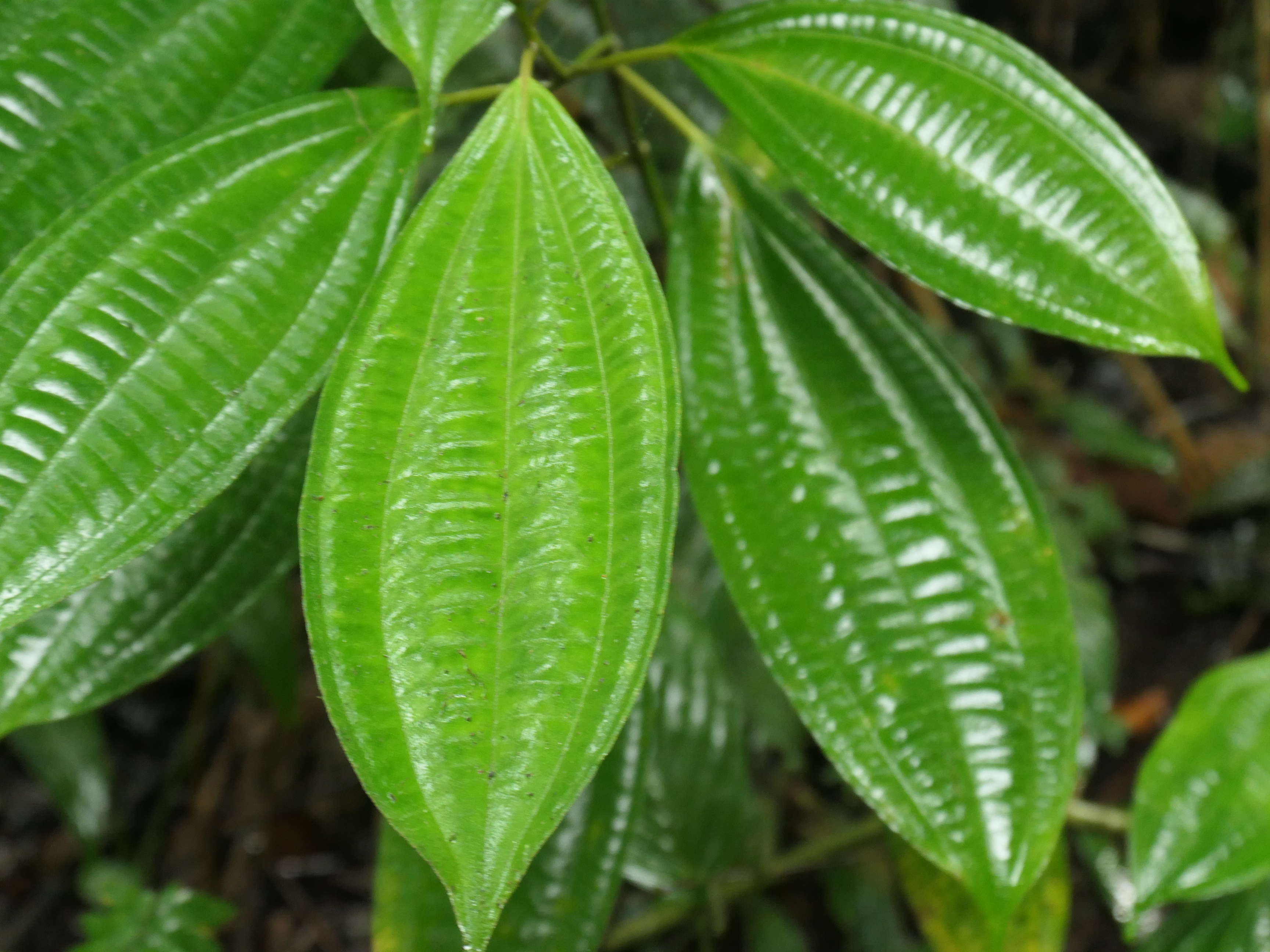

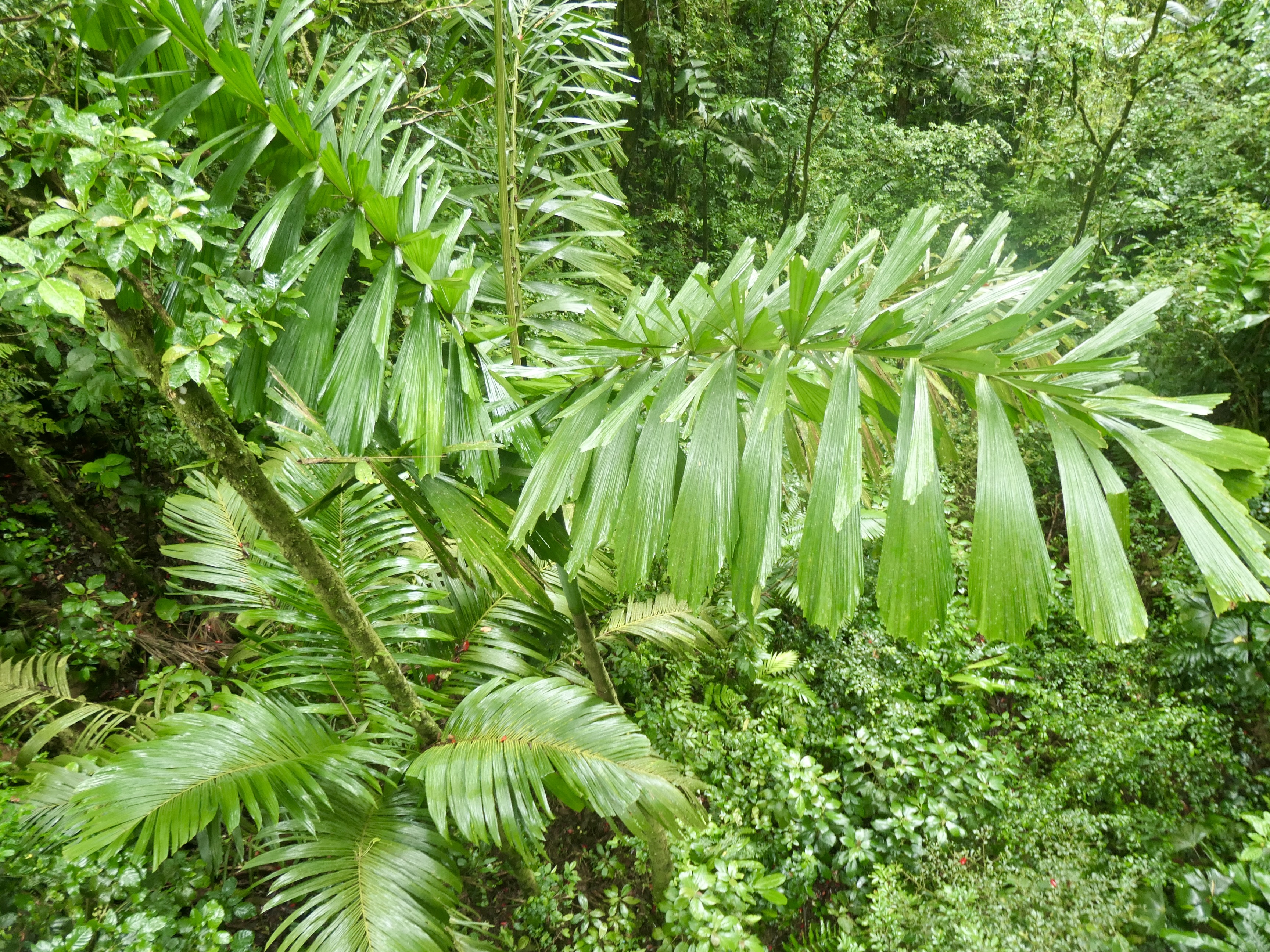
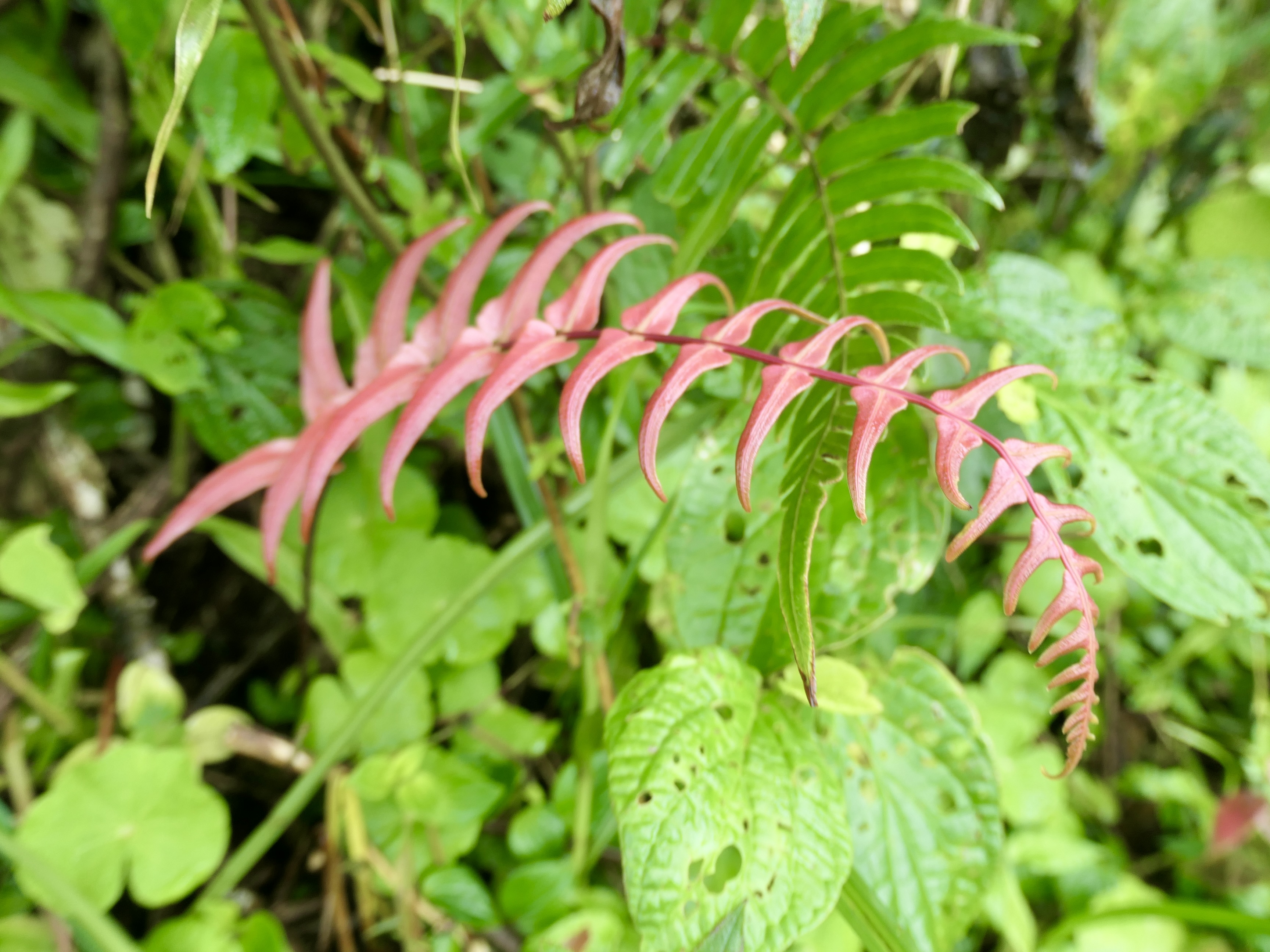
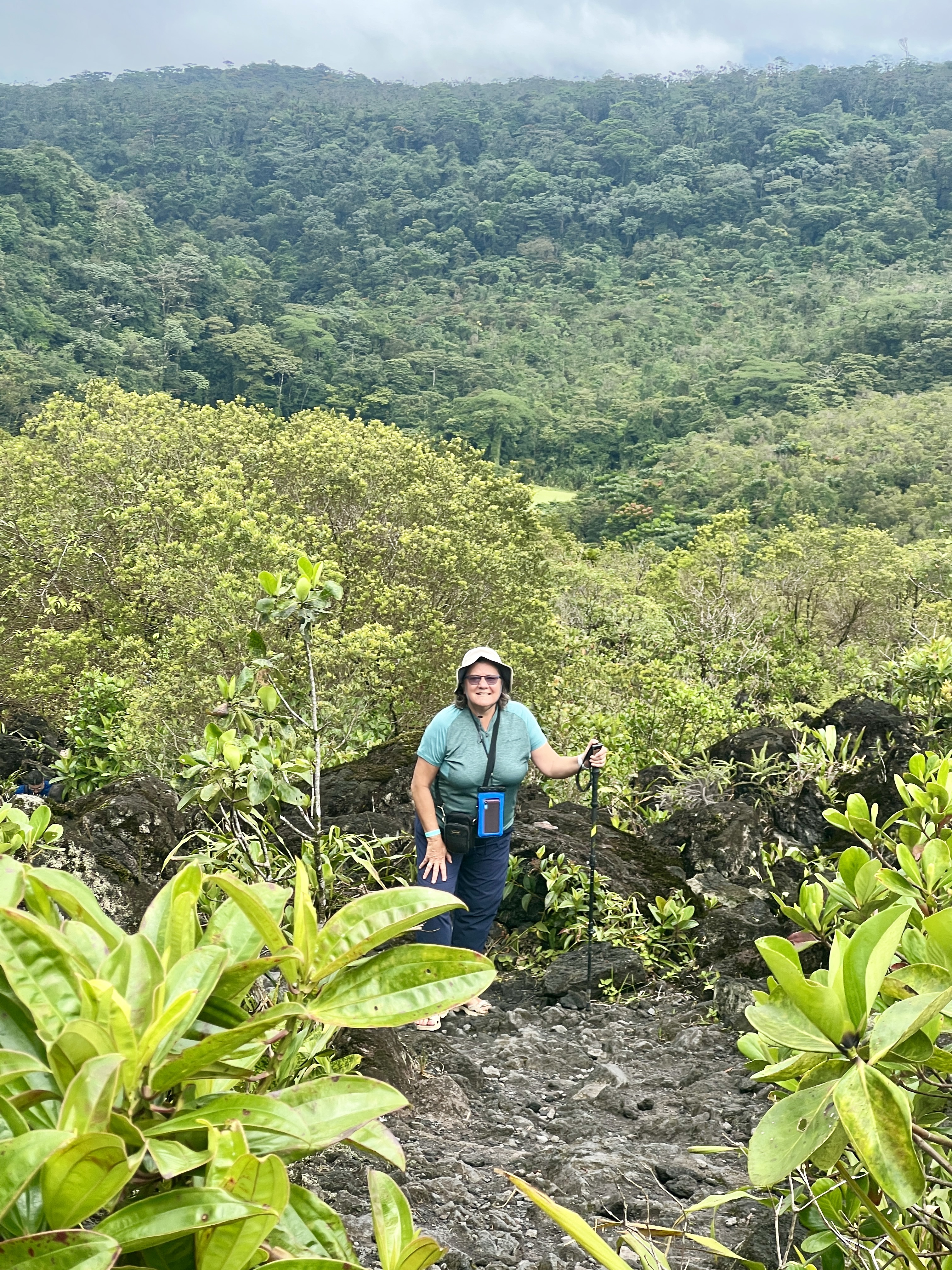

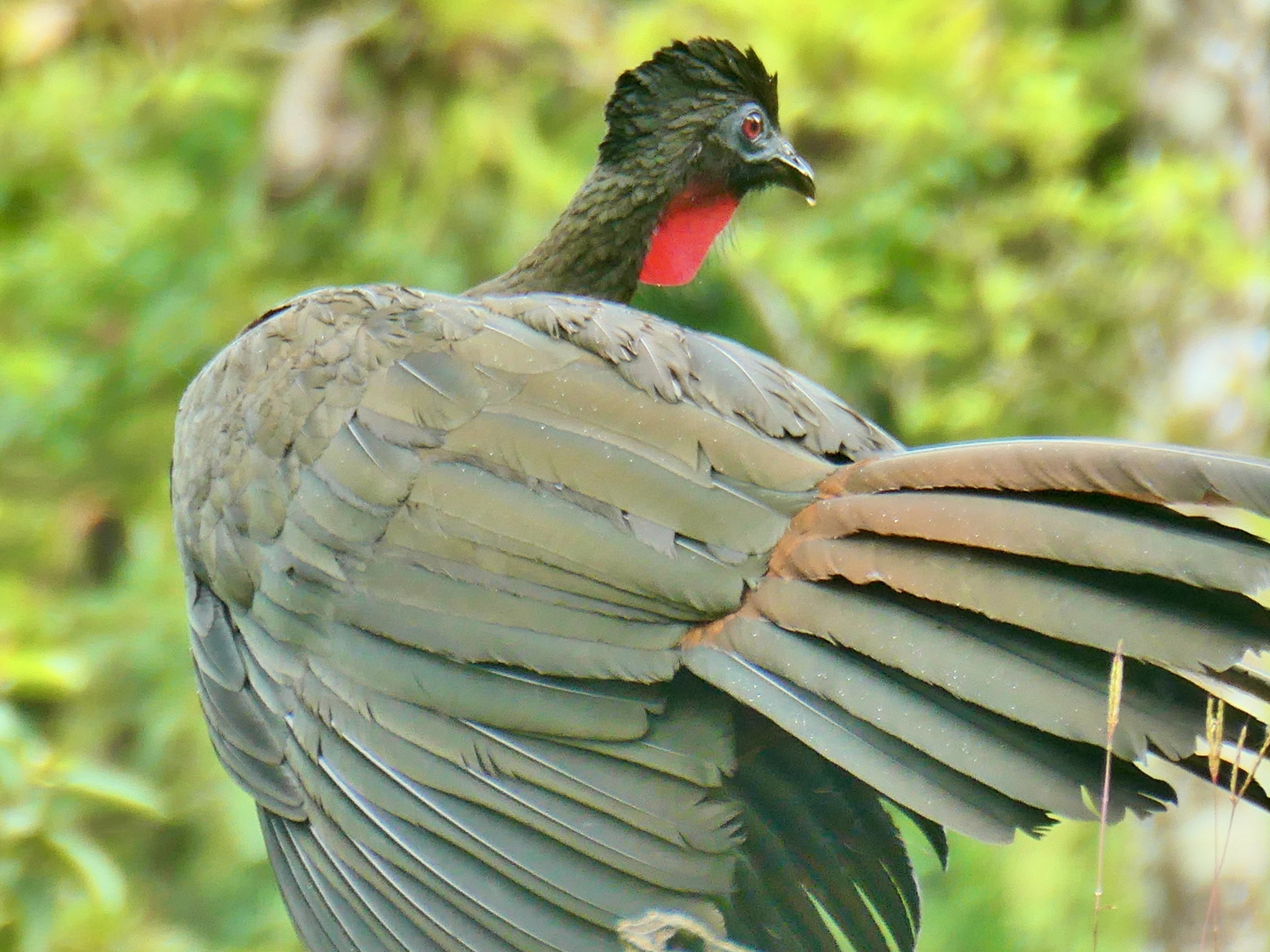


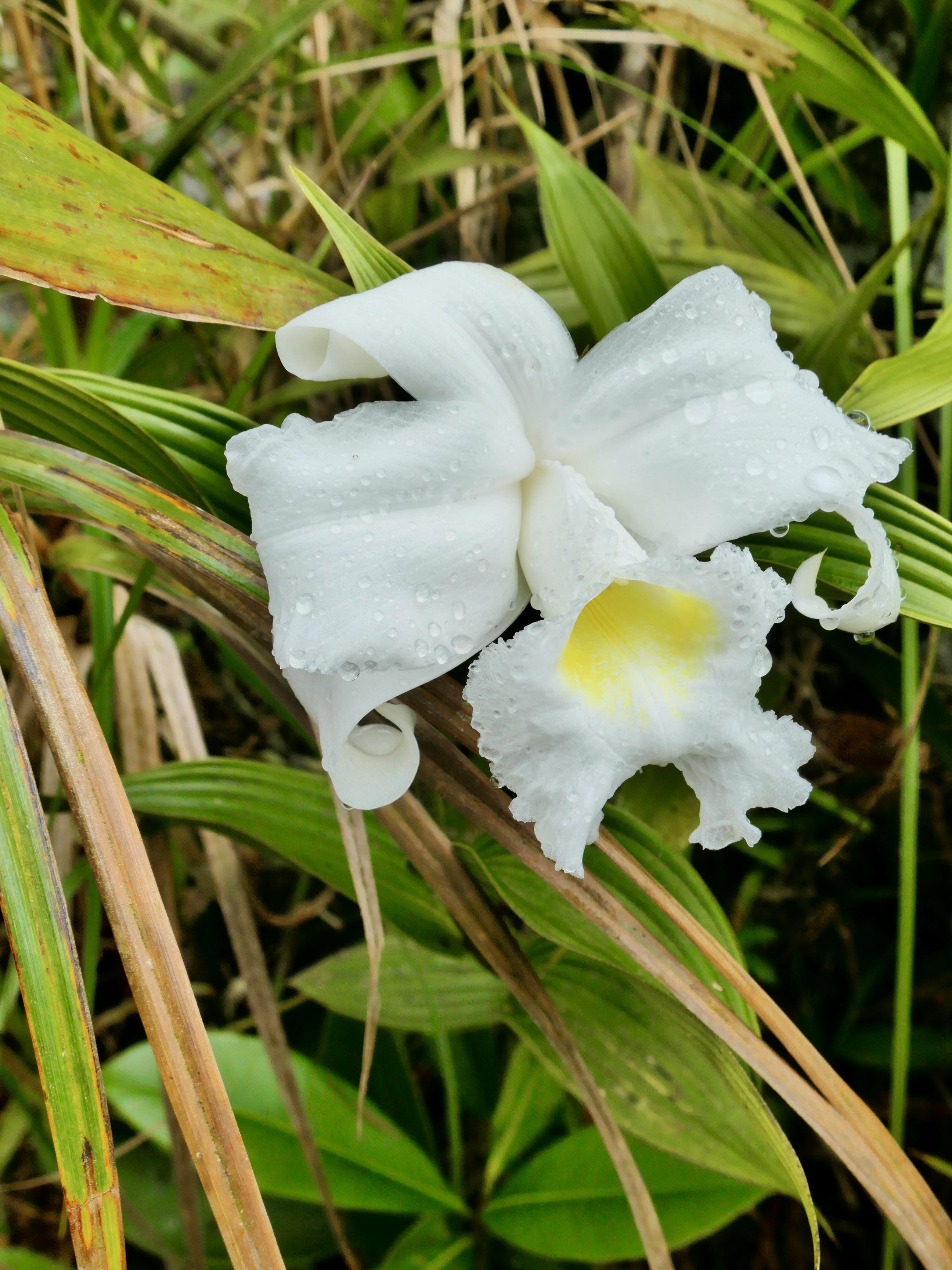
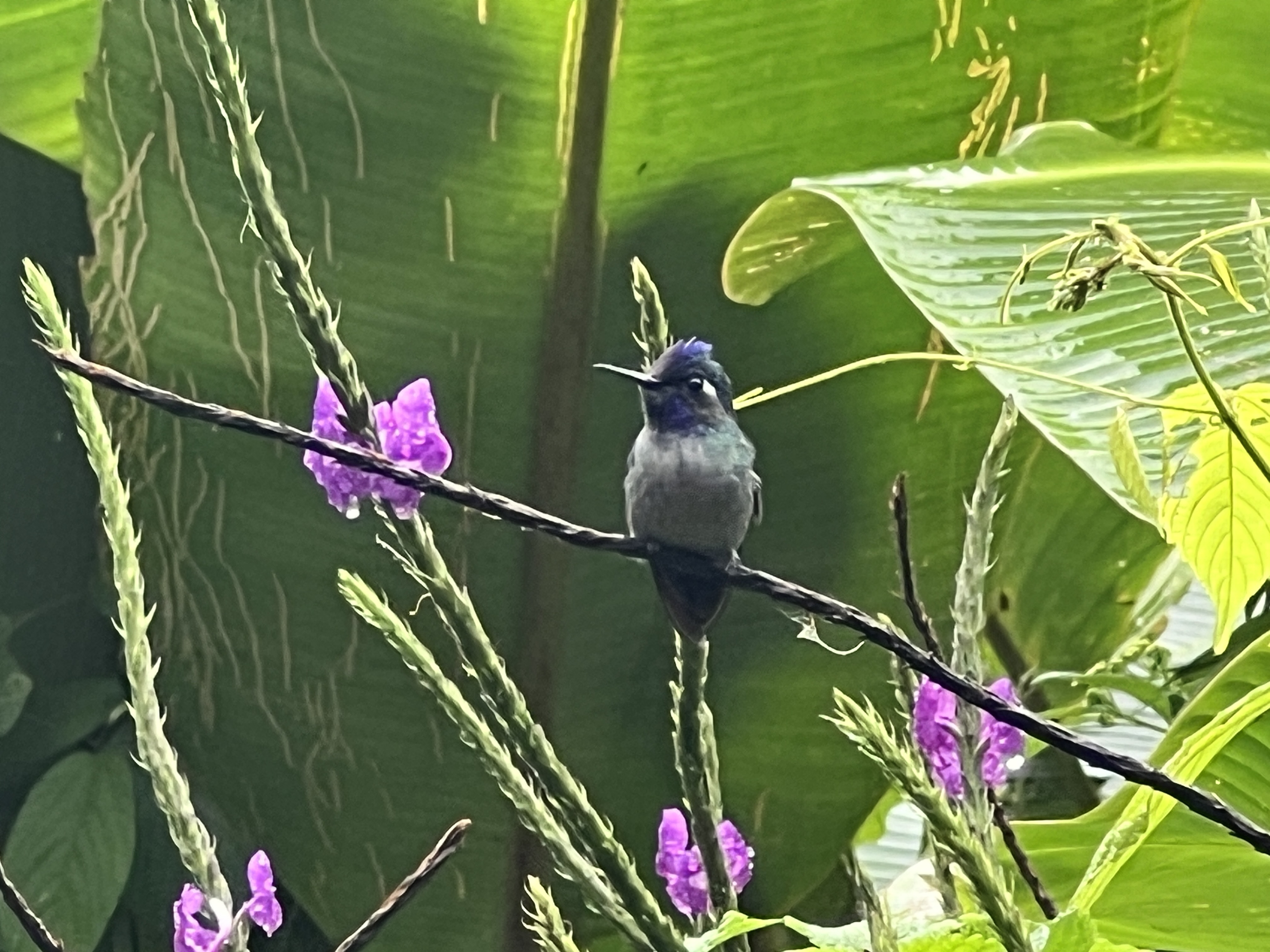

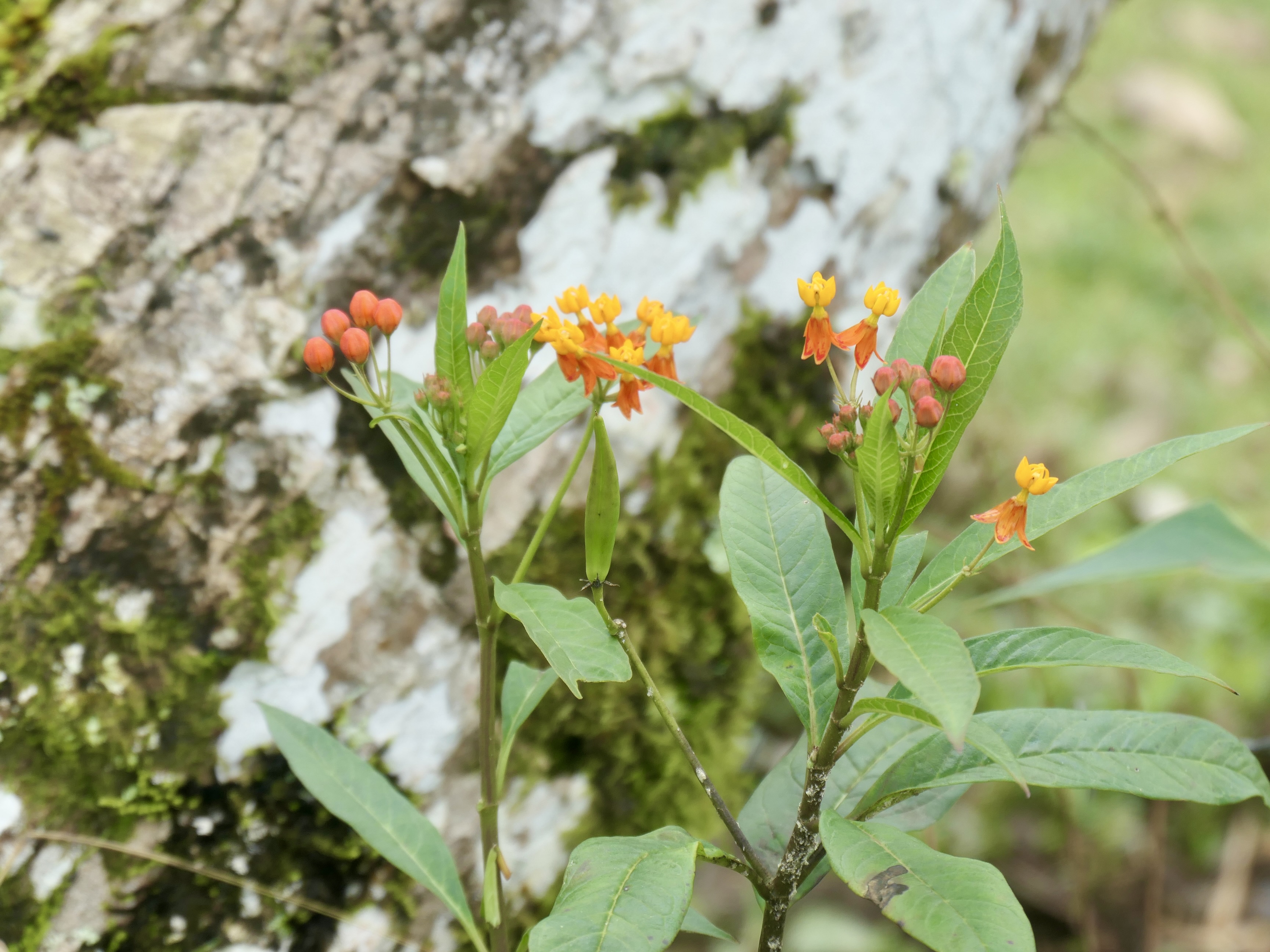
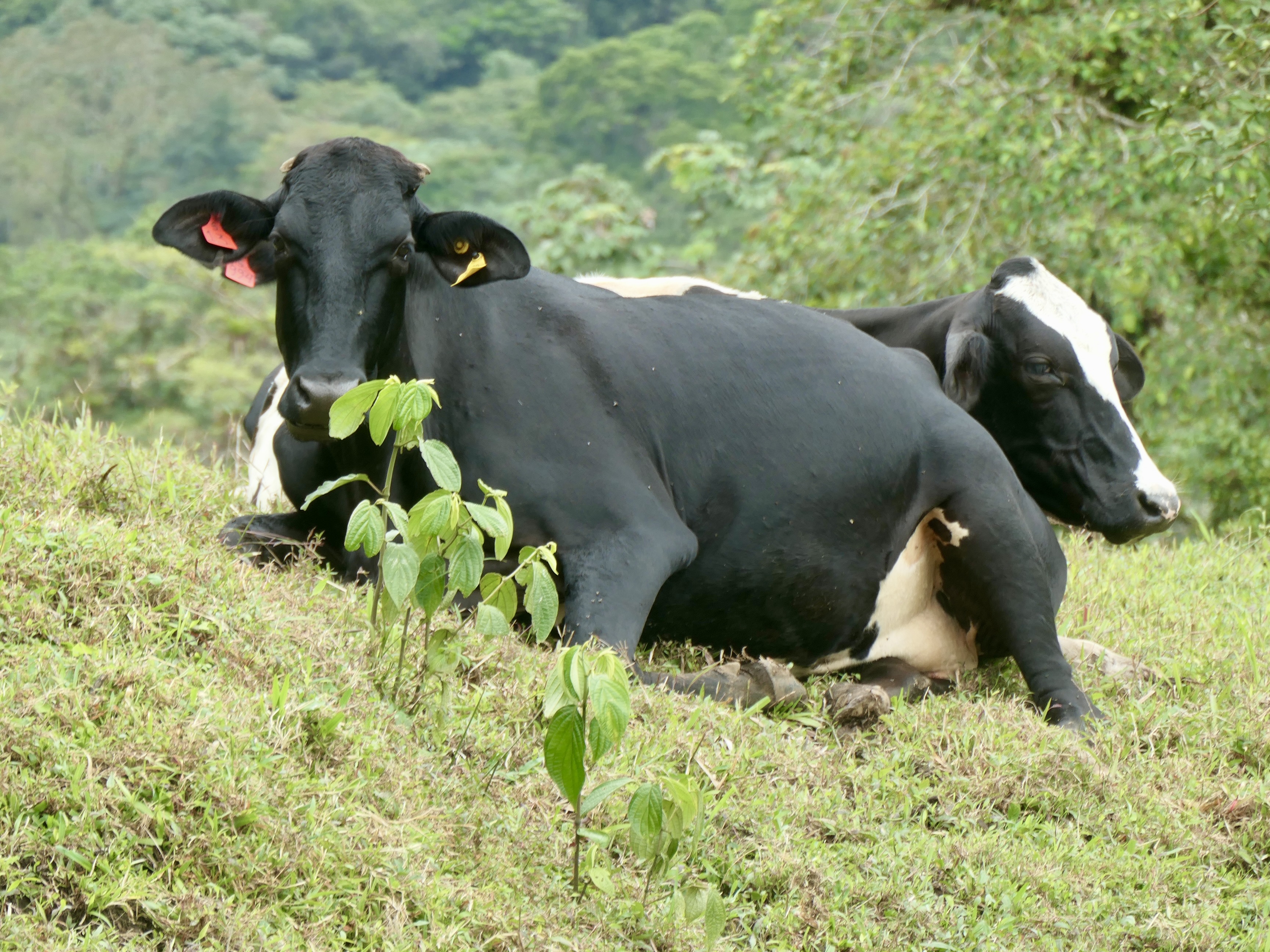

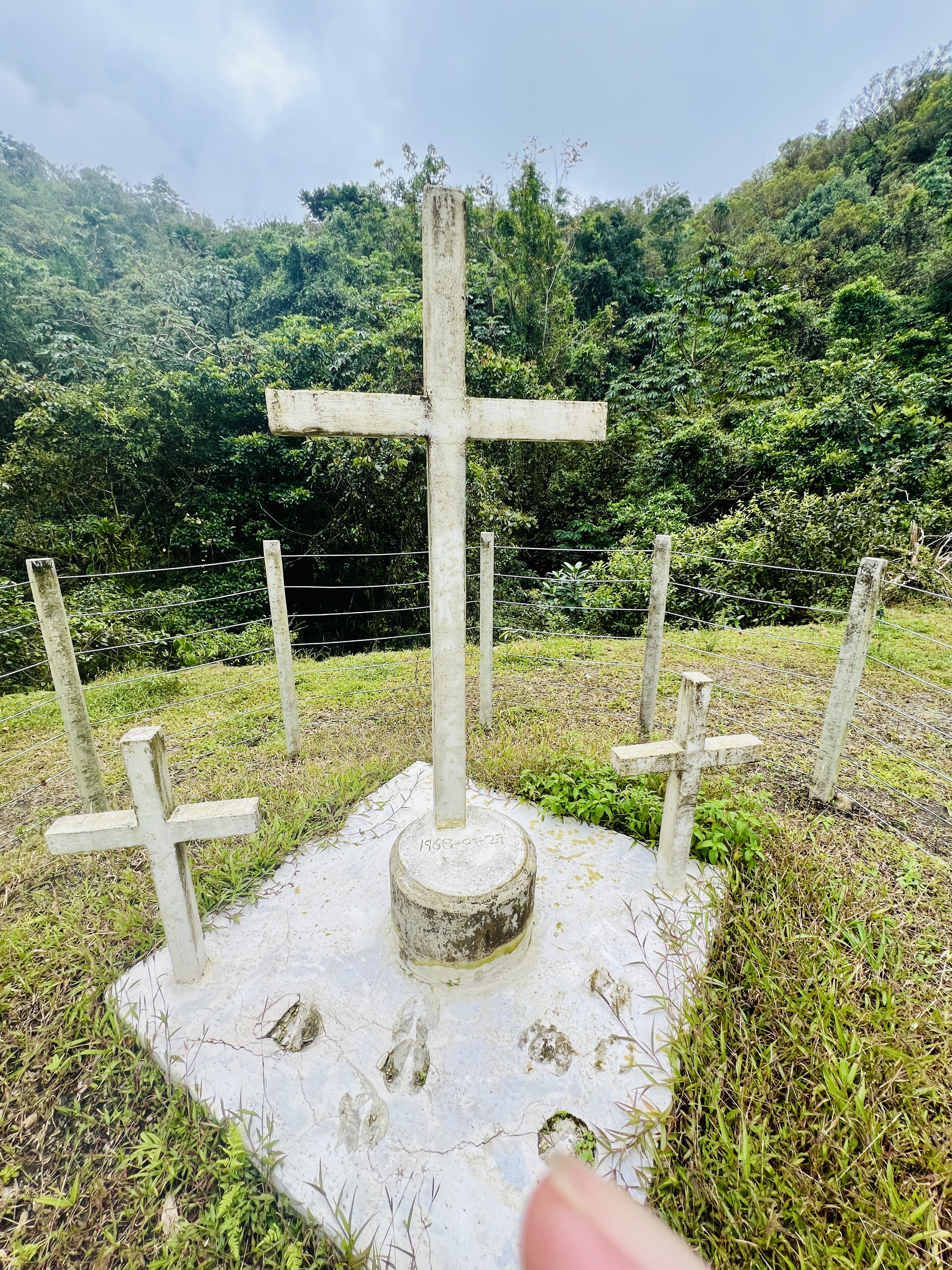
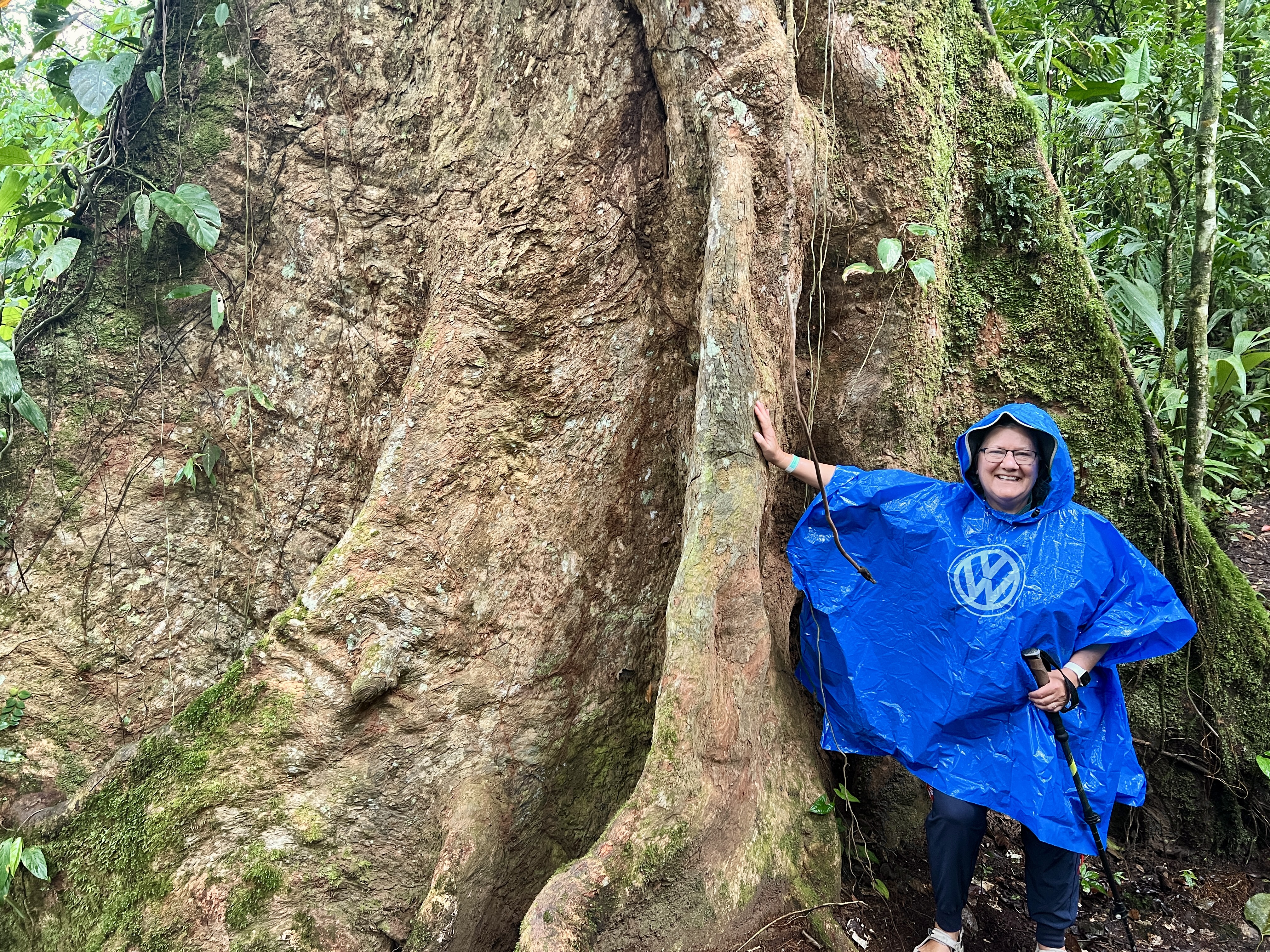
Mistico Park @ Arenal Hanging Bridges Park: approximately 3.5 km loop (<100M elevation gain) on nice trails, some stairs (optional side paths), and several types of hanging bridges high in the clouds. This was an indulgence given the US$28 per person entry ticket, but worth doing, especially if wanting an easier activity. There is also a shorter loop that is fully accessible.
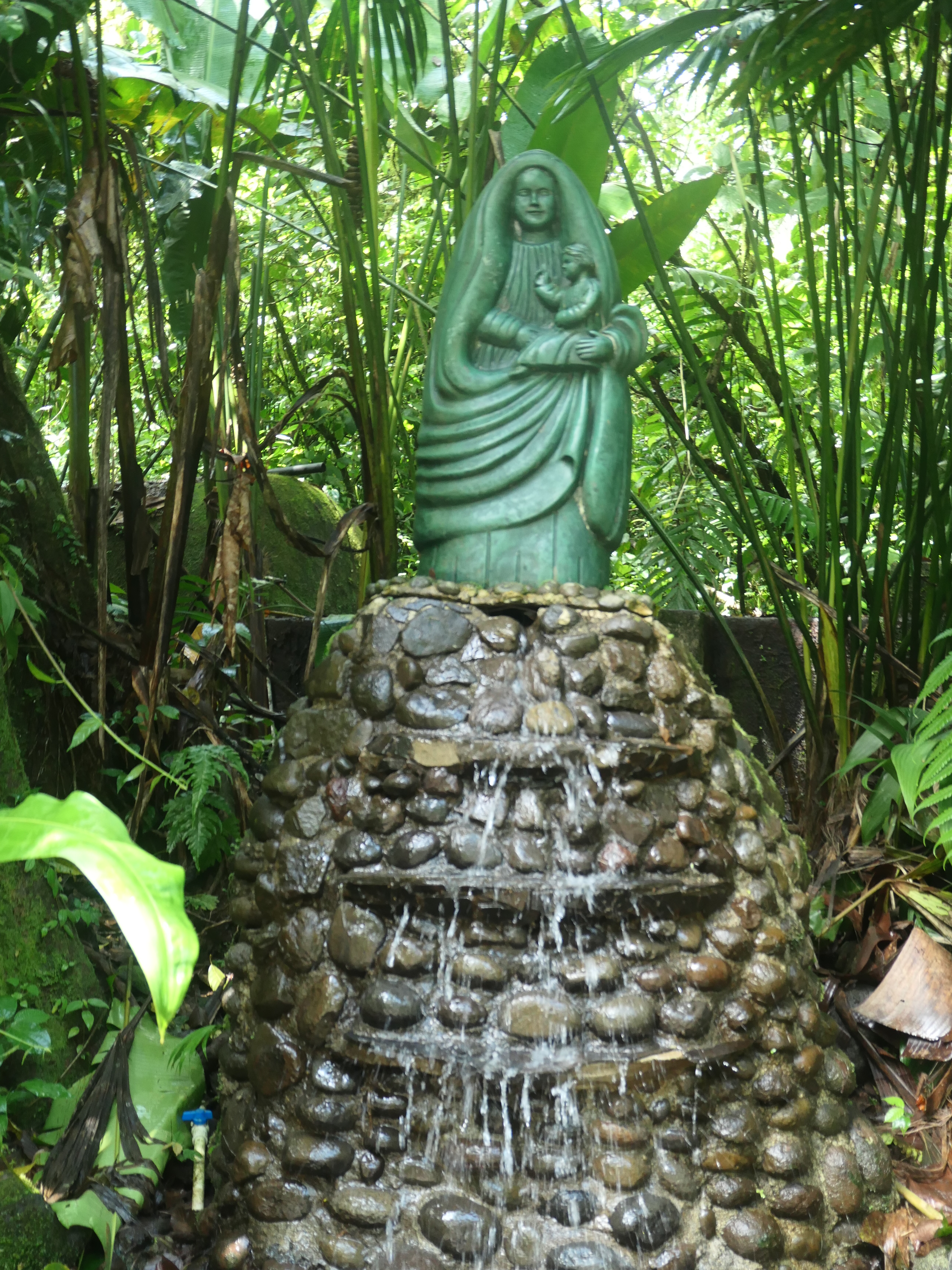


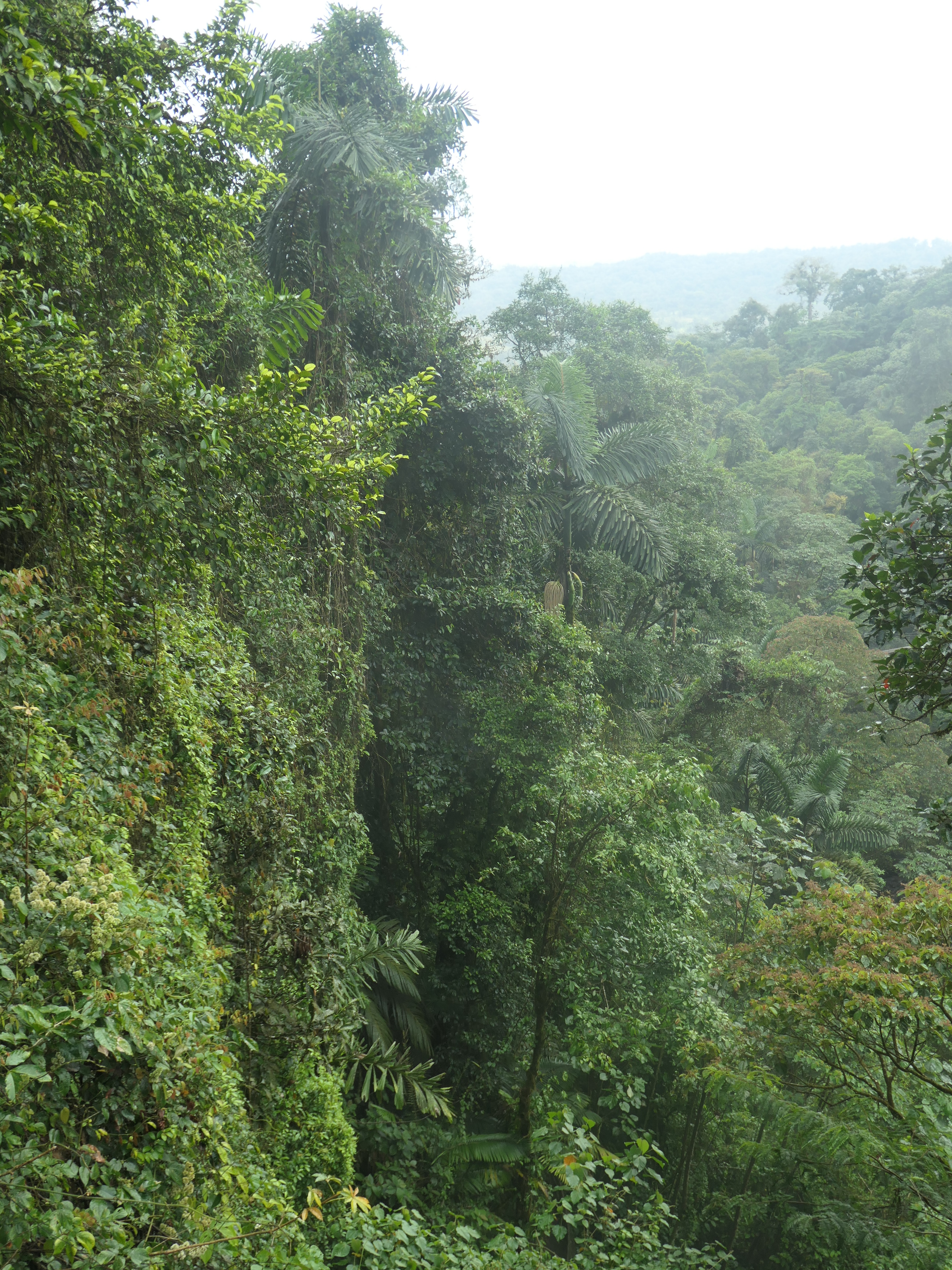
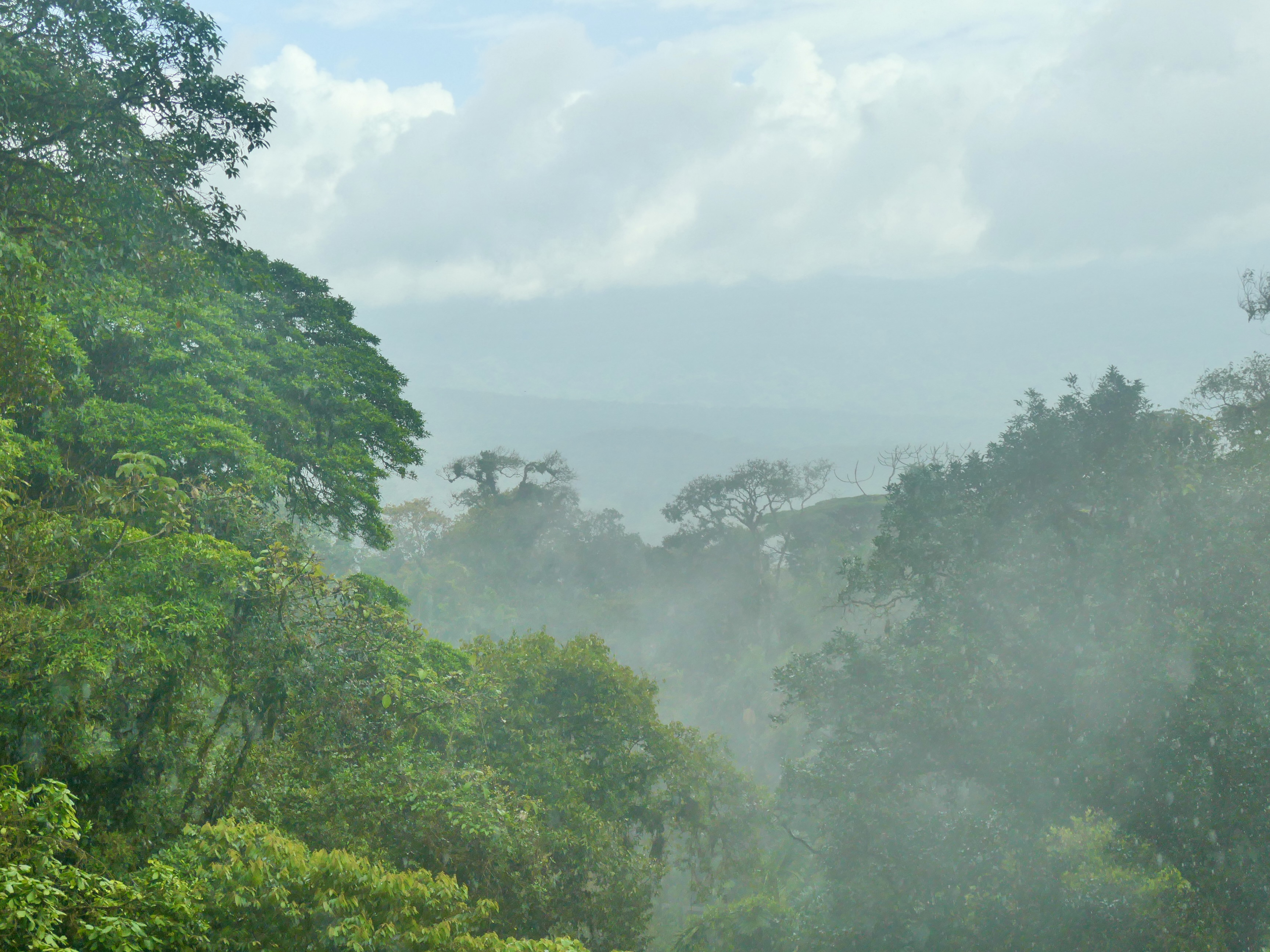
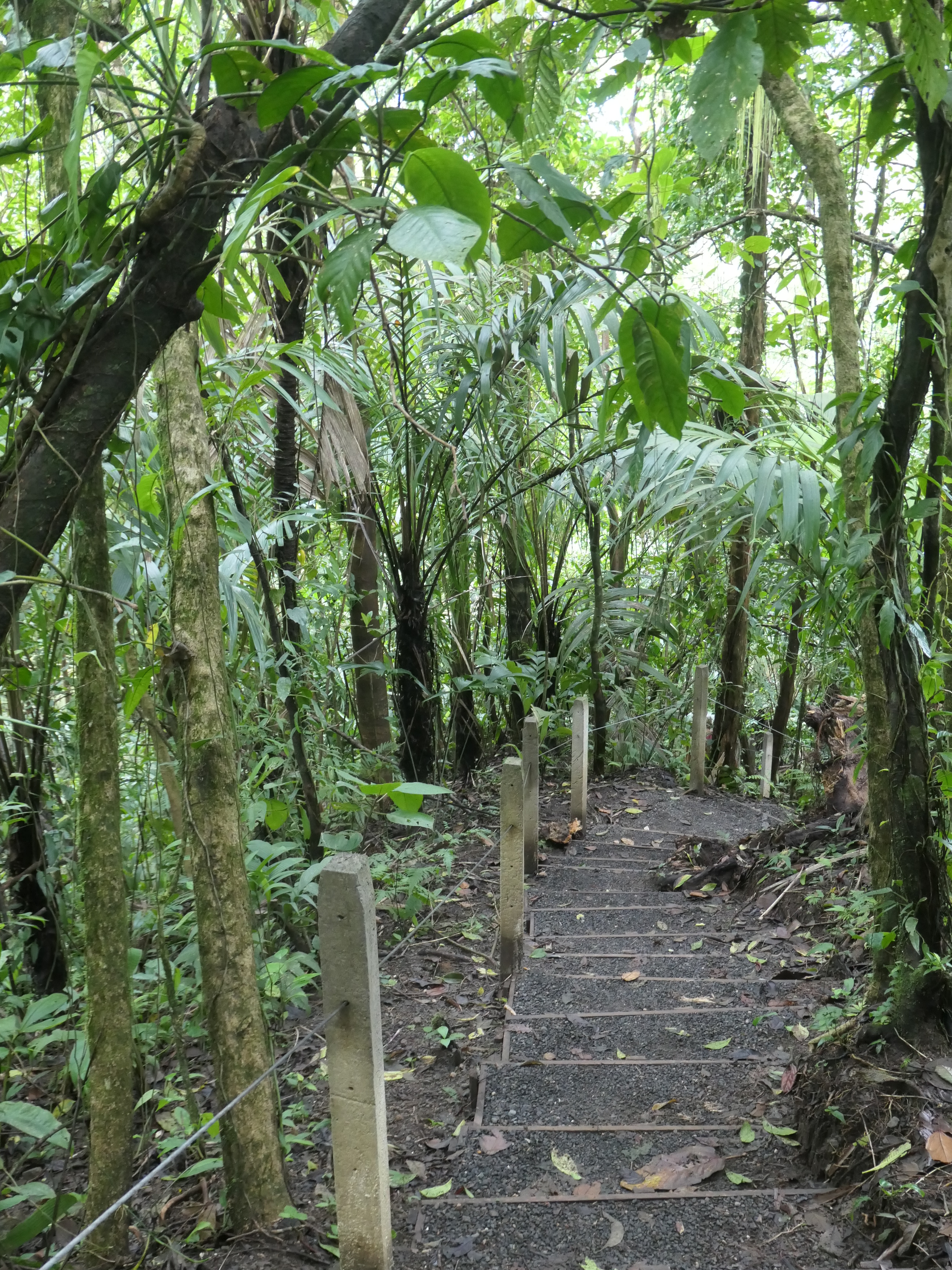


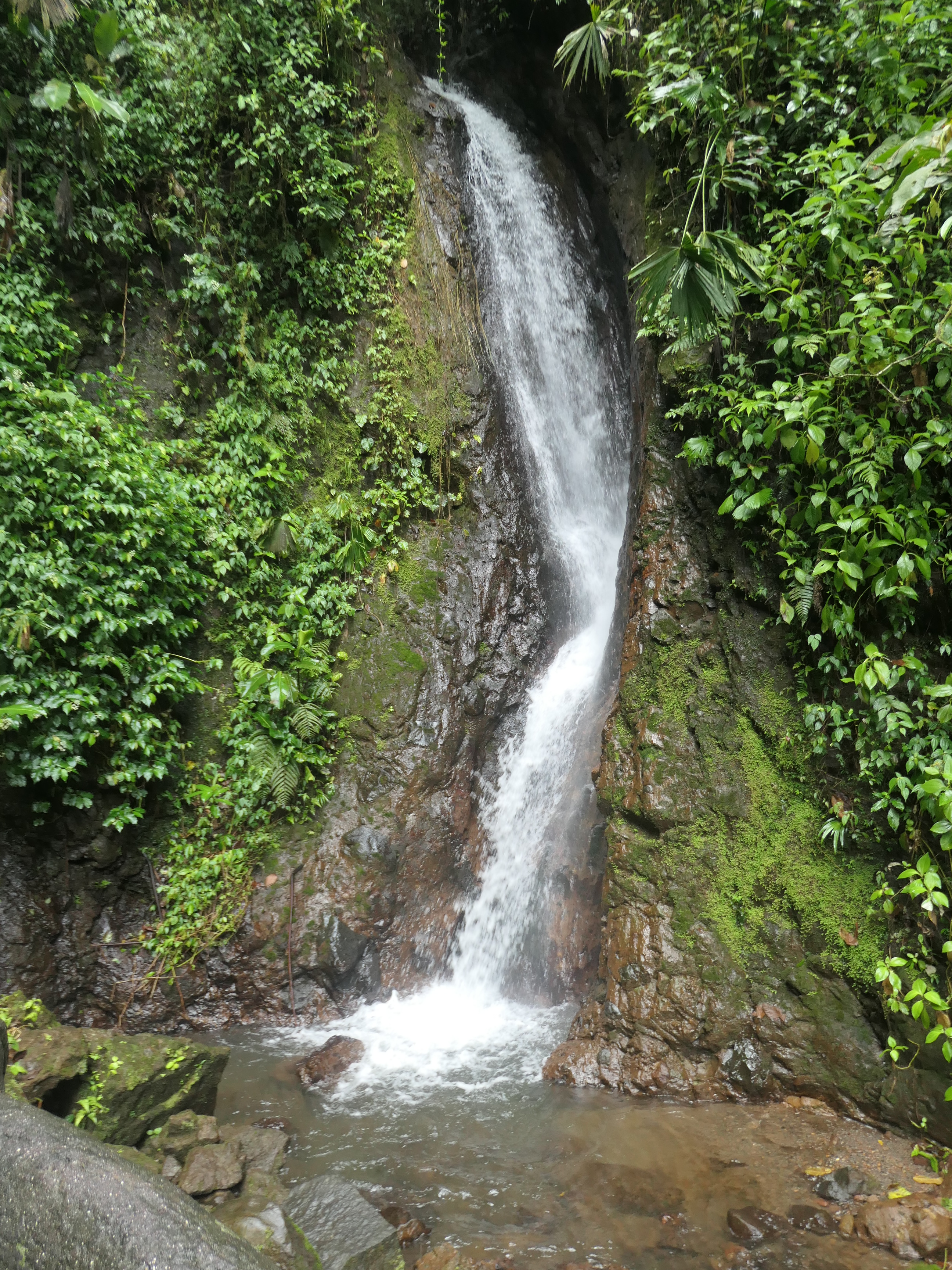
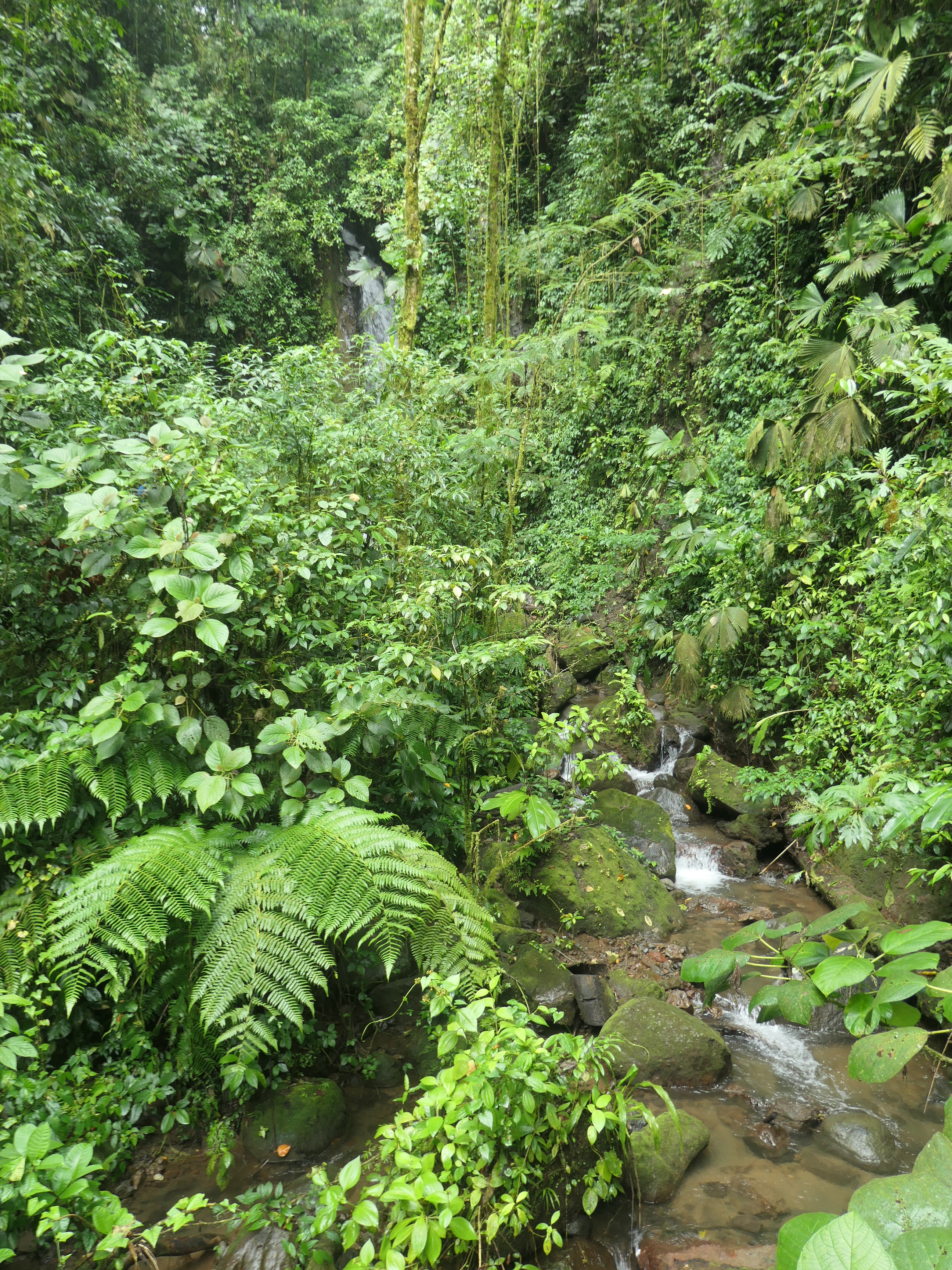
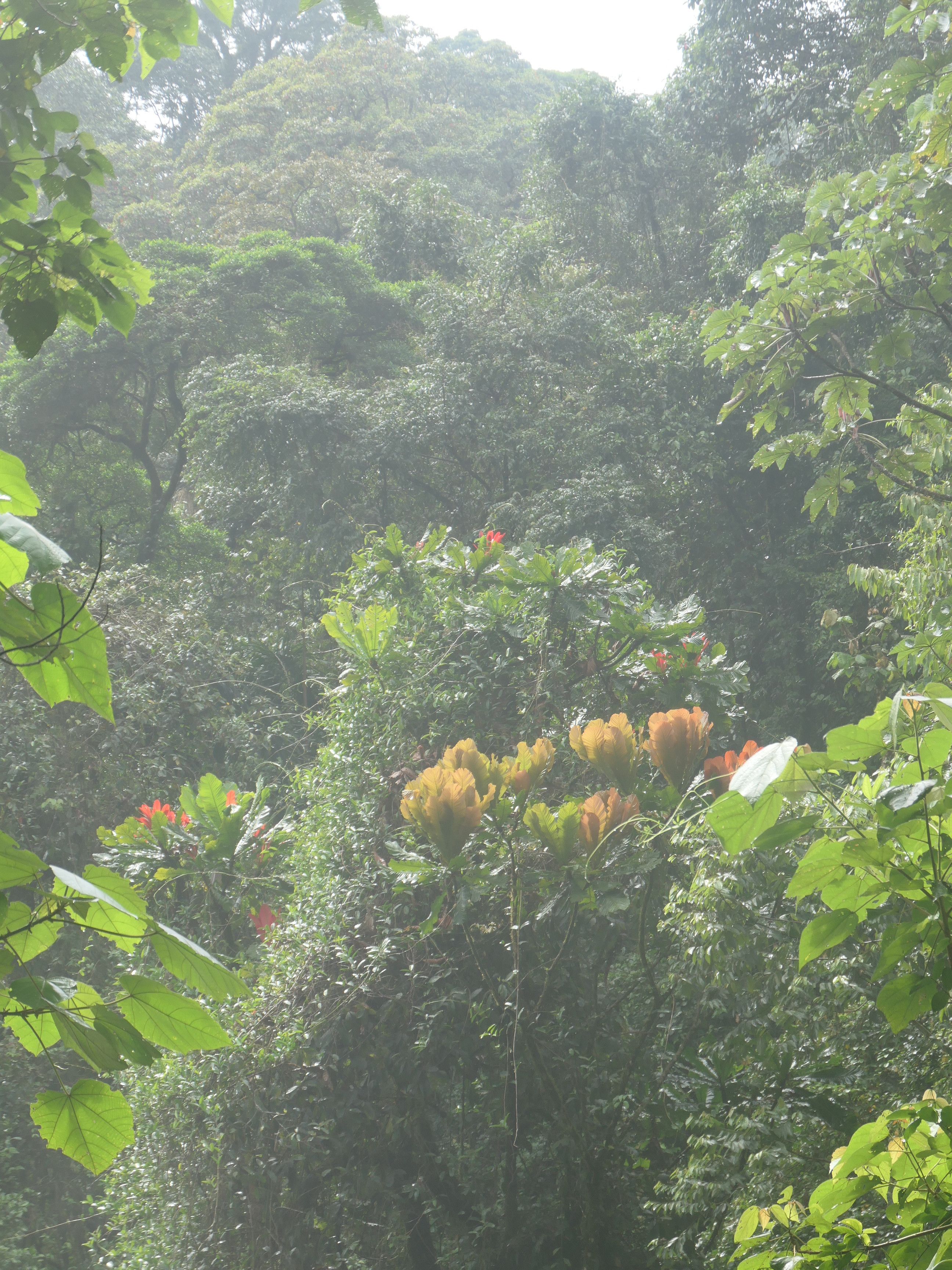
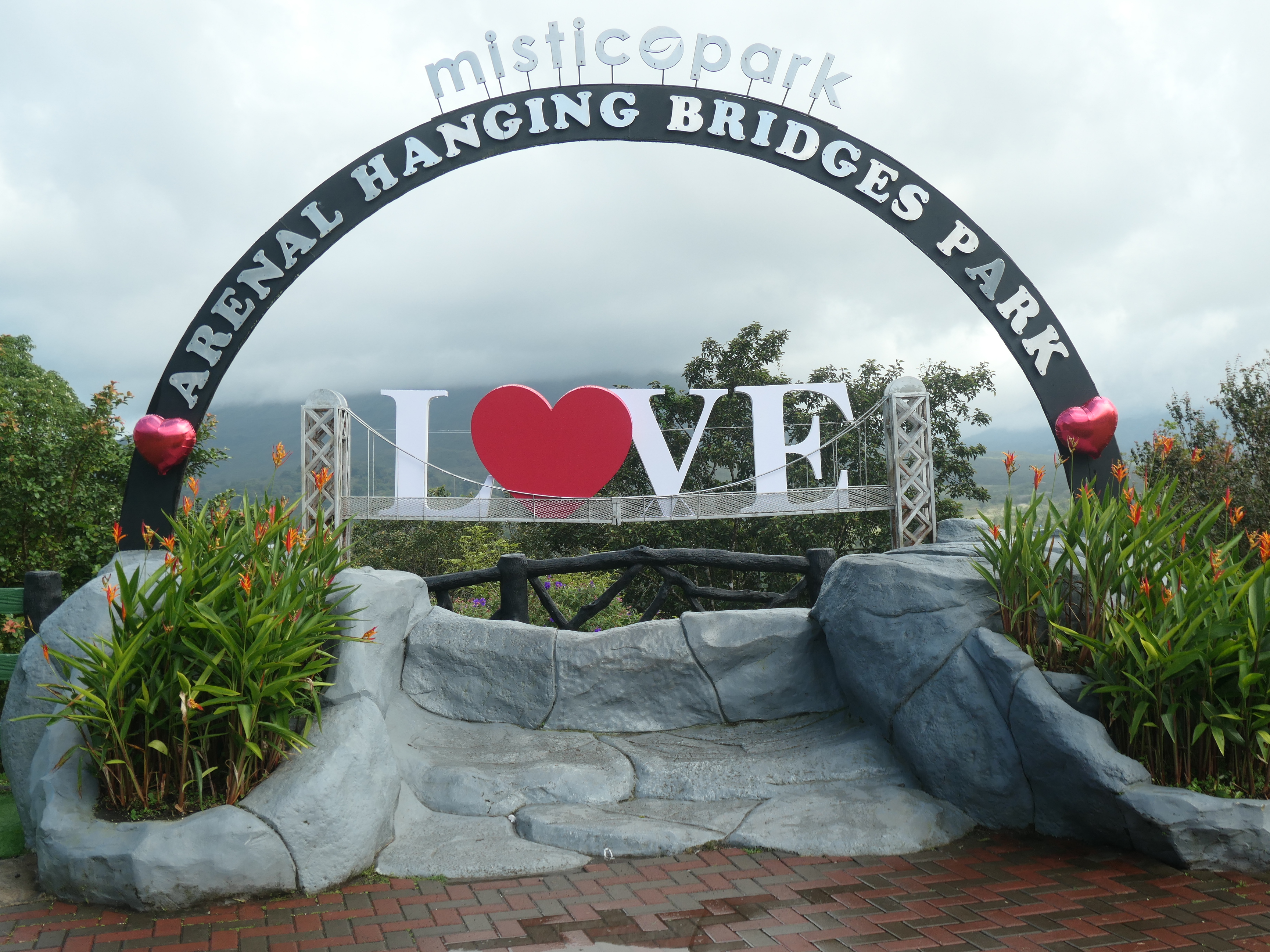
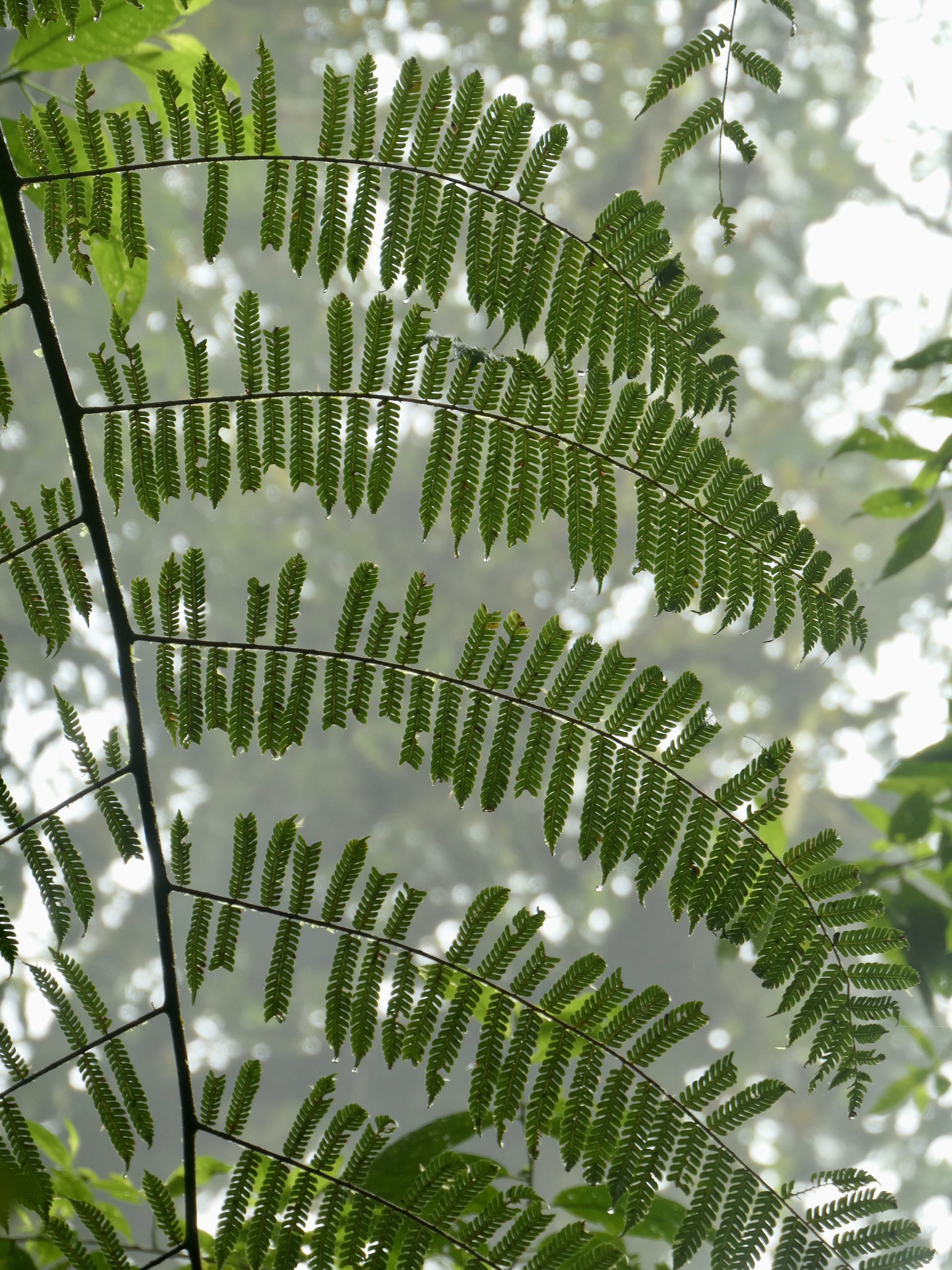
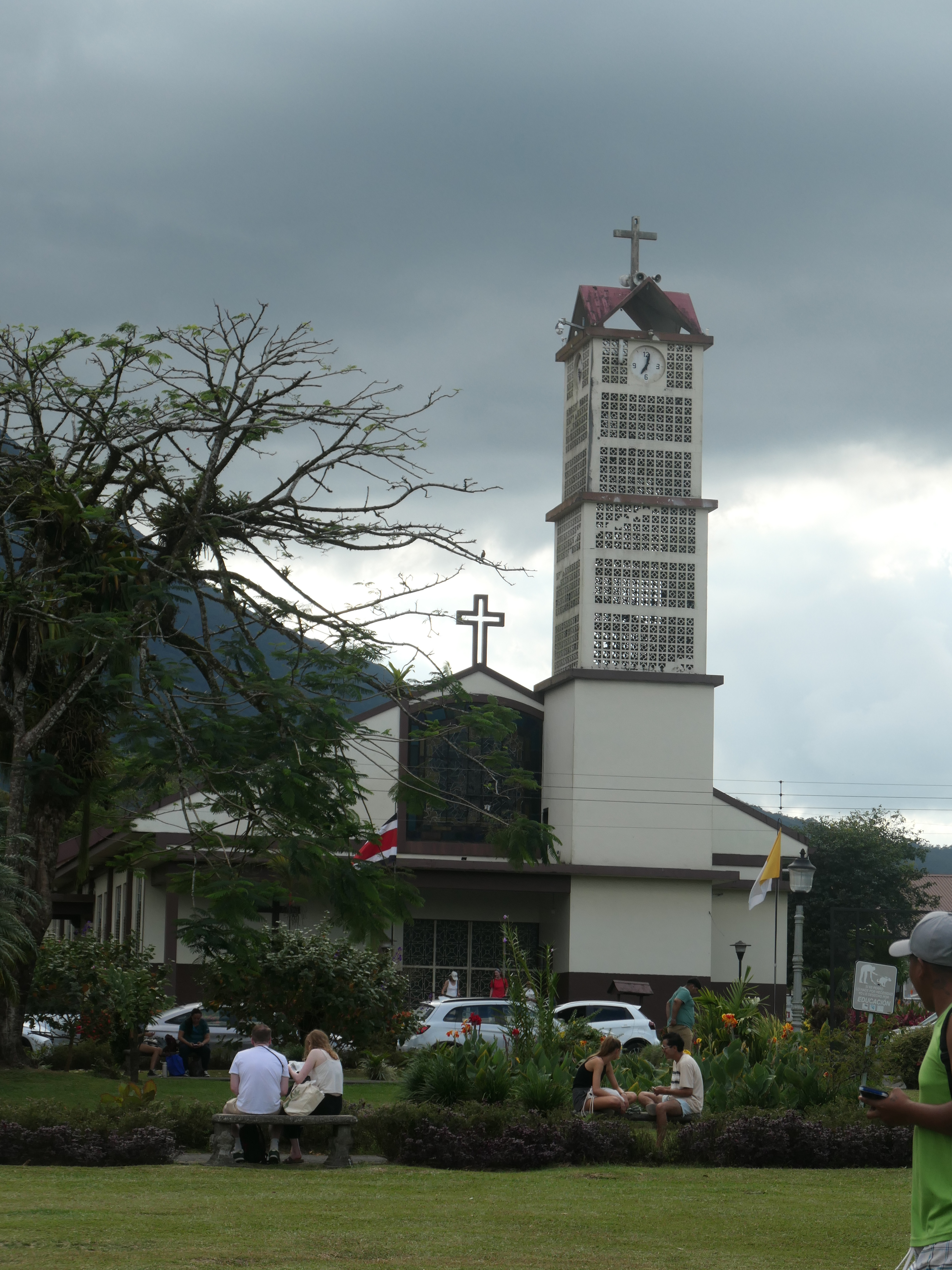
LA FORTUNA
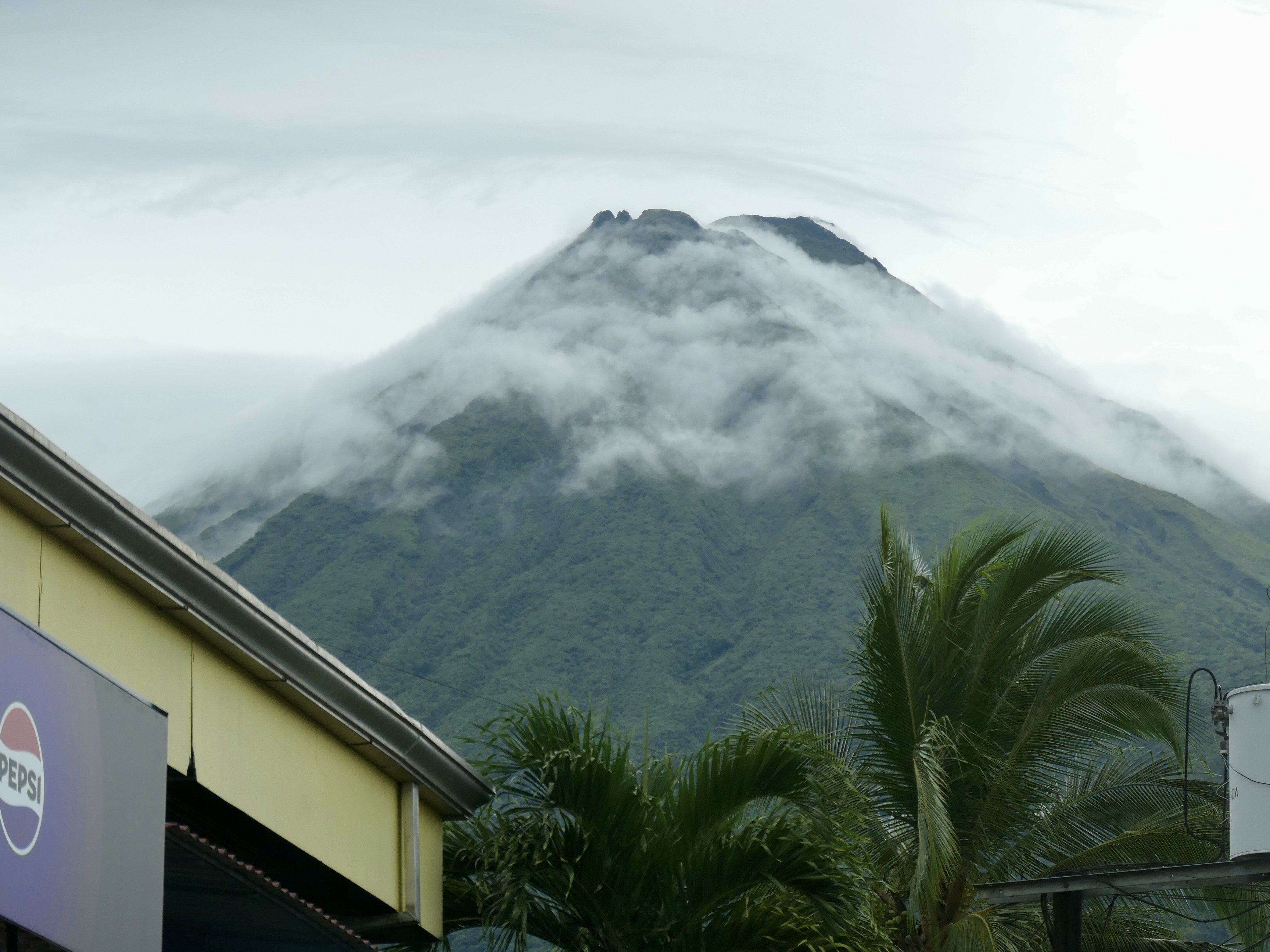
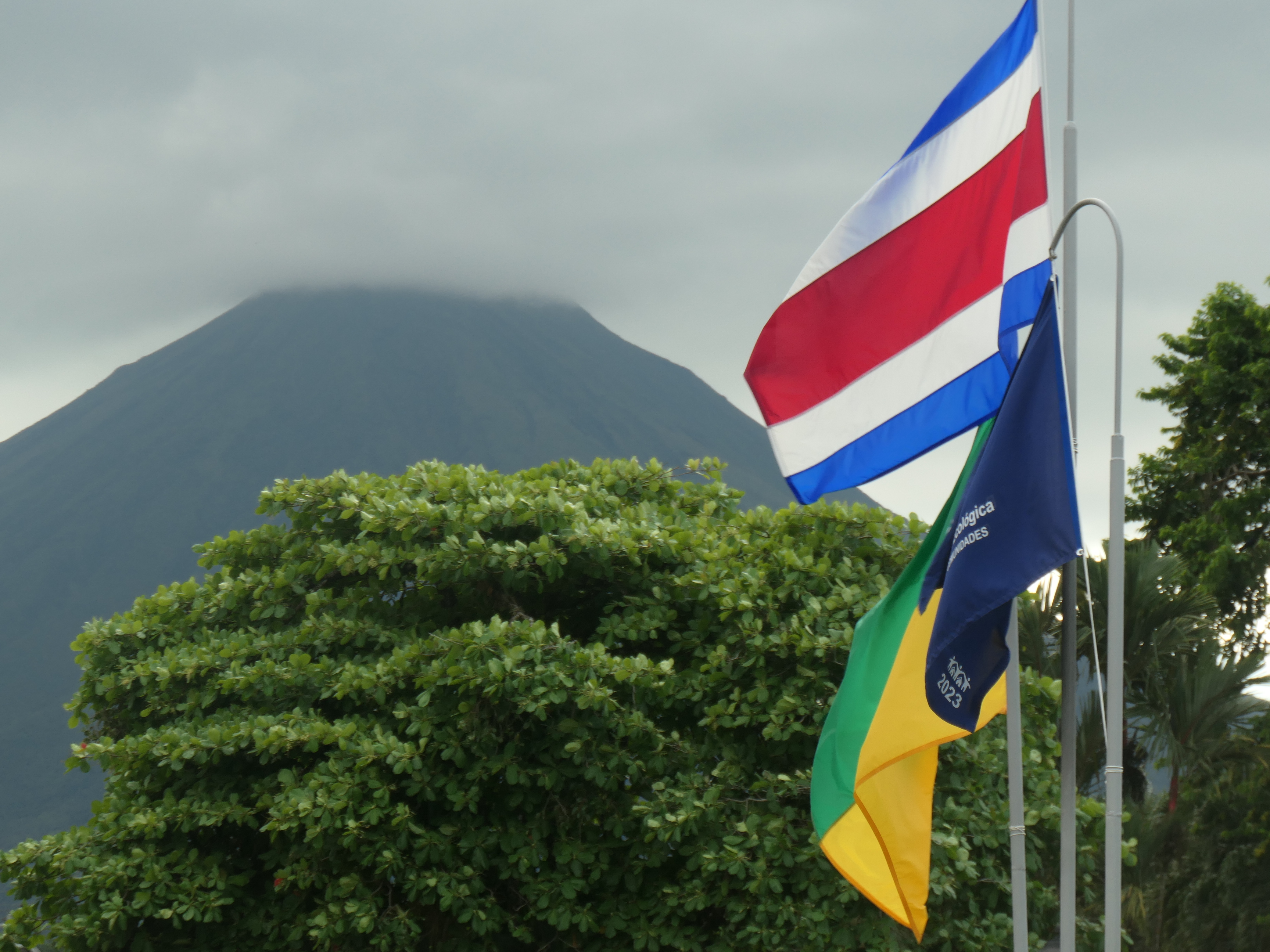
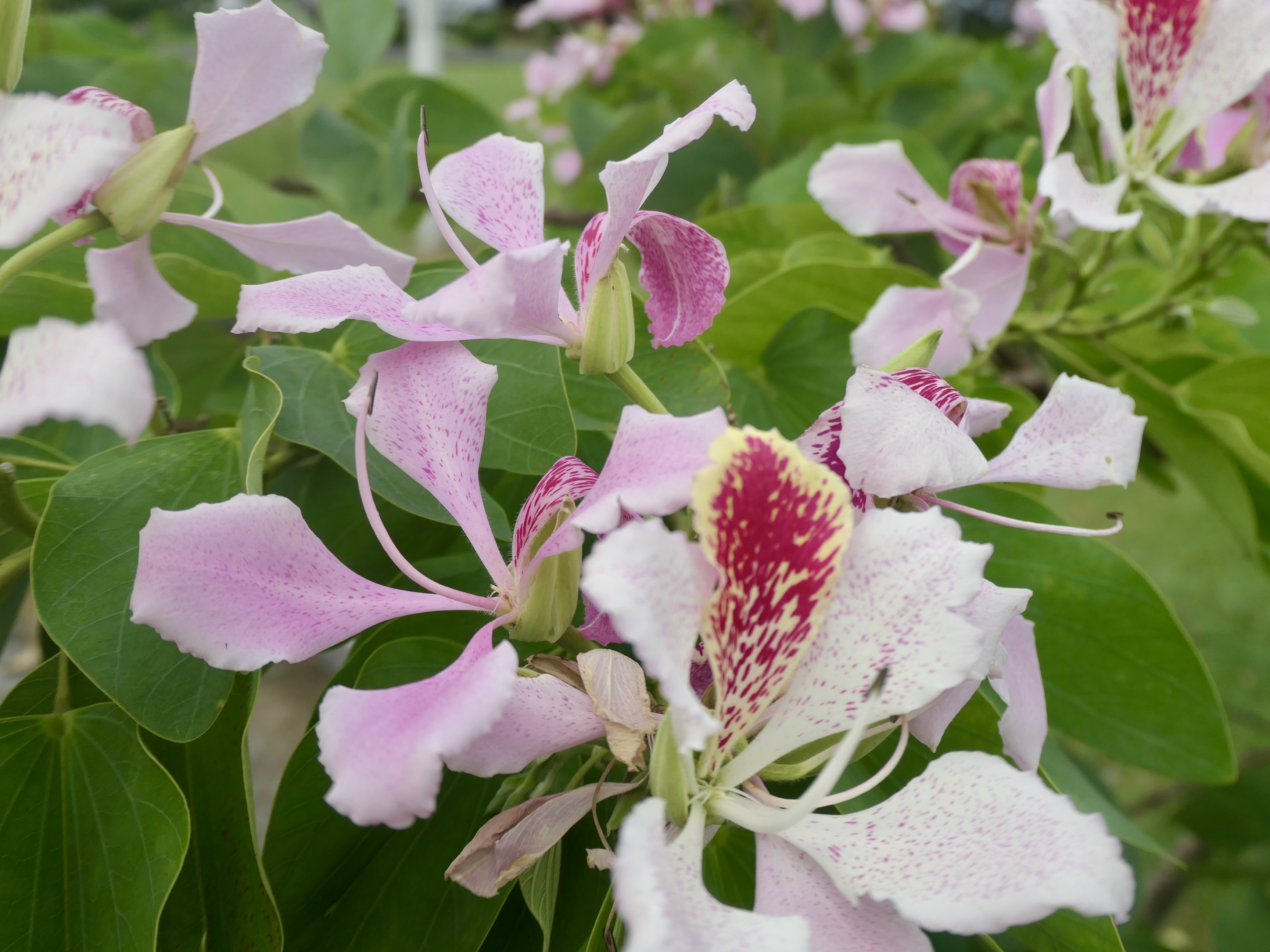

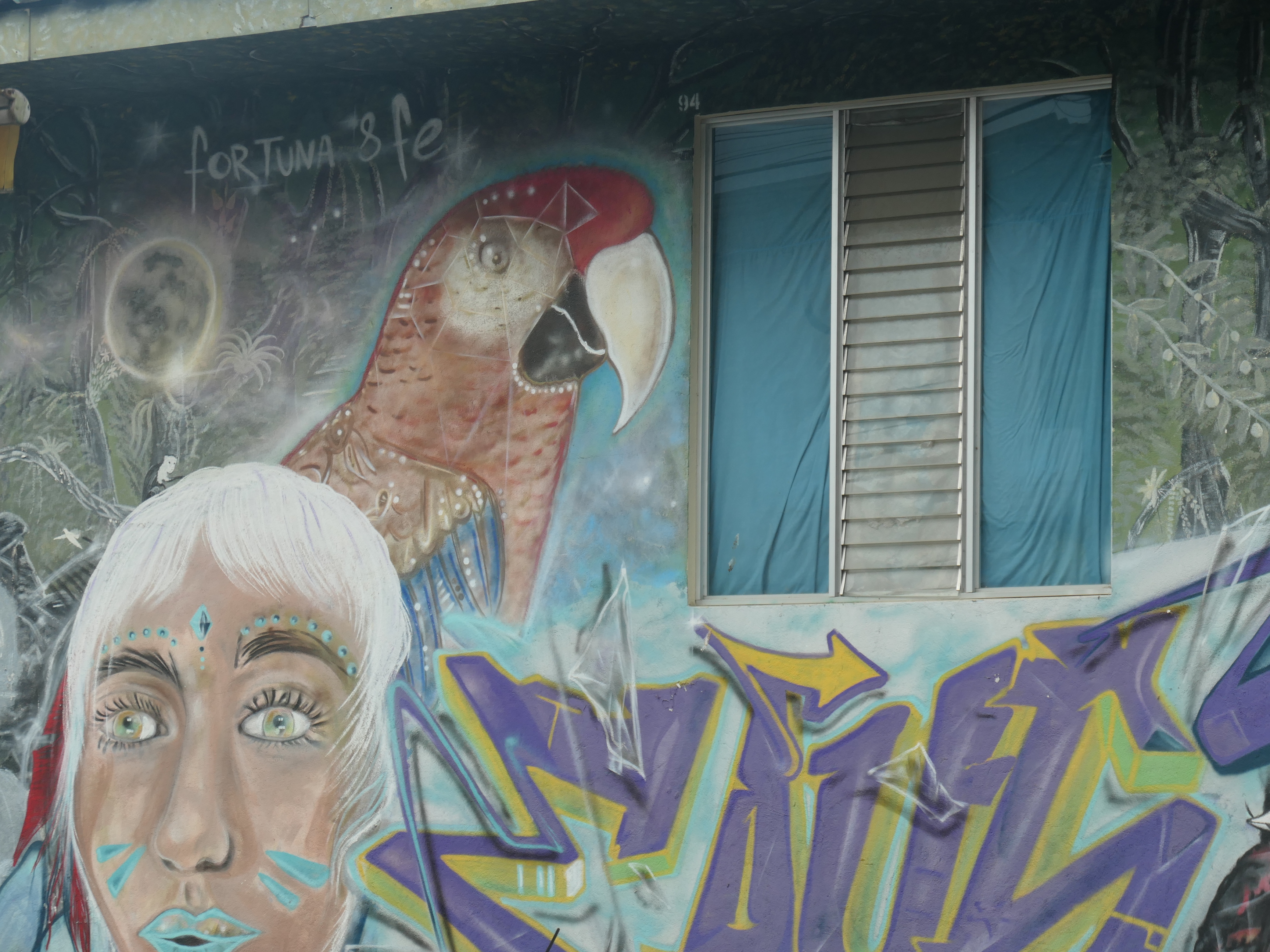
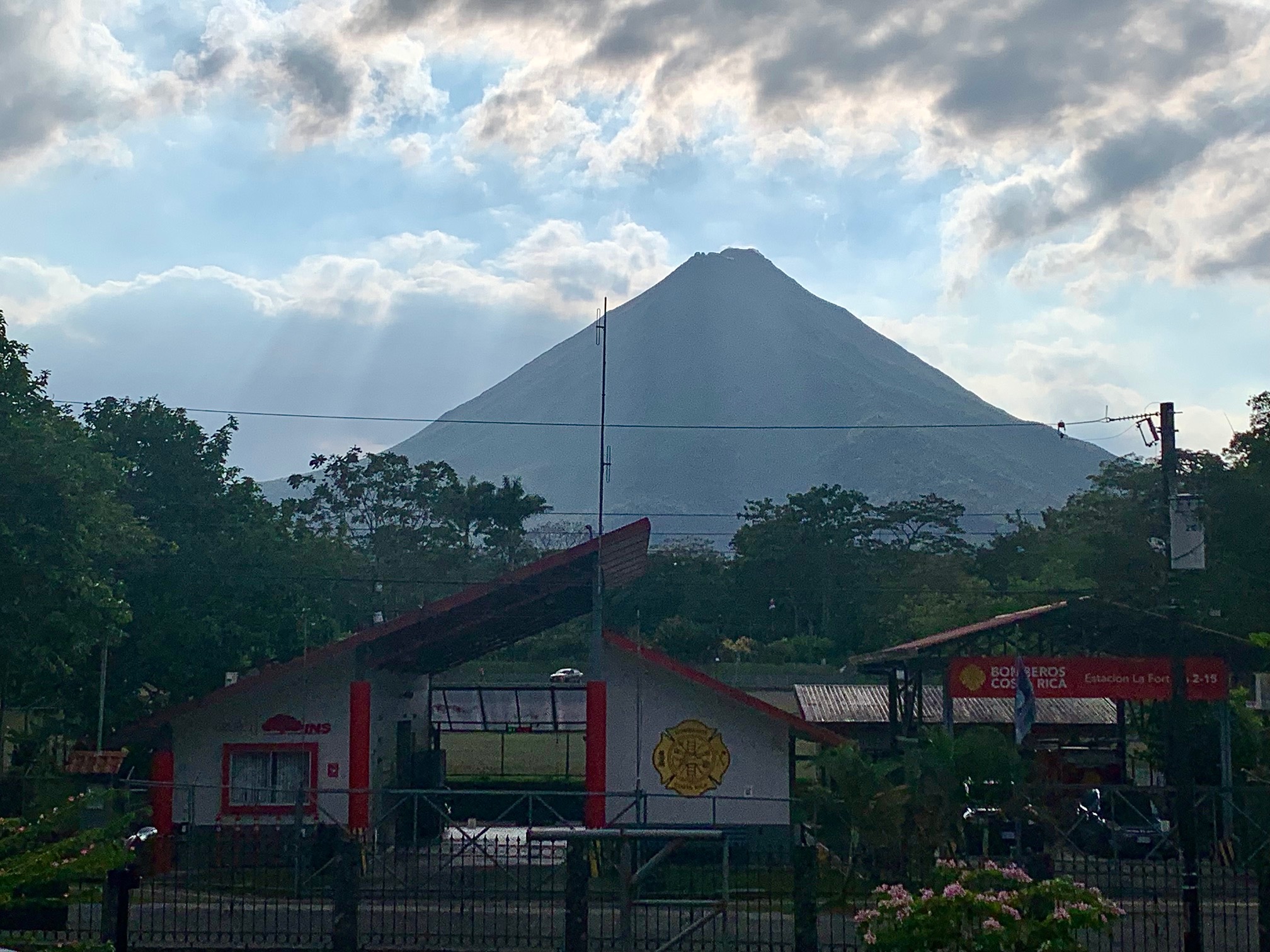

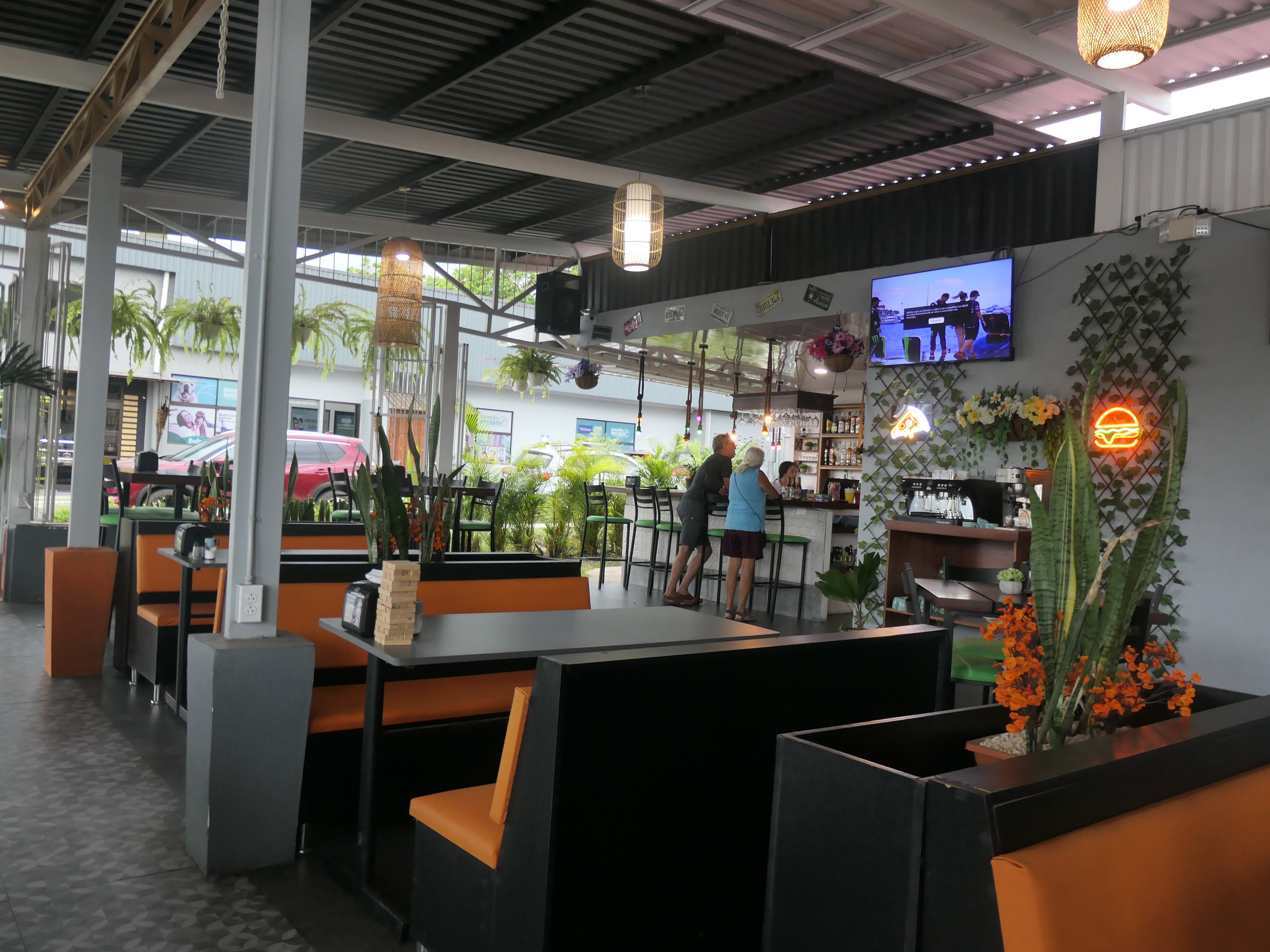

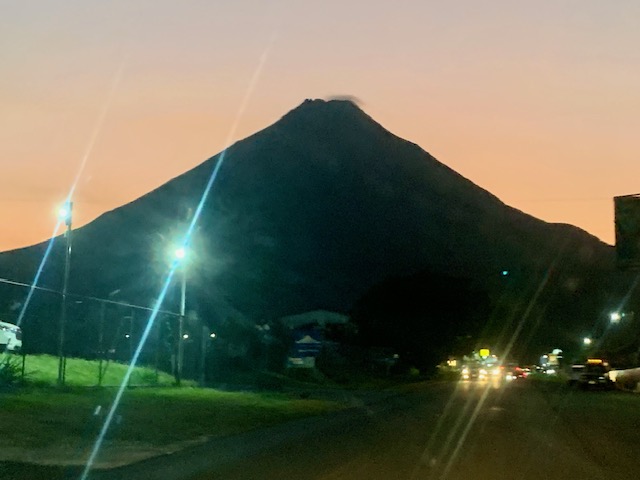

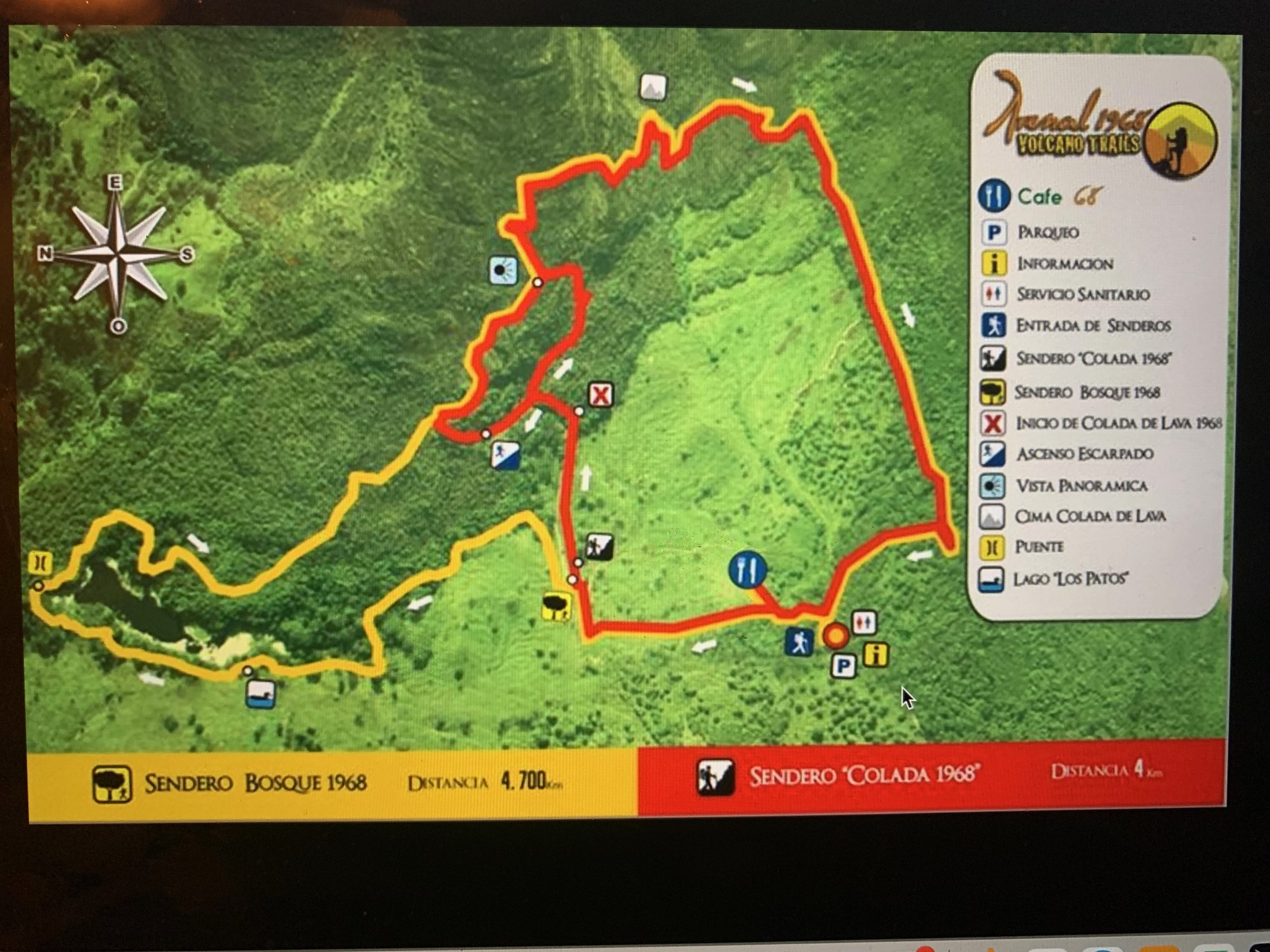
Arenal Volcano National Park: we hiked 2 trails totalling 5.5 km, one over lava fields, one through the rainforest (>100m elevation gain)
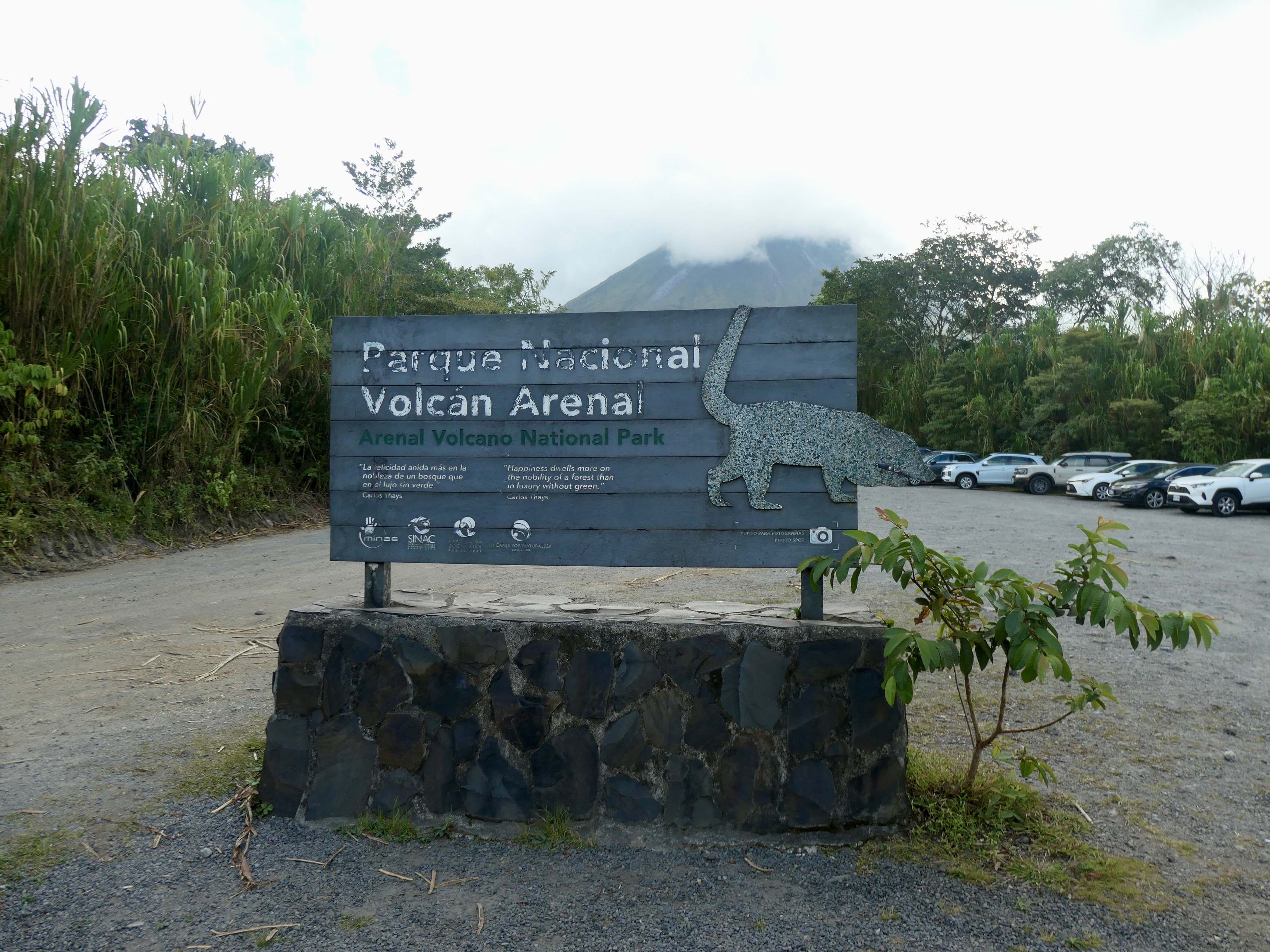

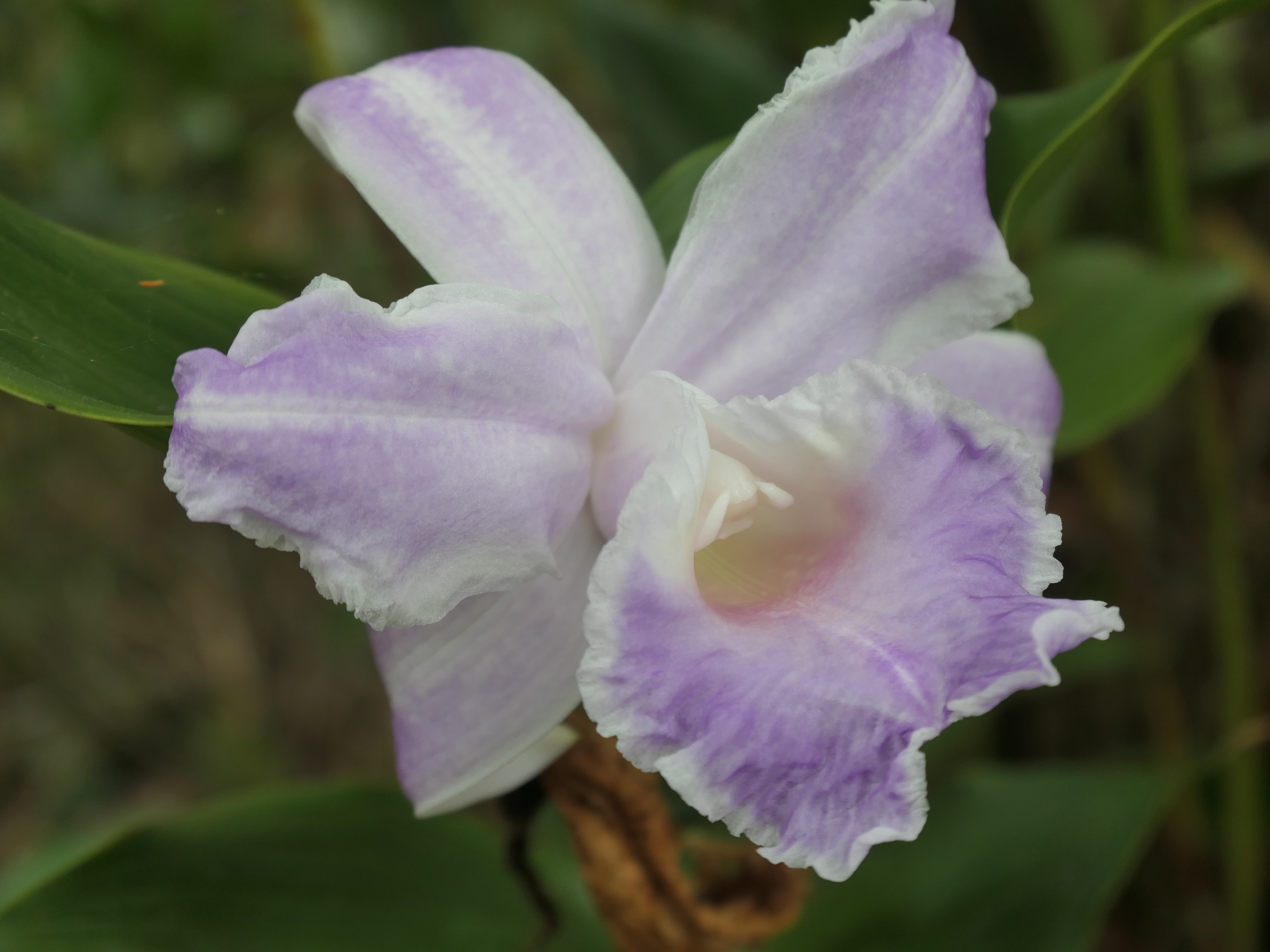
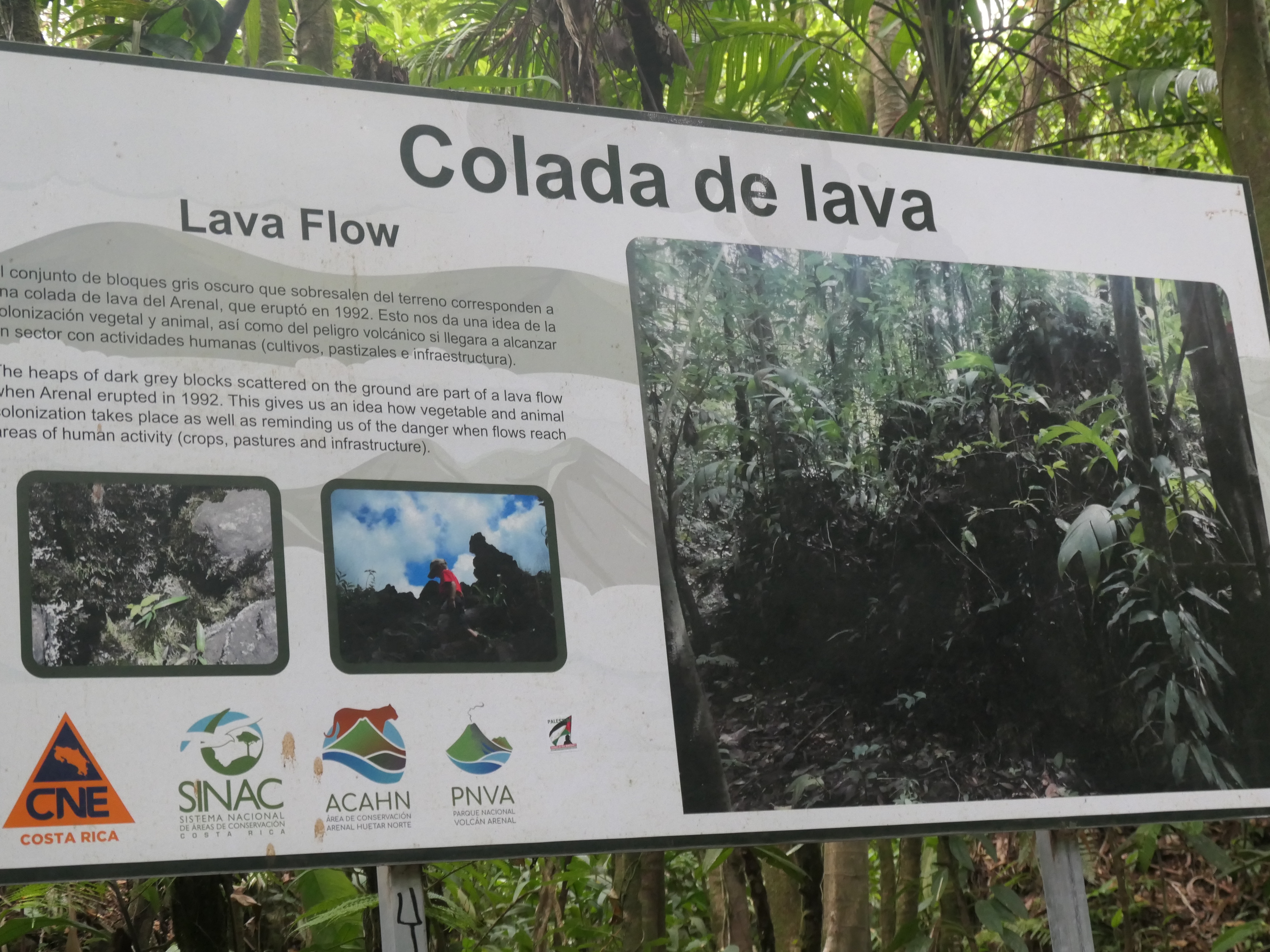


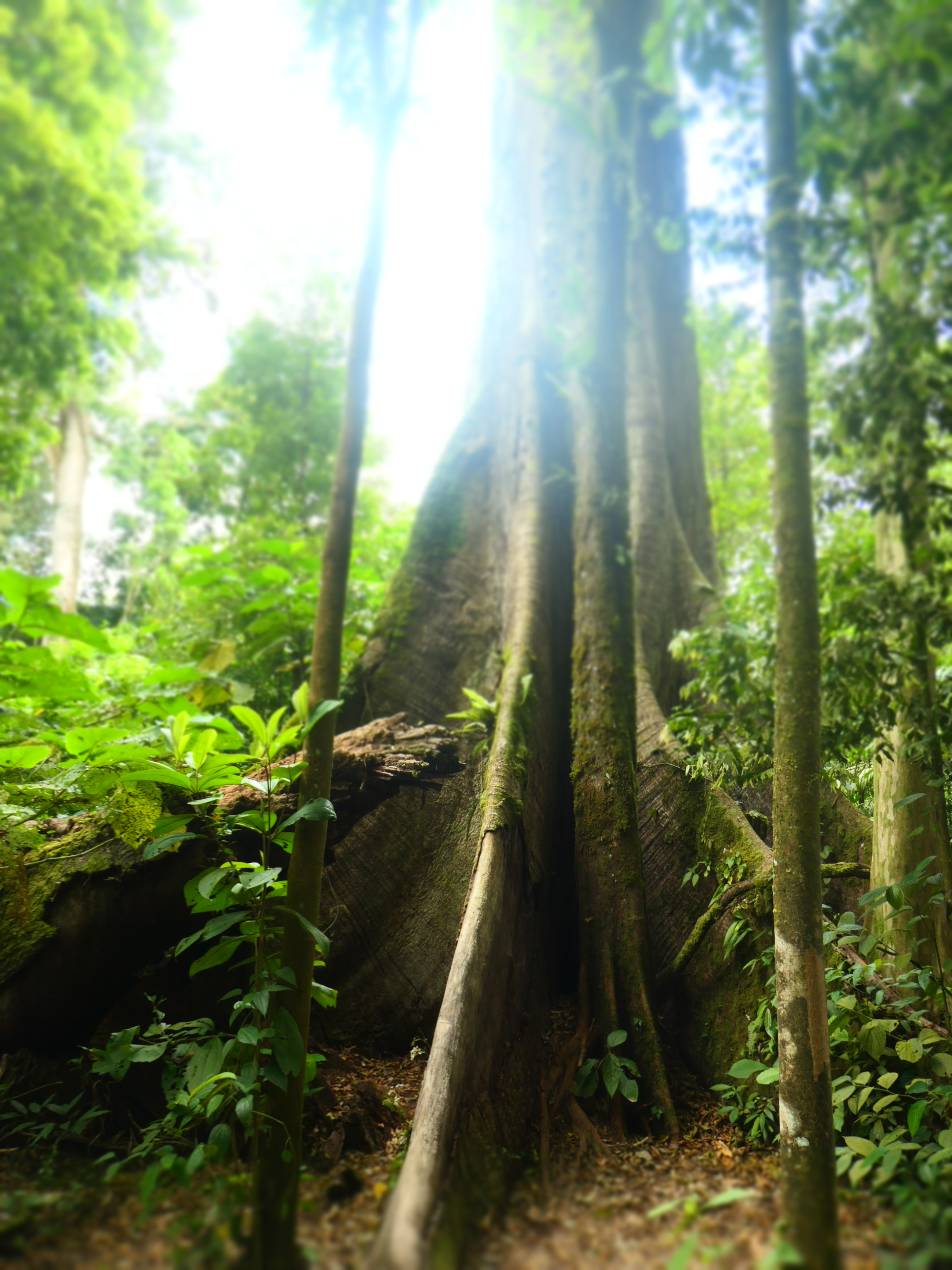
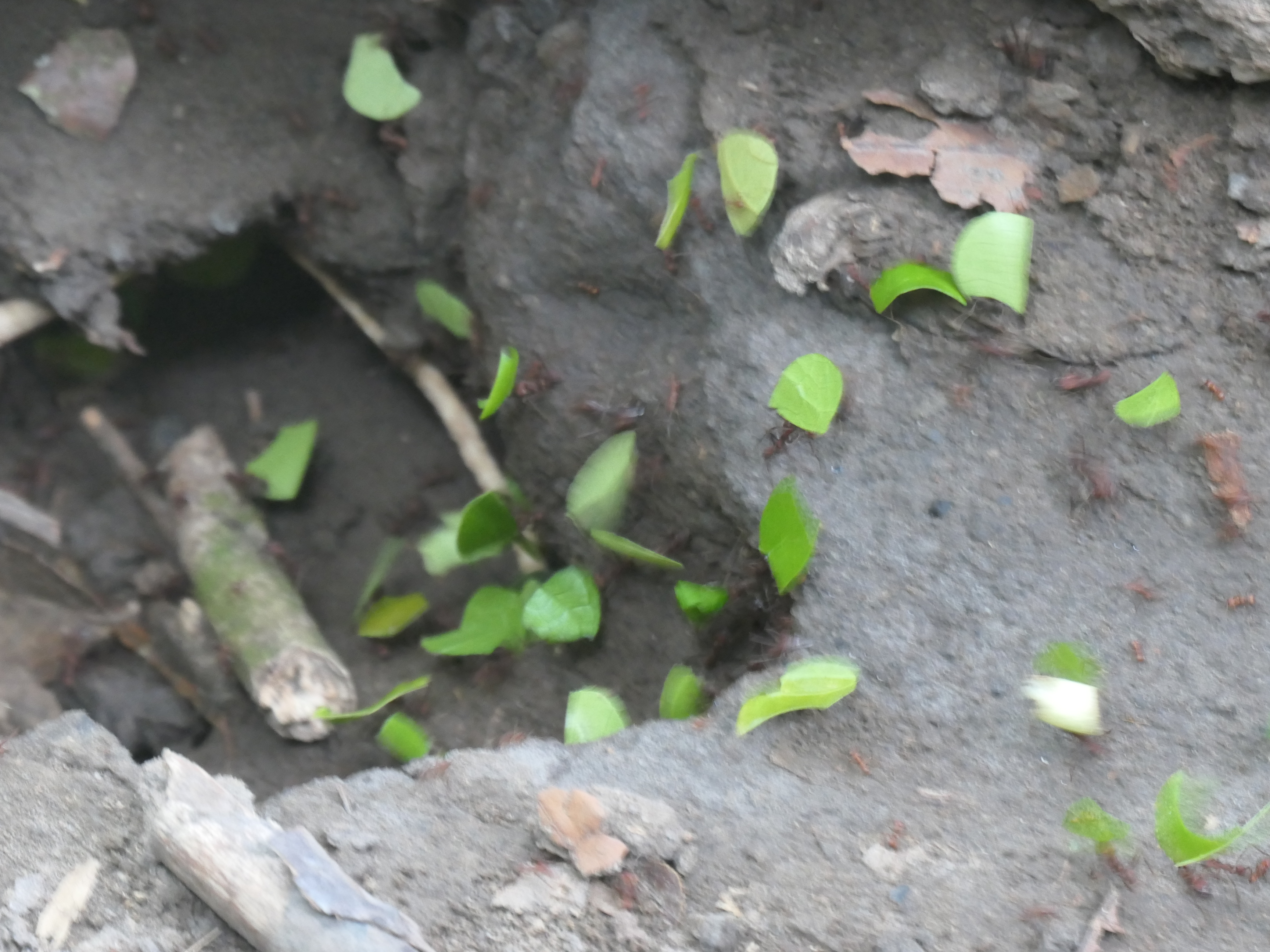

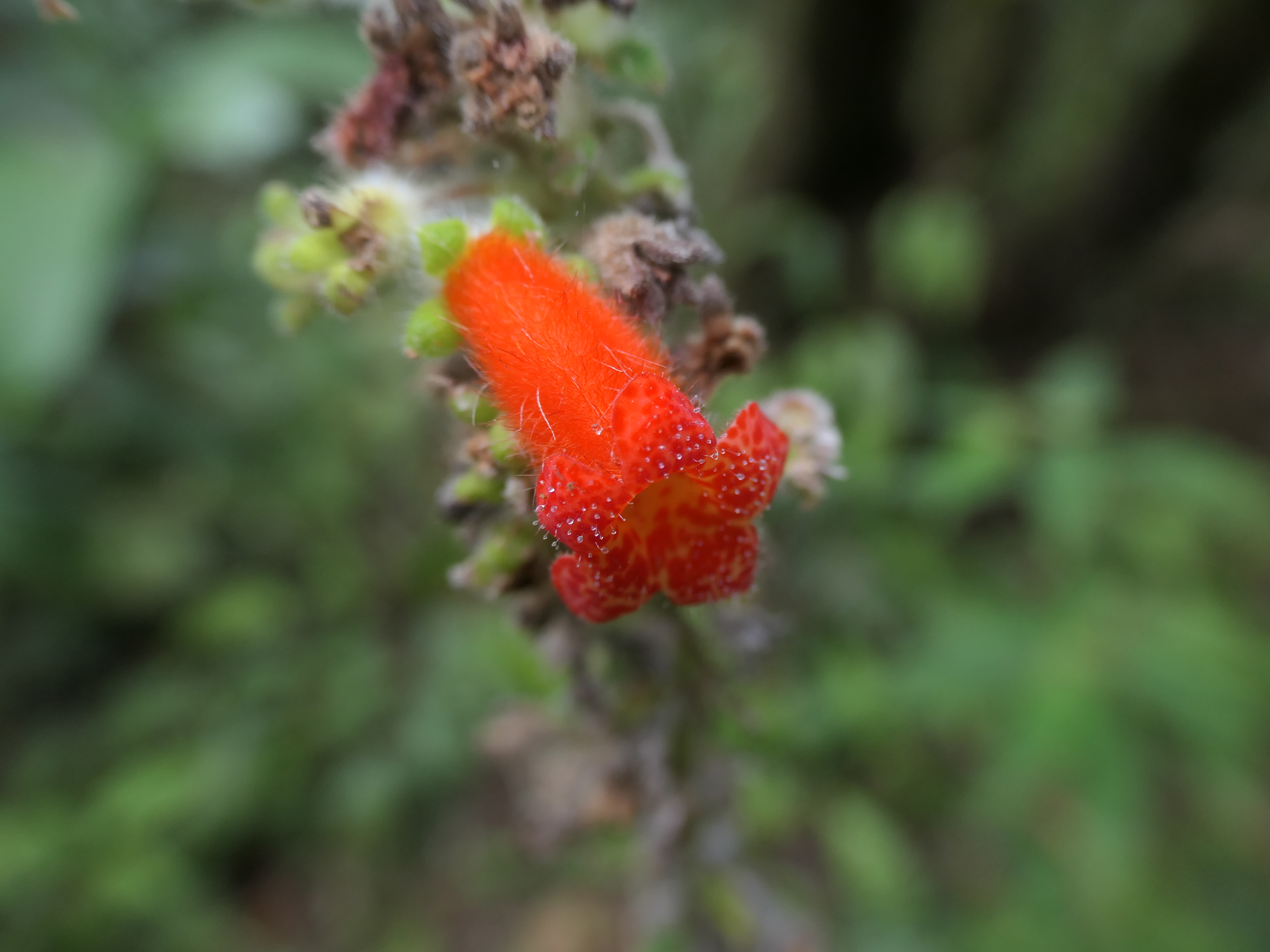


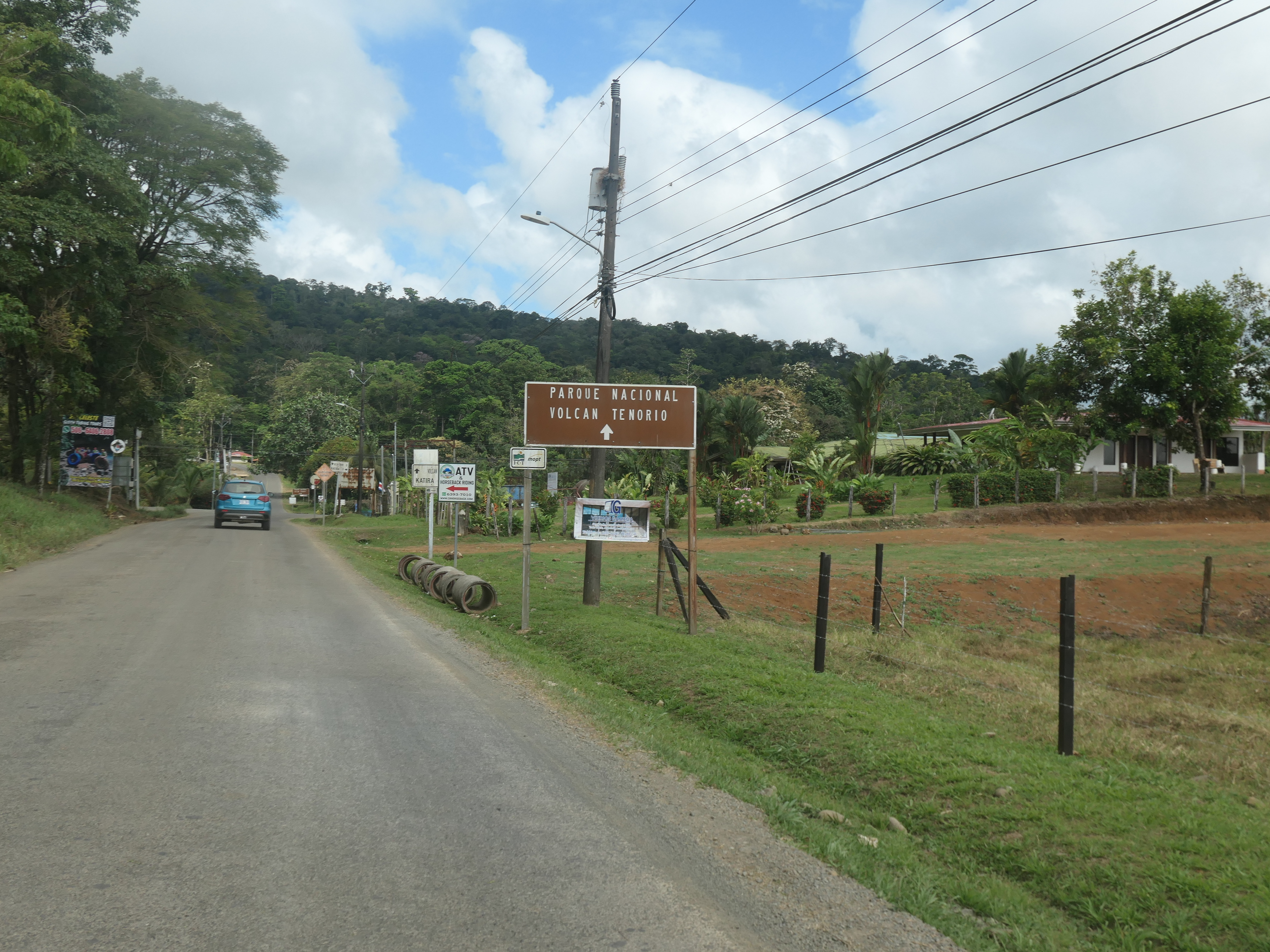
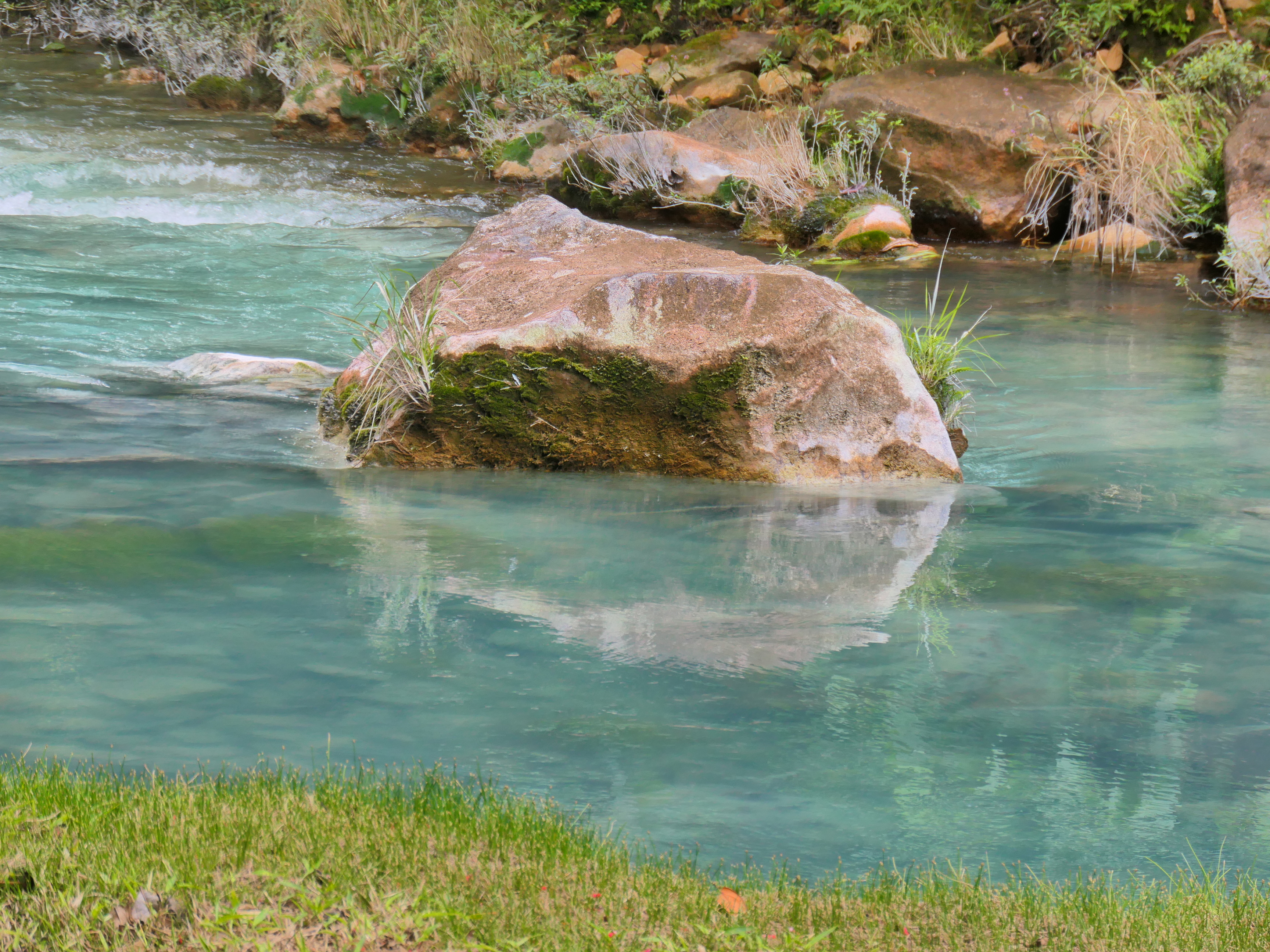
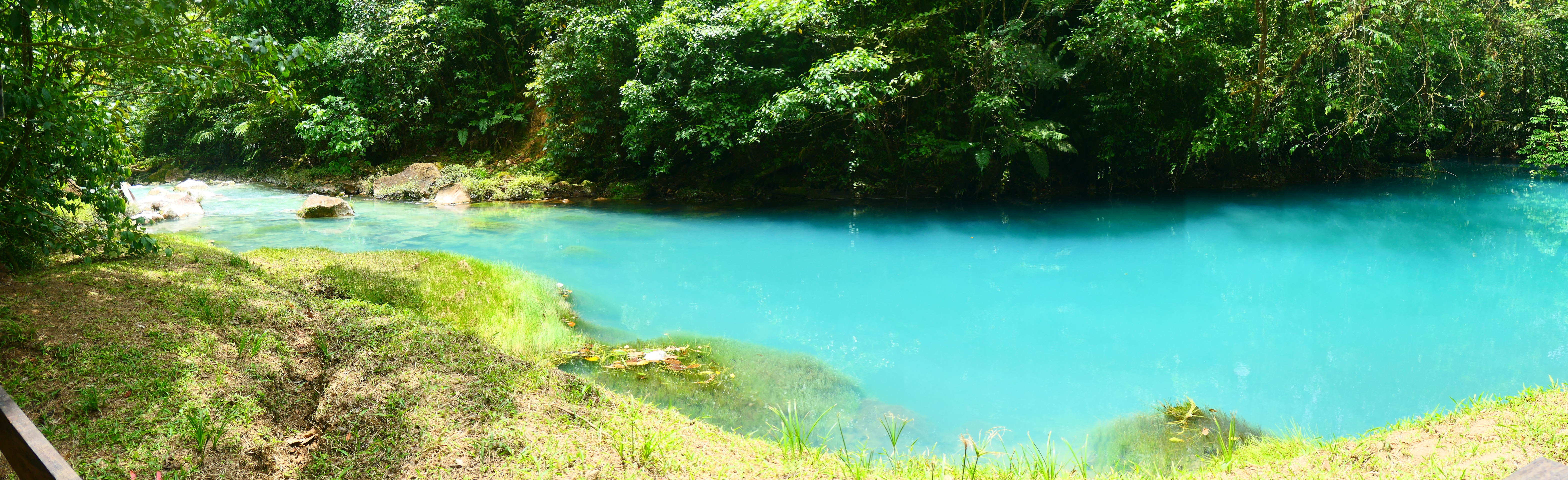
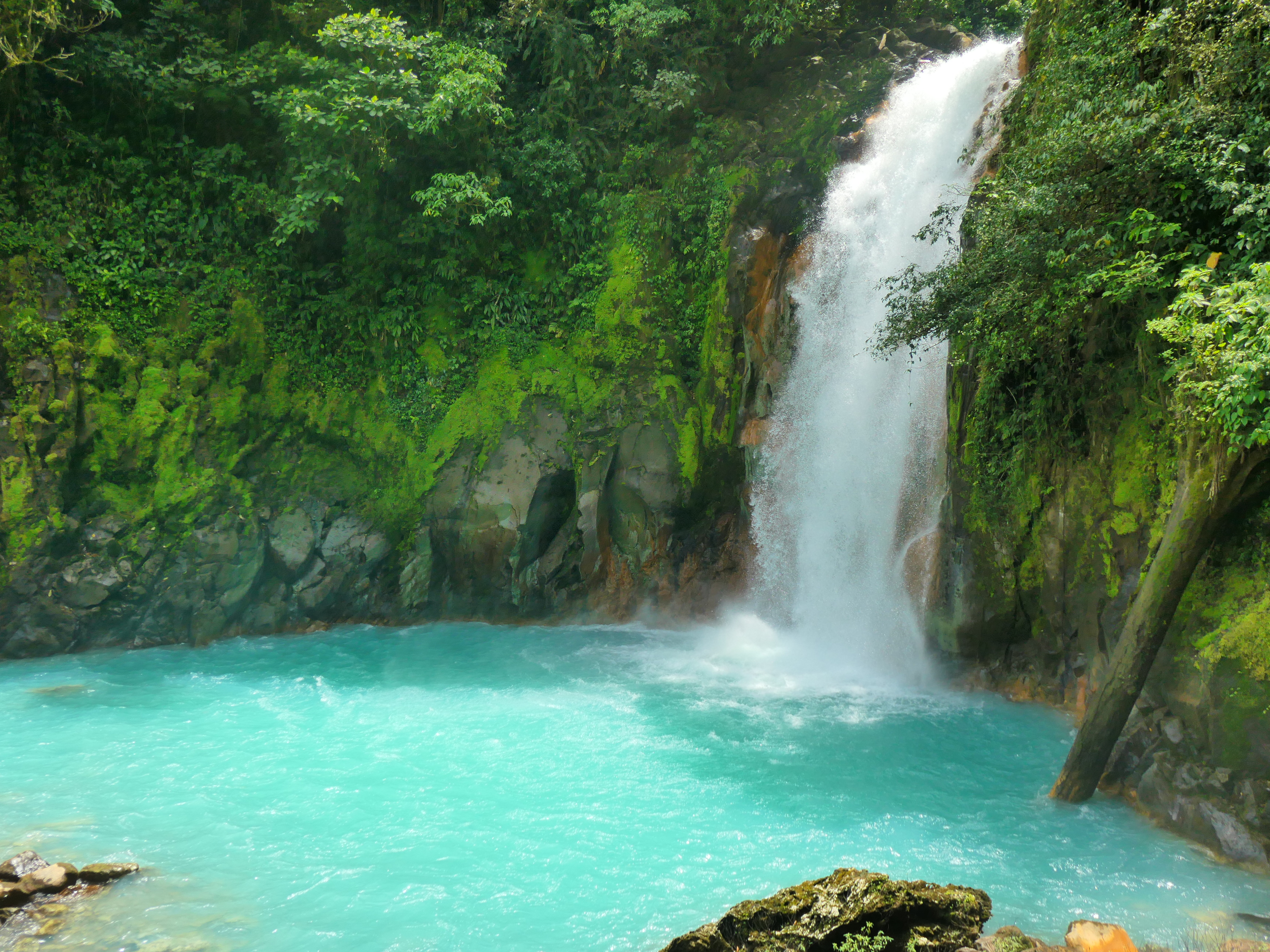
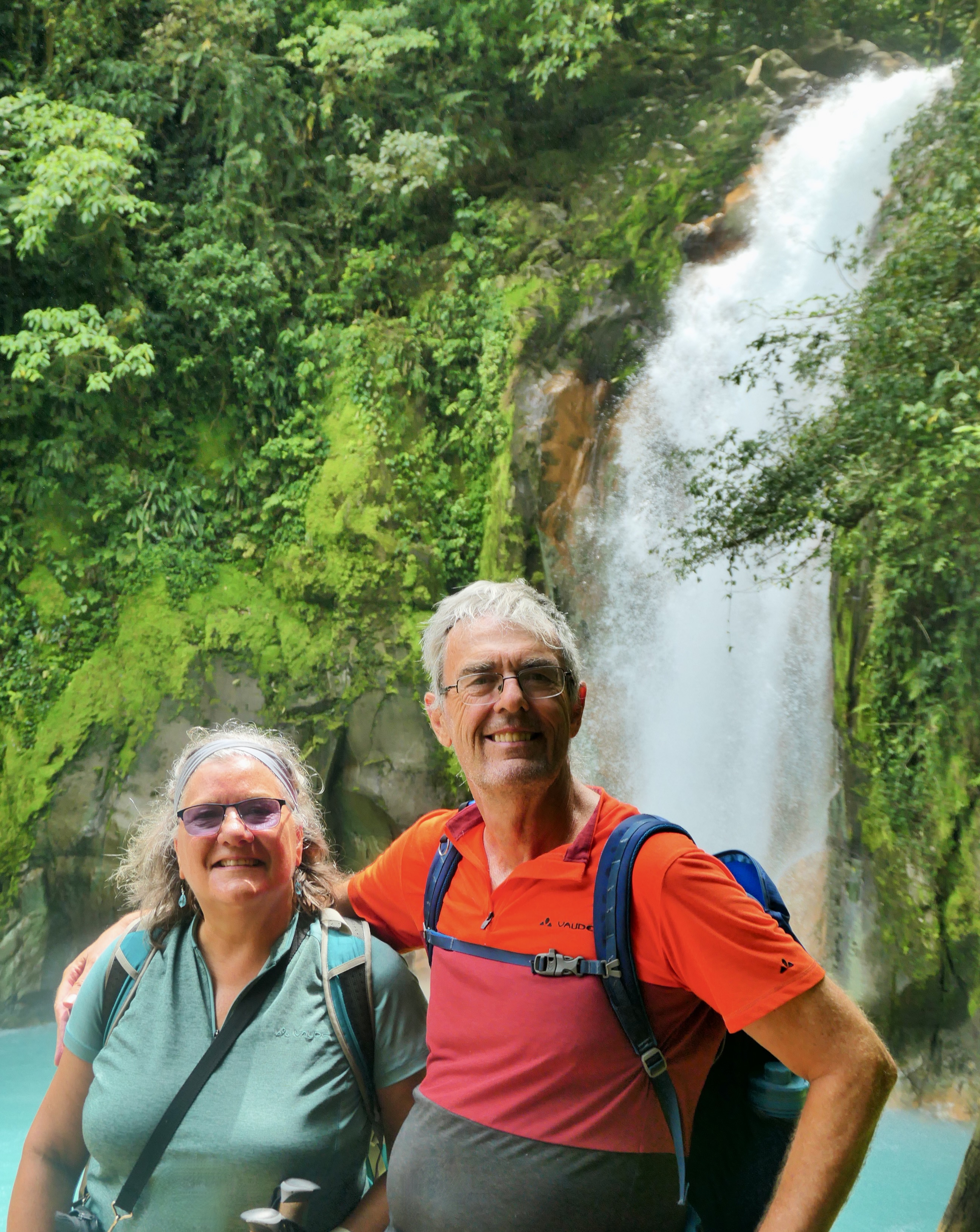
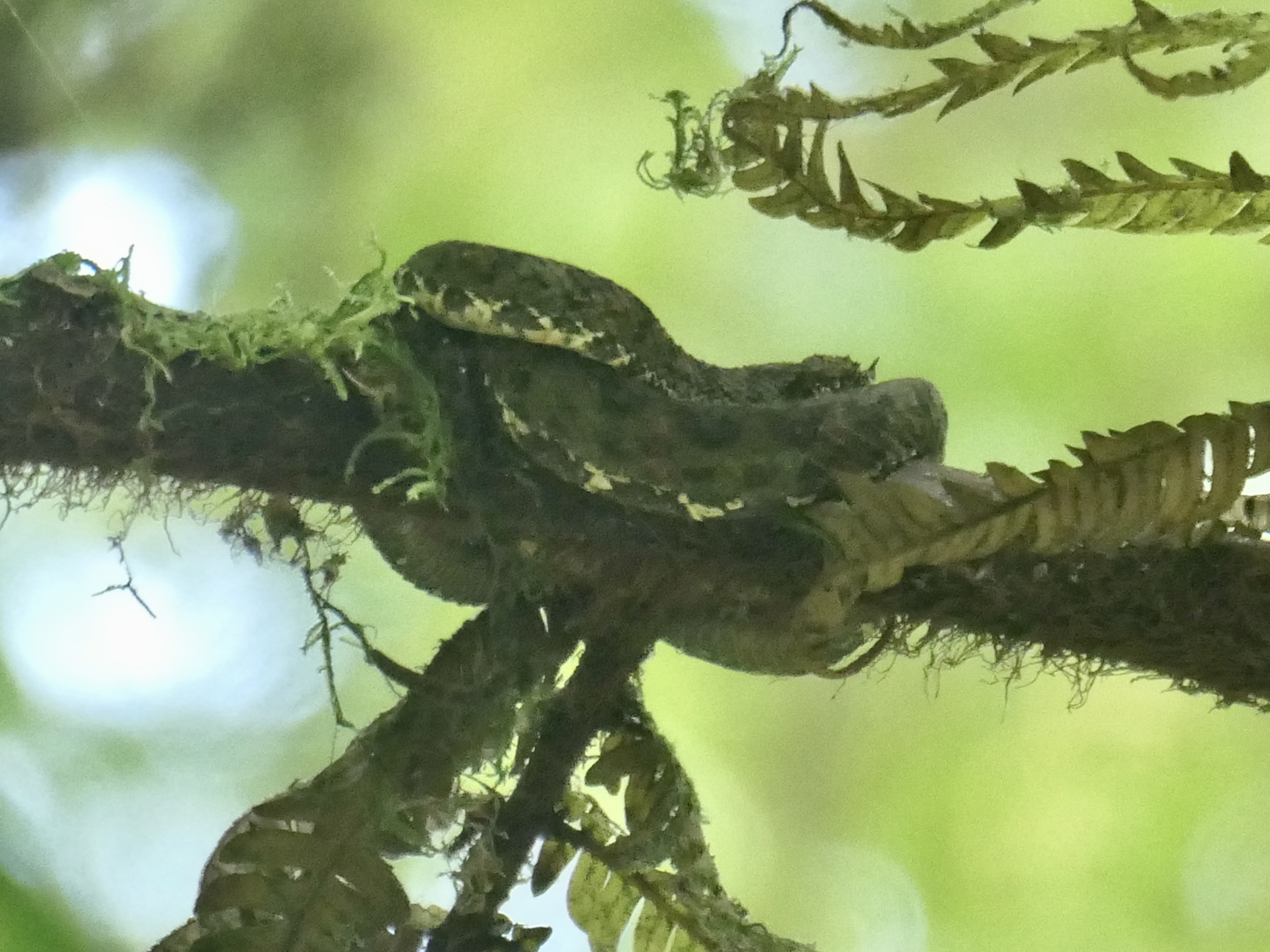
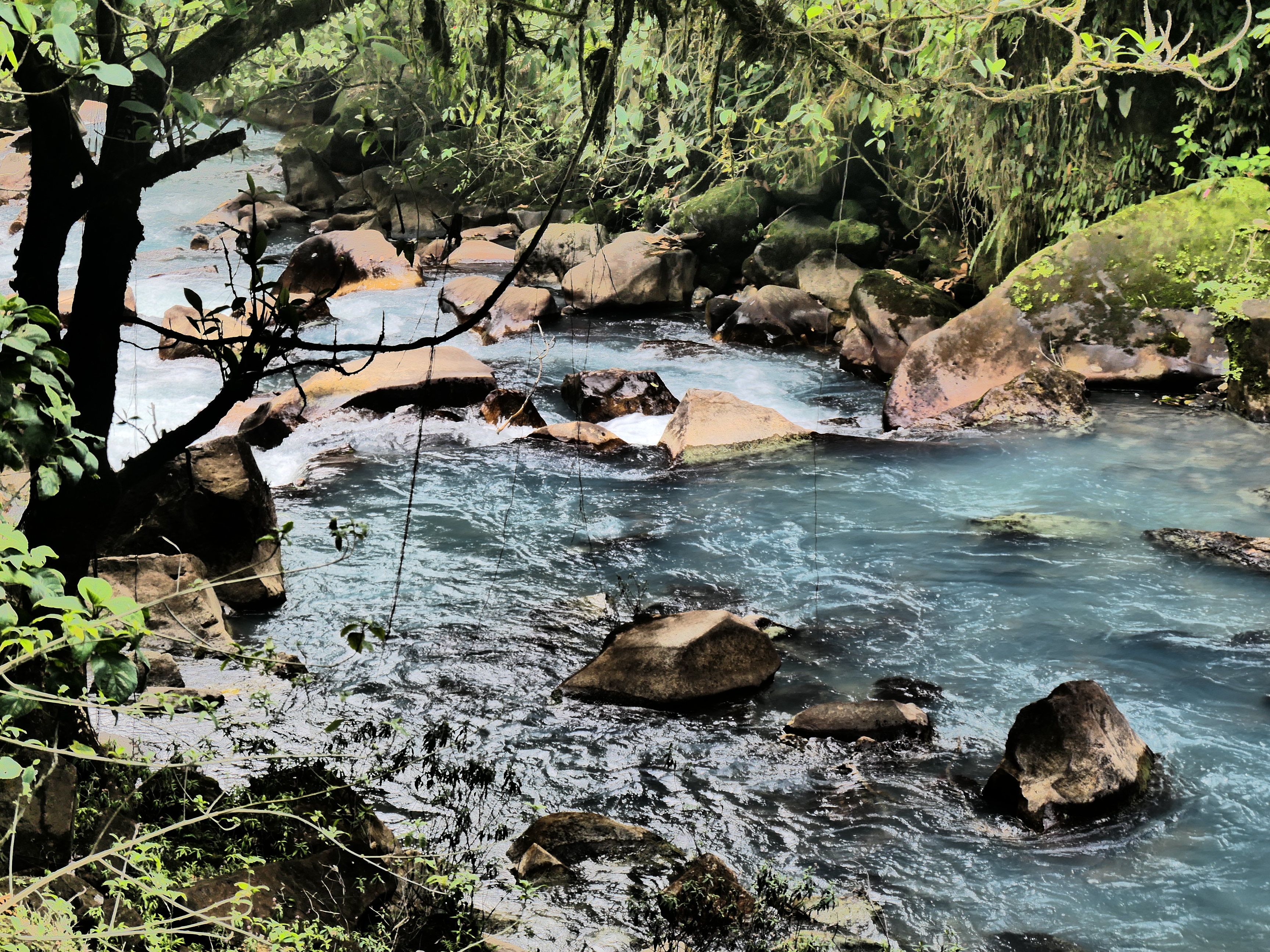
Tenorio Volcano National Park / Rio Celeste: a 2-hour drive north of La Fortuna, half on paved highway, half on rugged local road. A more challenging hike overall at 6.5 km (250M elevation gain); the first 1.5 km is relatively easy at which point you can access the 250-step steep stairway down to the waterfall (and of course, 250 steps back up); the remaining hike continues to climb on more rocky terrain to the conjunction of the two rivers that produce the bright blue waters of Rio Celeste.





Lake Arenal / Nuevo Arenal
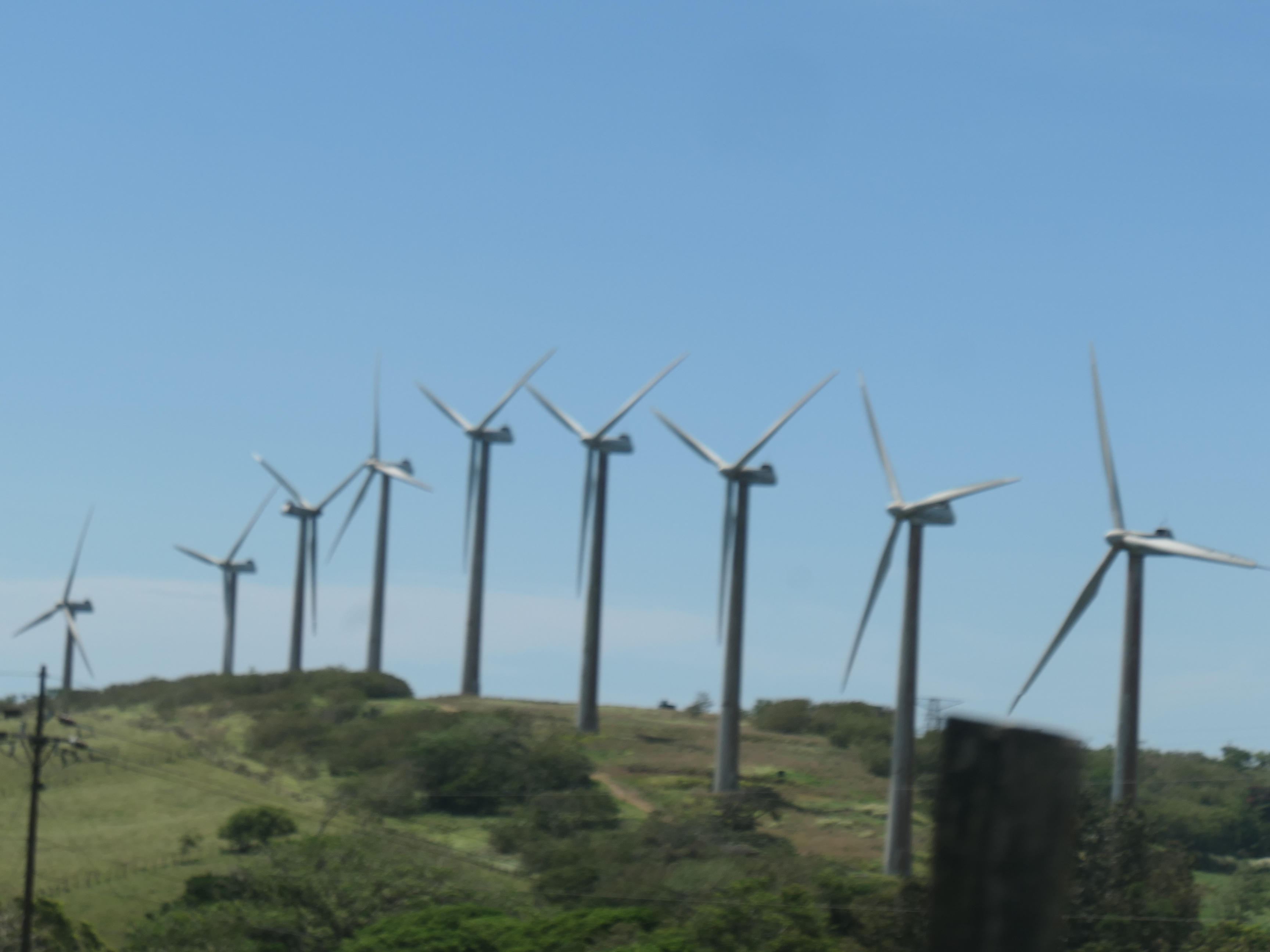
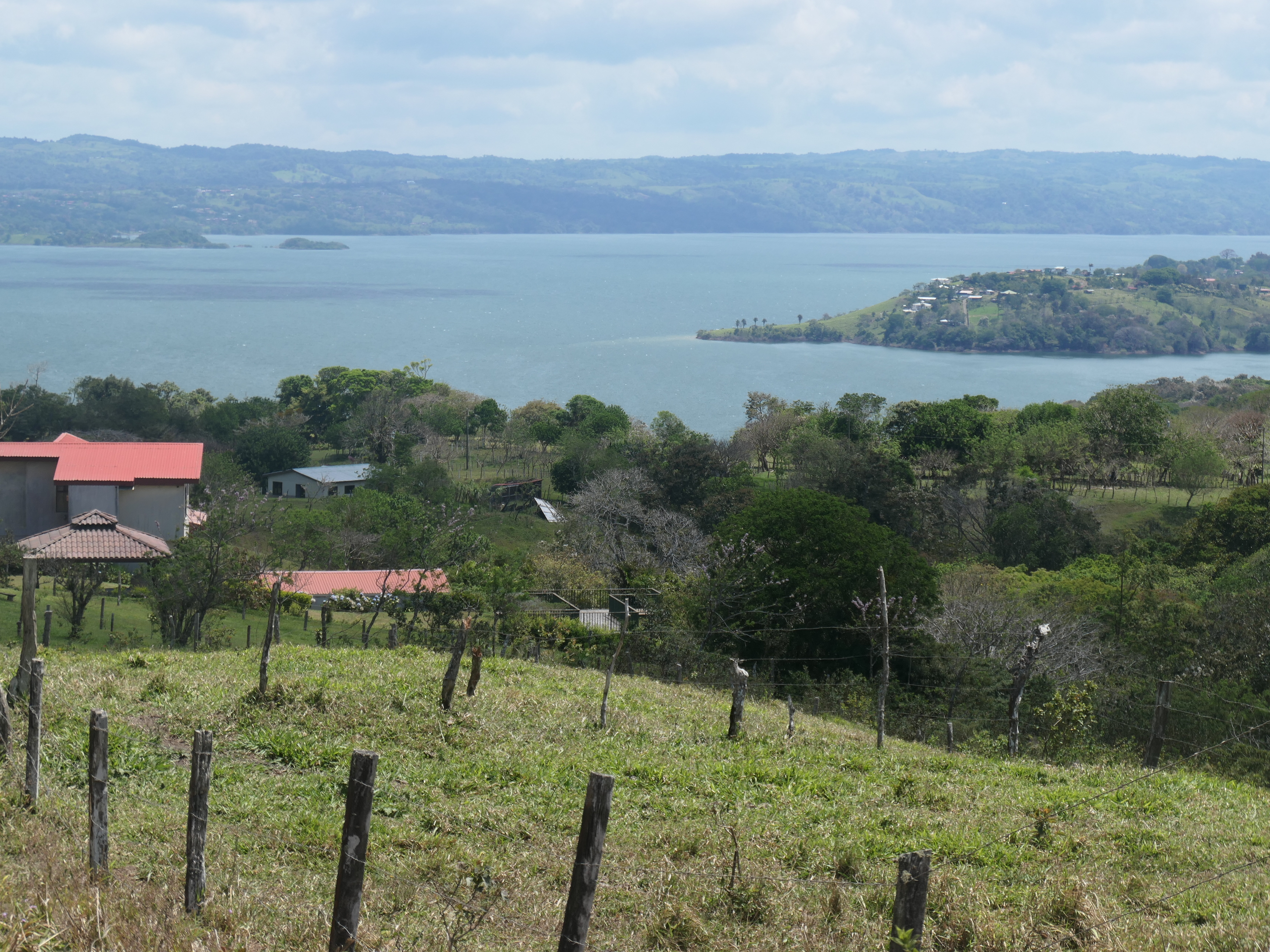
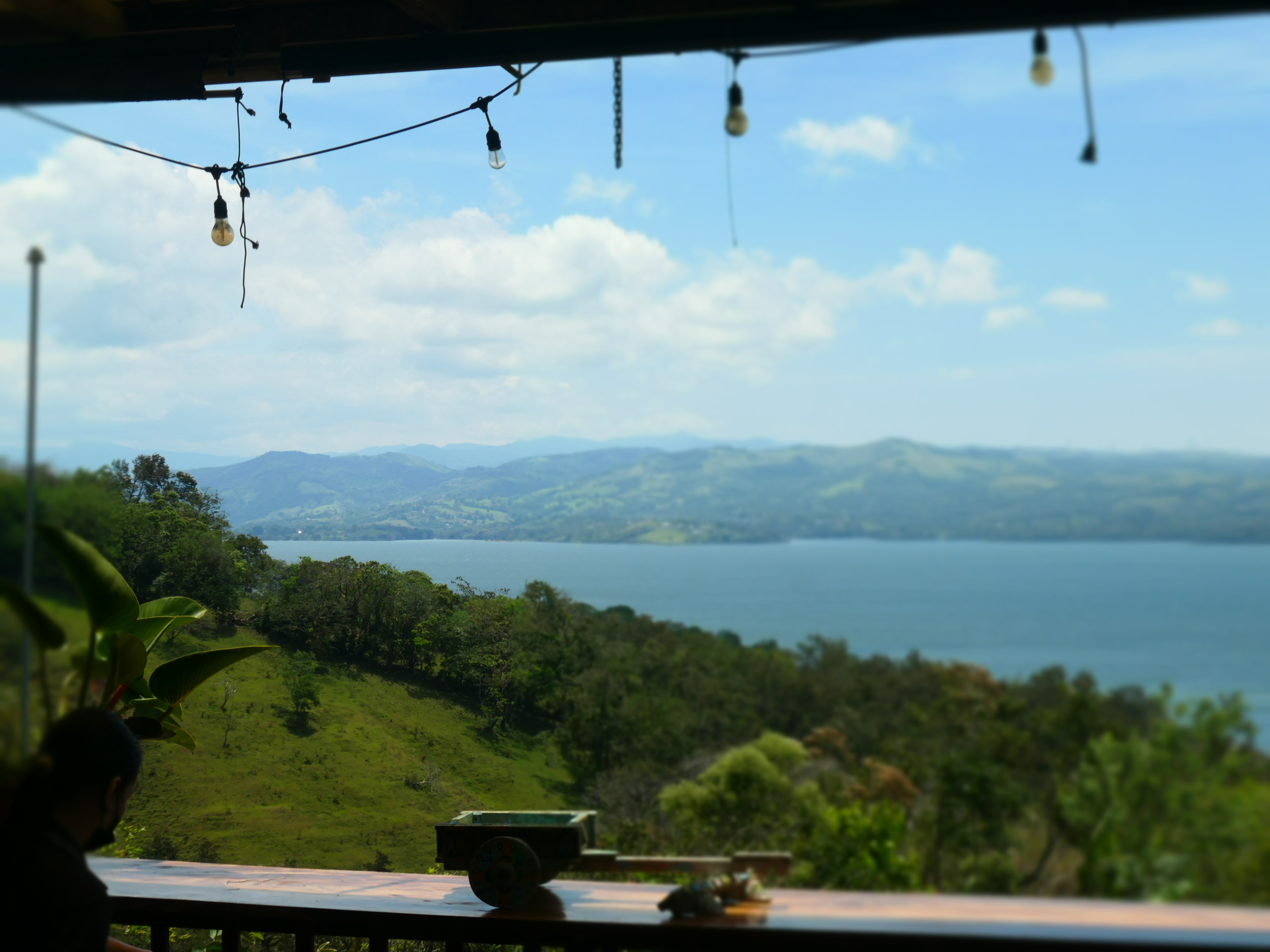
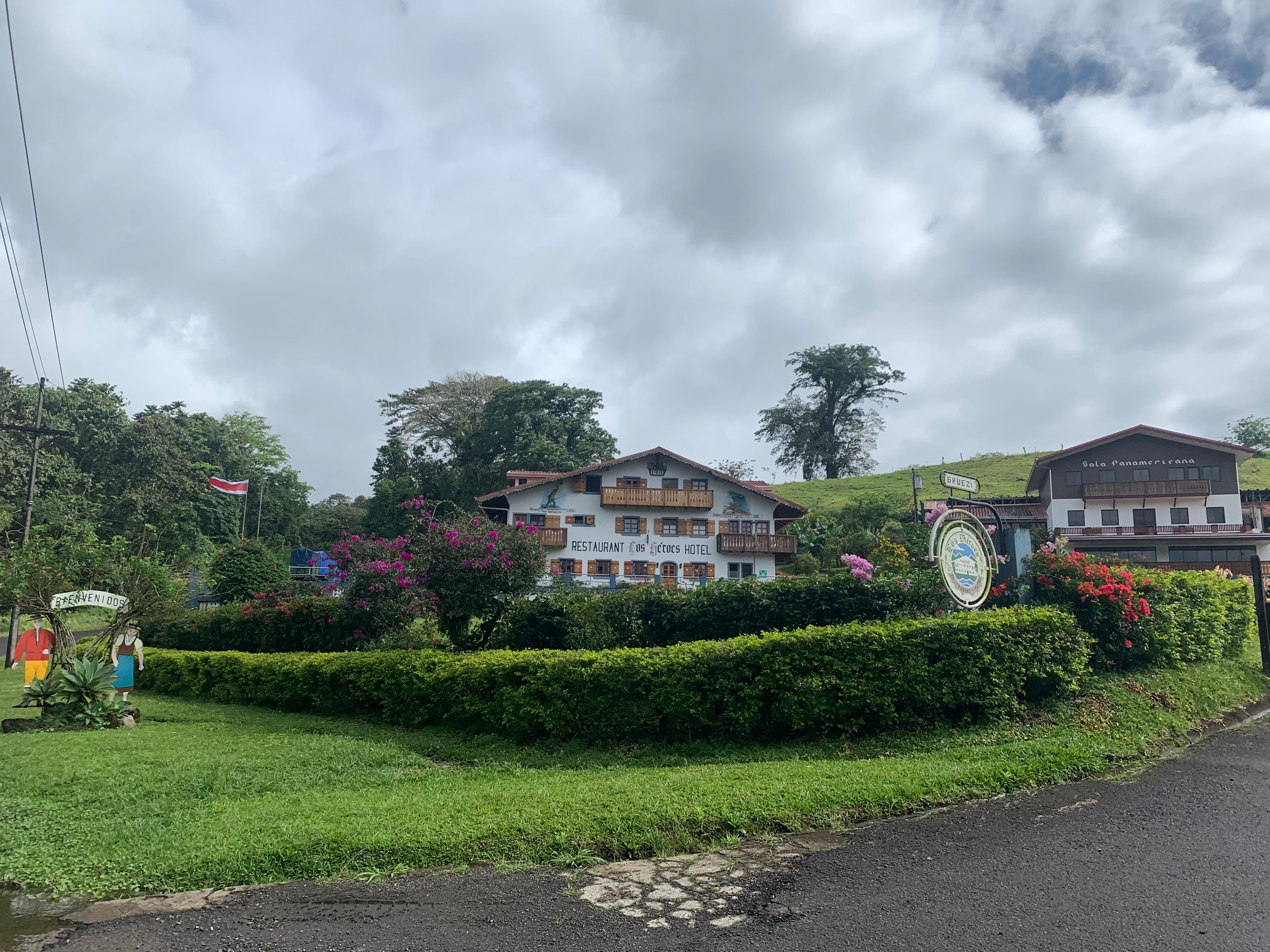
Driving around Lake Arenal offered splendid views, coffee shops, and the original German Bakery (where we stopped twice).



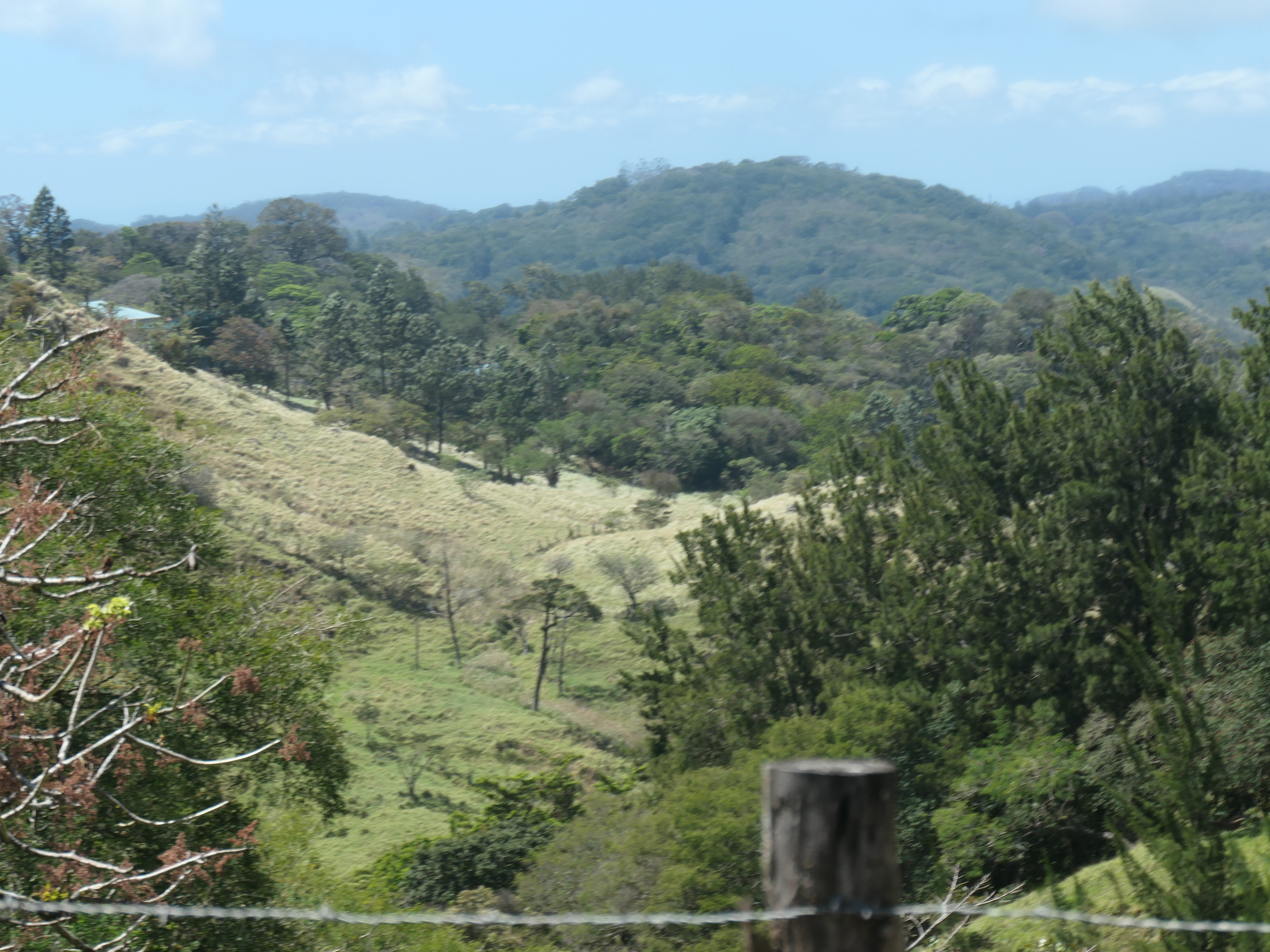
Monteverde
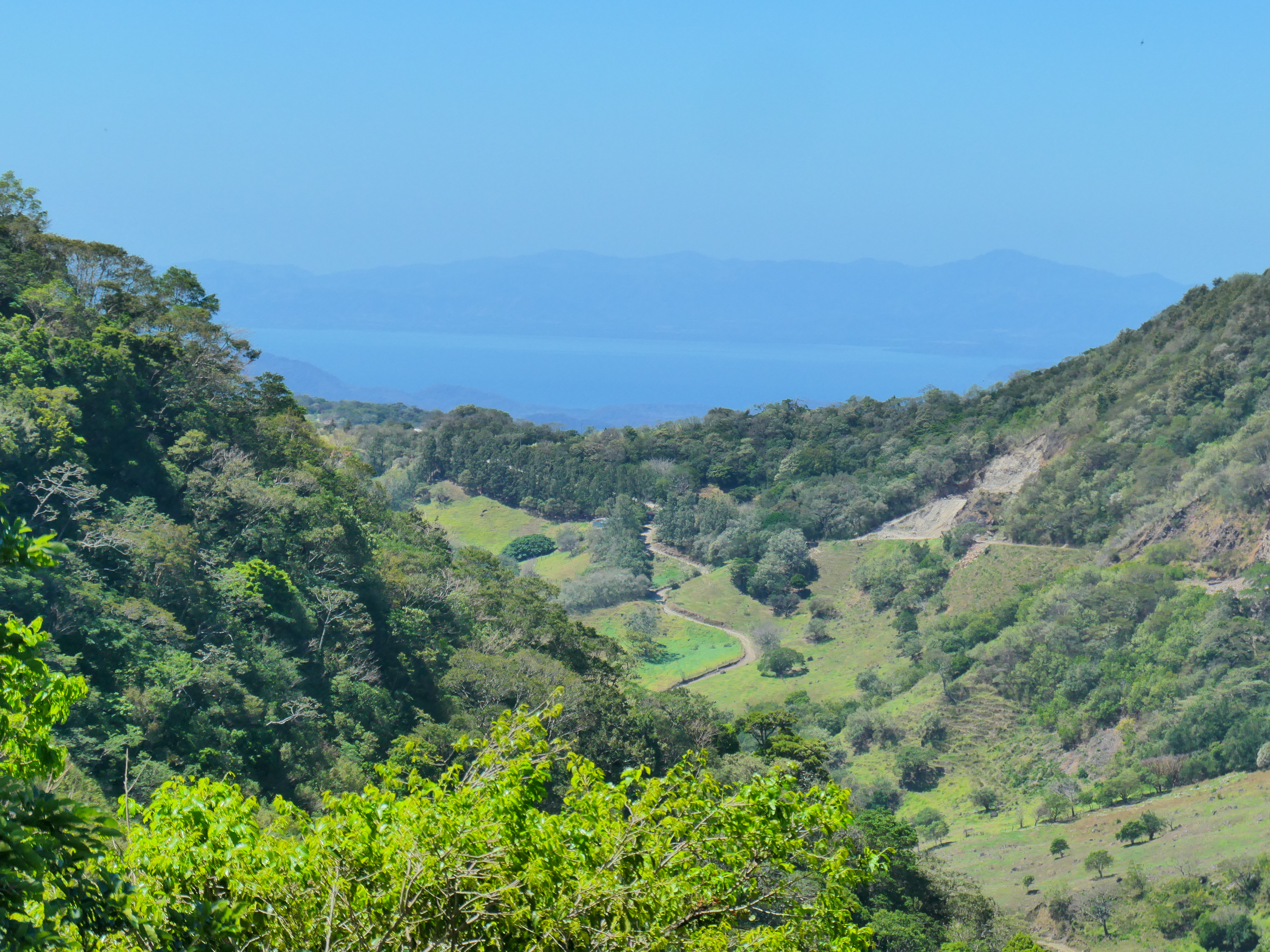
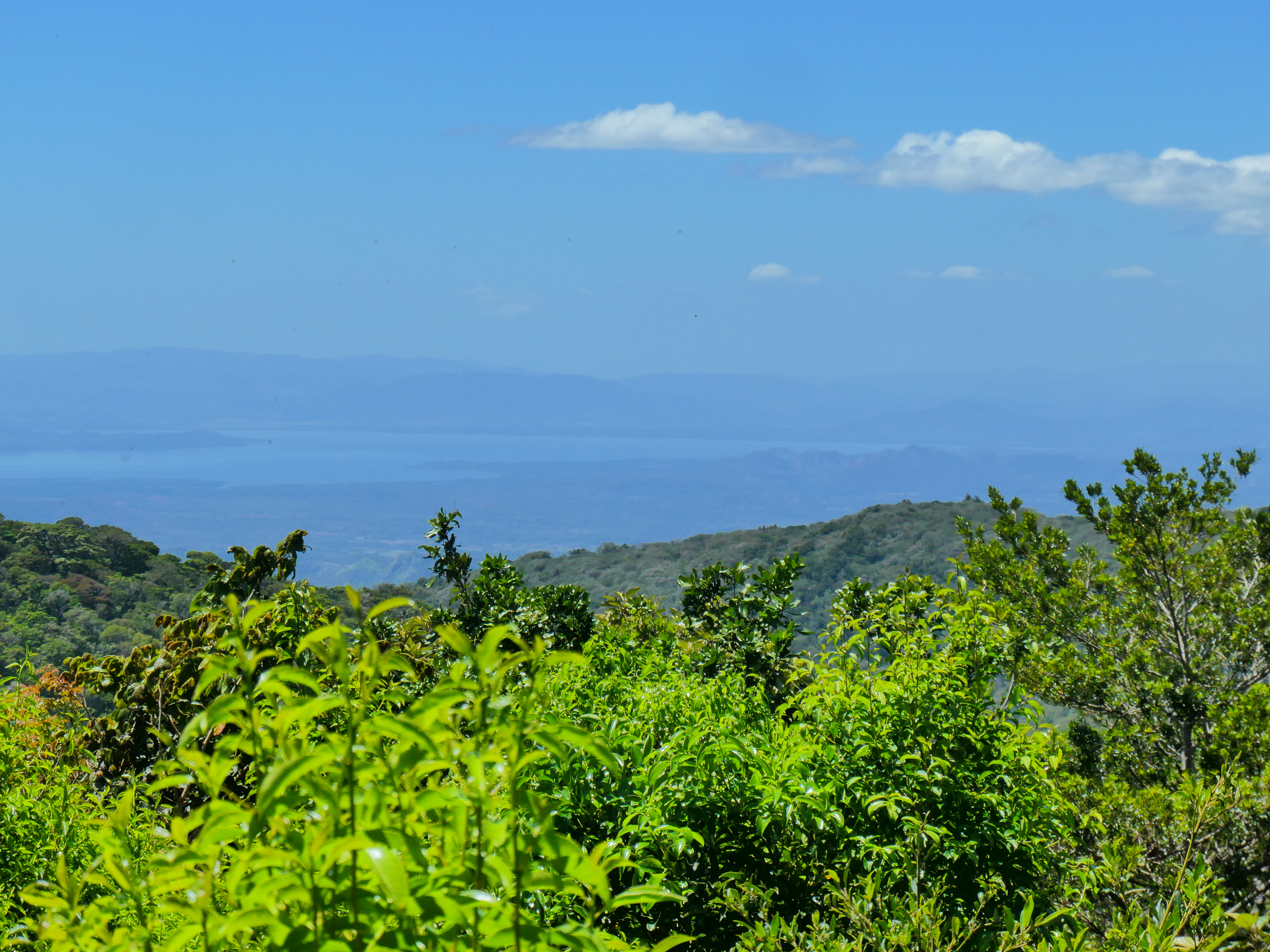
Known for its cloud forests, Monteverde is a 4-hour drive southwest of La Fortuna on mixed roads and with wonderful views over Lake Arenal. On a clear day, expansive views to the Nicoya peninsula and sunsets over the Pacific coast are indescribably beautiful.

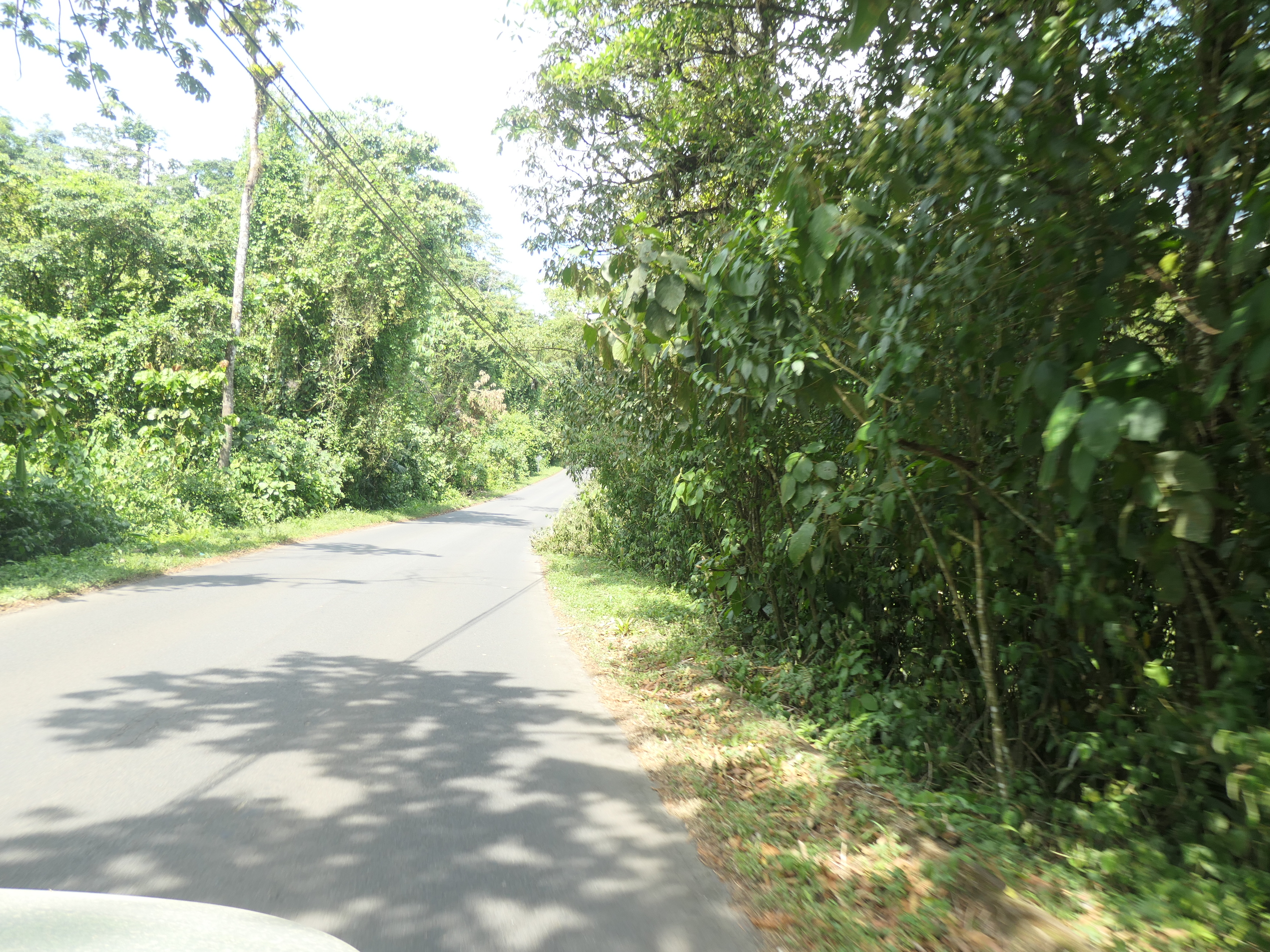
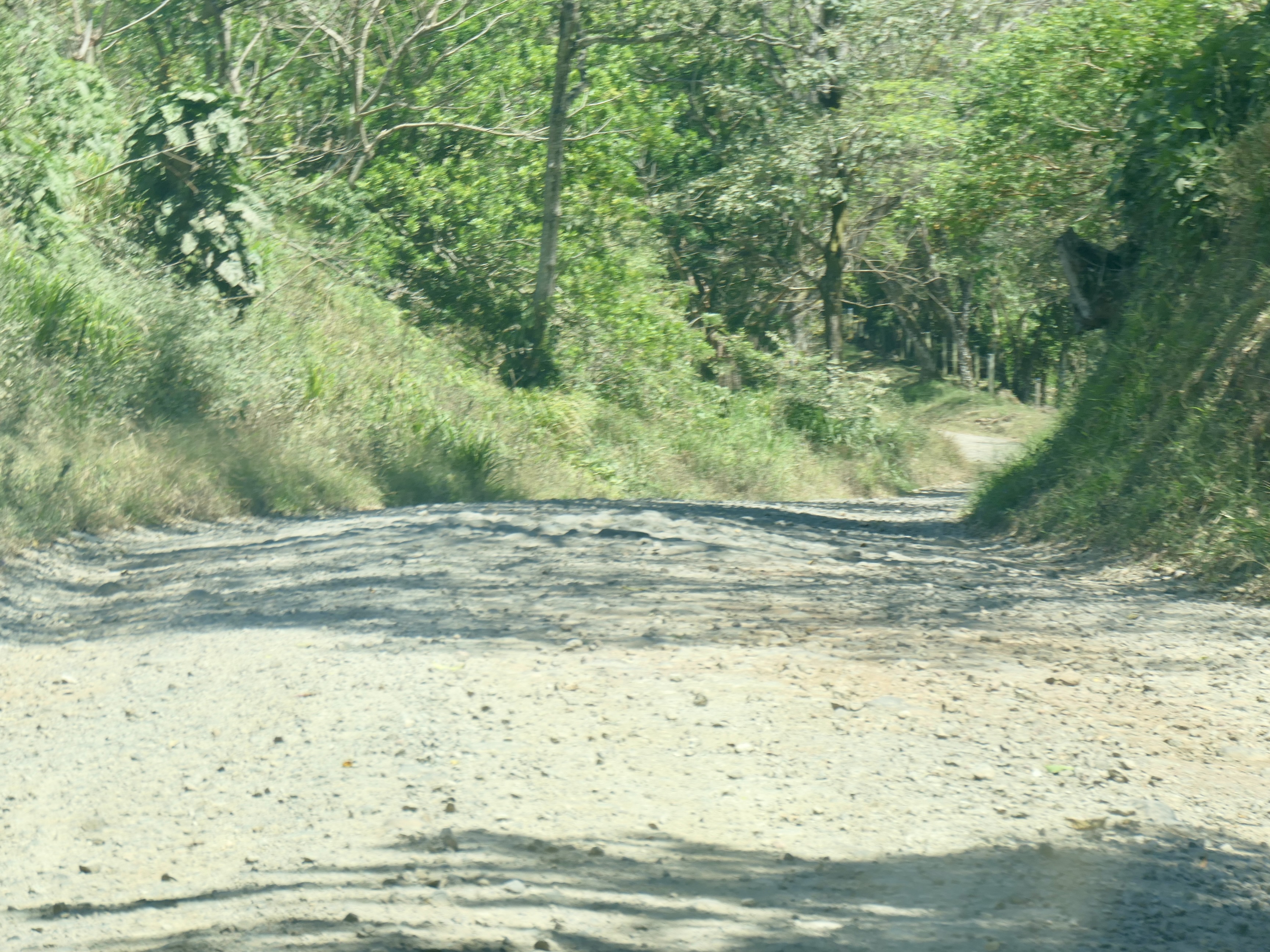
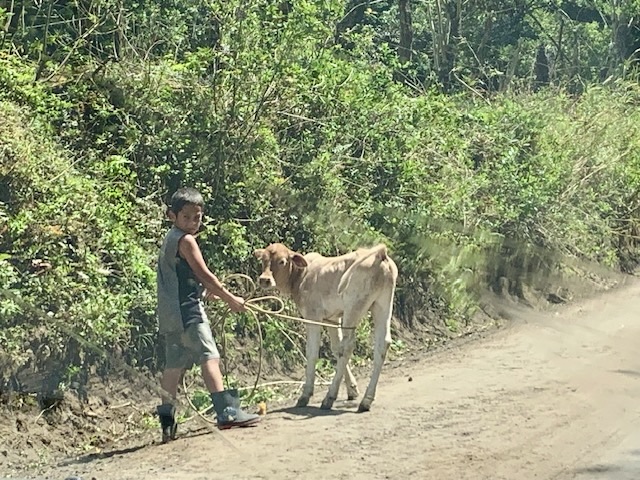
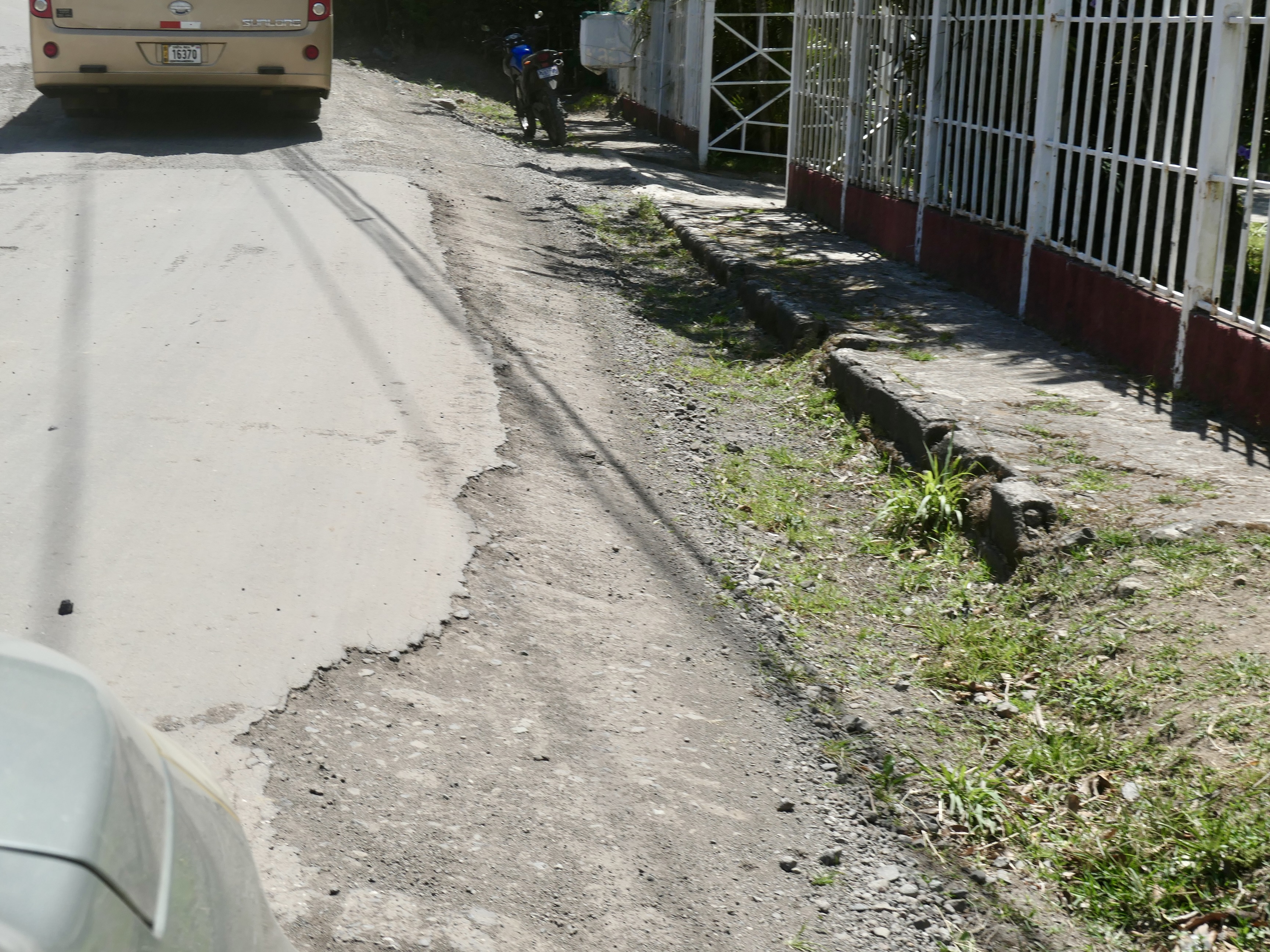
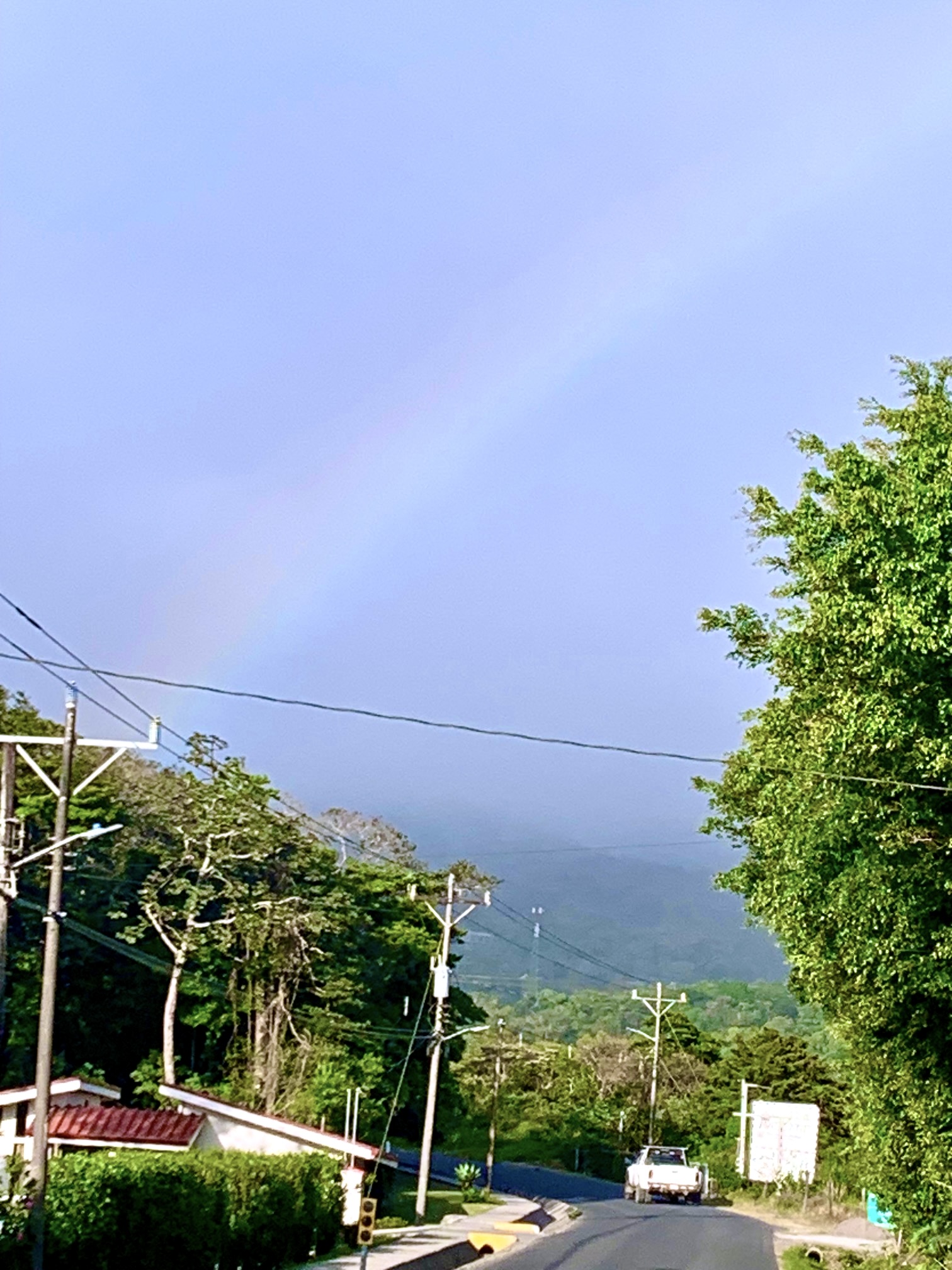
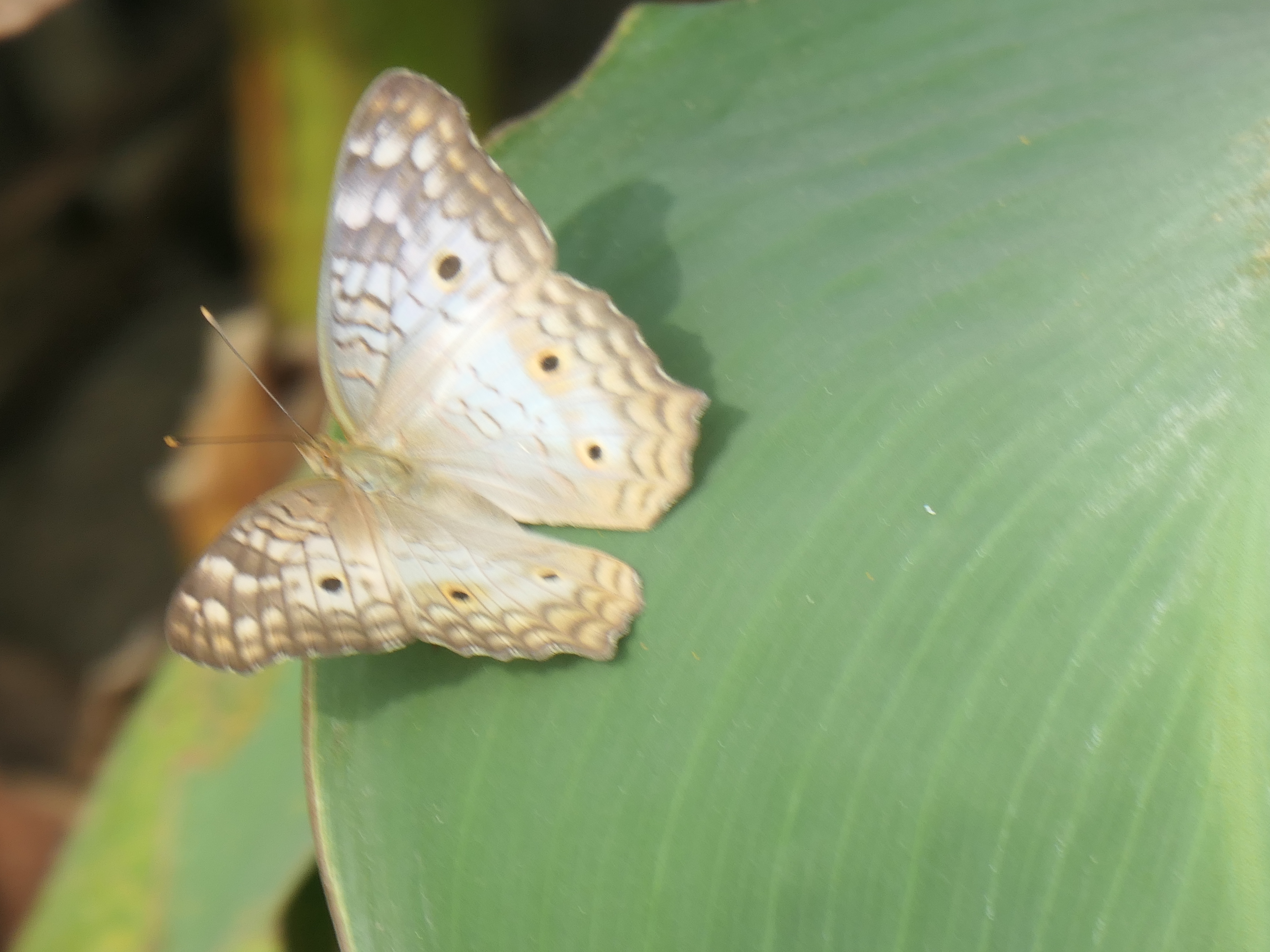
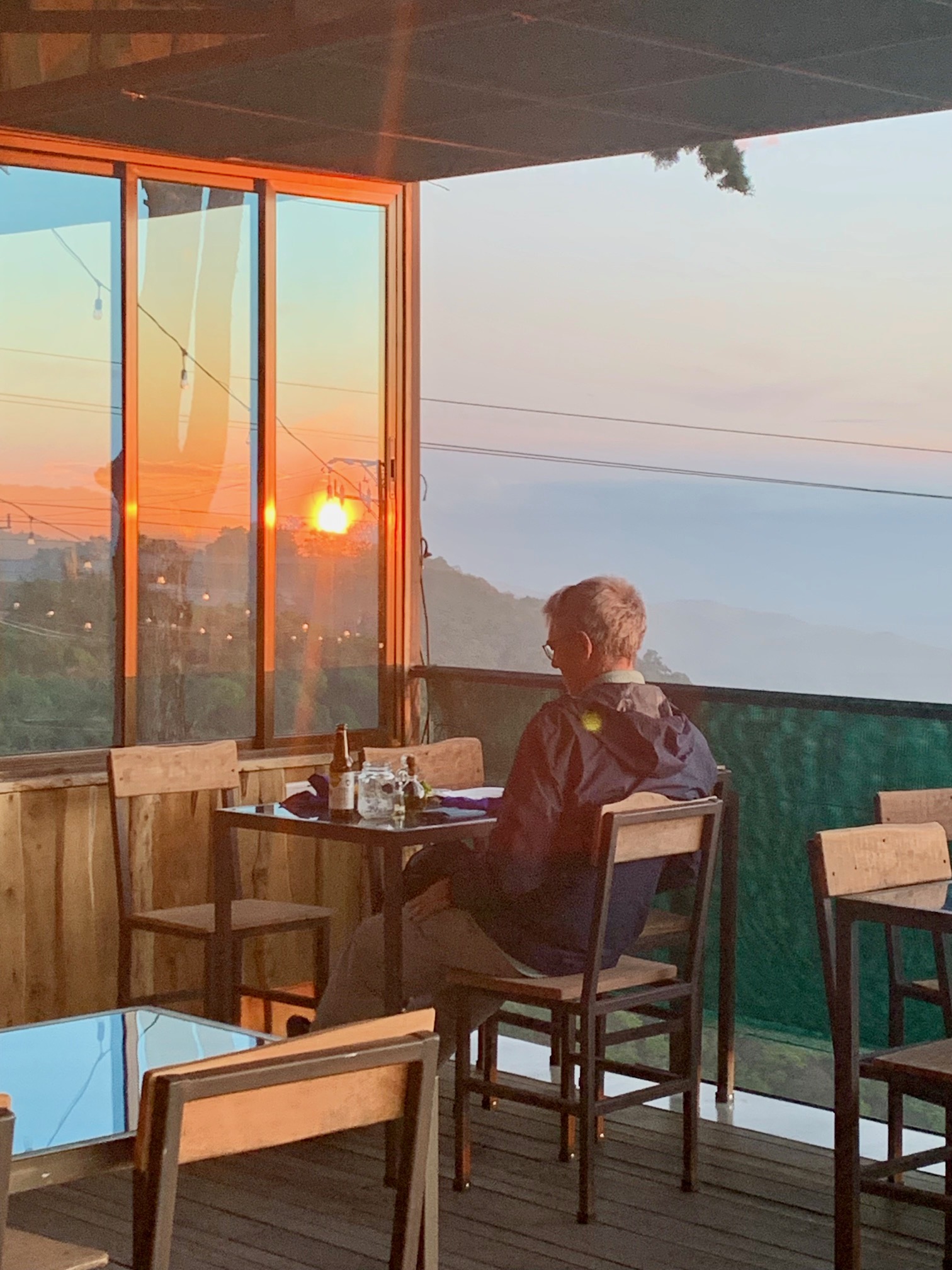
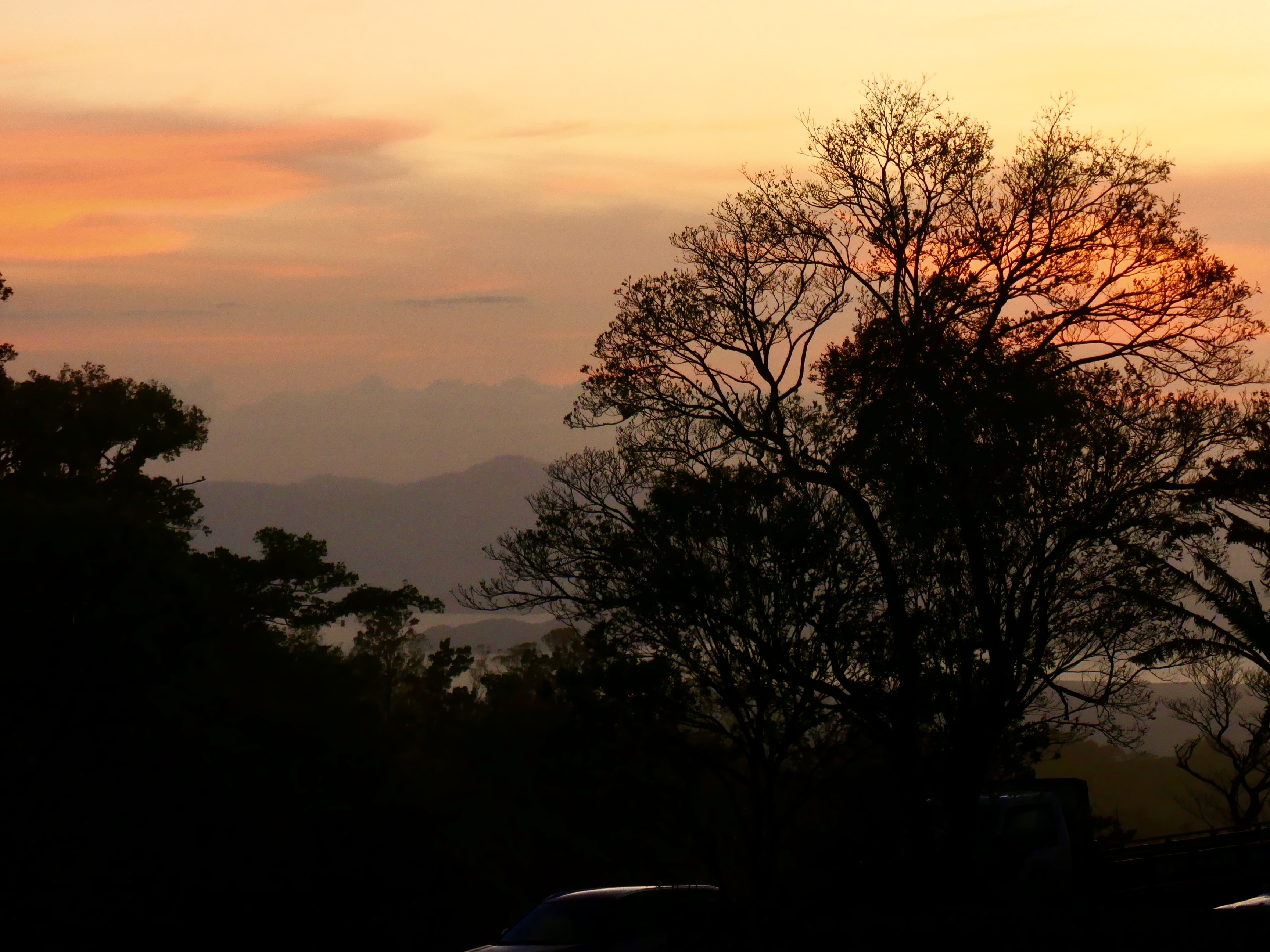


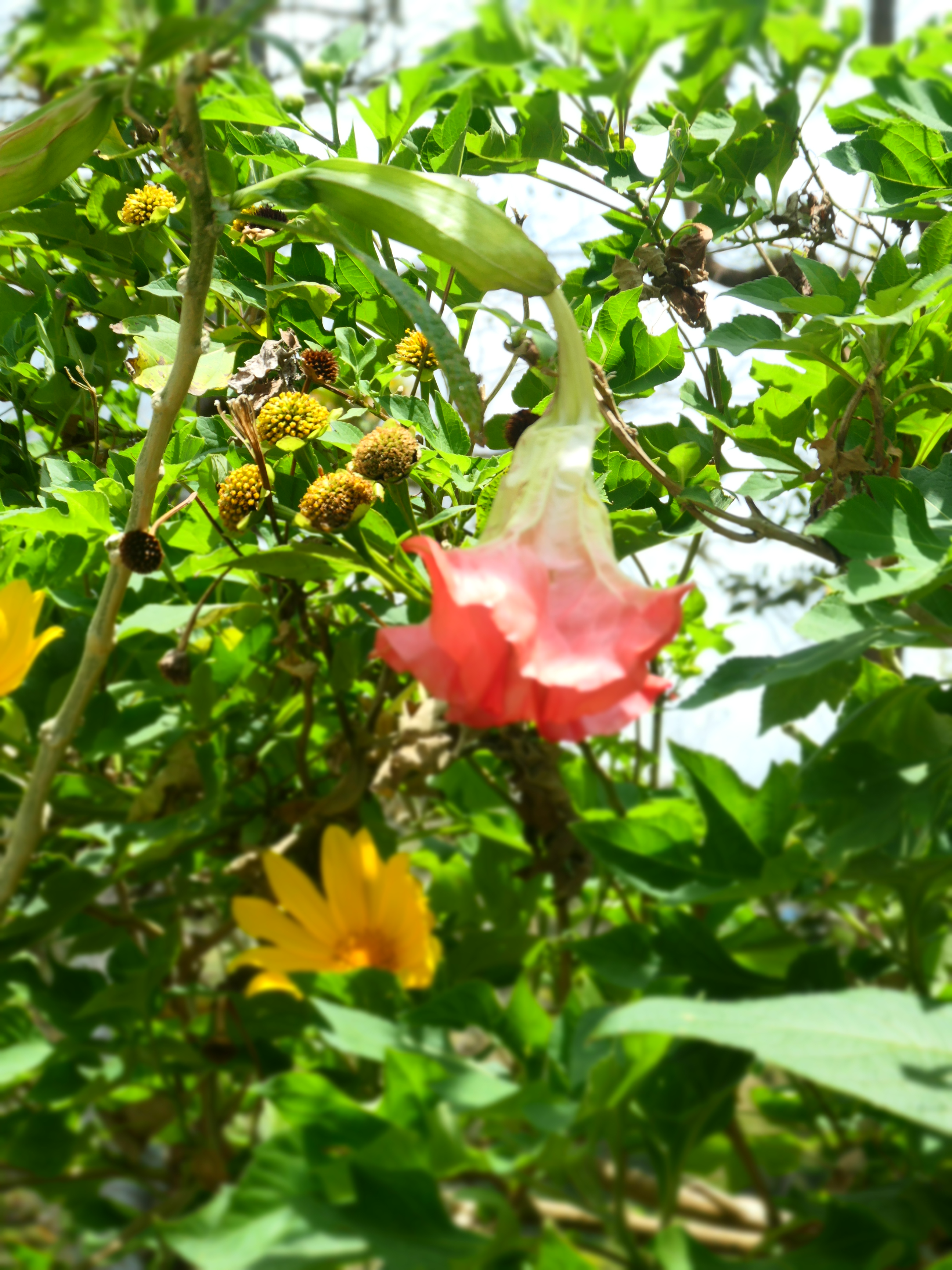
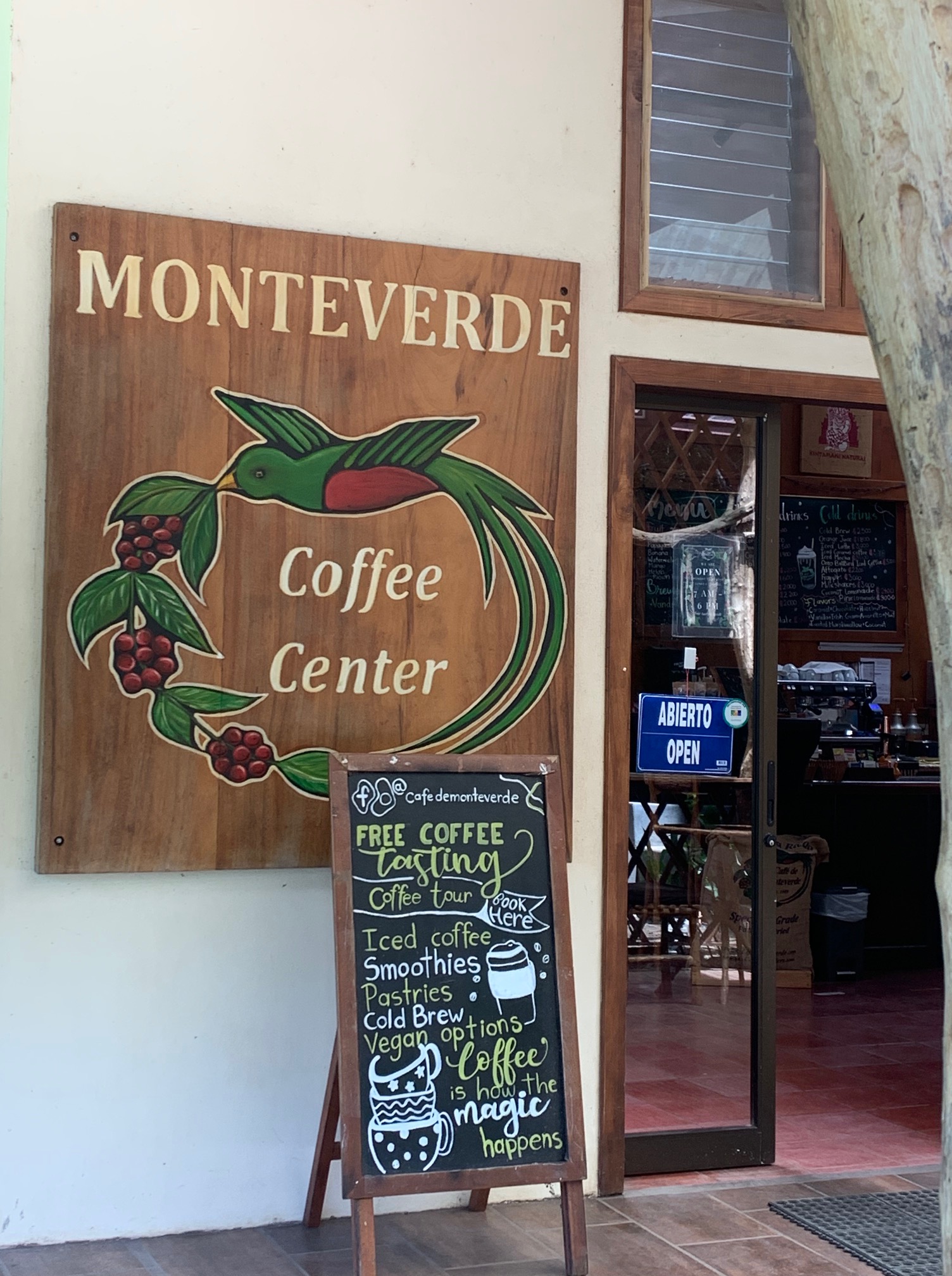

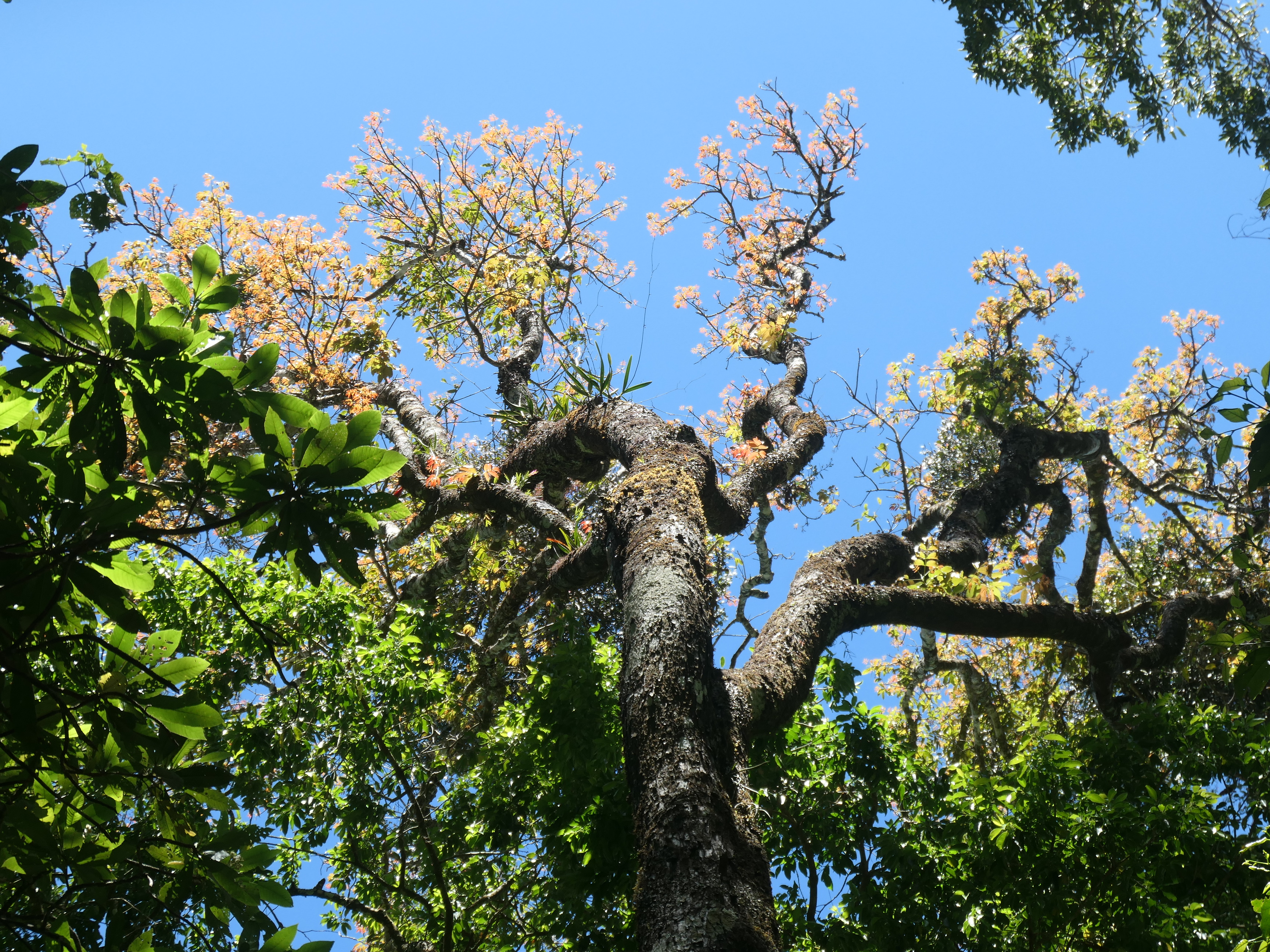
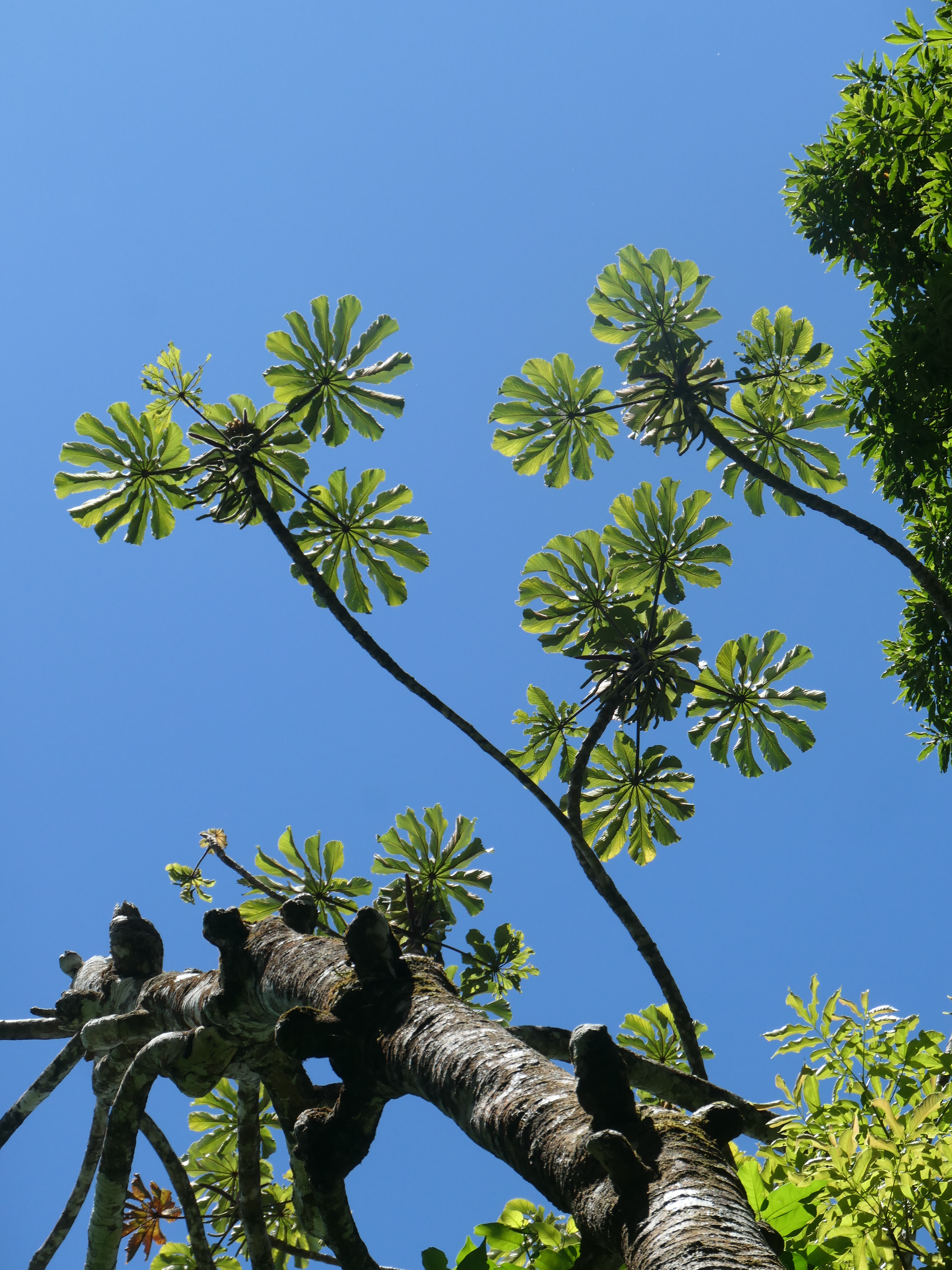
Santa Elena Cloud Forest: we did a shorter hike with the 90 minutes left before park closing (the full loop takes about 2.5 hours). Nevertheless, it was beautiful and we recommend this forest as it is less visited than the more well-known tour bus target of Monteverde Cloud Forest. We saw at most 5 other (quiet) people on the trail and therefore experienced the sounds of birds and wildlife in the mist-enshrouded jungle that is the point of coming here.

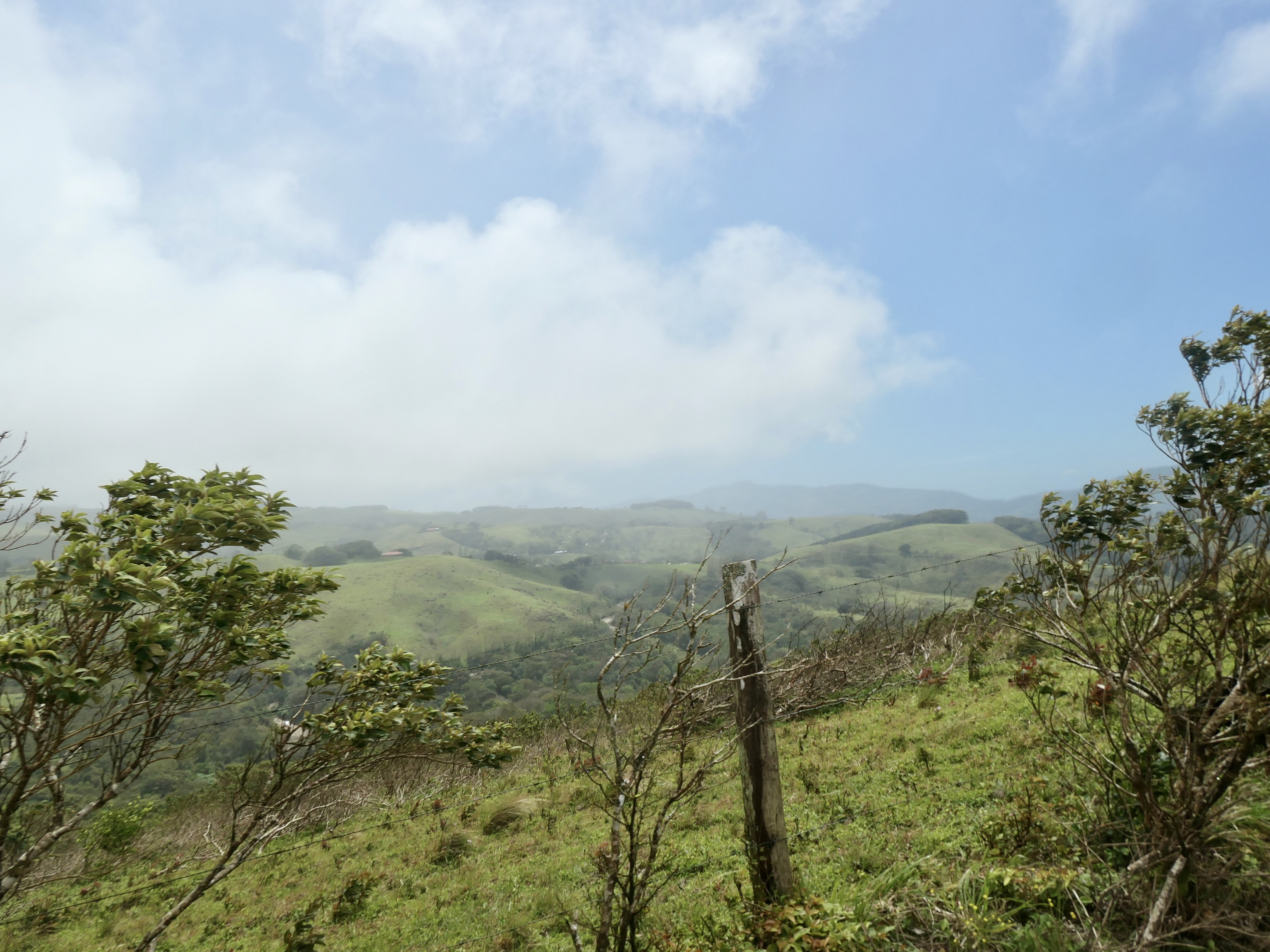


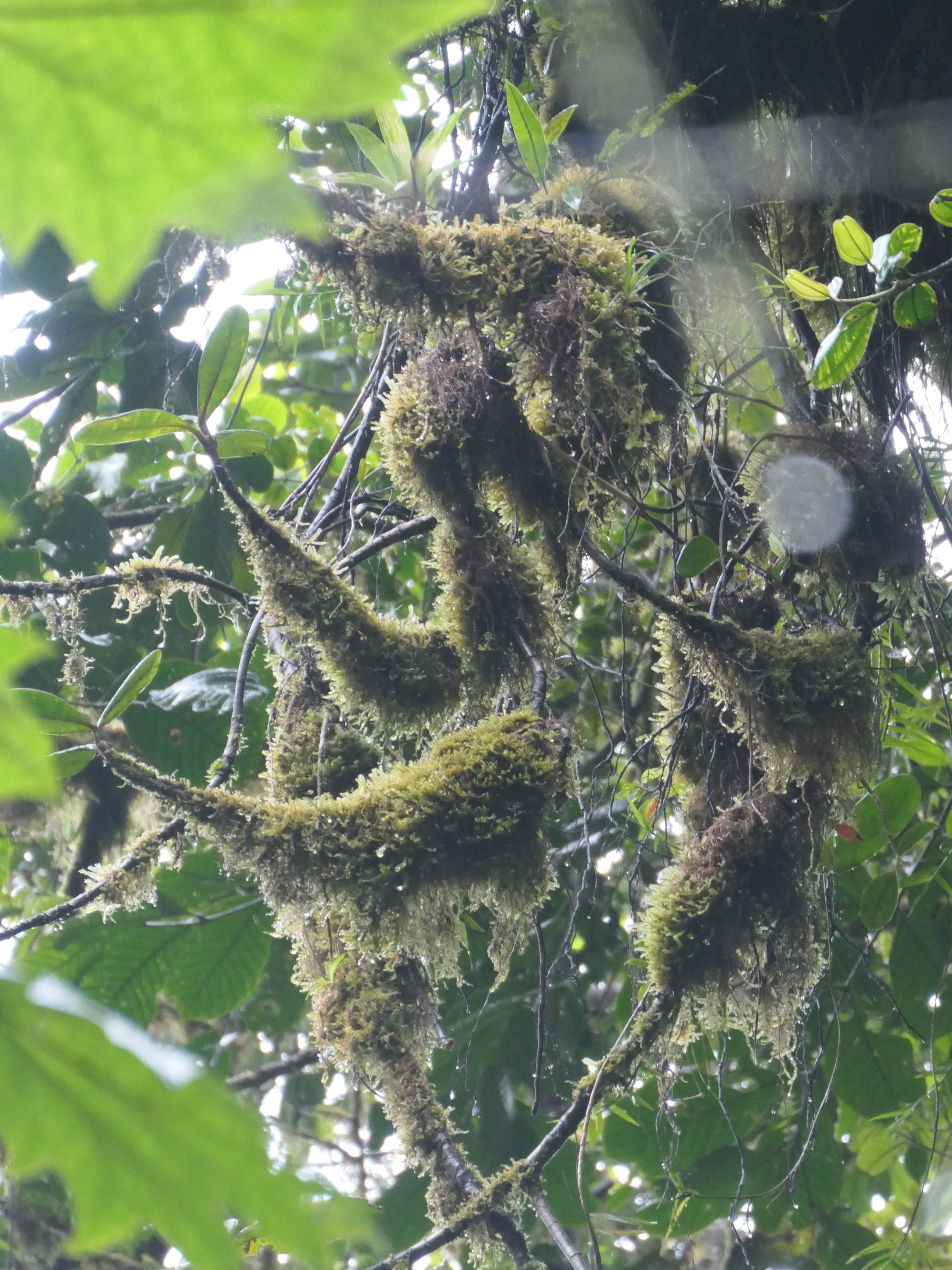


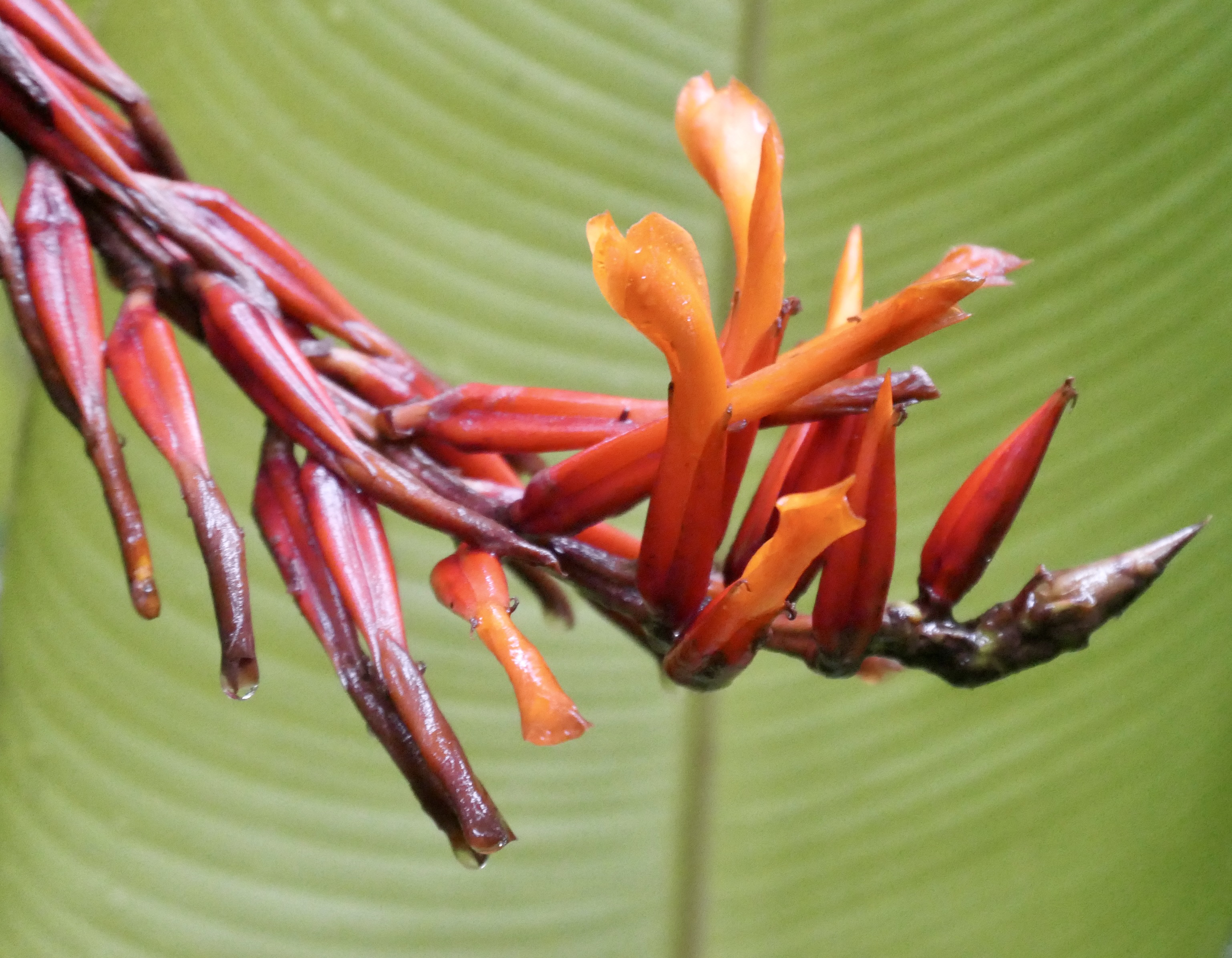
Bosque Eterno del los Niños (Children’s Eternal Rainforest): highly recommend this ‘shadow cloud forest.’ An international effort in 1986 to preserve a highly diverse ecosystem, with species unique to this particular forest, this park offers multiple trails for all levels, maintained by local school children. Entry fee was US$ 20 per person.
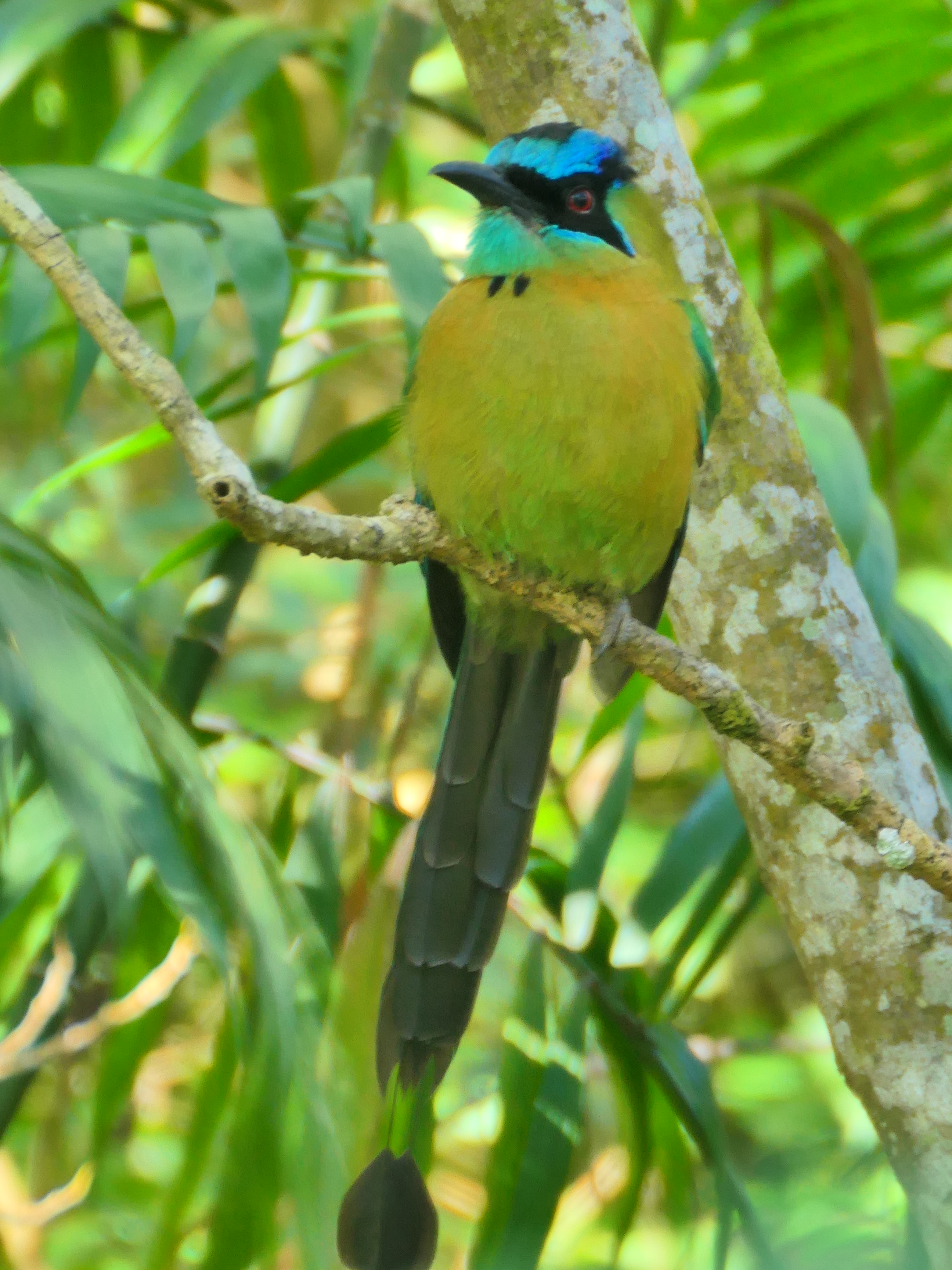


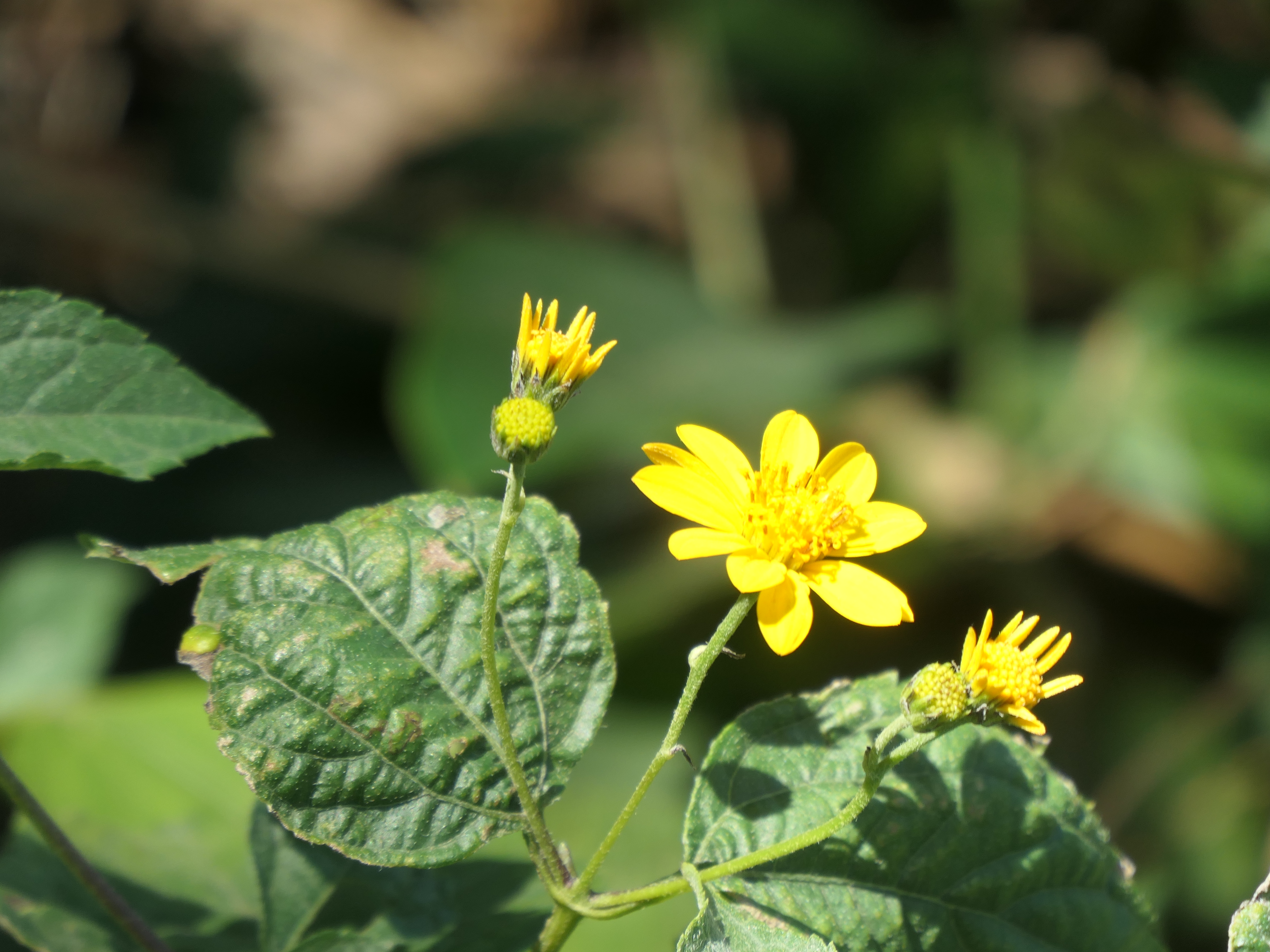


Pacific South Coast
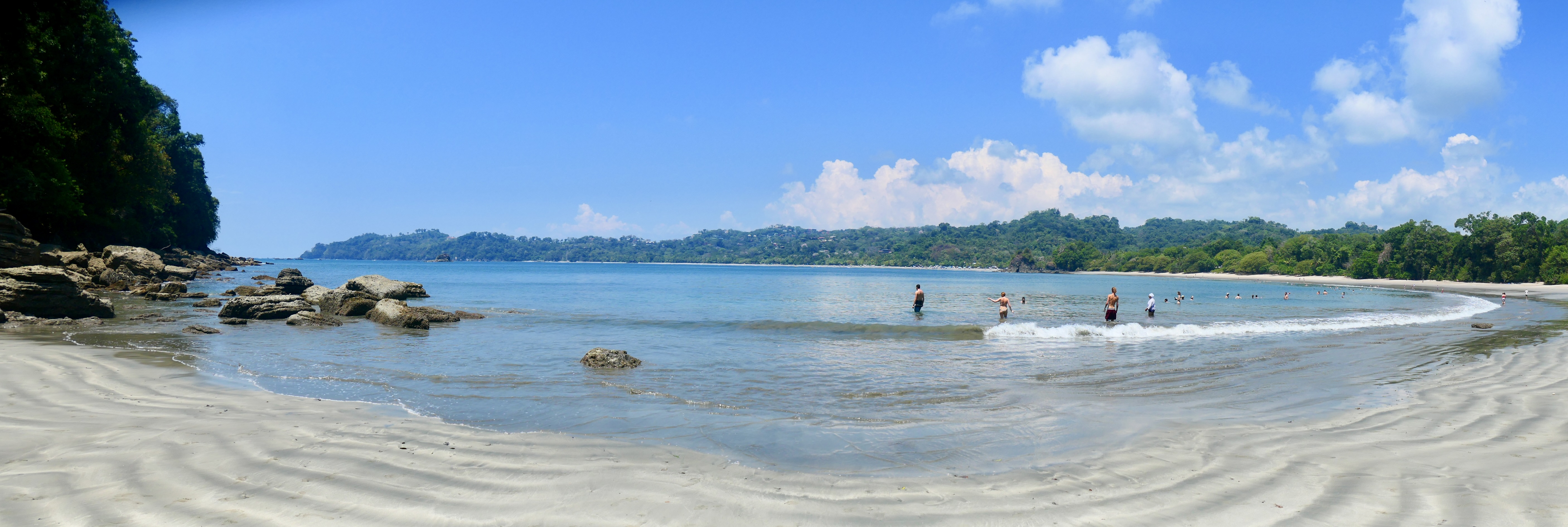
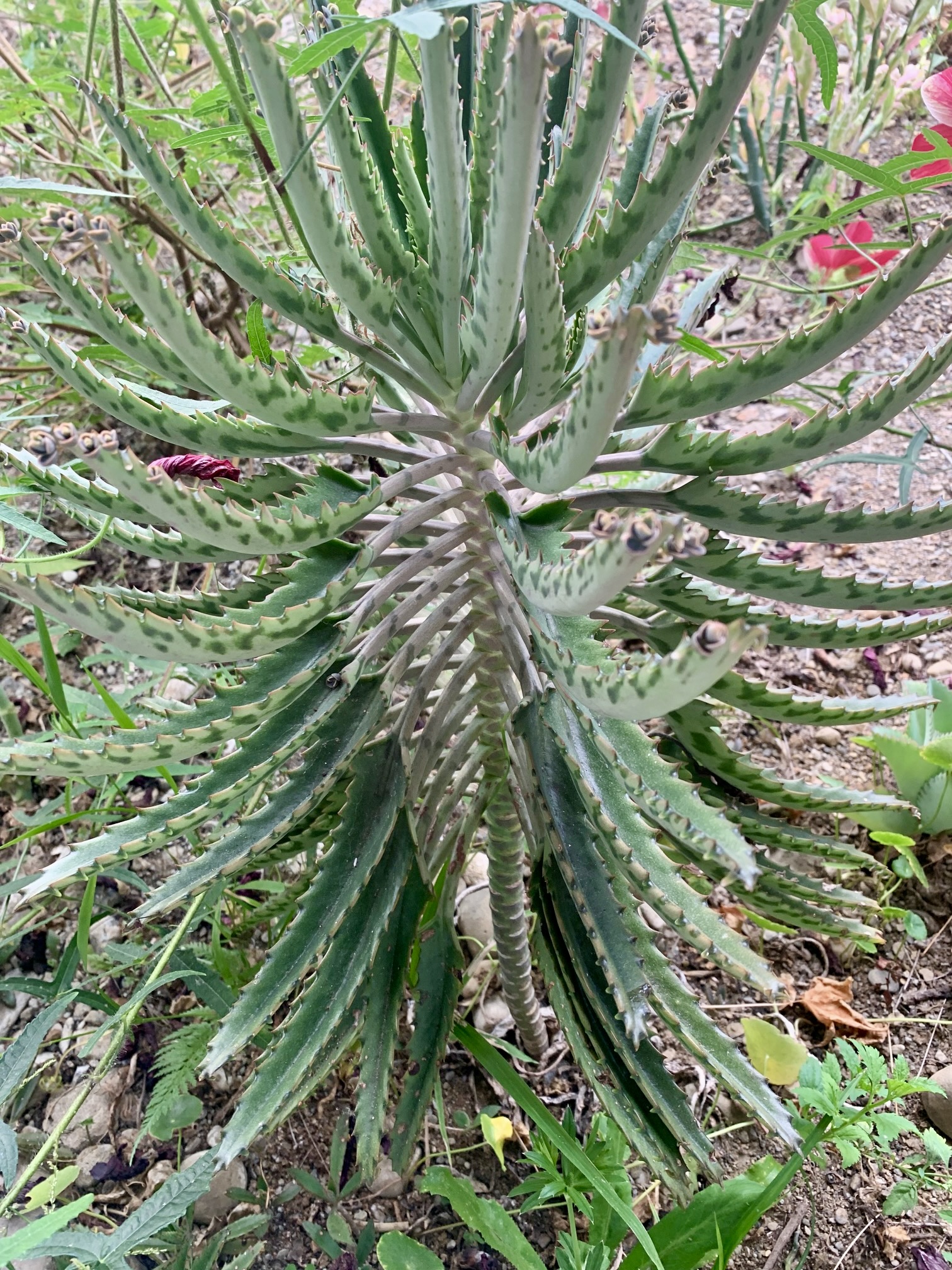
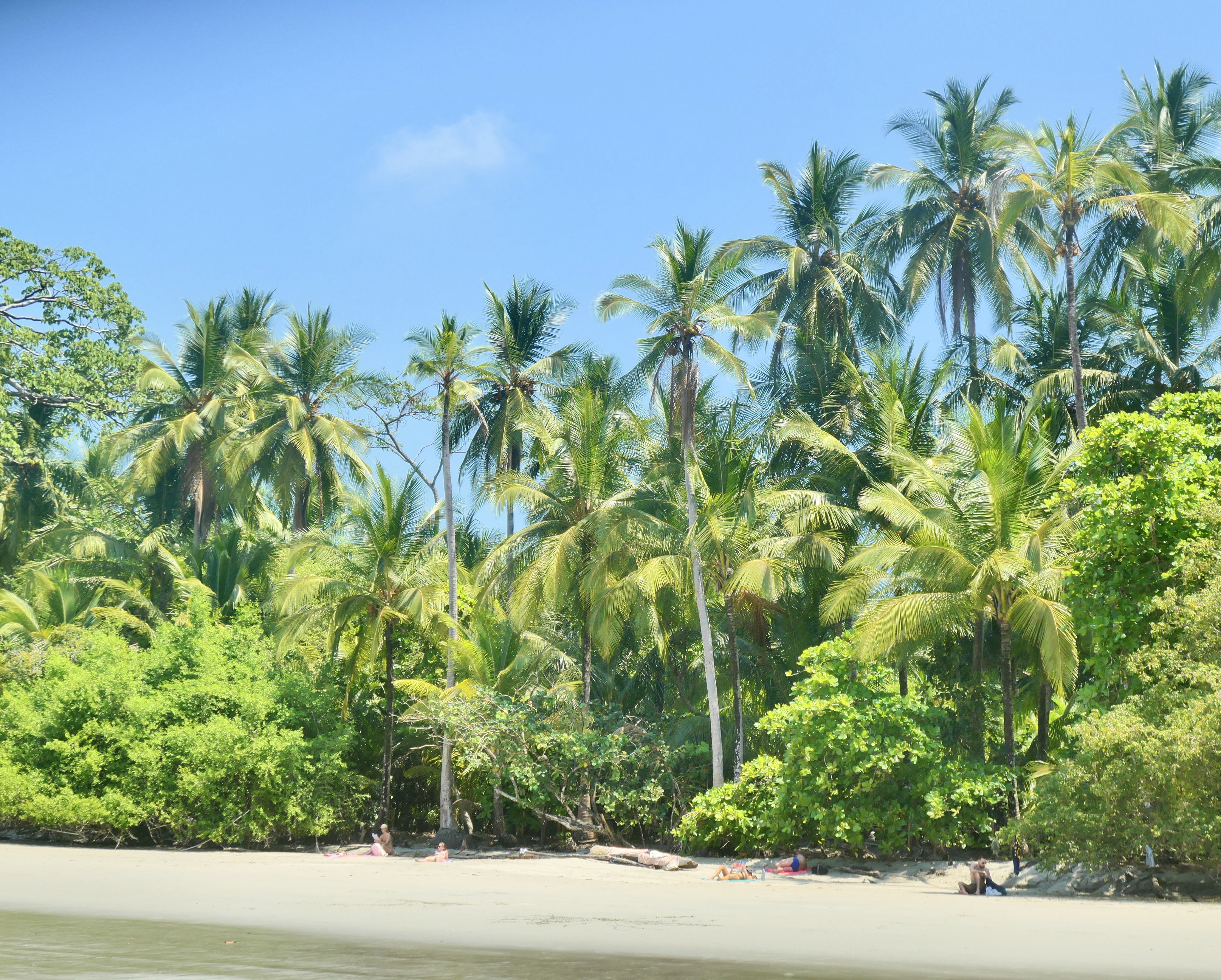
DOMINICAL – from this charming town that was our base for a few days, we were able to access activities to the south (Uvita) and to the north (Manuel Antonio NP). We walked and hiked on beaches, in jungles, saw myriad wildlife & flora, swam in waterfalls, sampled a couple local eateries, and watching spectacular sunsets.
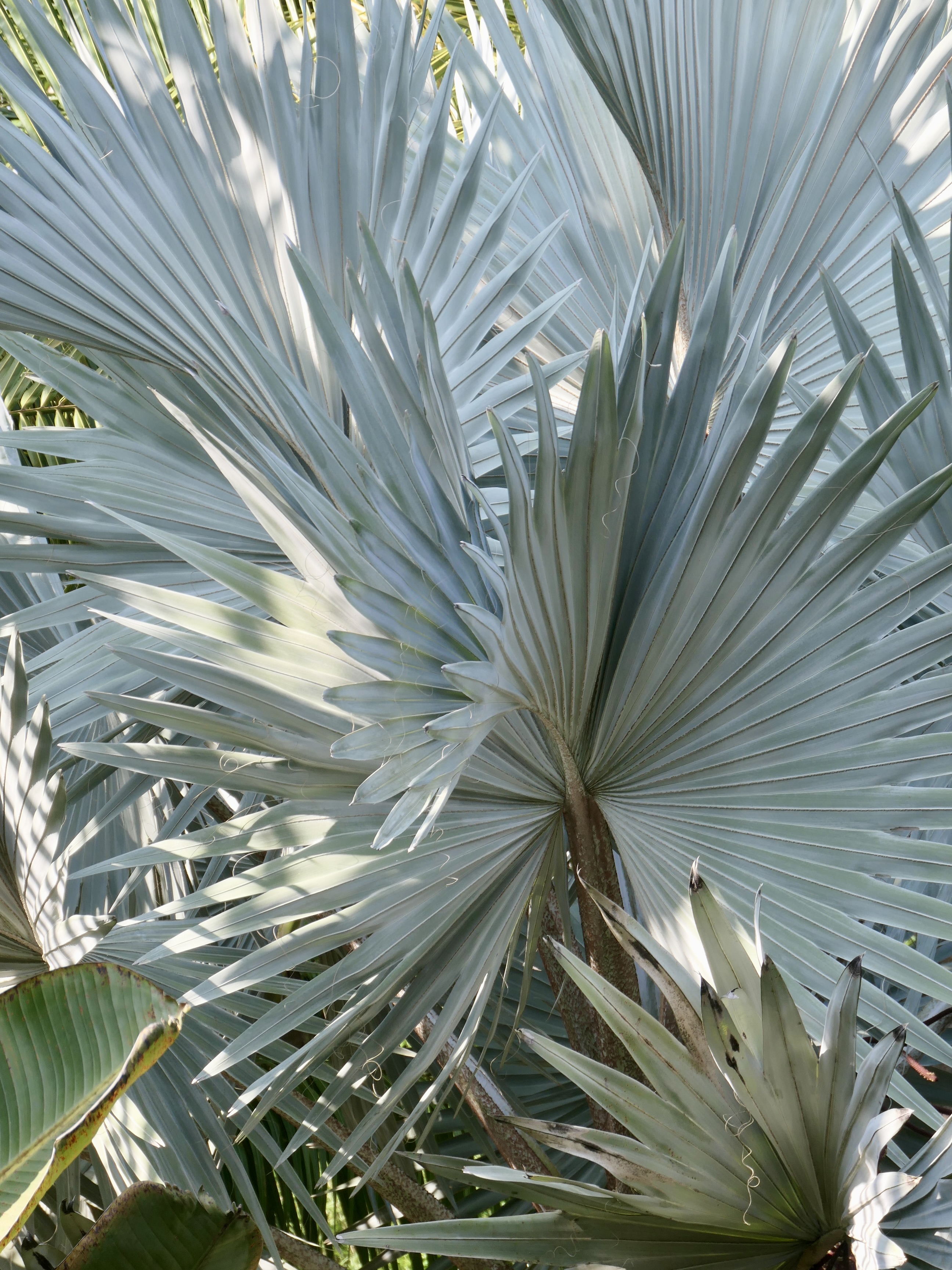





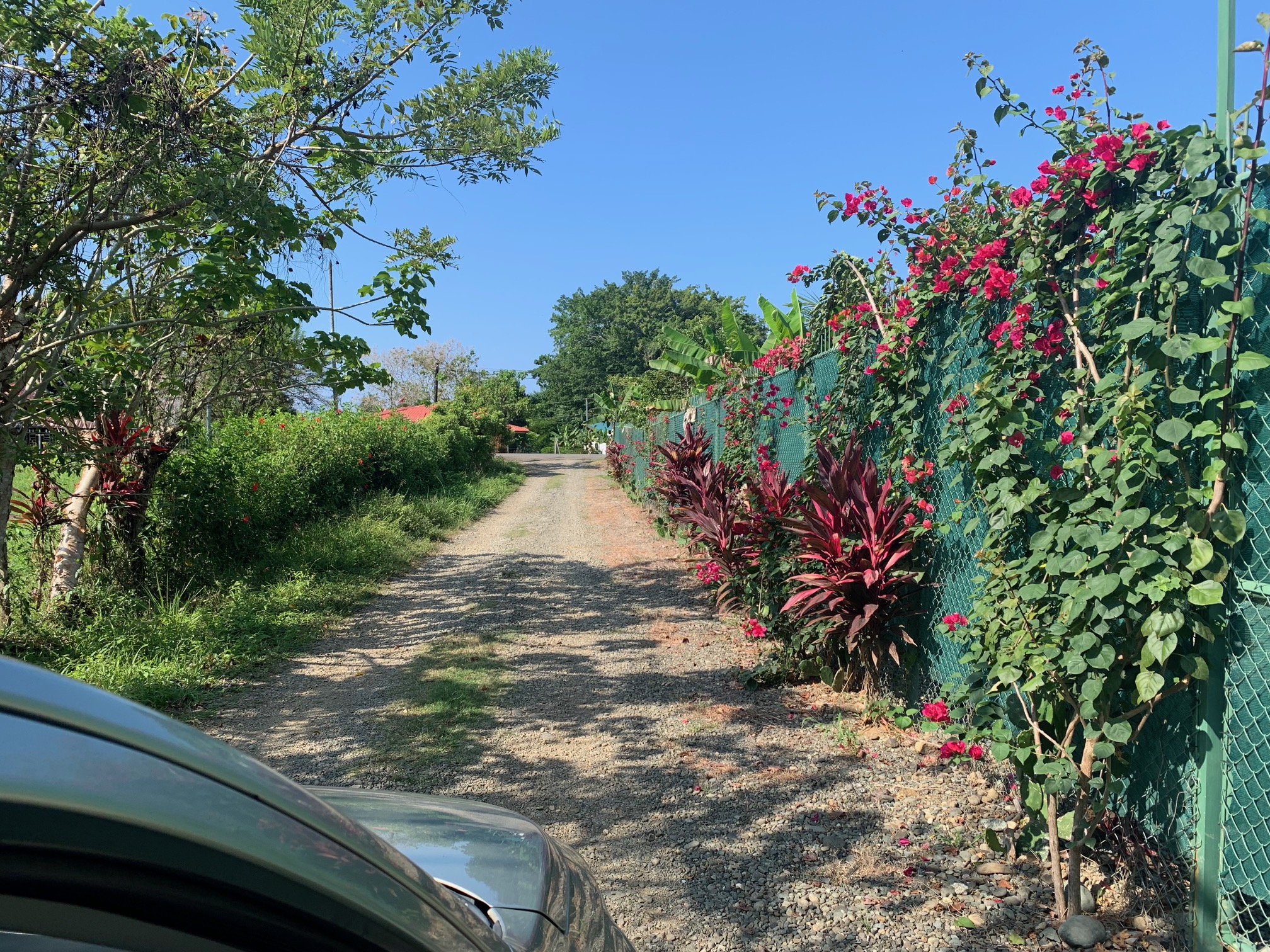
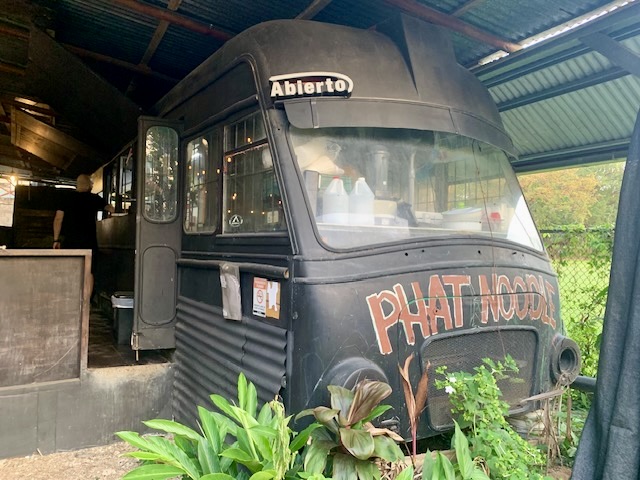
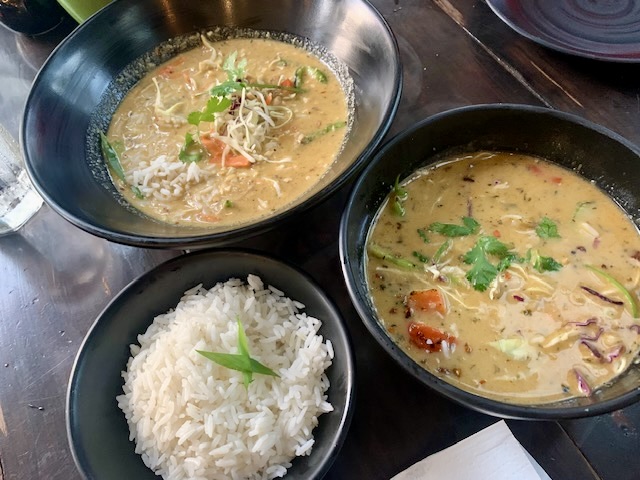


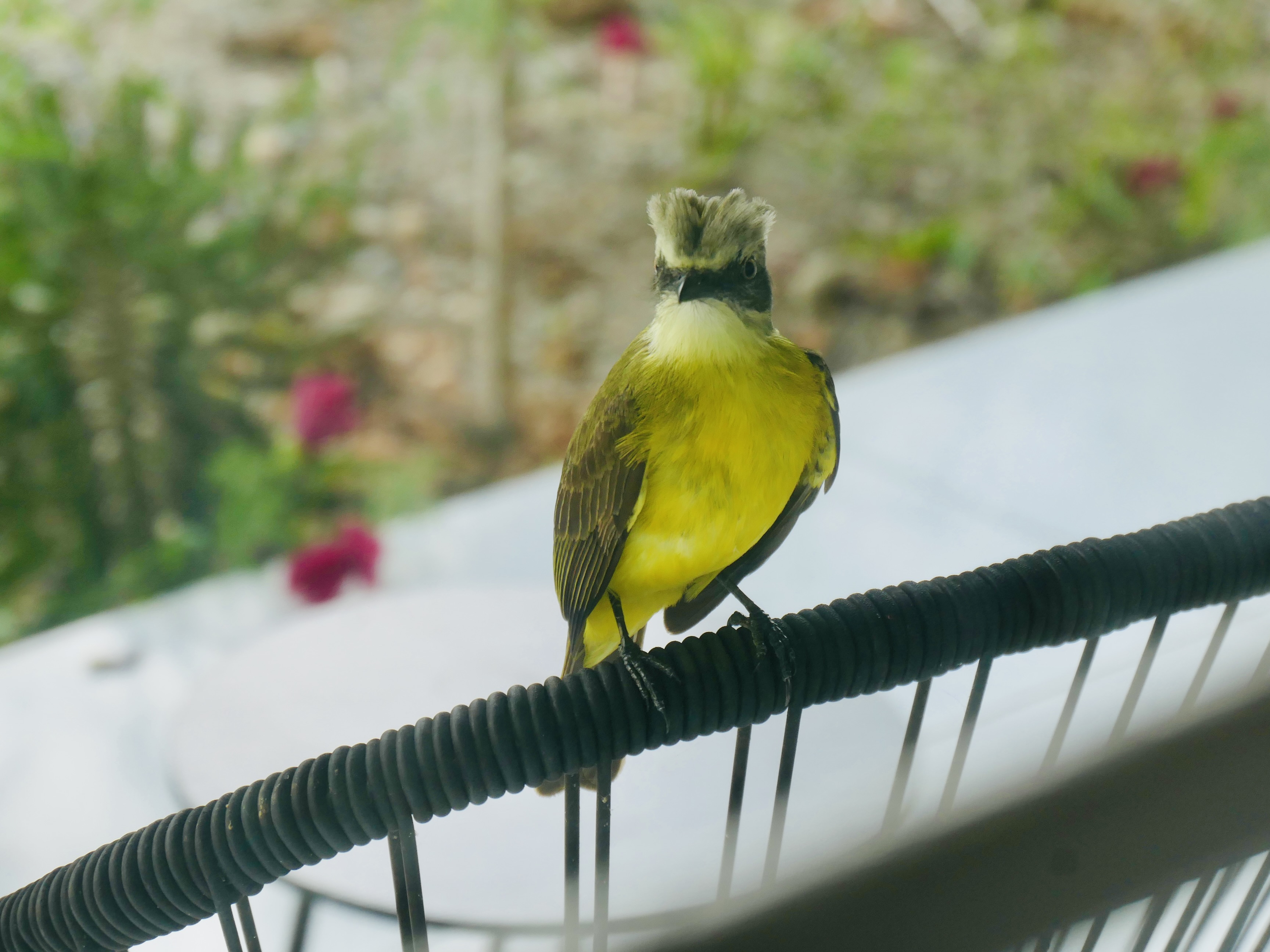
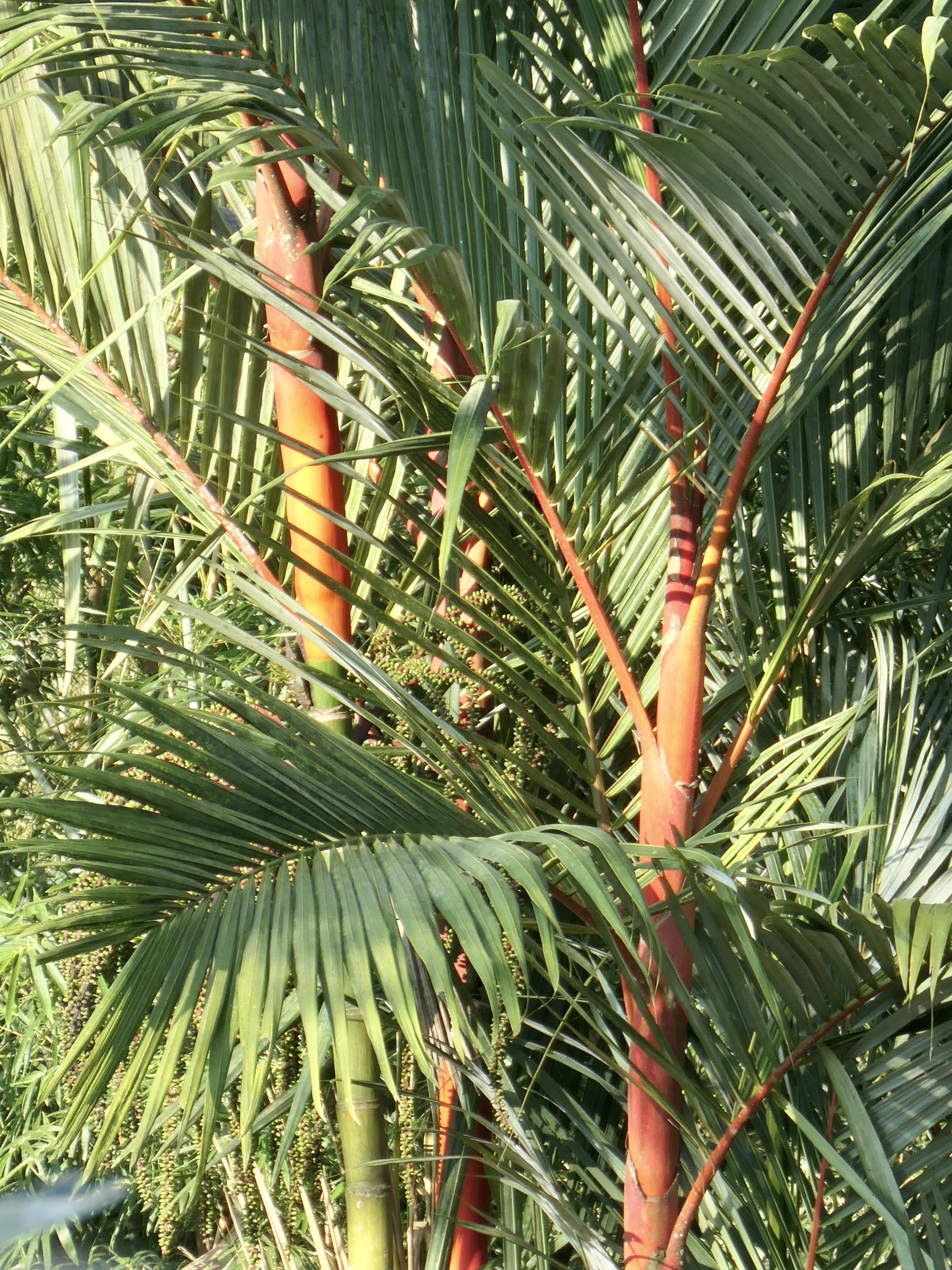
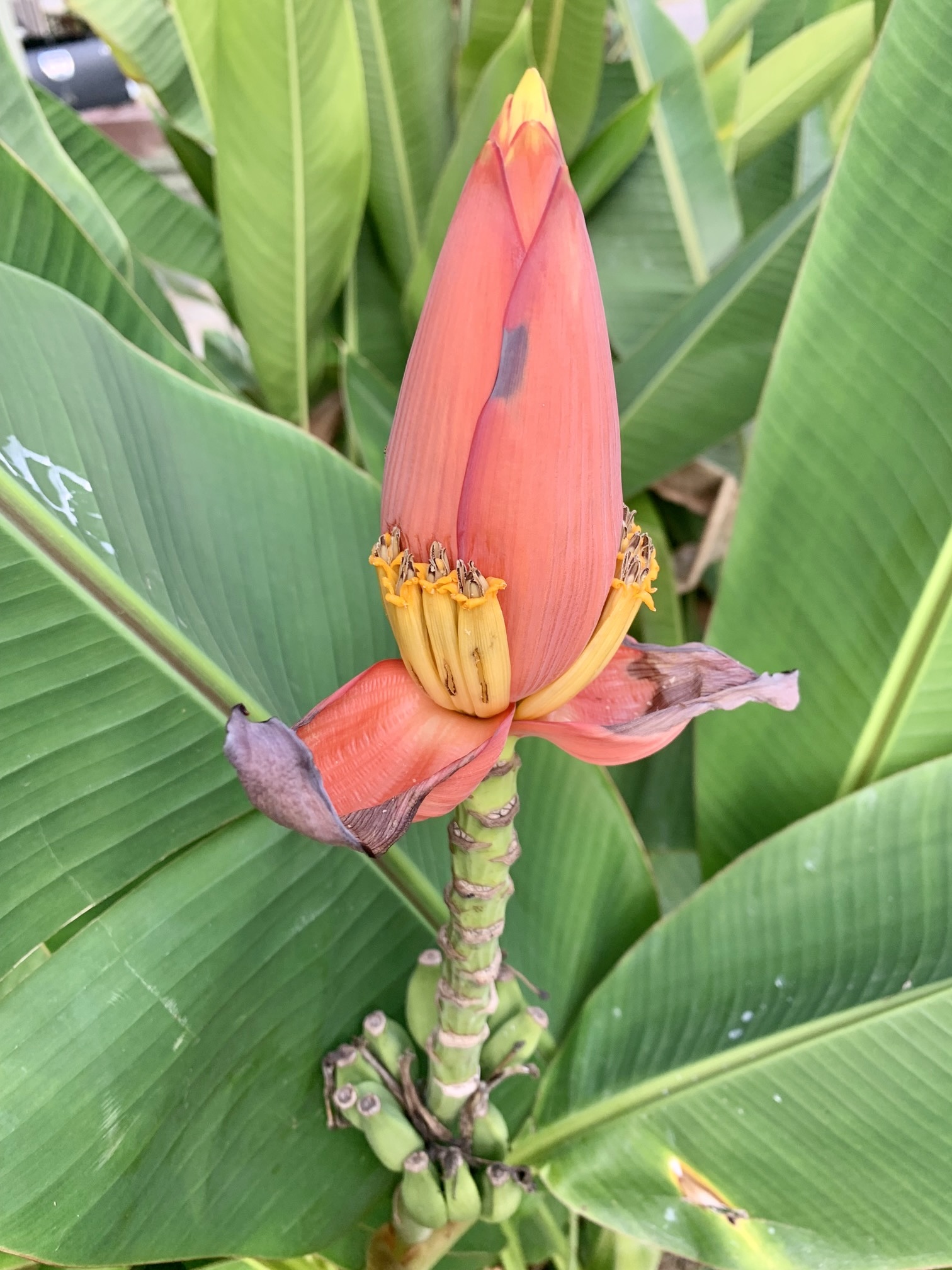
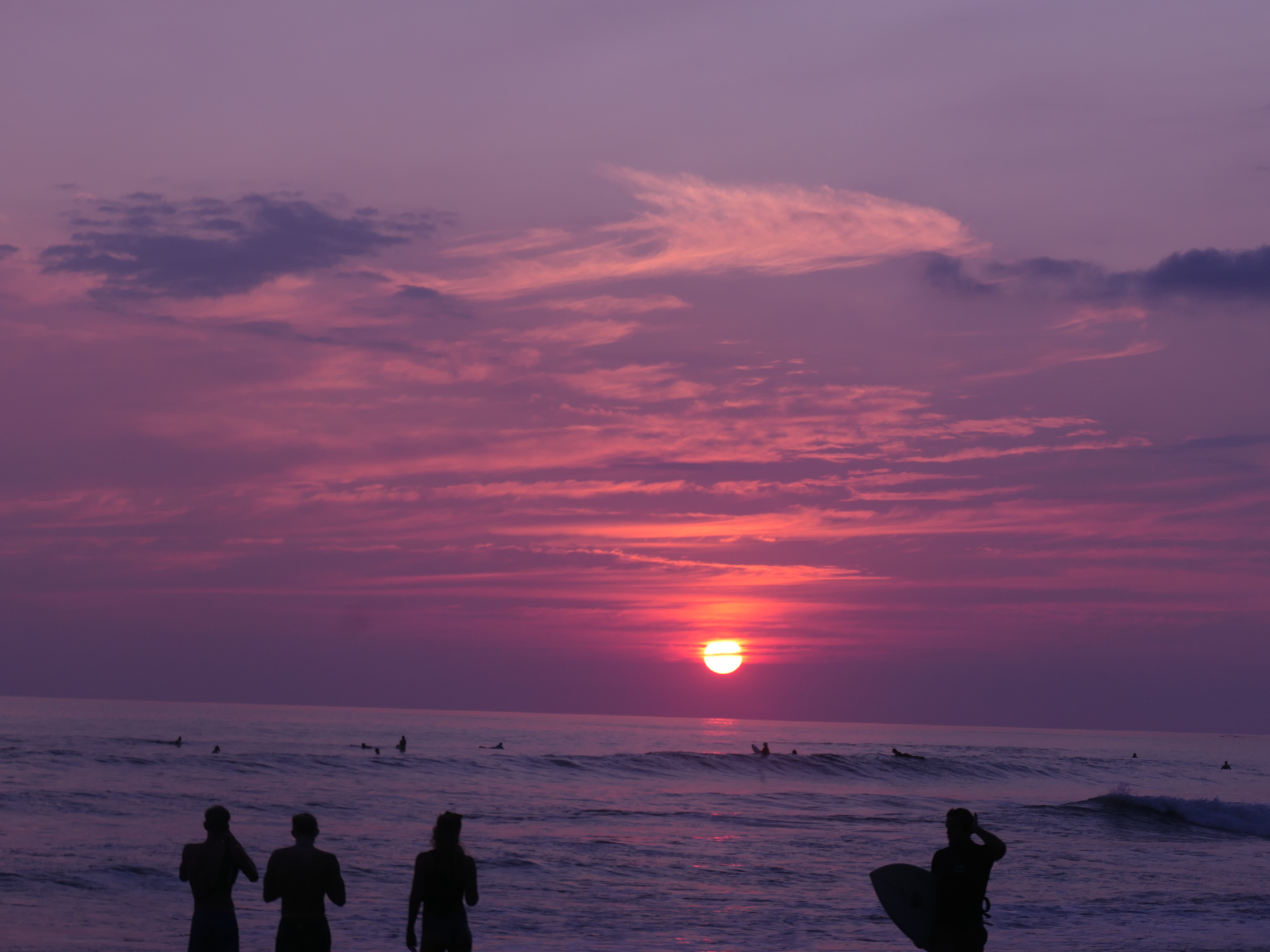
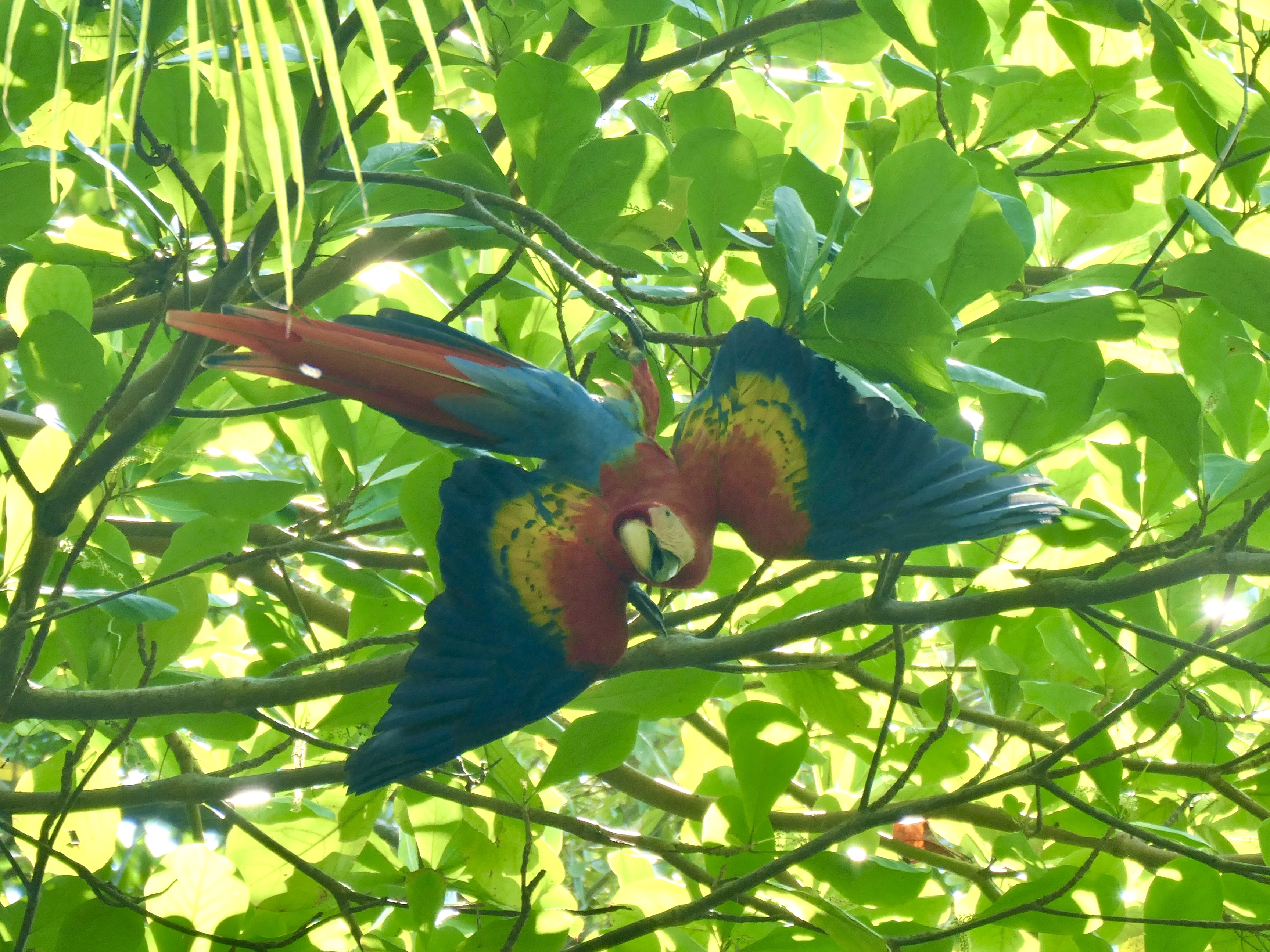
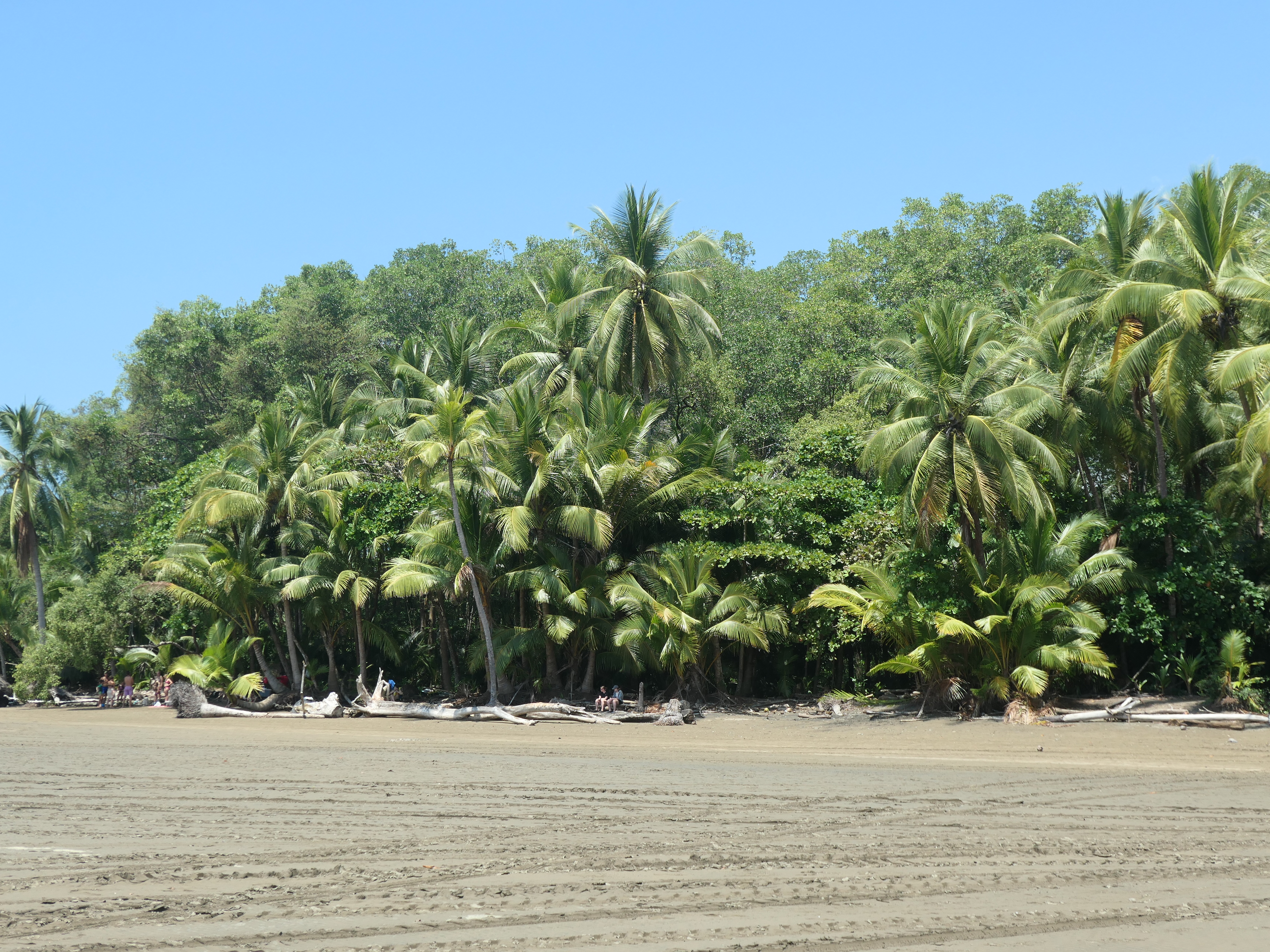
Marina Ballena National Park: at low tide, it is a 2 km beach walk out to the end of the ‘whale’s tail,’ with bays on either side of the rocky end. There are also trails in the forest where we found ourselves mesmerized by the hour-long cacaphony of mackaws (10-second video below).






Uvita Waterfall
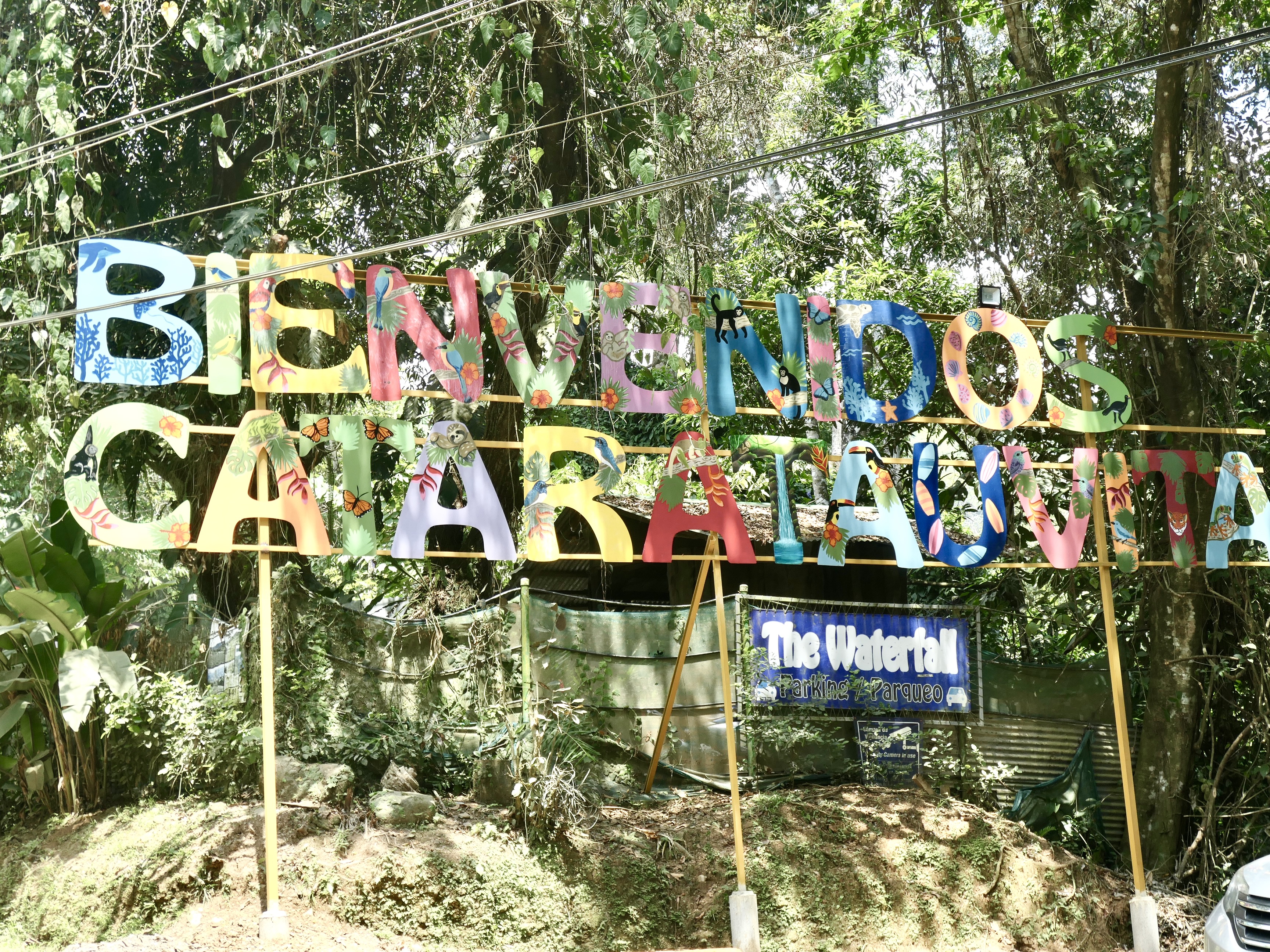
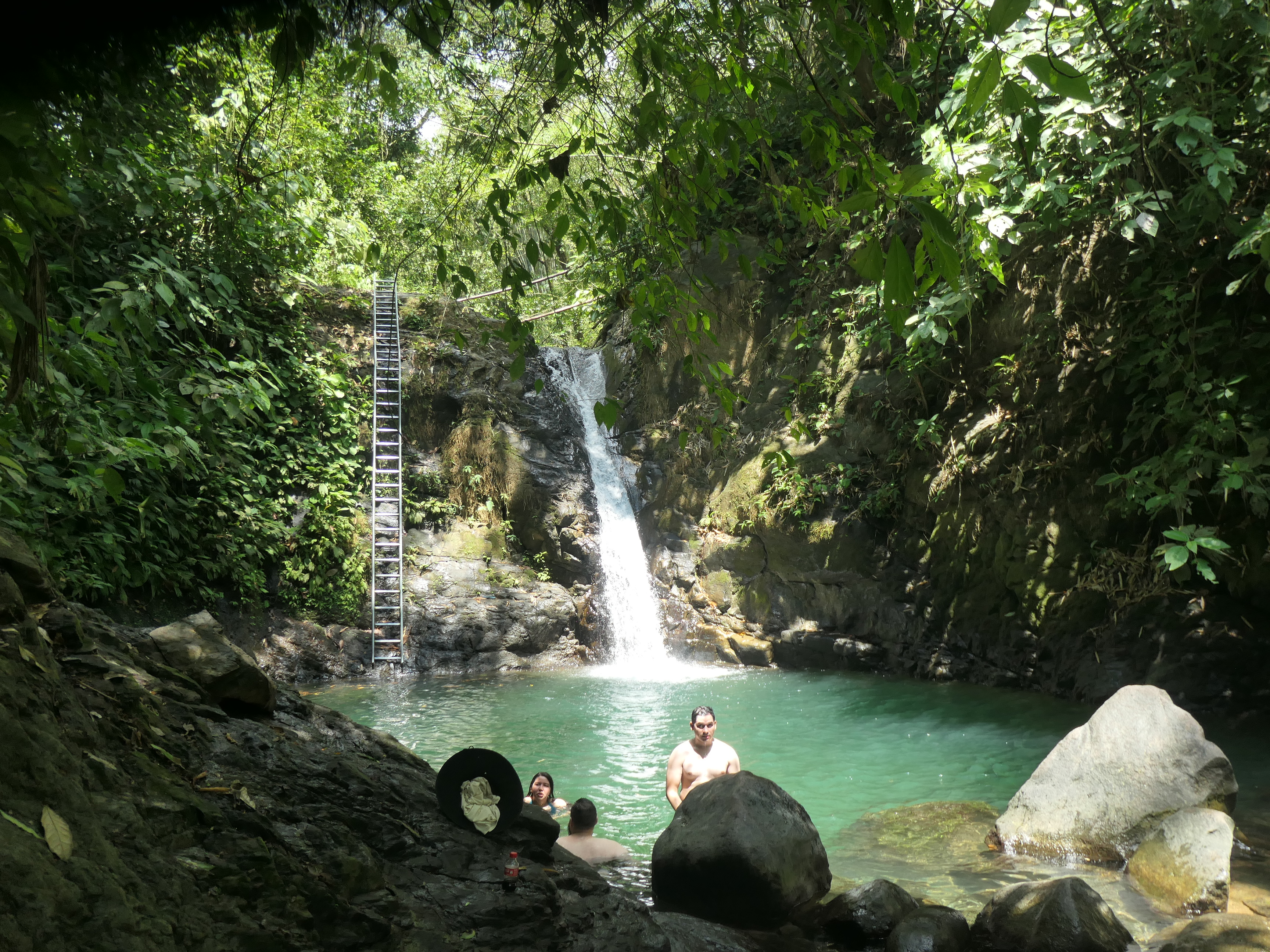
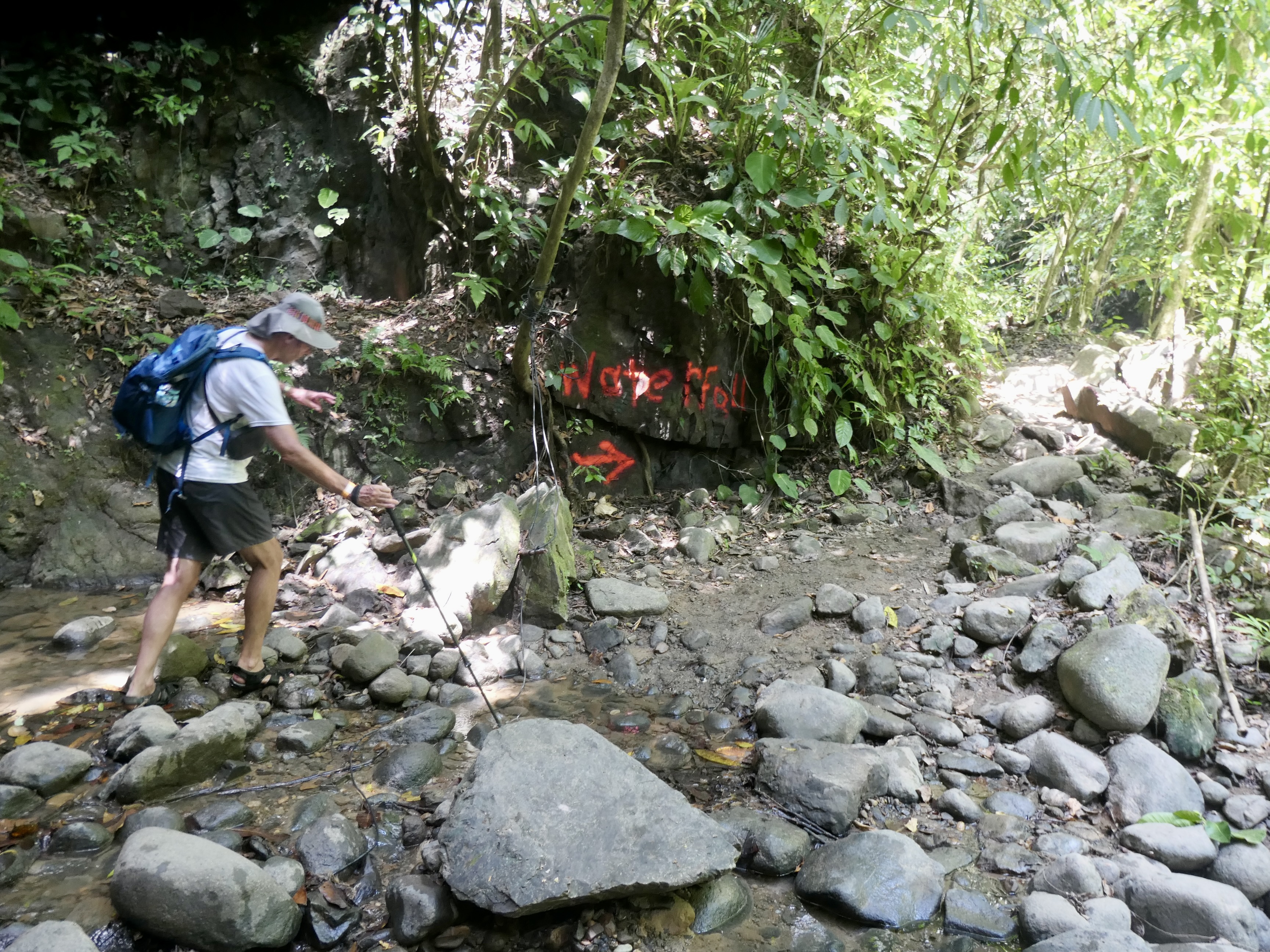


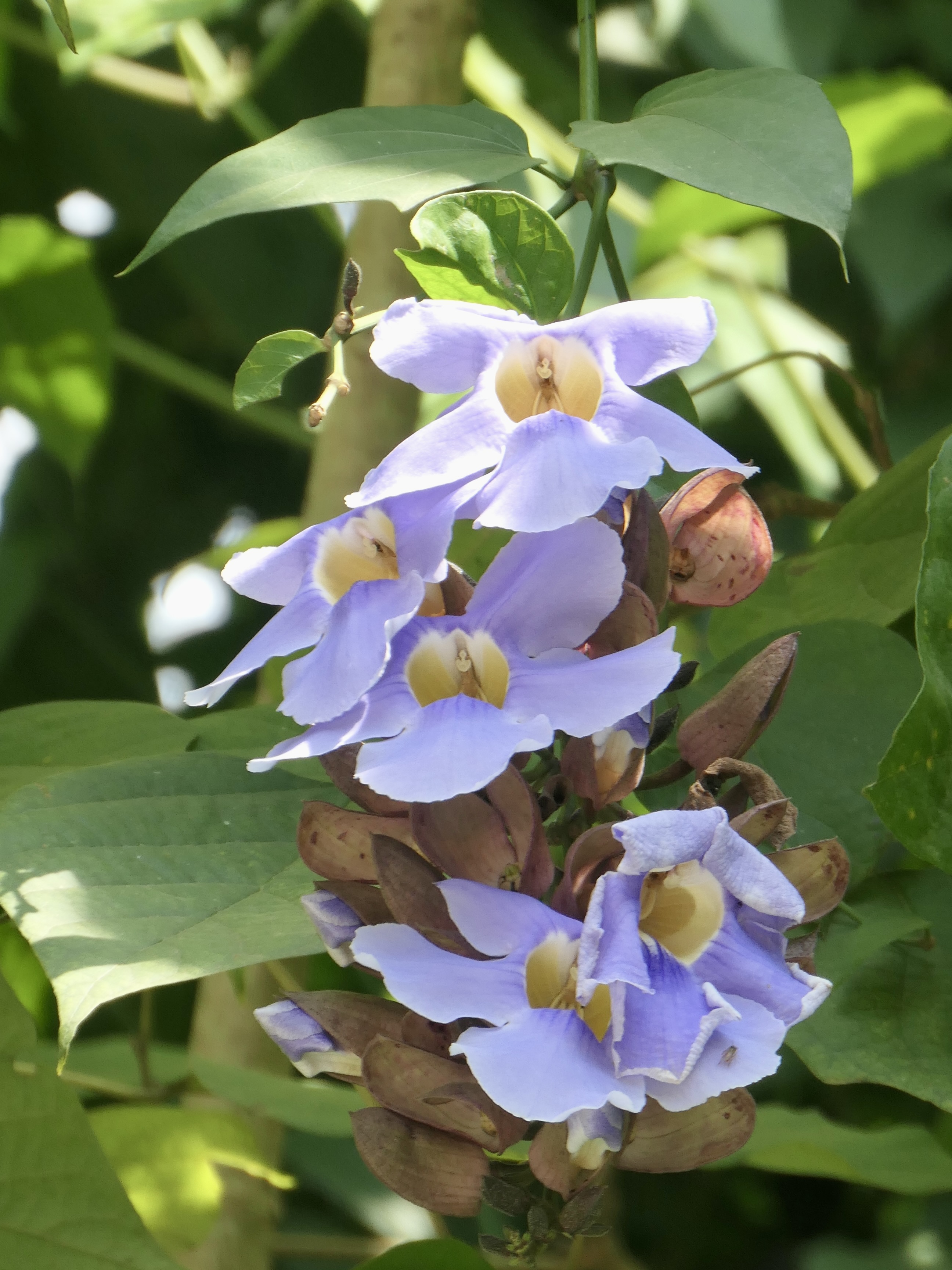
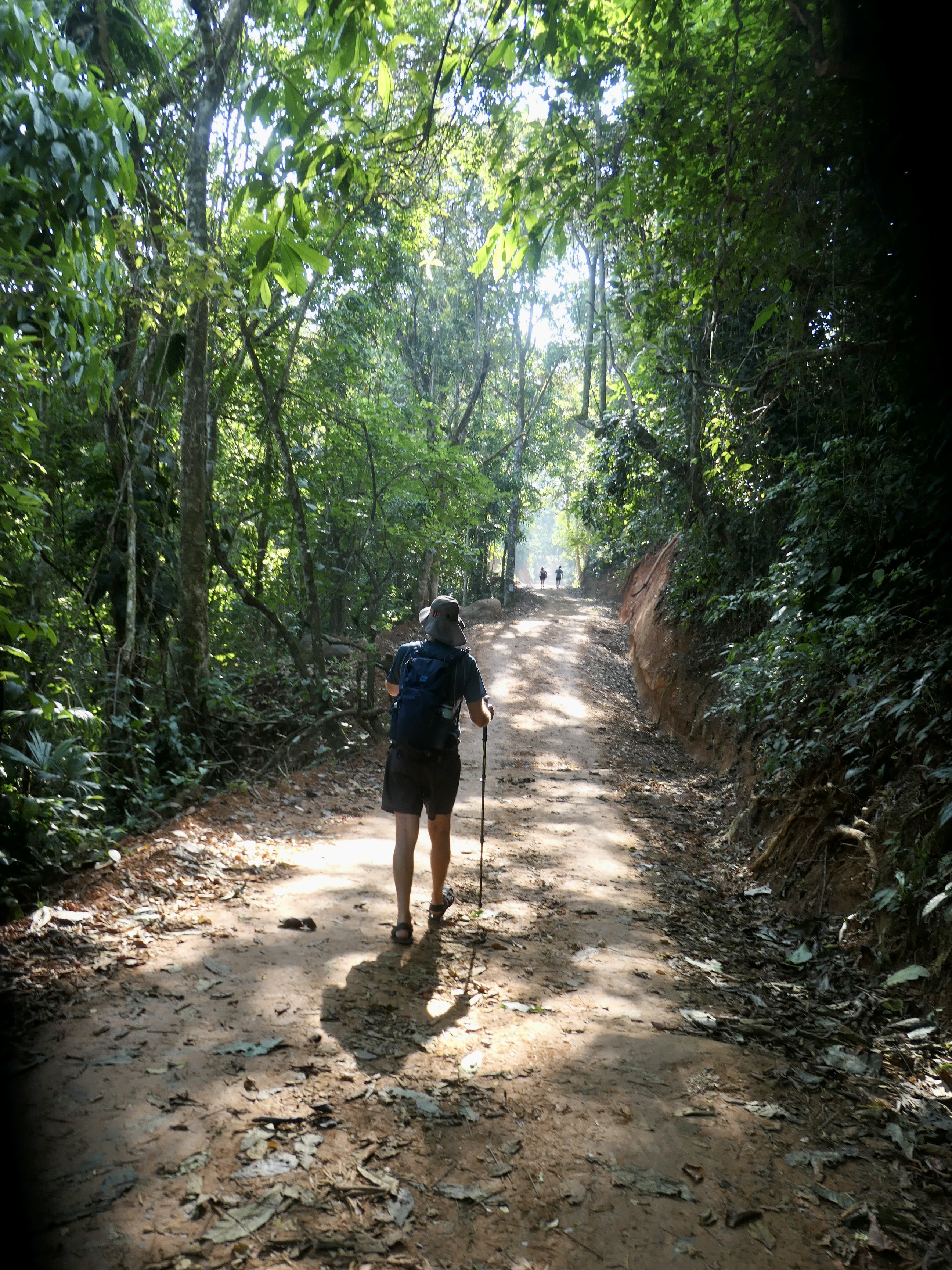
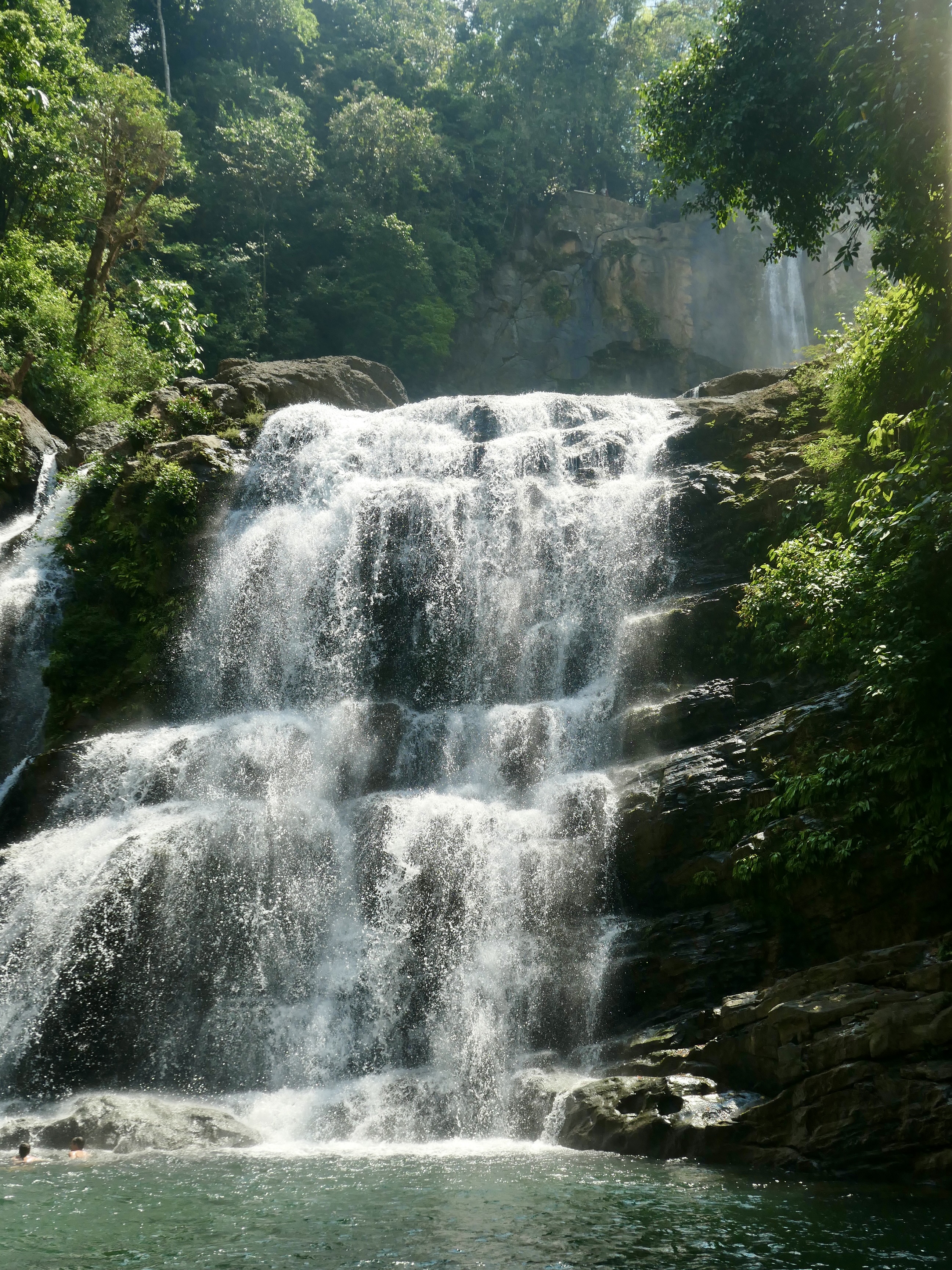
Nauyuca Waterfalls– 3 km uphill hike on dirt road in hot conditions but refreshing pools to swim in before the 3 km return hike.



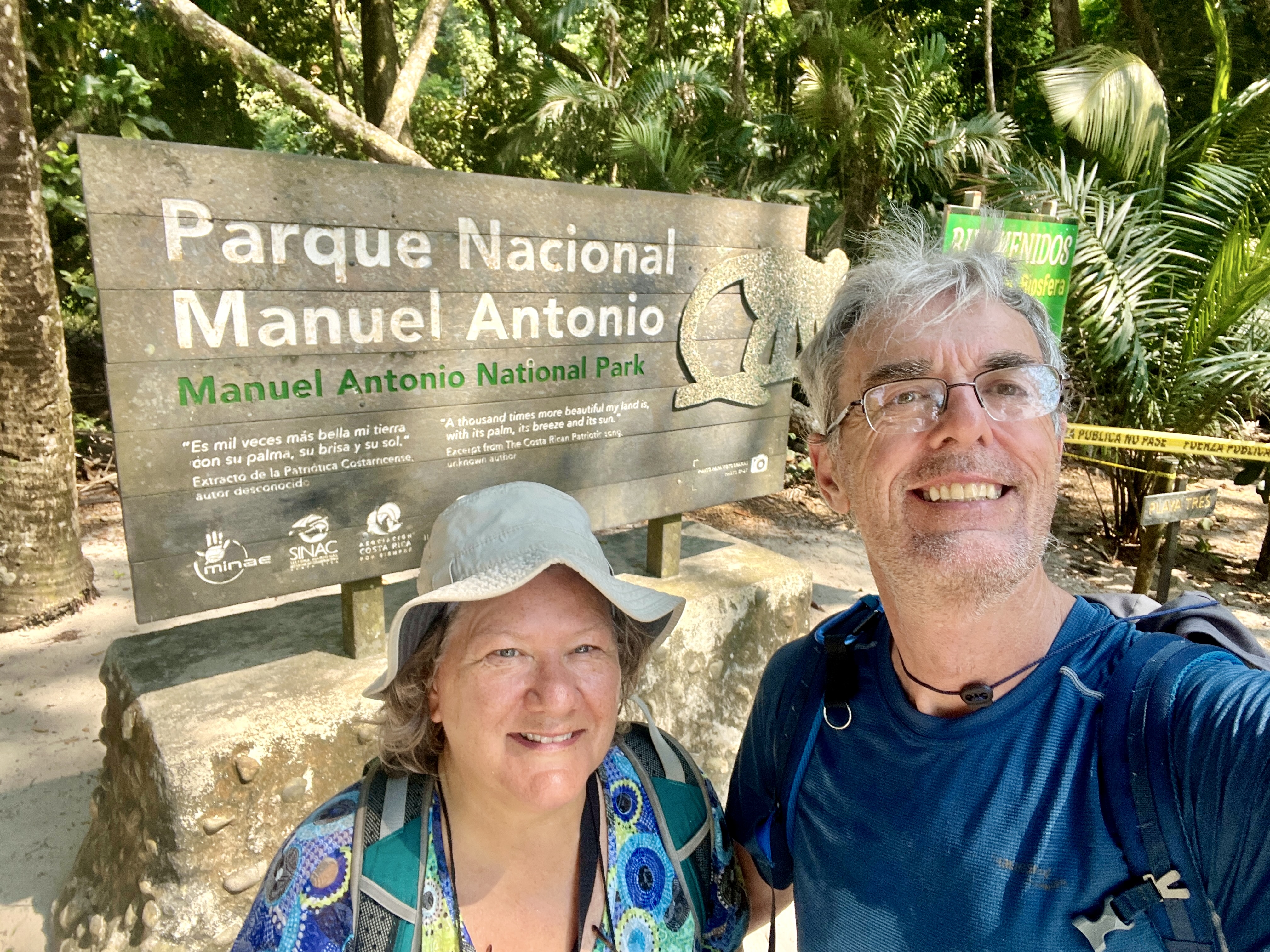
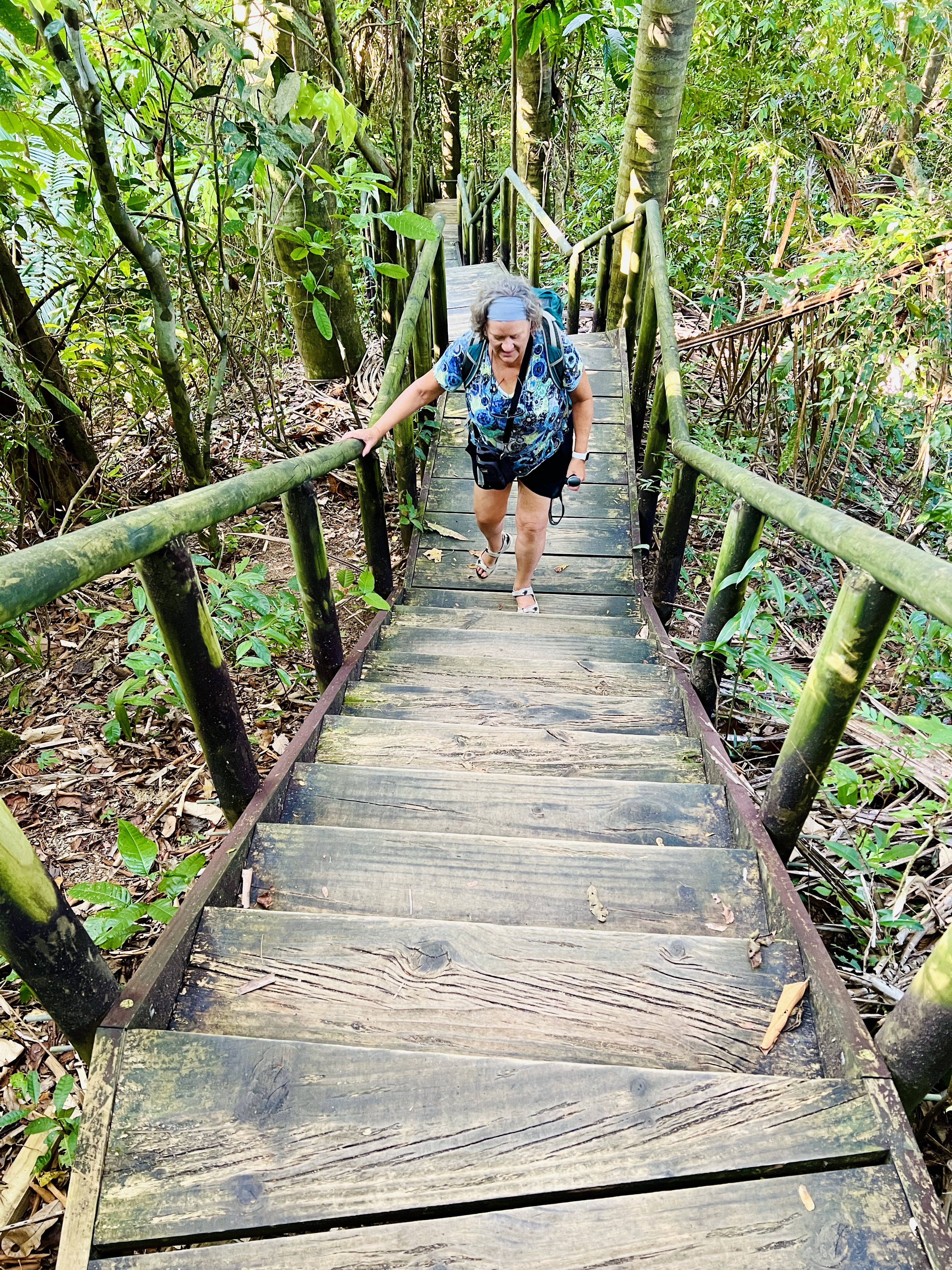
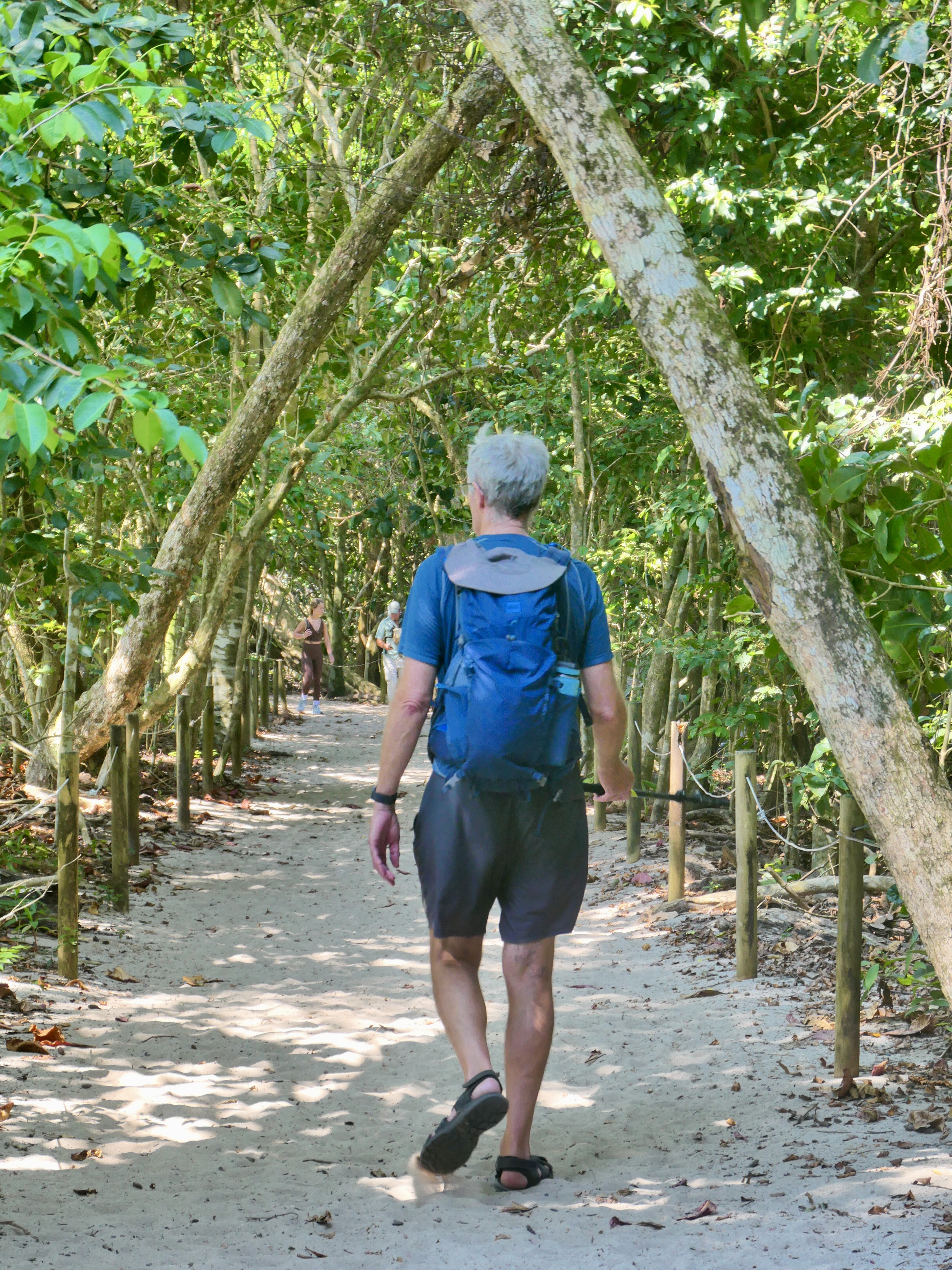
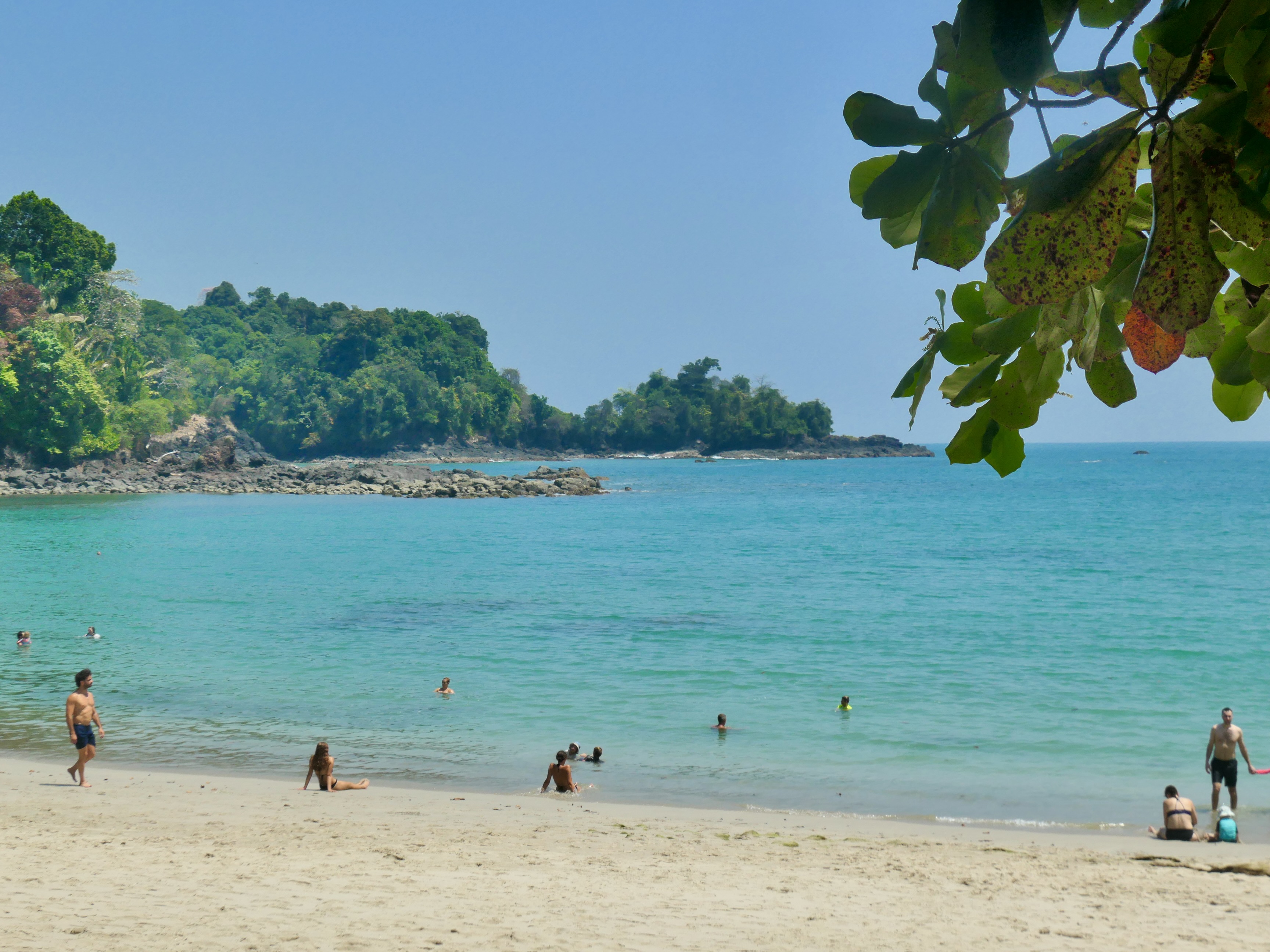
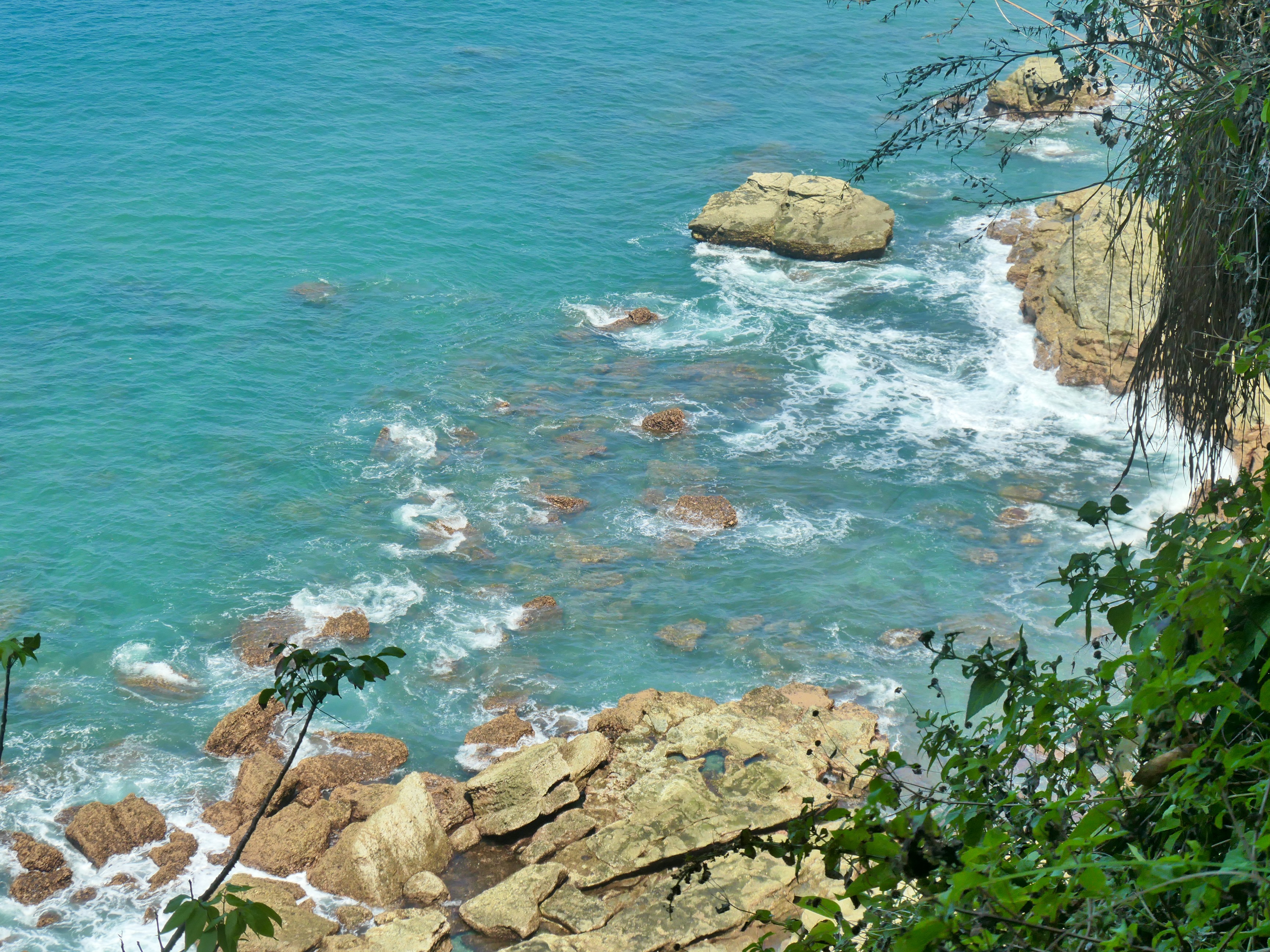
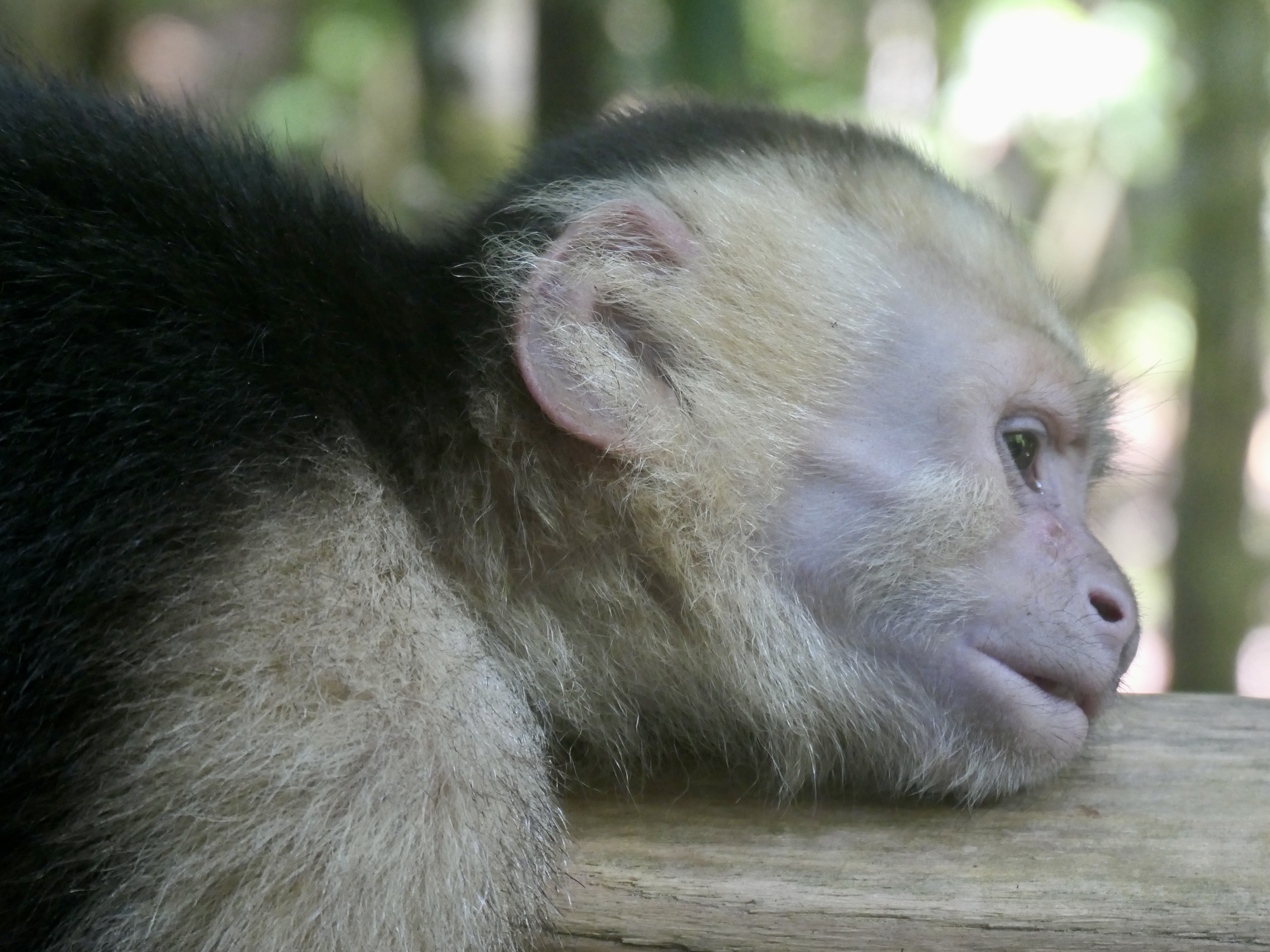
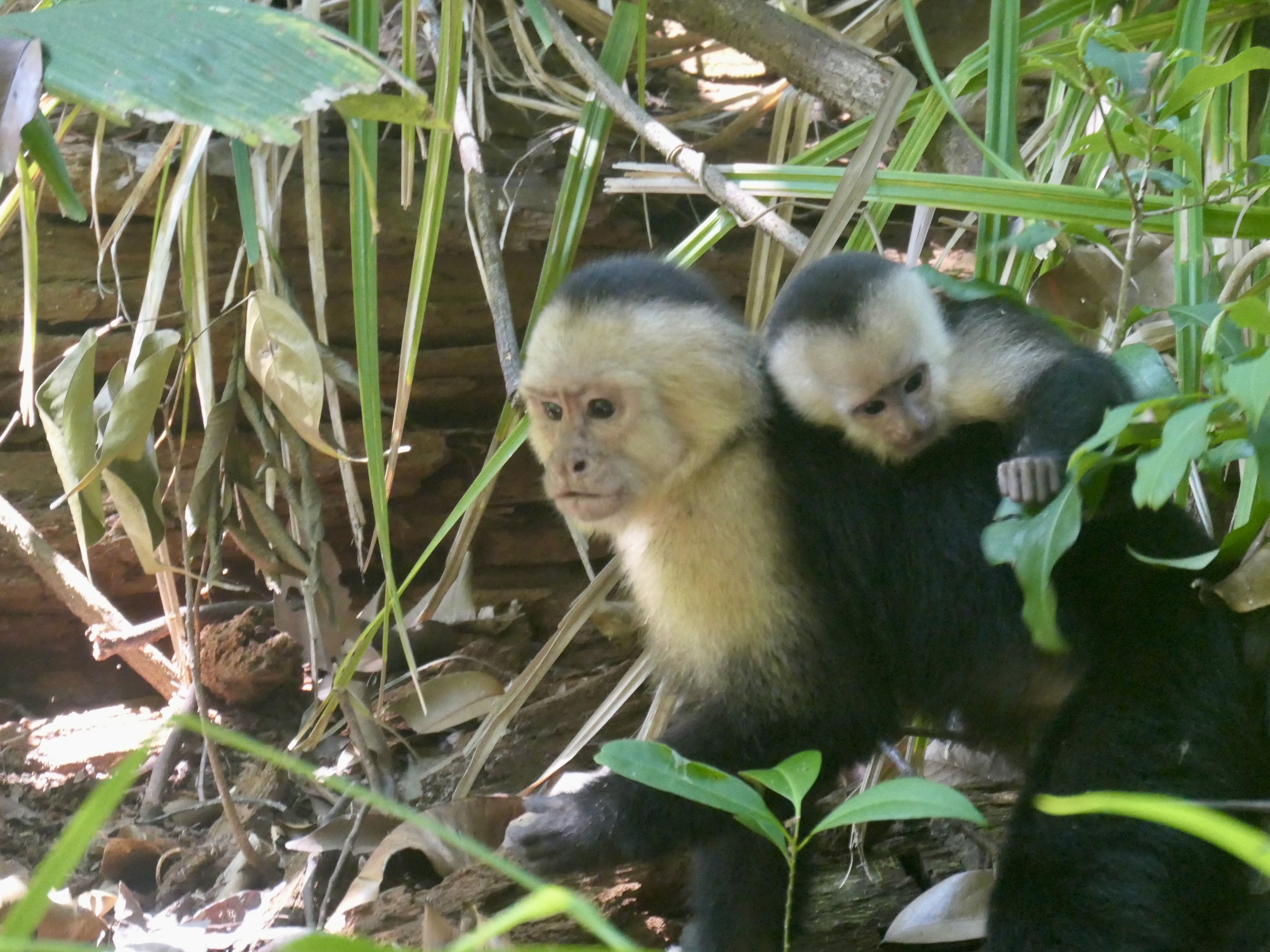
Manuel Antonio National Park – as visitors are limited each day, this park requires an online reservation at least one day prior. We found the online booking system needlessly complicated but once in, found extensive availability for all time slots. We chose the first entry time as once you are in the park, you can spend as much time as you like. This made for a very quiet first couple of hours as we hiked up trails in peace, able to see and hear wildlife. As the day progressed, areas of the park became increasingly busy. We brought our snorkel gear as this is supposed to have an ideal snorkeling area off a beach but the very warm sea water had no visibility. We later learned that this has been a problem for a while due to run-off from the hills and increased erosion as the area is becoming more developed.

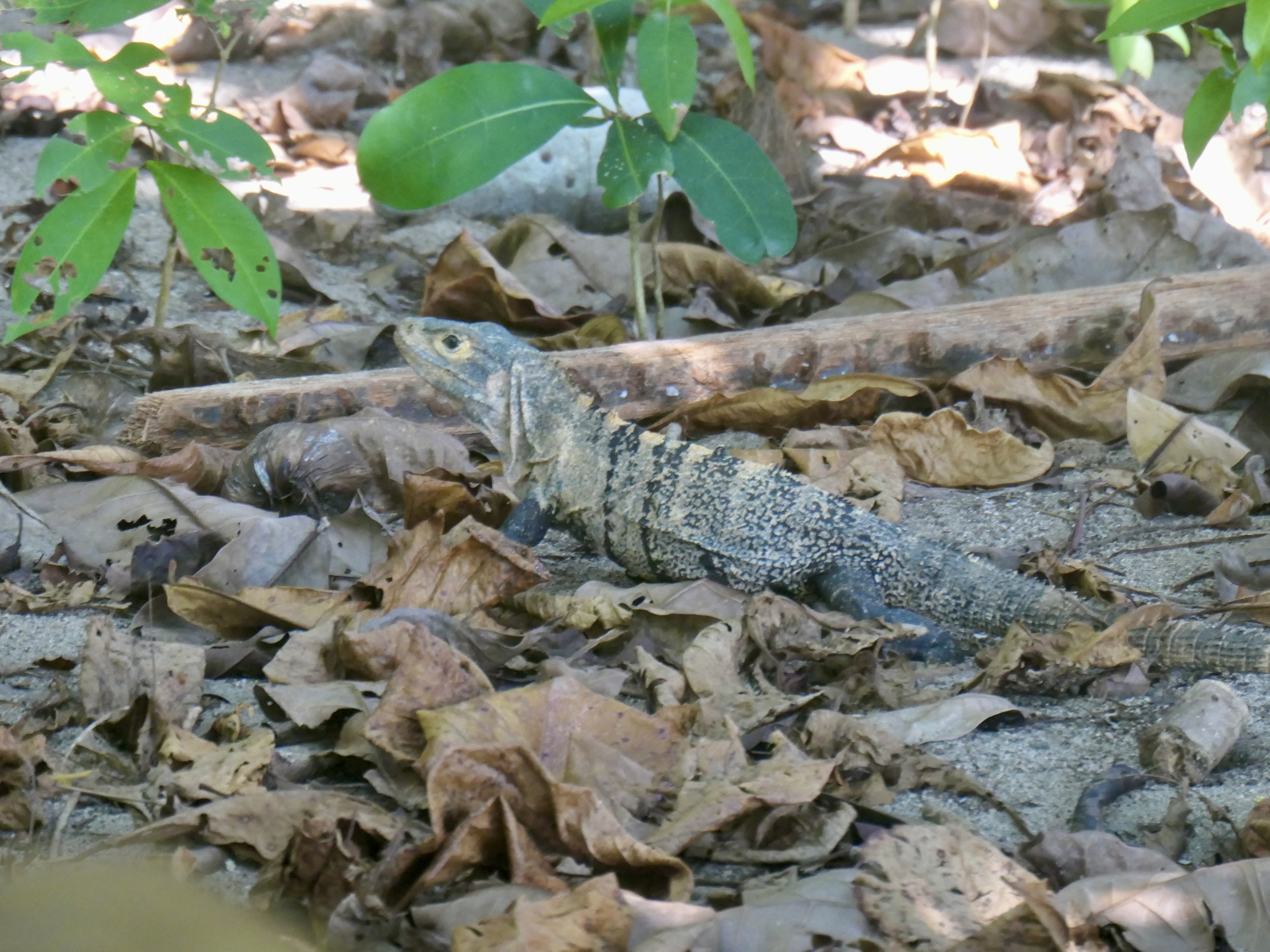

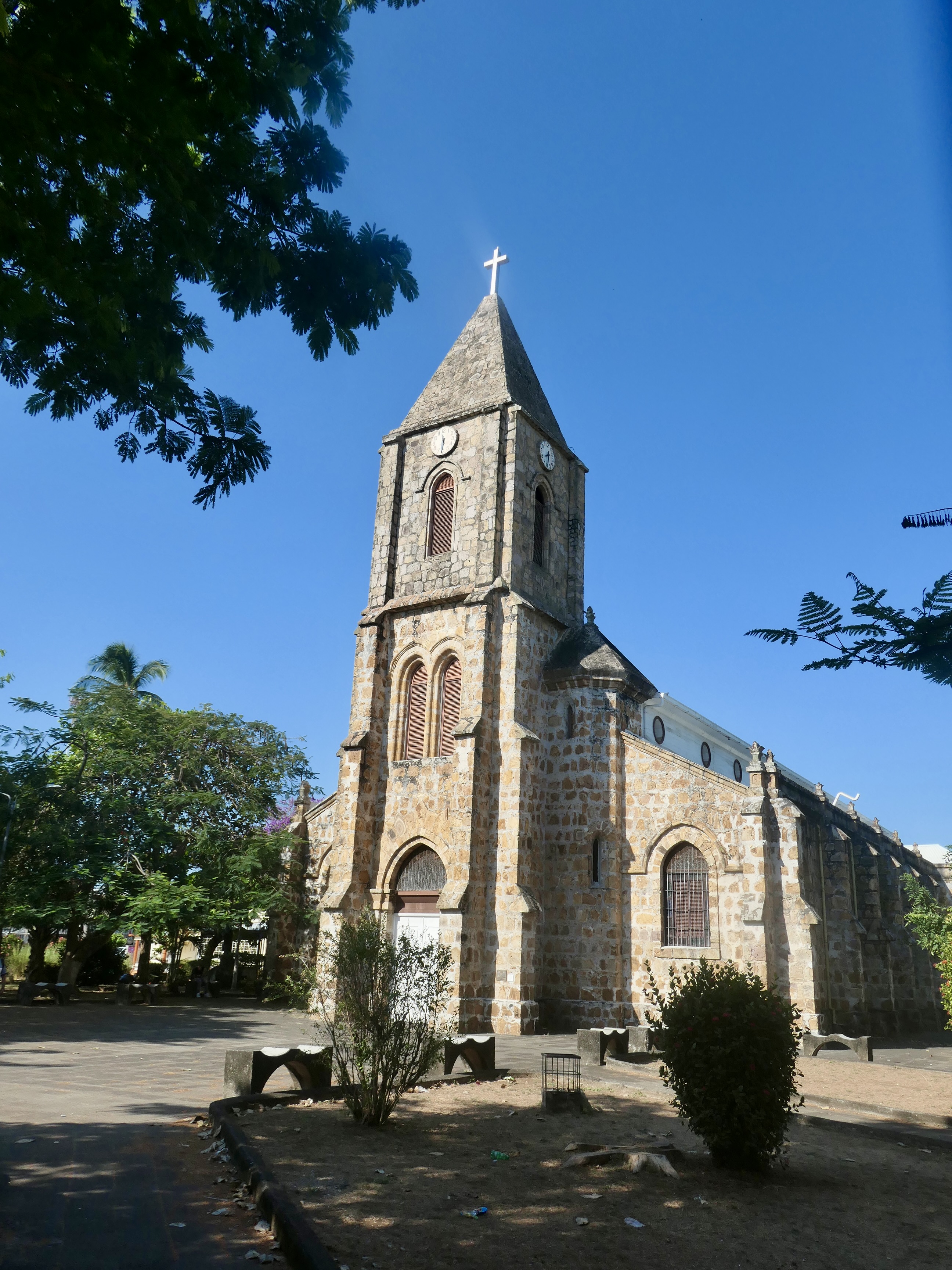
Puntarenas
On the central coast there is a goods port (Caldera) and a ferry & cruise ship port (Puntarenas). This is not a fancy town, there are no resorts, but we would say it was the most *authentic* town we’d experienced. It is the closest beach area for residents of San José but even in the high season for the rest of the country, Puntarenas felt sleepy, gritty, and real.
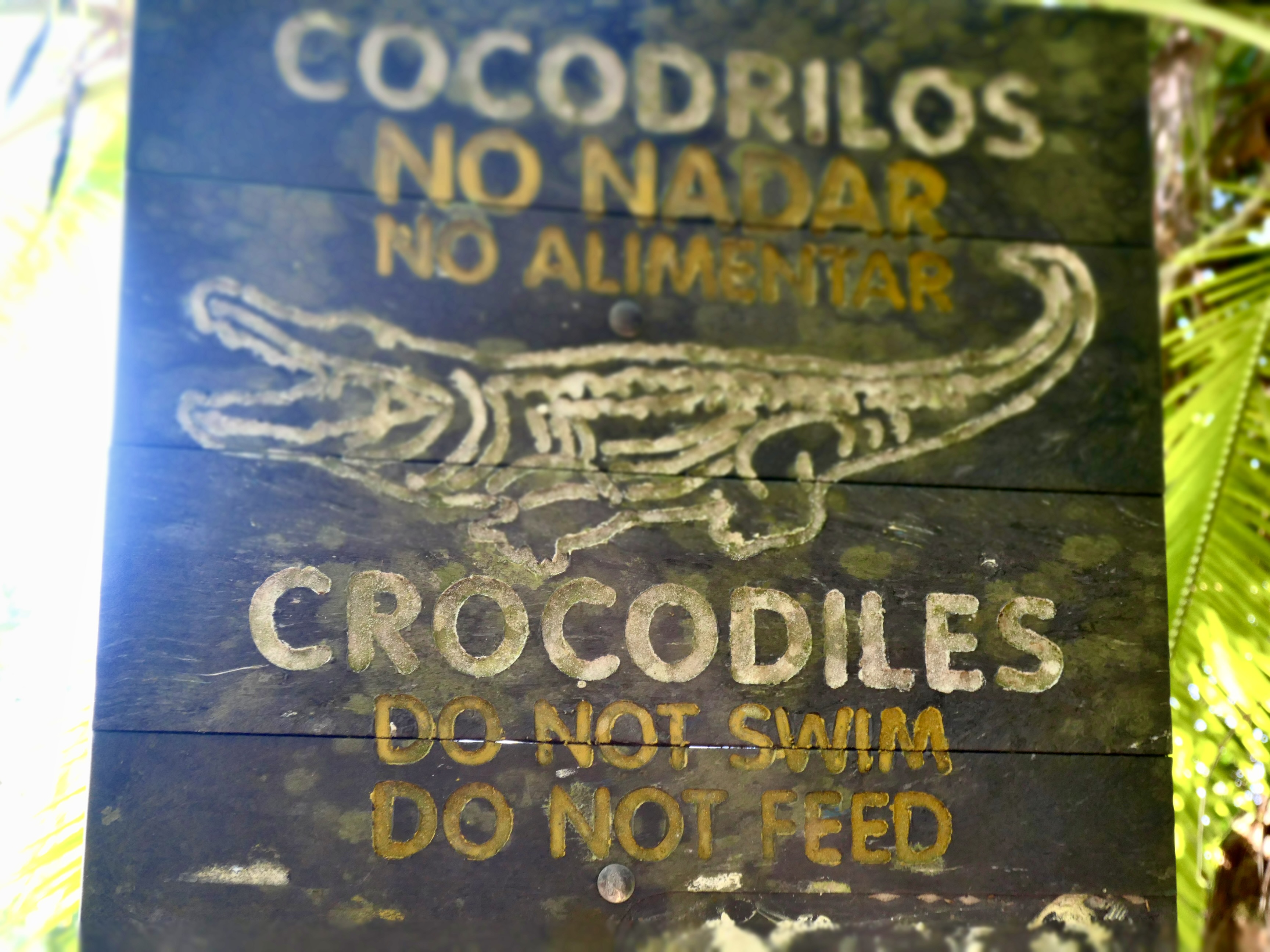
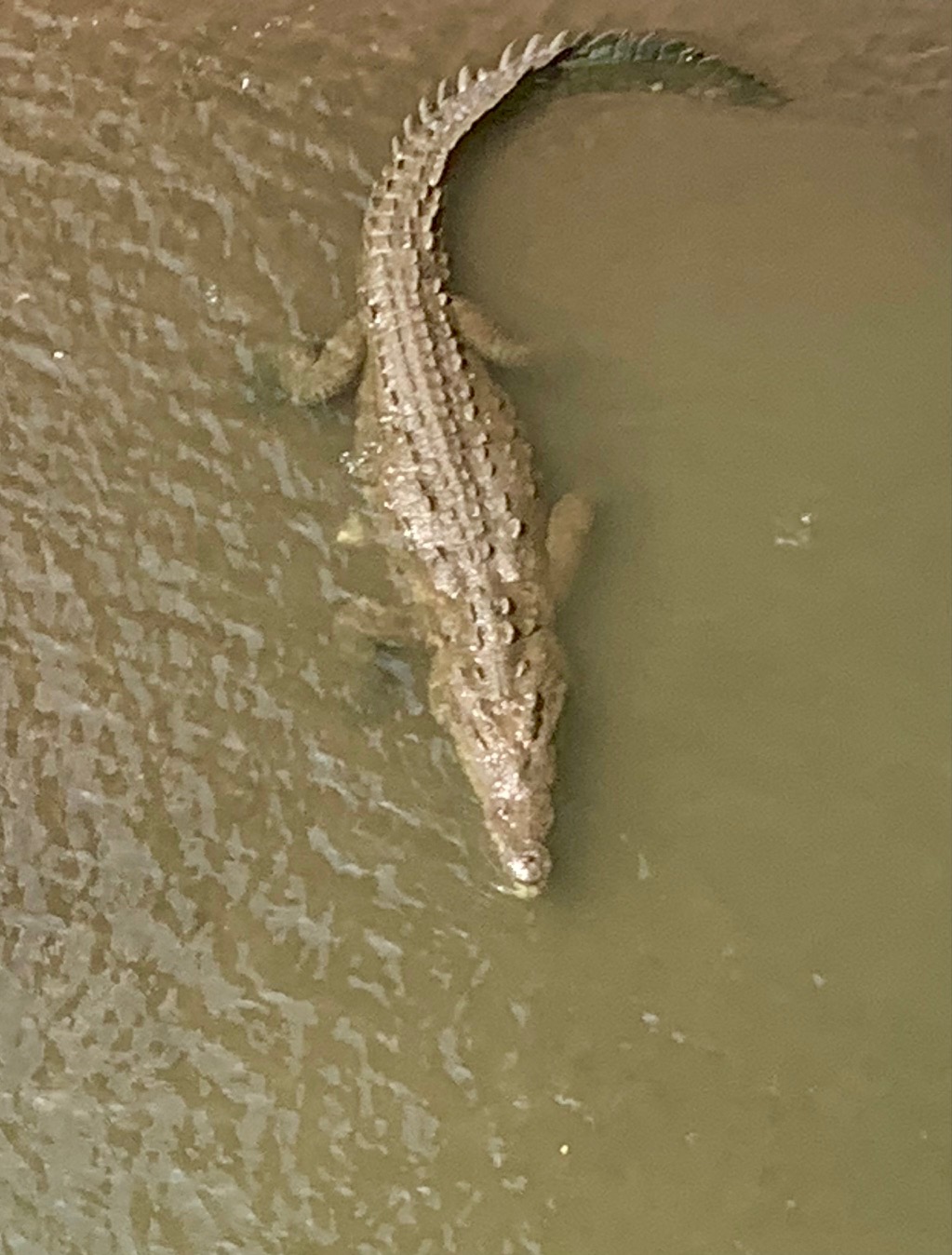
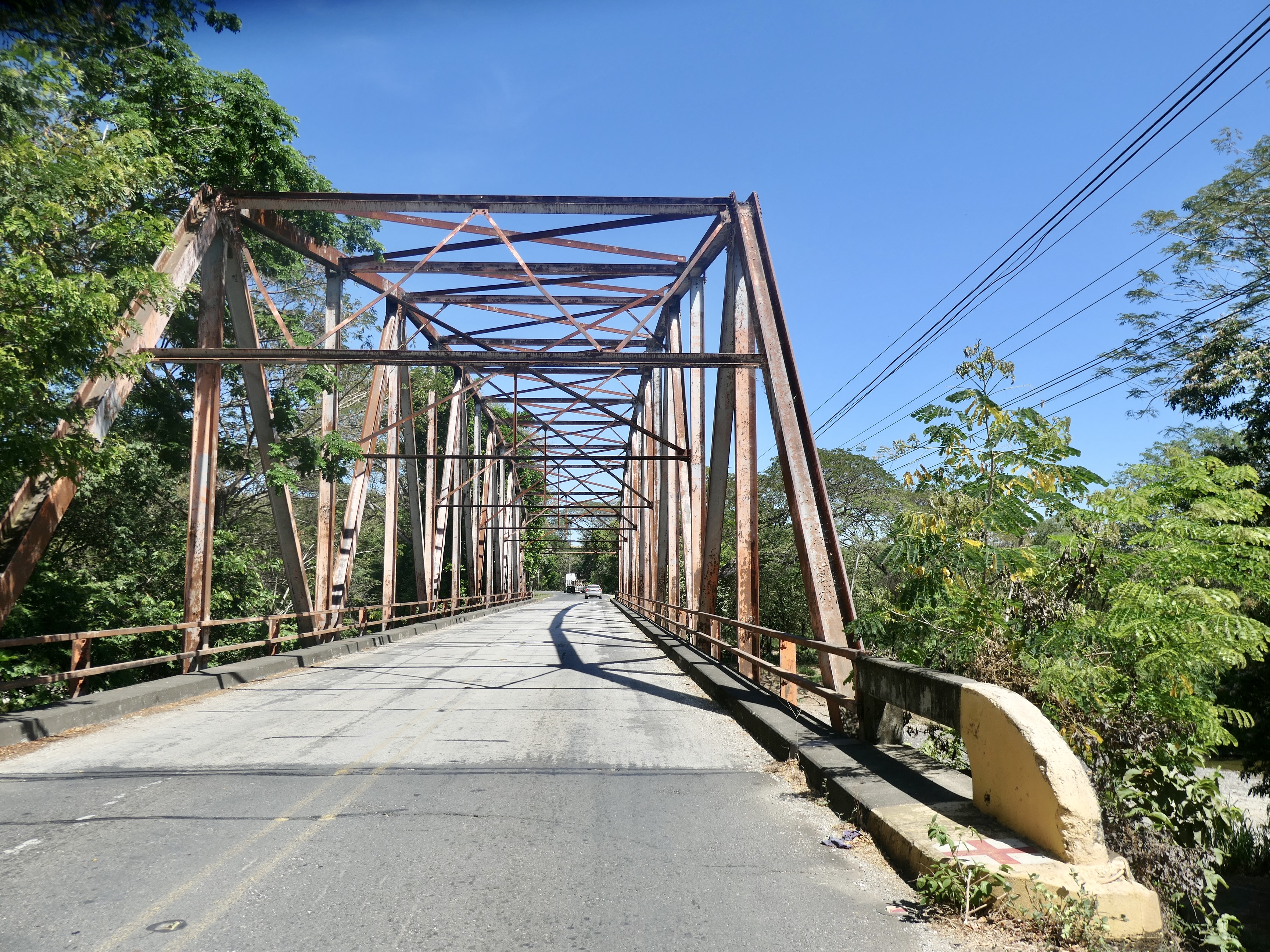
The “crocodile bridge” is on the way…
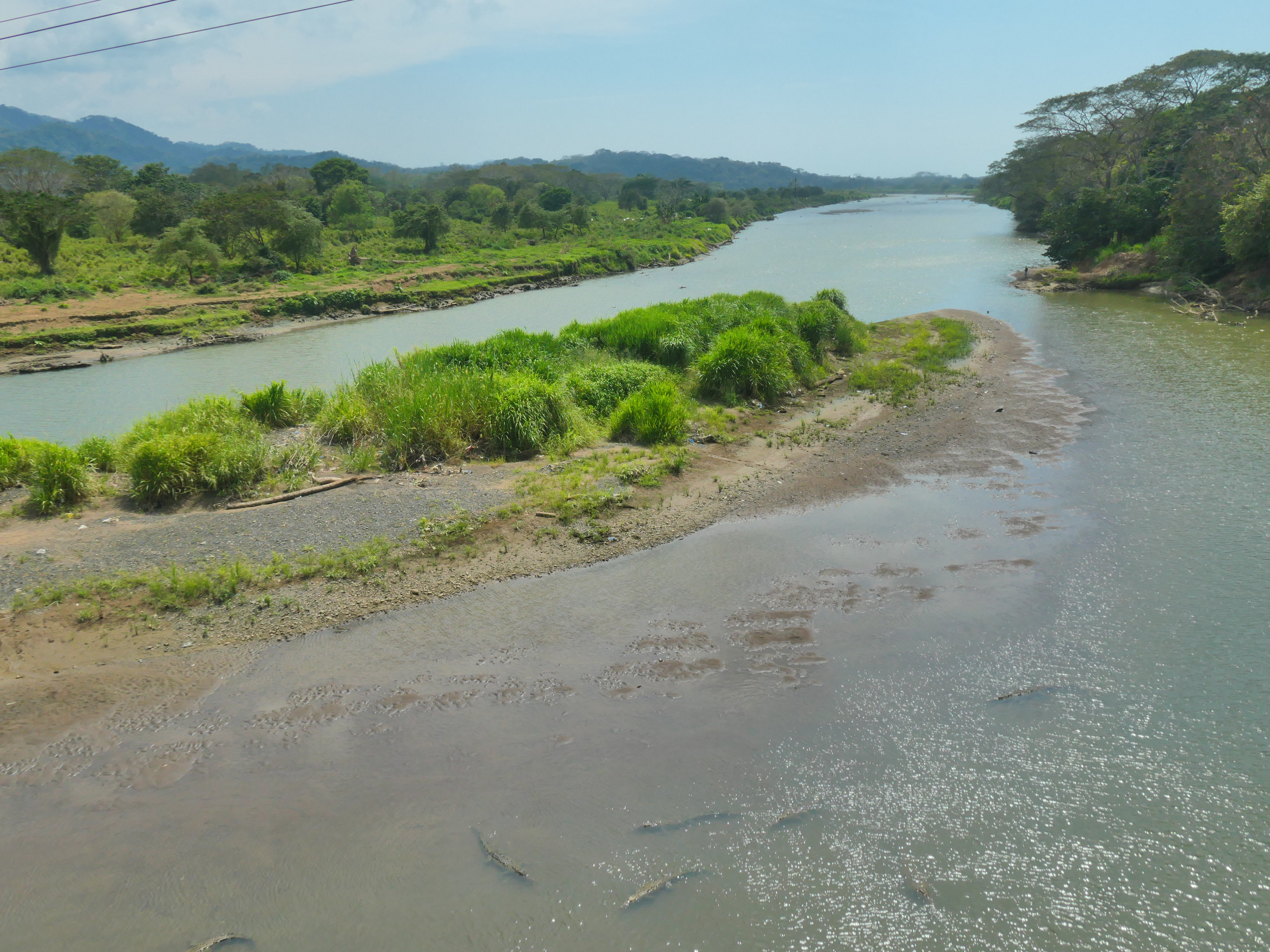

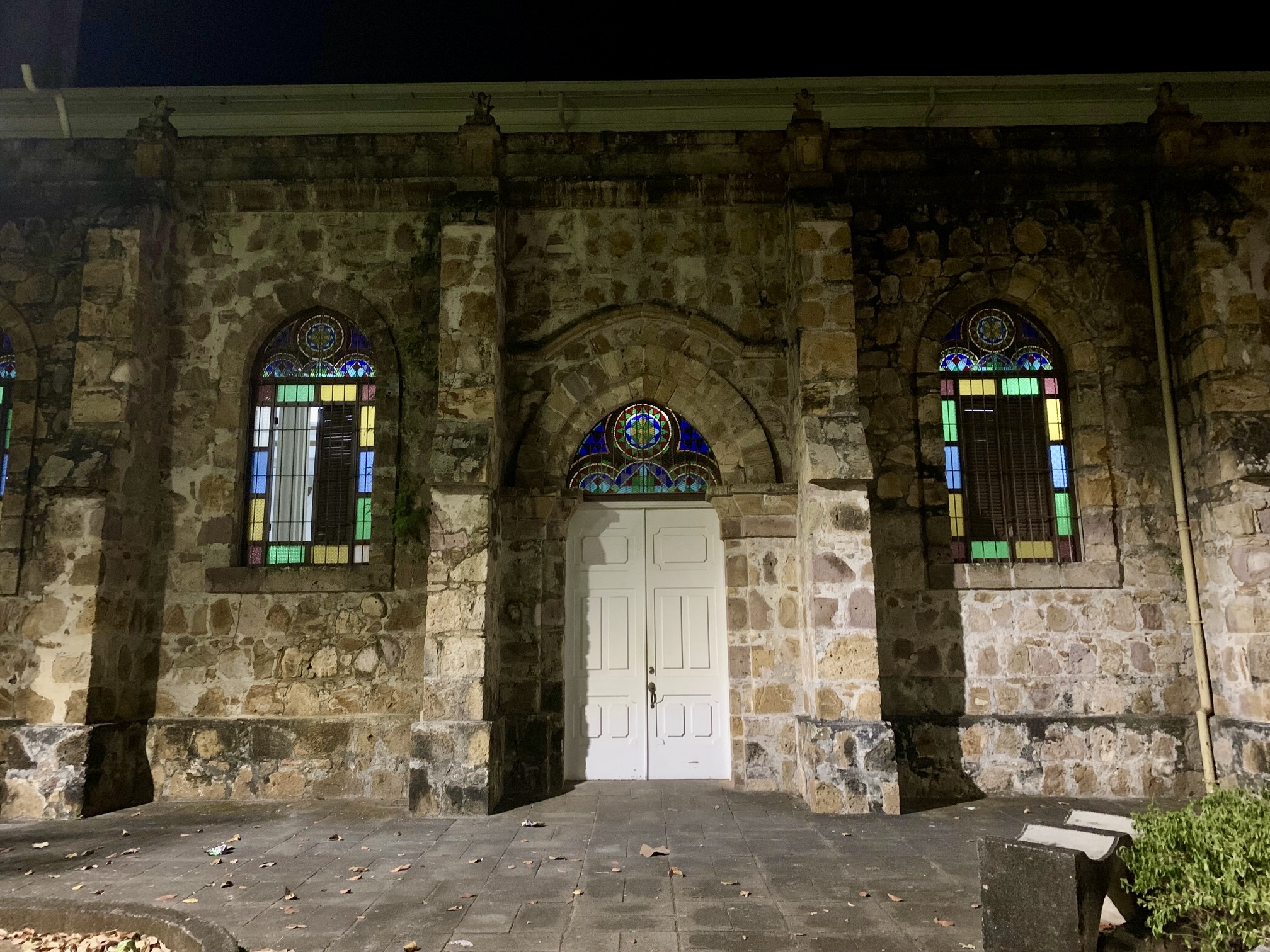
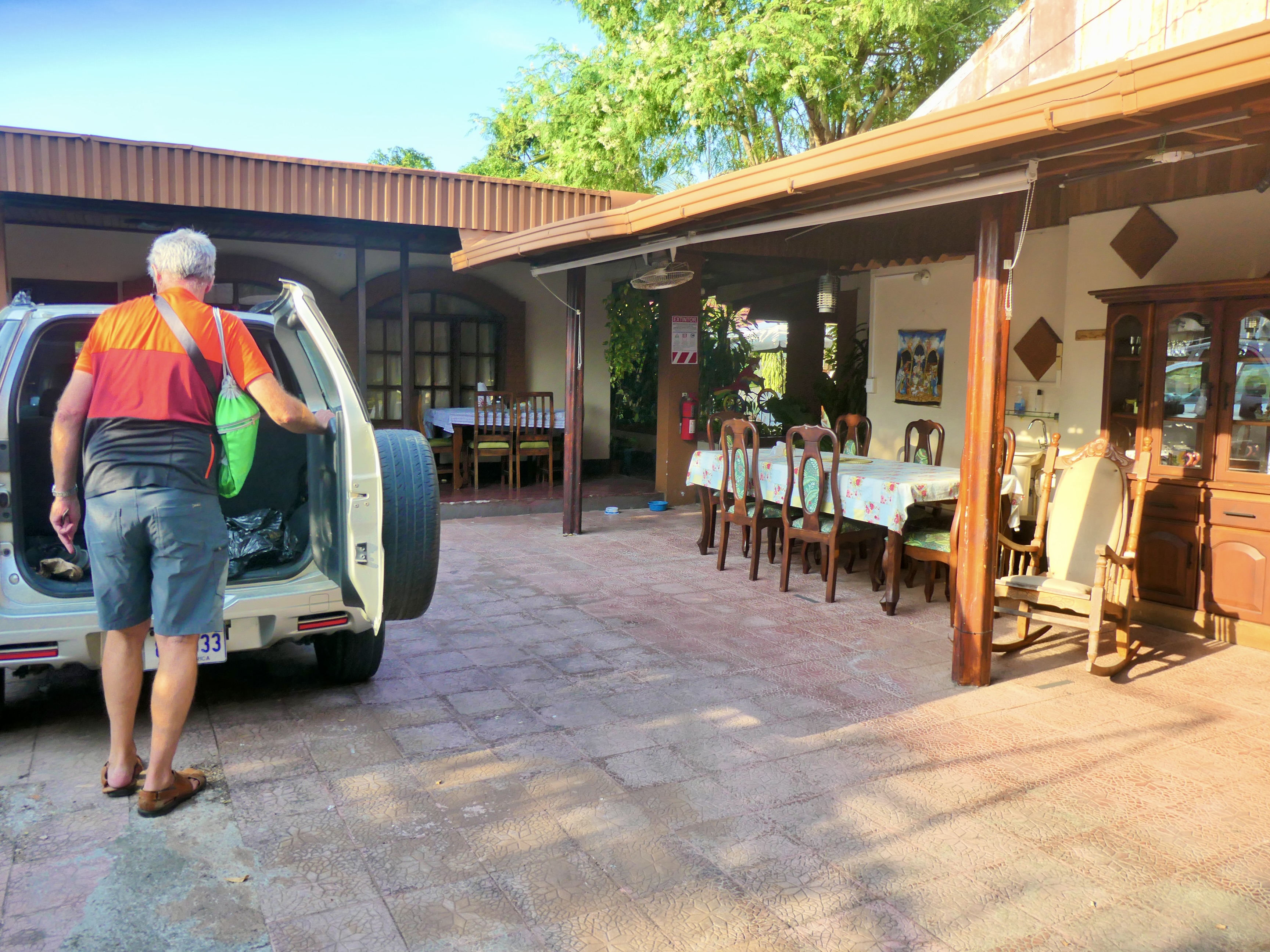
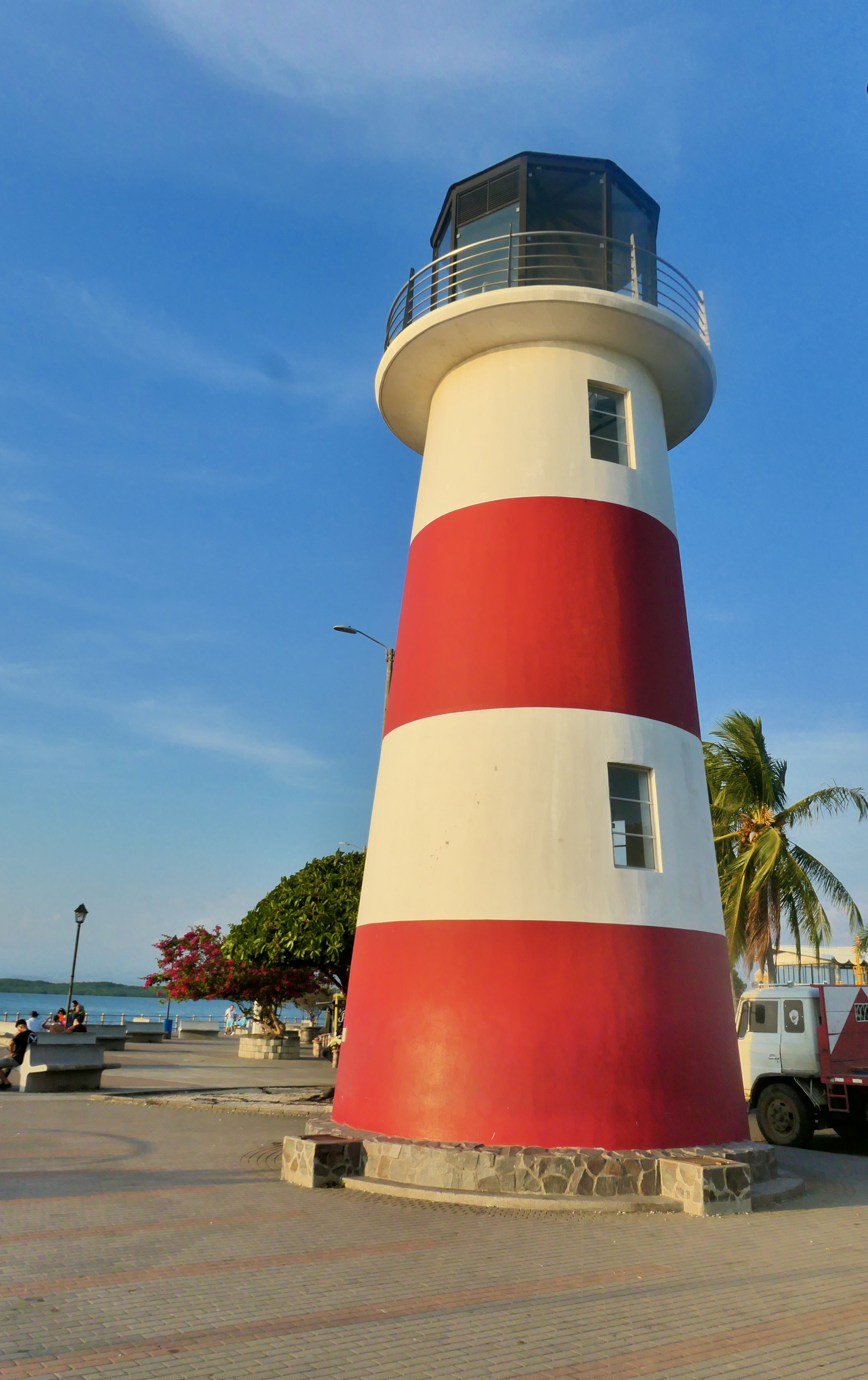
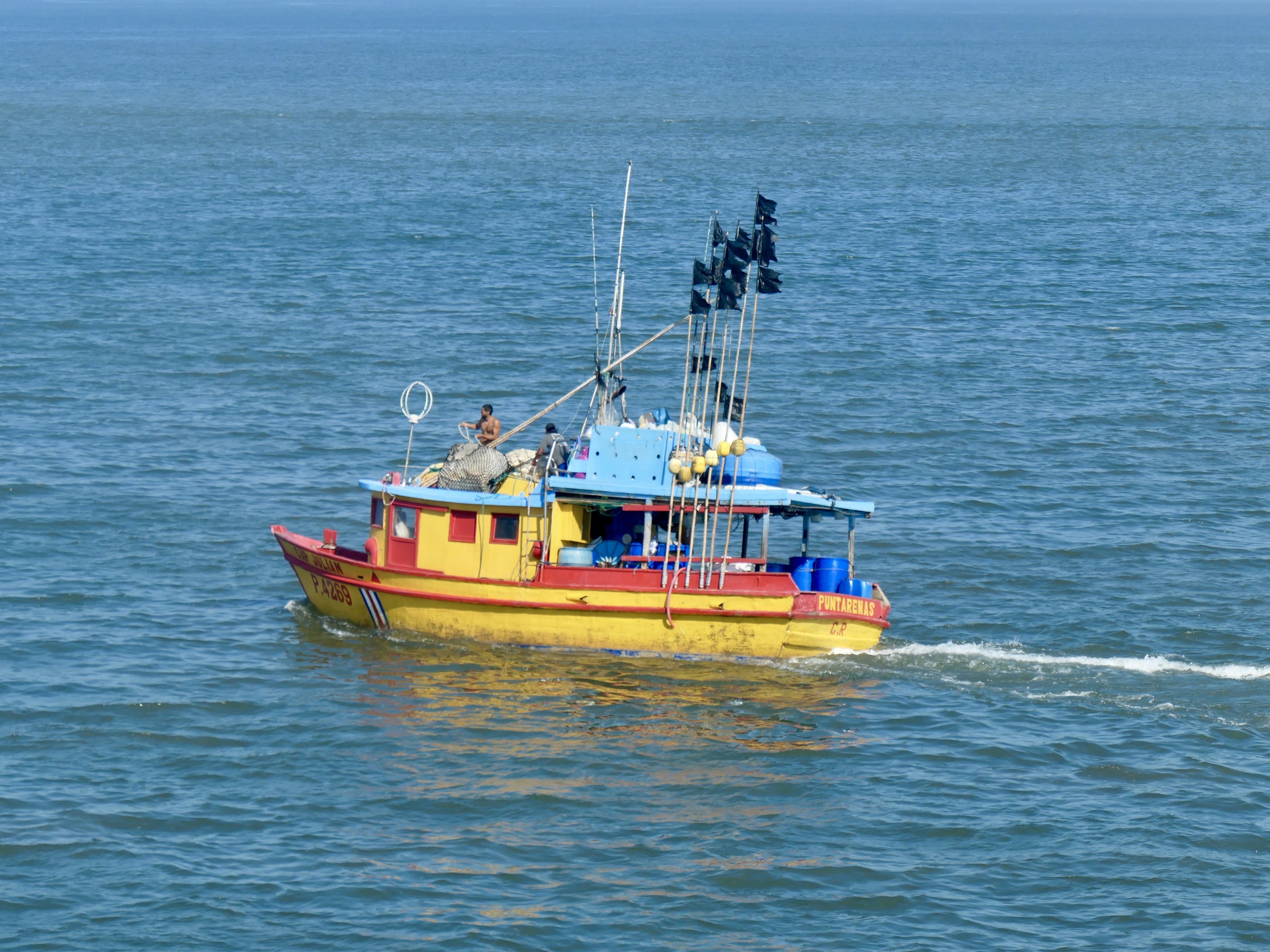


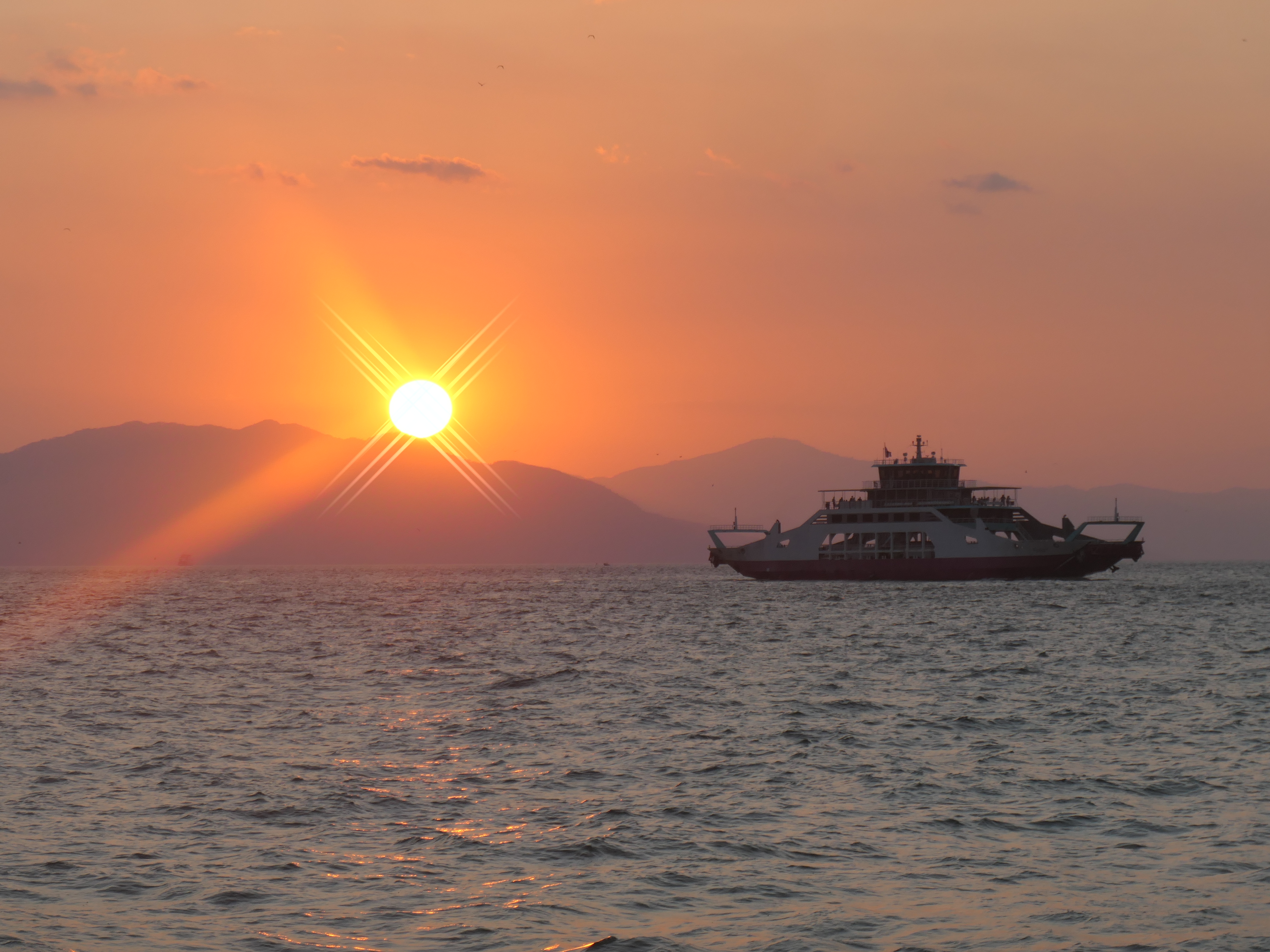
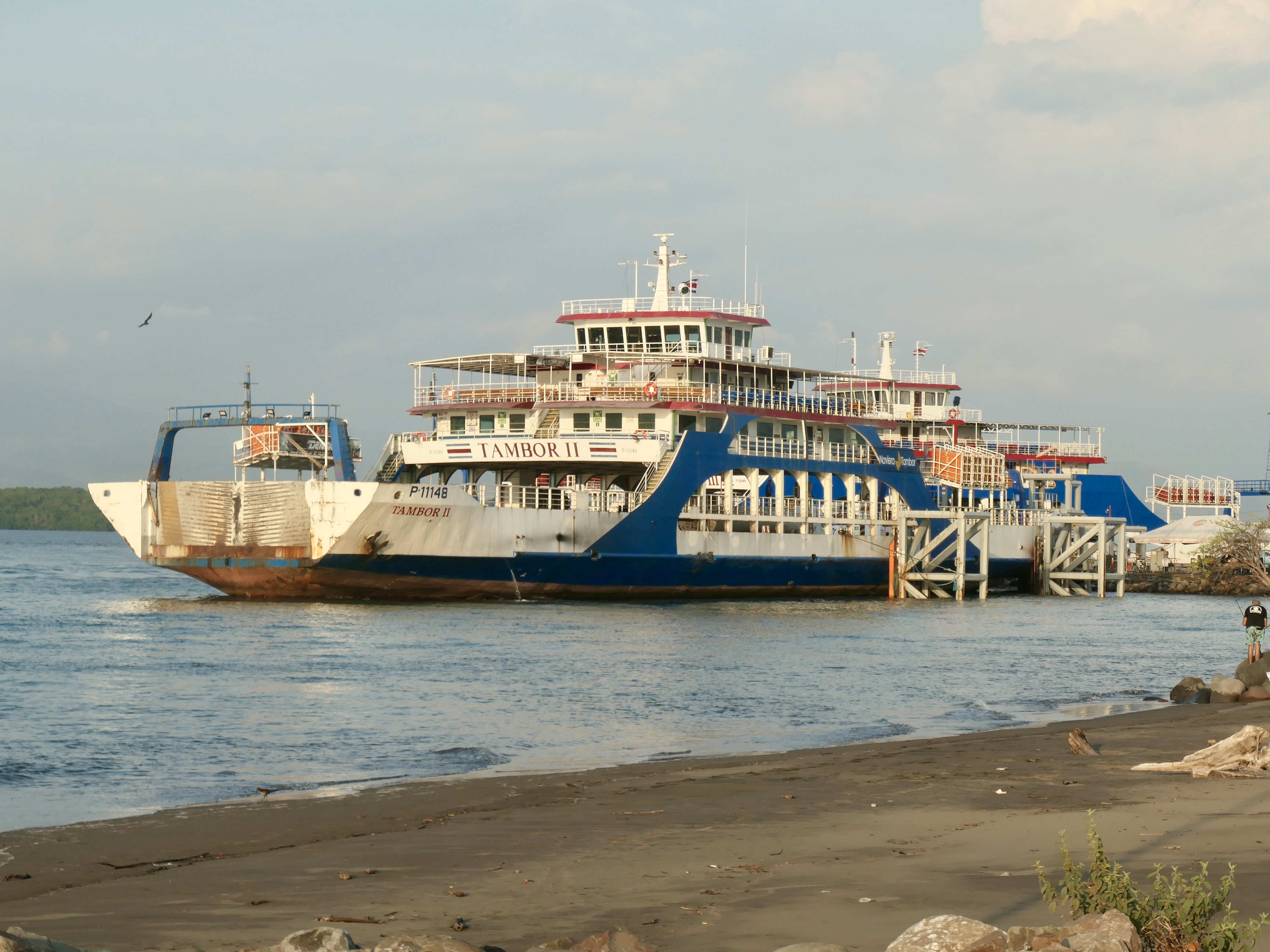
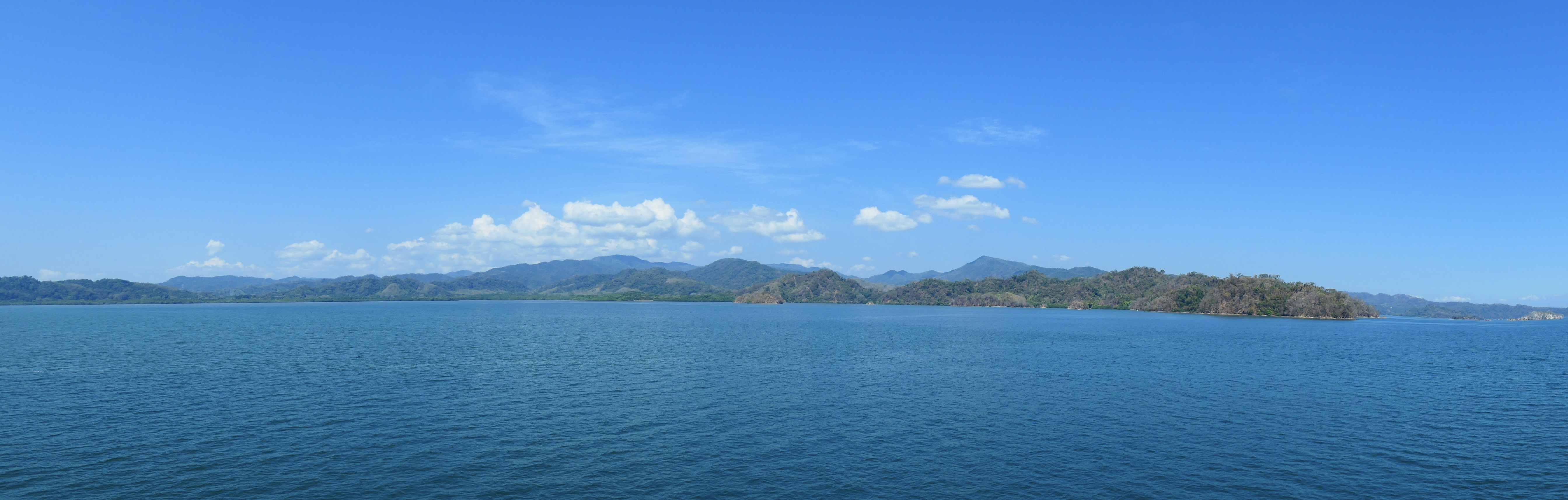
Ferry to Nicoya Peninsula: one cannot buy tickets ahead of time so the procedure was to drive to the terminal entrance around 30 minutes prior to scheduled departure at which time an agent hands S a slip of paper, which M then has to take across the street to actually buy the tickets, then M gives the ticket back to S who is then directed to drive onto the ferry while M has to walk on (as do all passengers). Interestingly, passengers do accompany the drivers into the basement of the ferry on disembarkation. The ferry is well-outfitted with indoor and outdoor lounges as well as food/beverage service. The scheduled departure time is somewhat loosely adhered to and crossing times can vary between 60 – 90 minutes on average. With a beautifully clear and calm day, we were on the Nicoya peninsula in just over an hour. The entire crossing cost approximately Cdn $40 (car & 2 people). Foot passengers only pay $2 so some locals make it a nice return day trip for next to nothing.



Montezuma
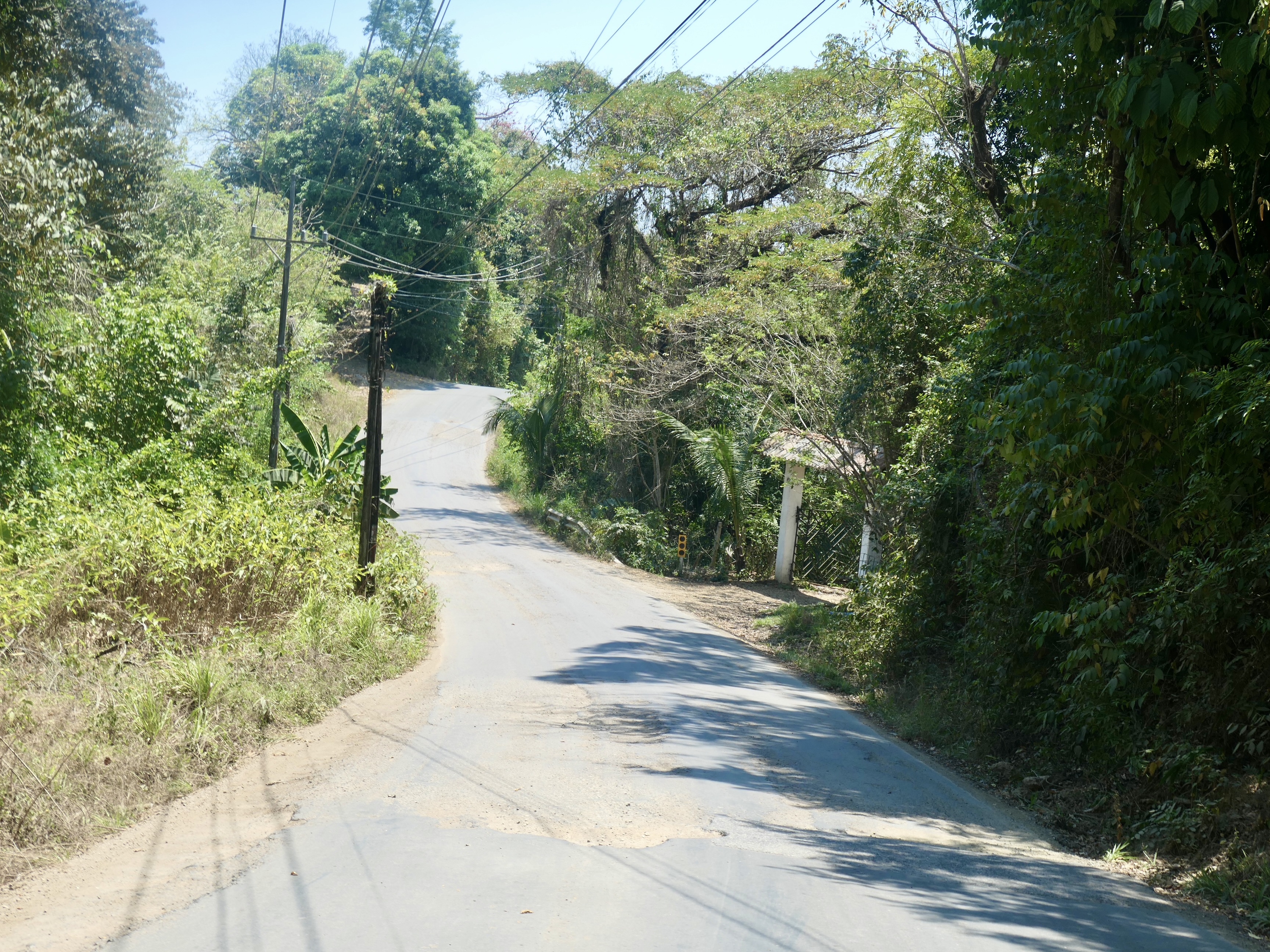
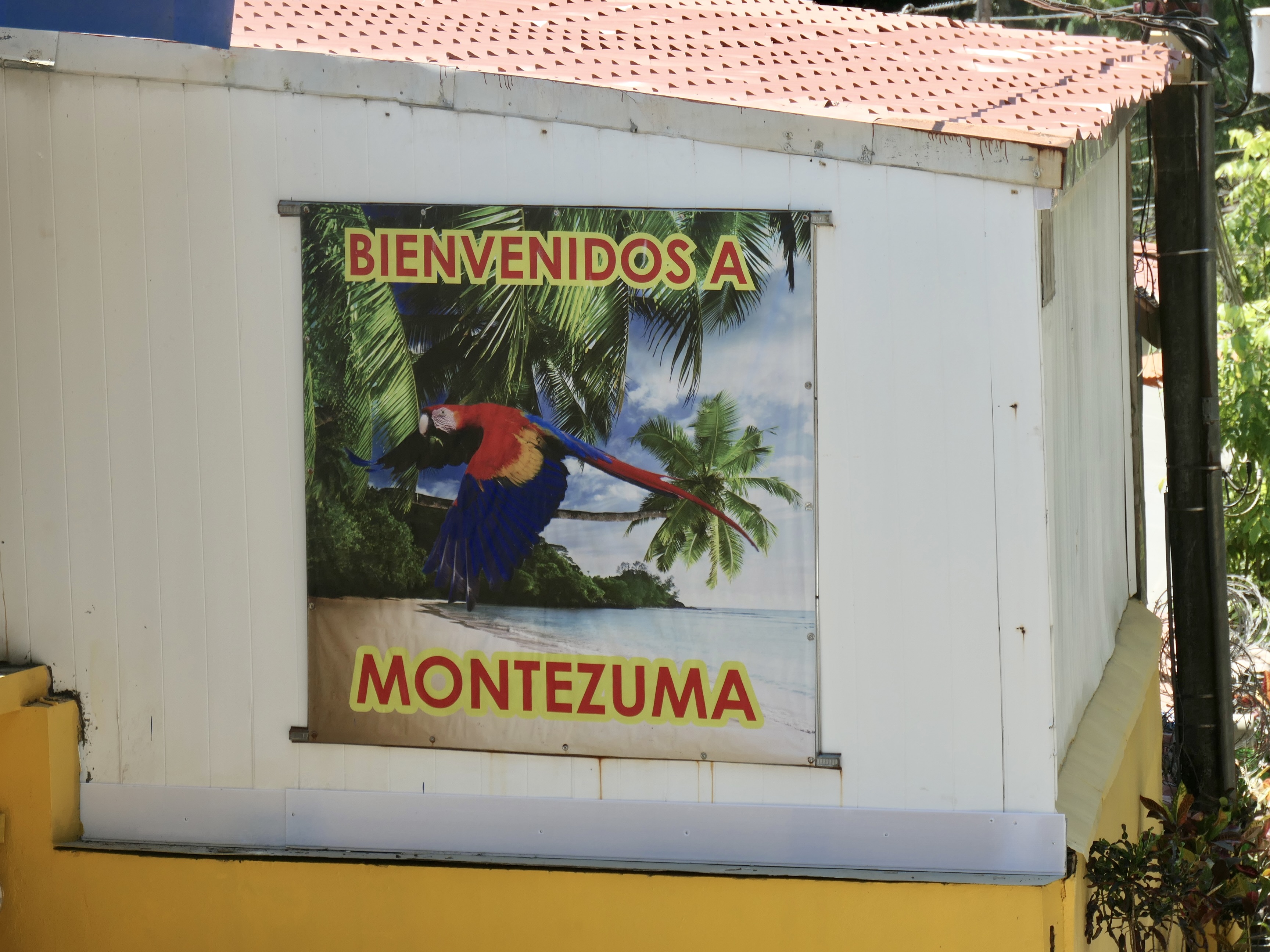
On the southern tip of the Nicoya peninsula lies this backpacker haven with the proper ‘beach bum’ vibes. The road from the ferry was well-maintained until we passed a large resort & local airport, then it became the more typical Costa Rica local road consisting of broken pavement, large potholes, sand, sharp curves and steep ups and downs.


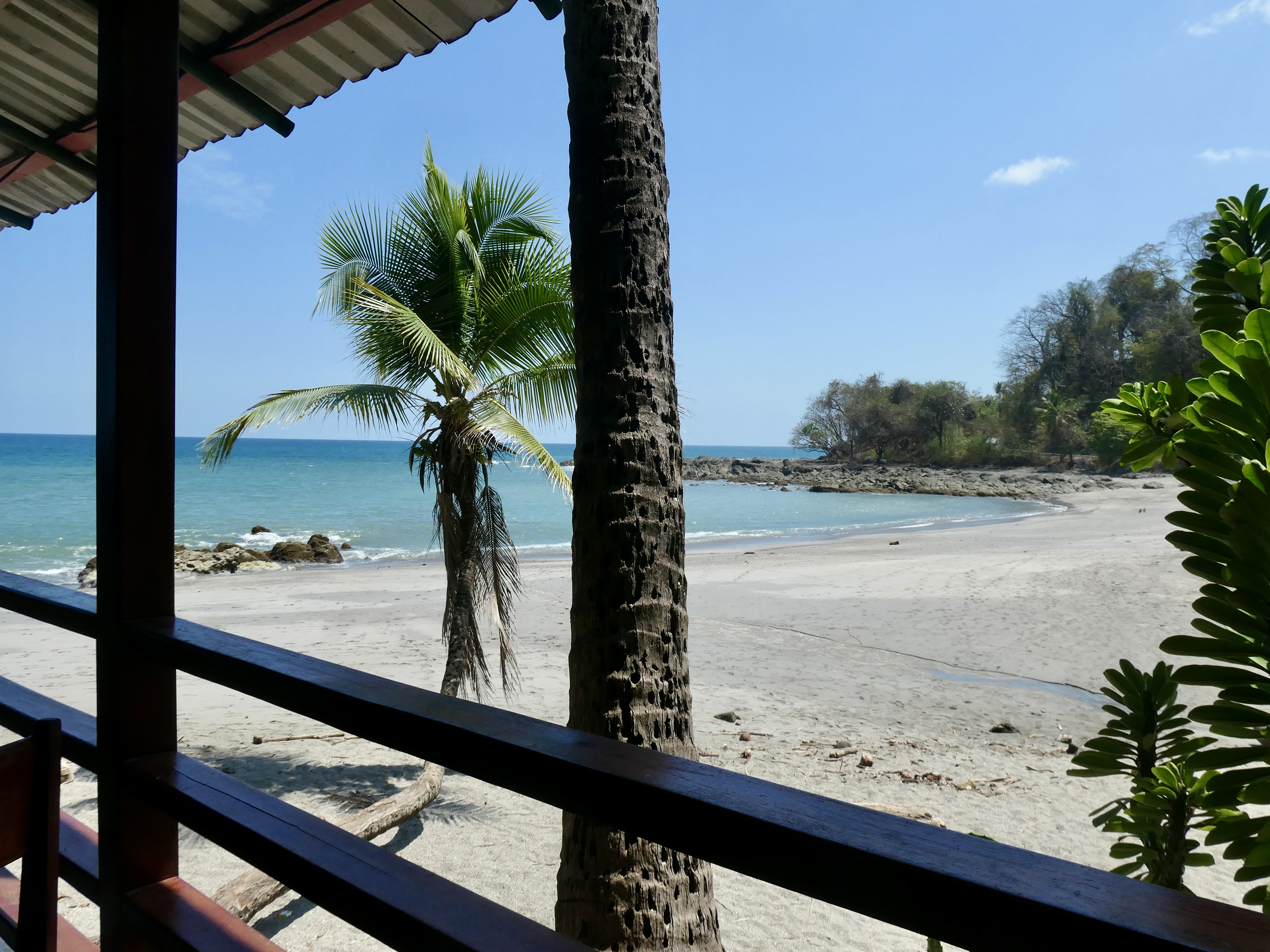
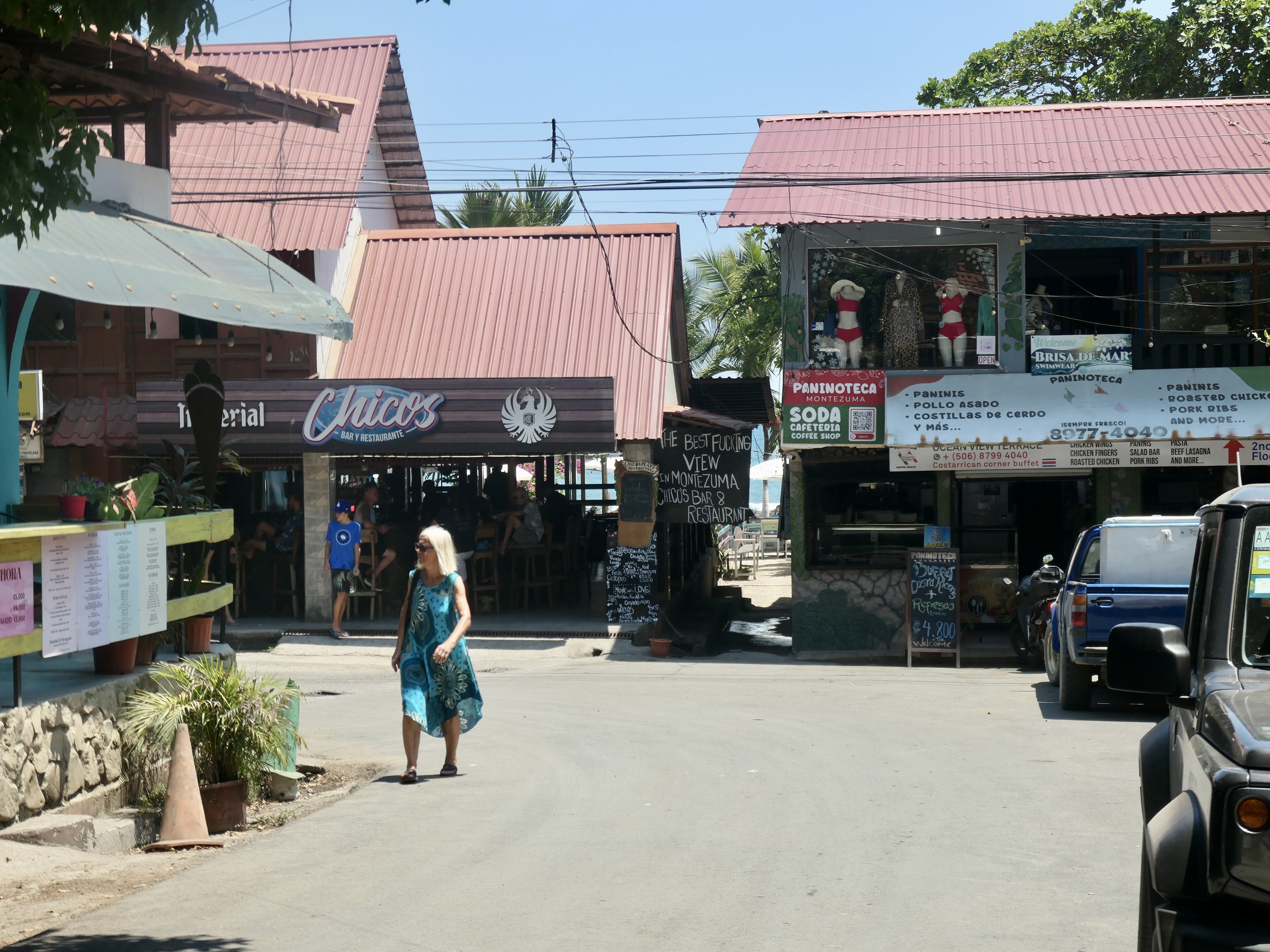

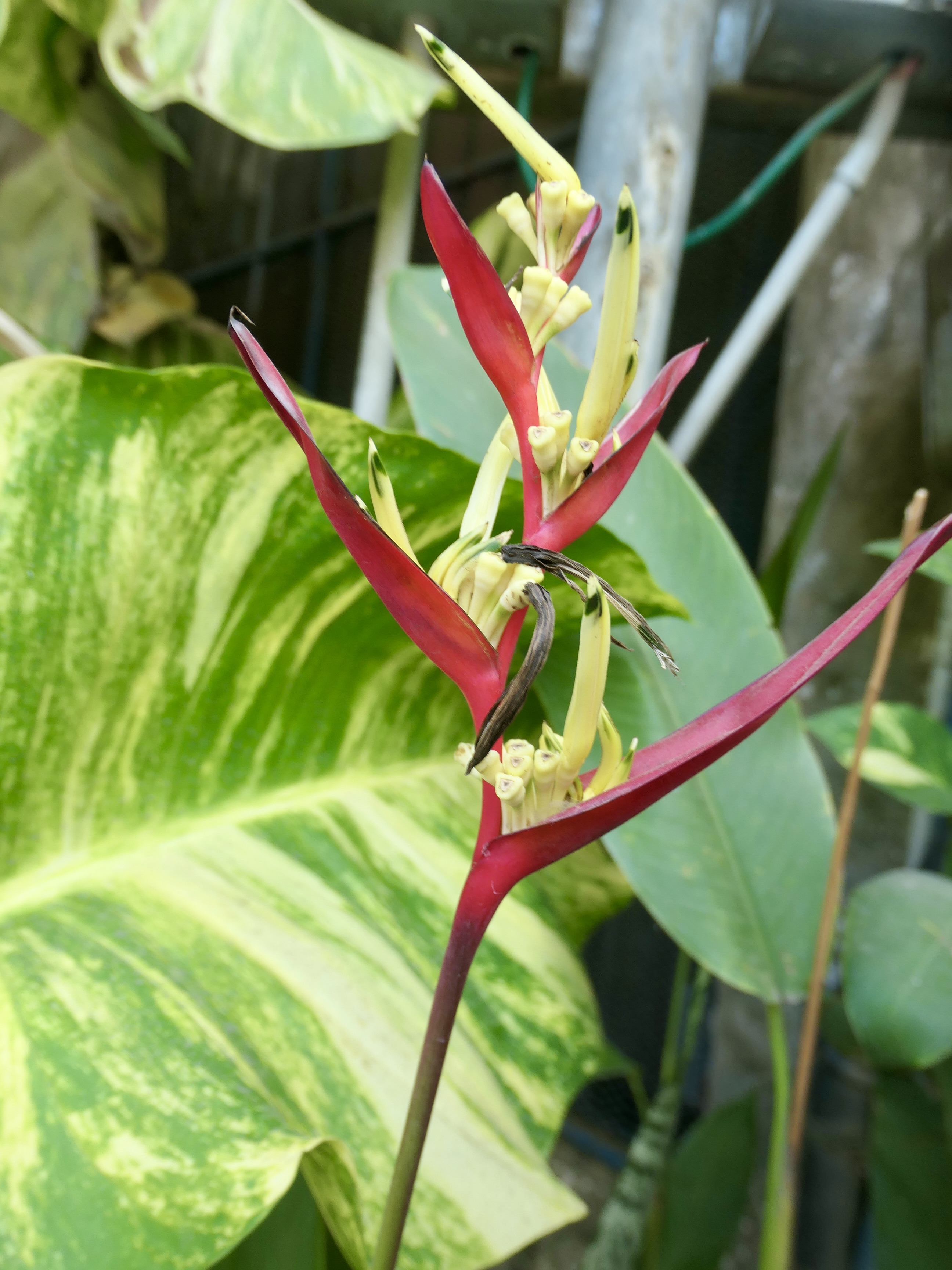
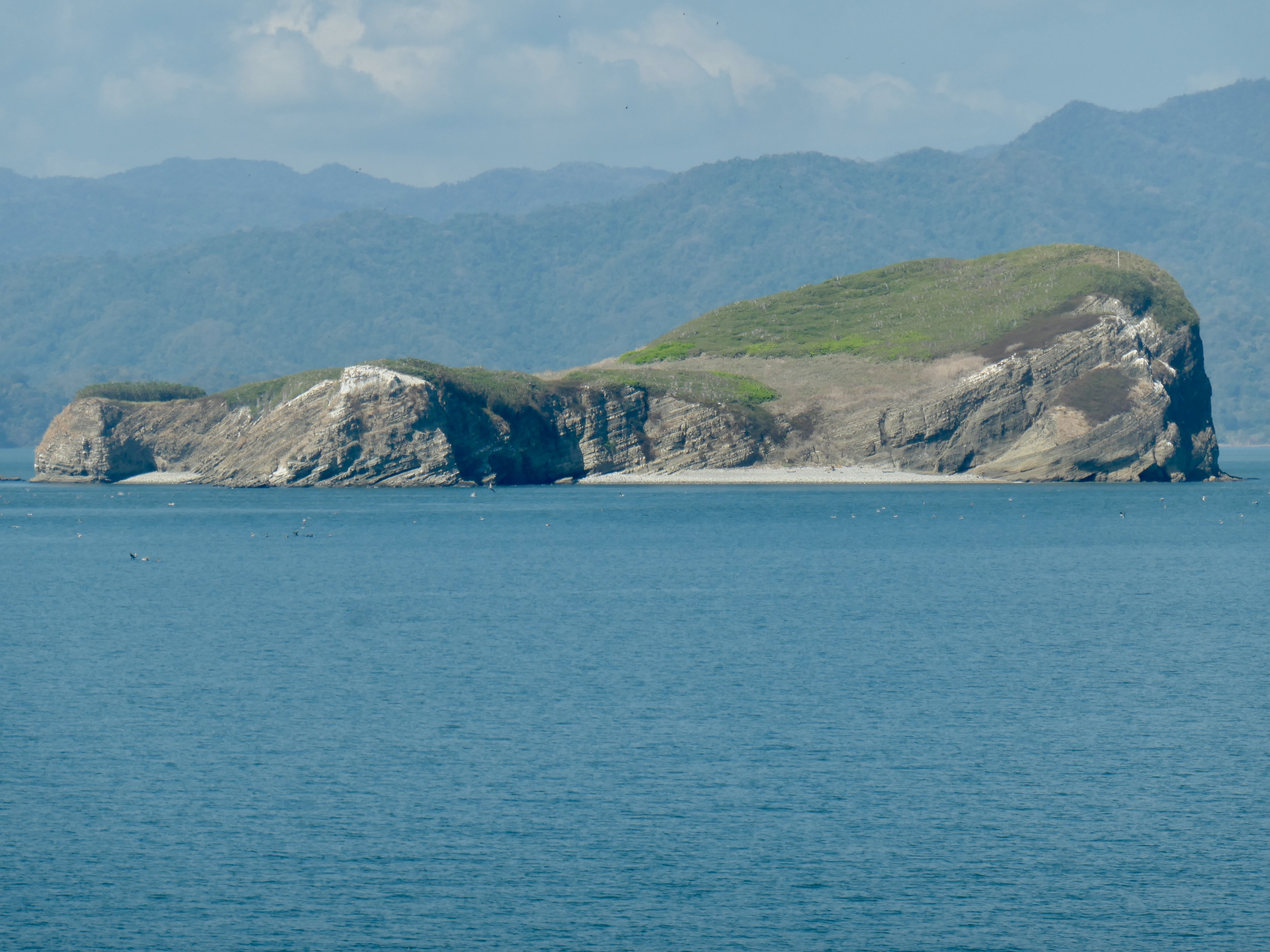
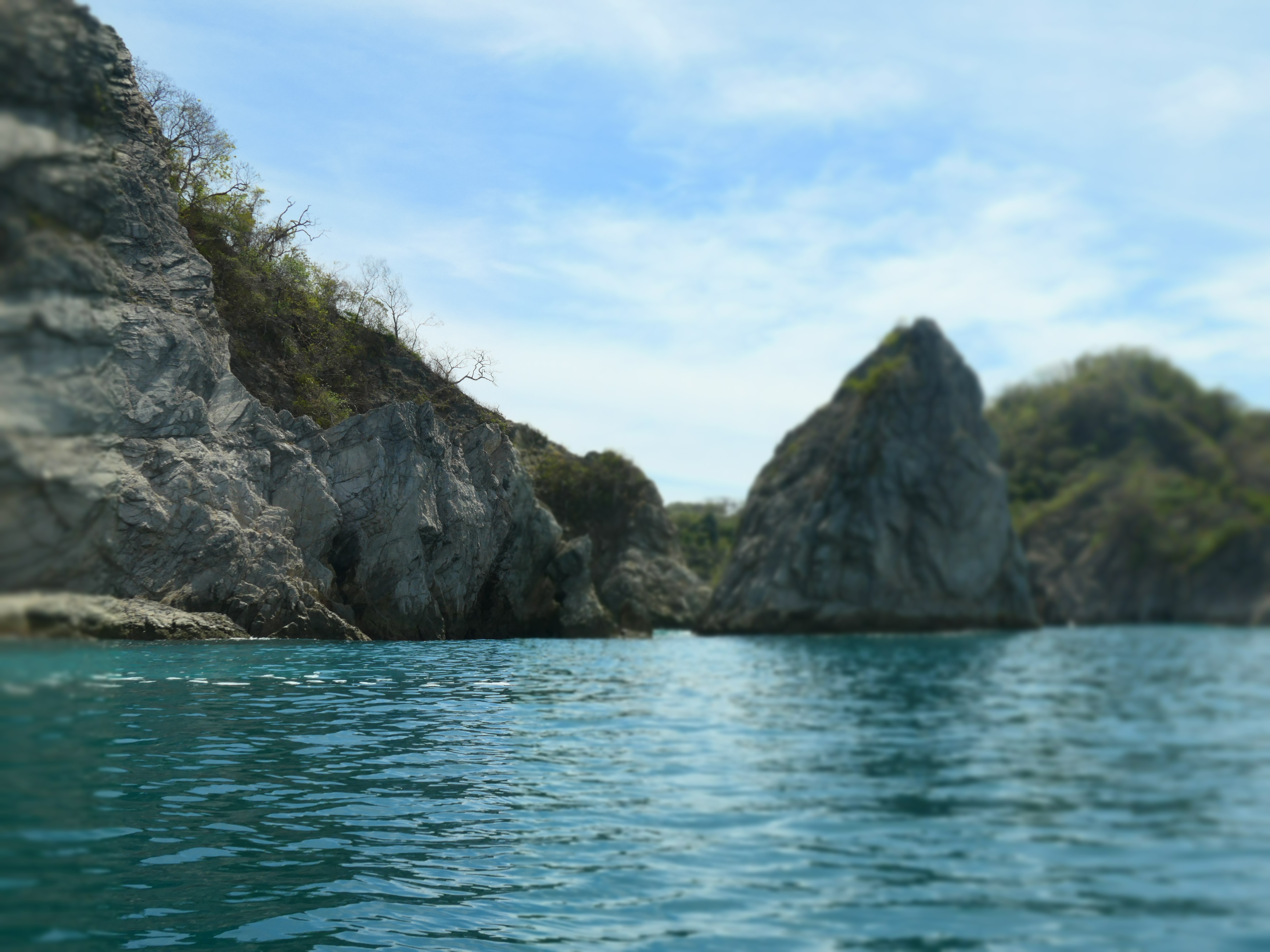
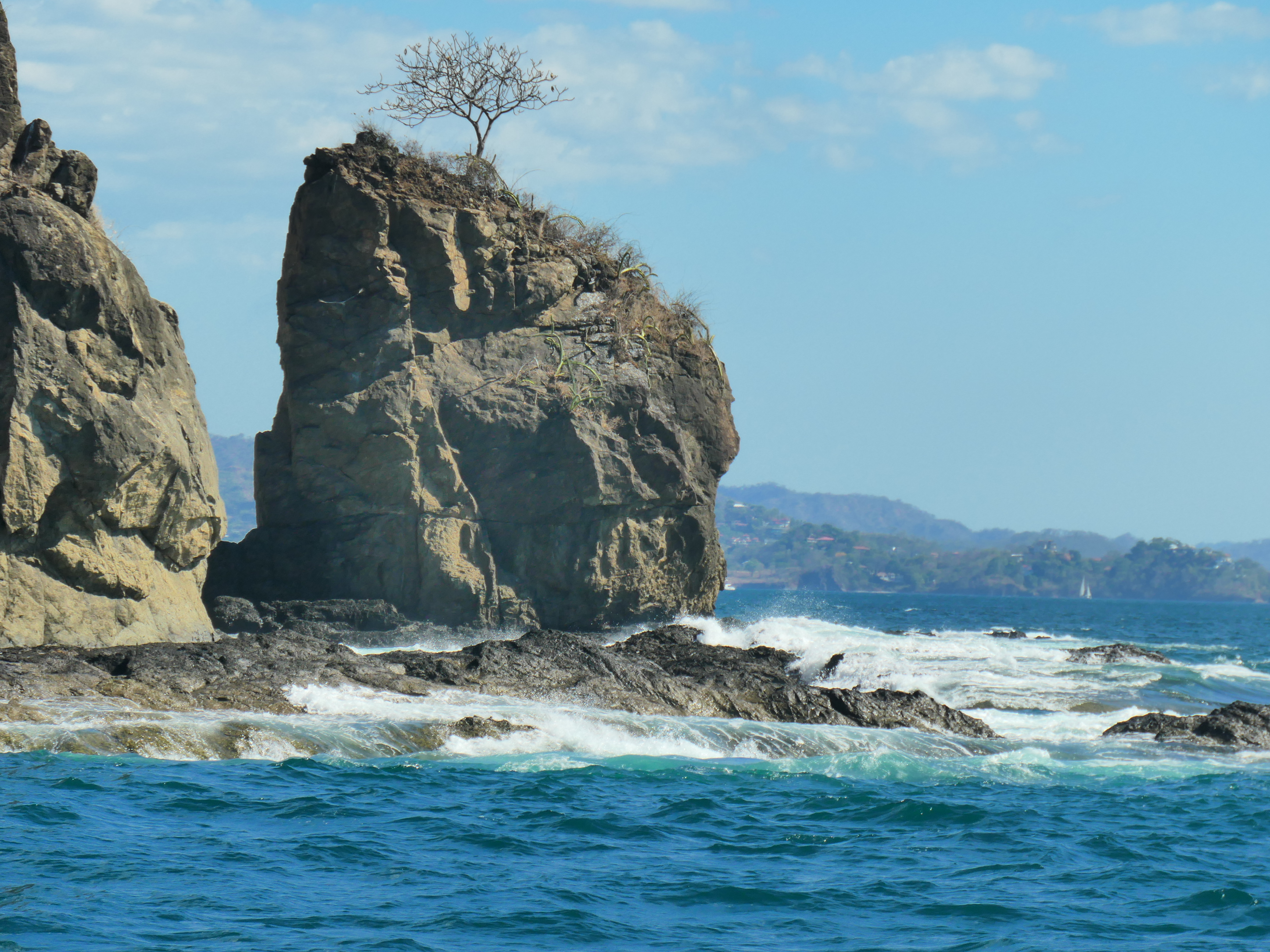
From here we took a speedboat trip to Isla Tortuga where we first snorkeled in a clear aquarium of colourful fish & coral then had lunch and downtime on a quintessential tropical island. A bonus was seeing the dolphins putting on a show on the return journey (video clip below).


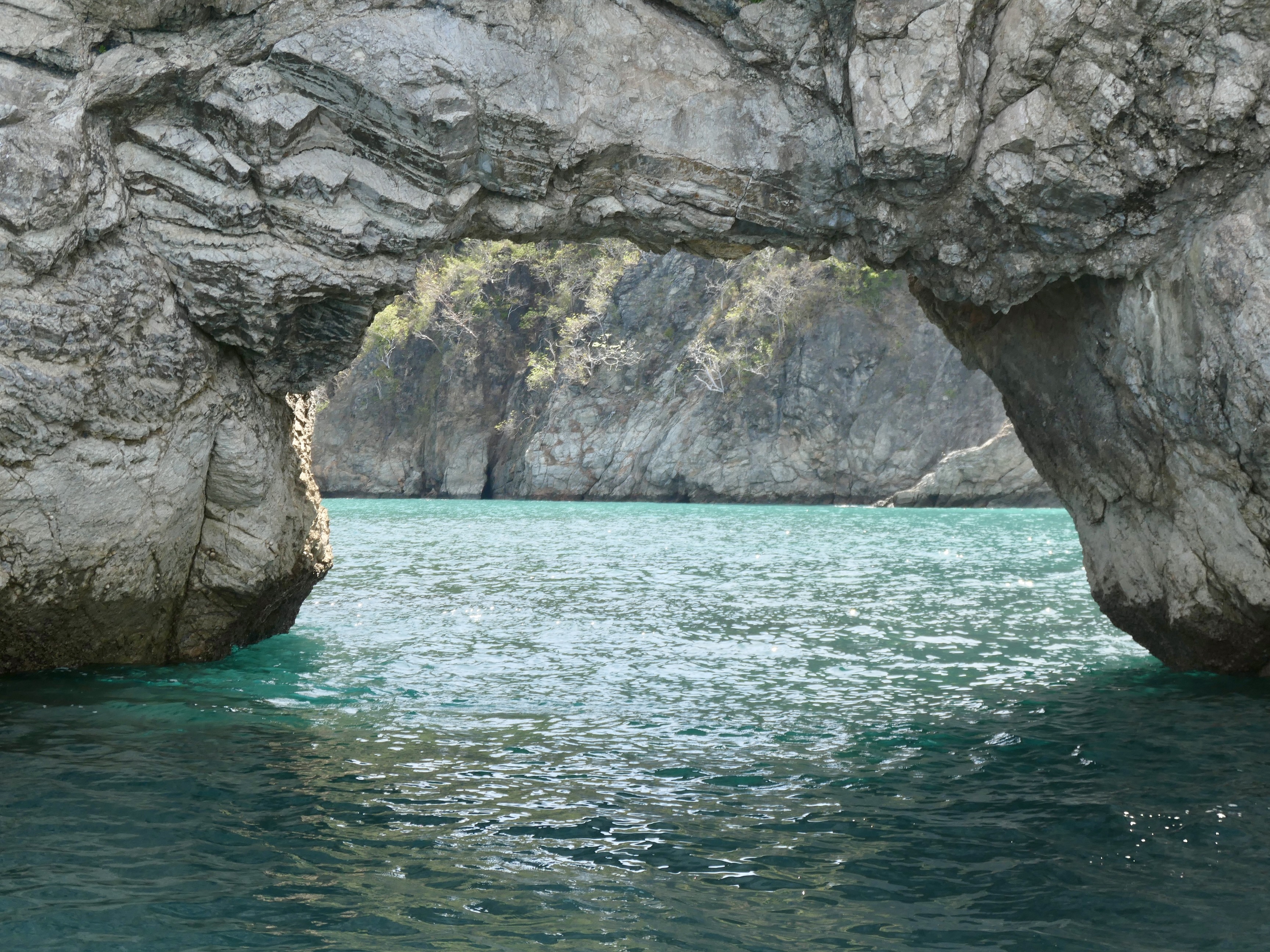

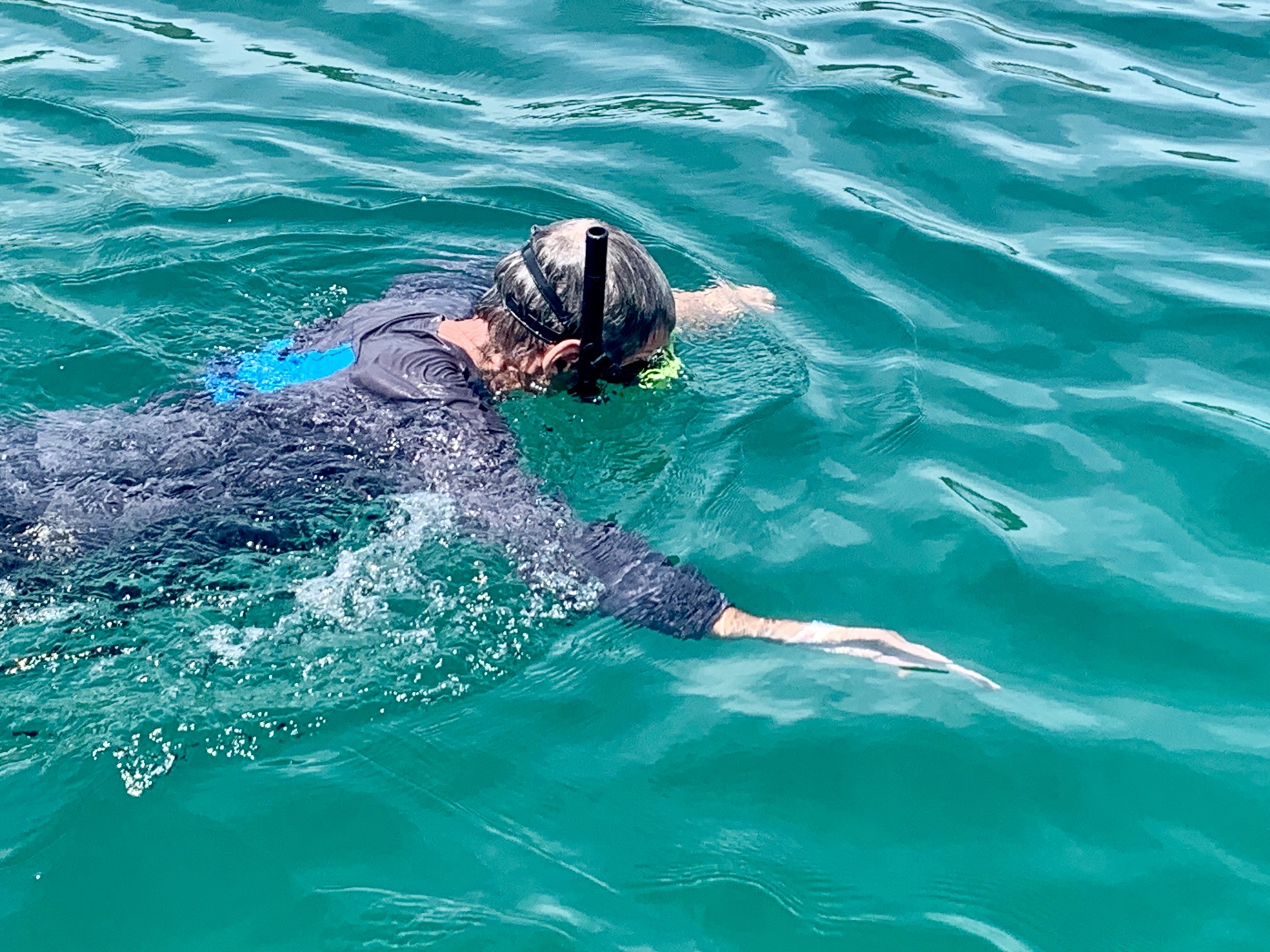

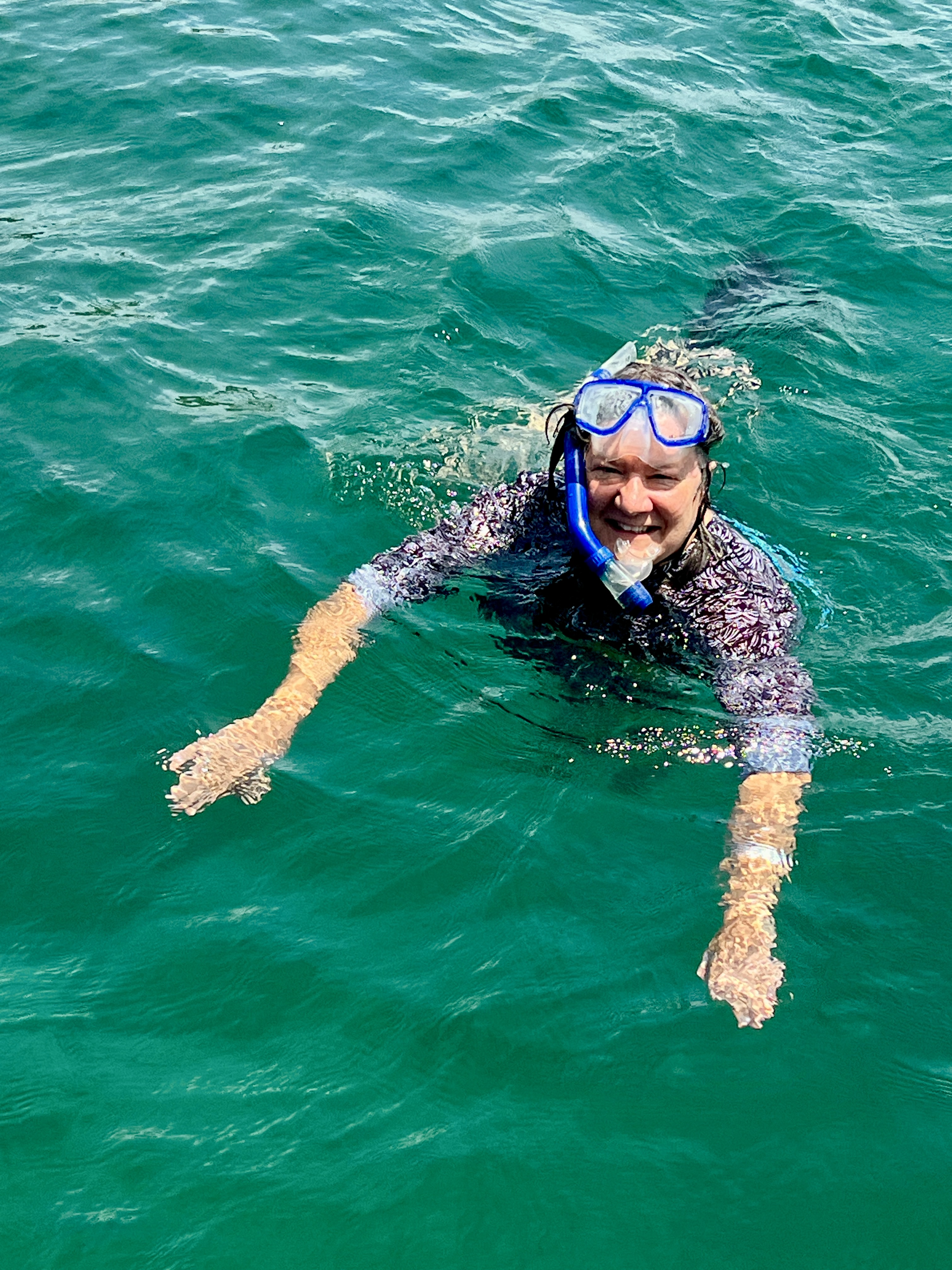

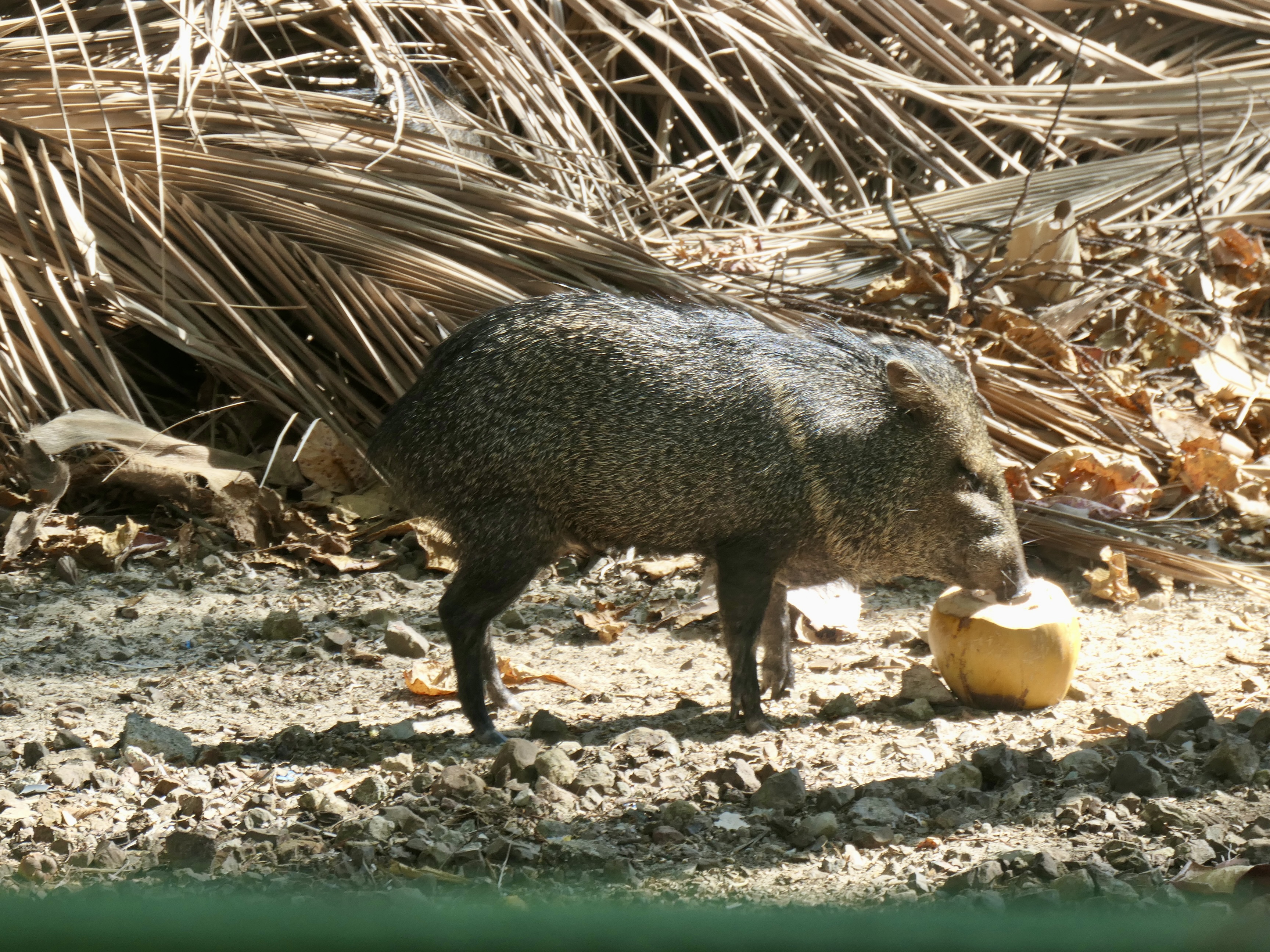
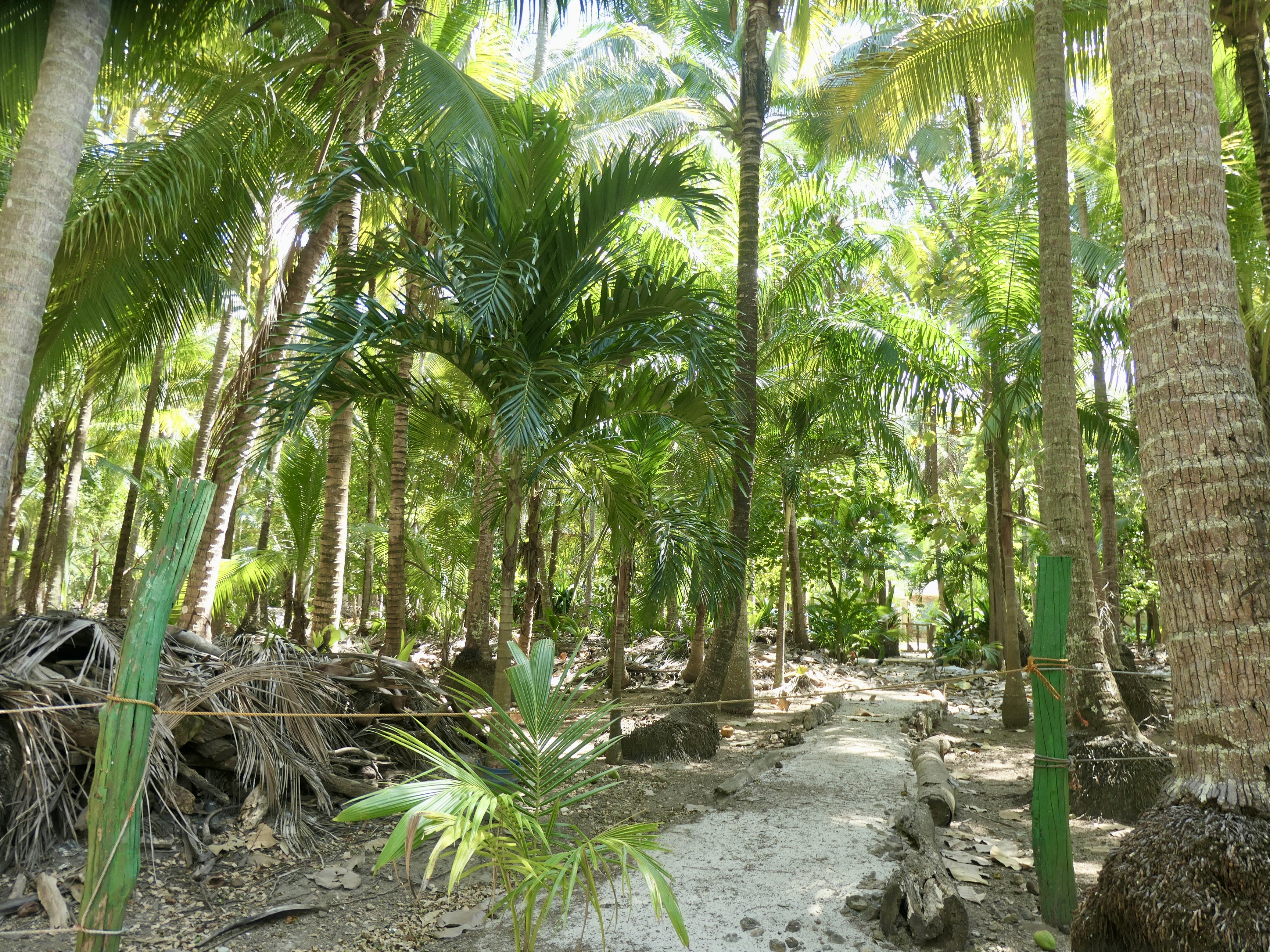

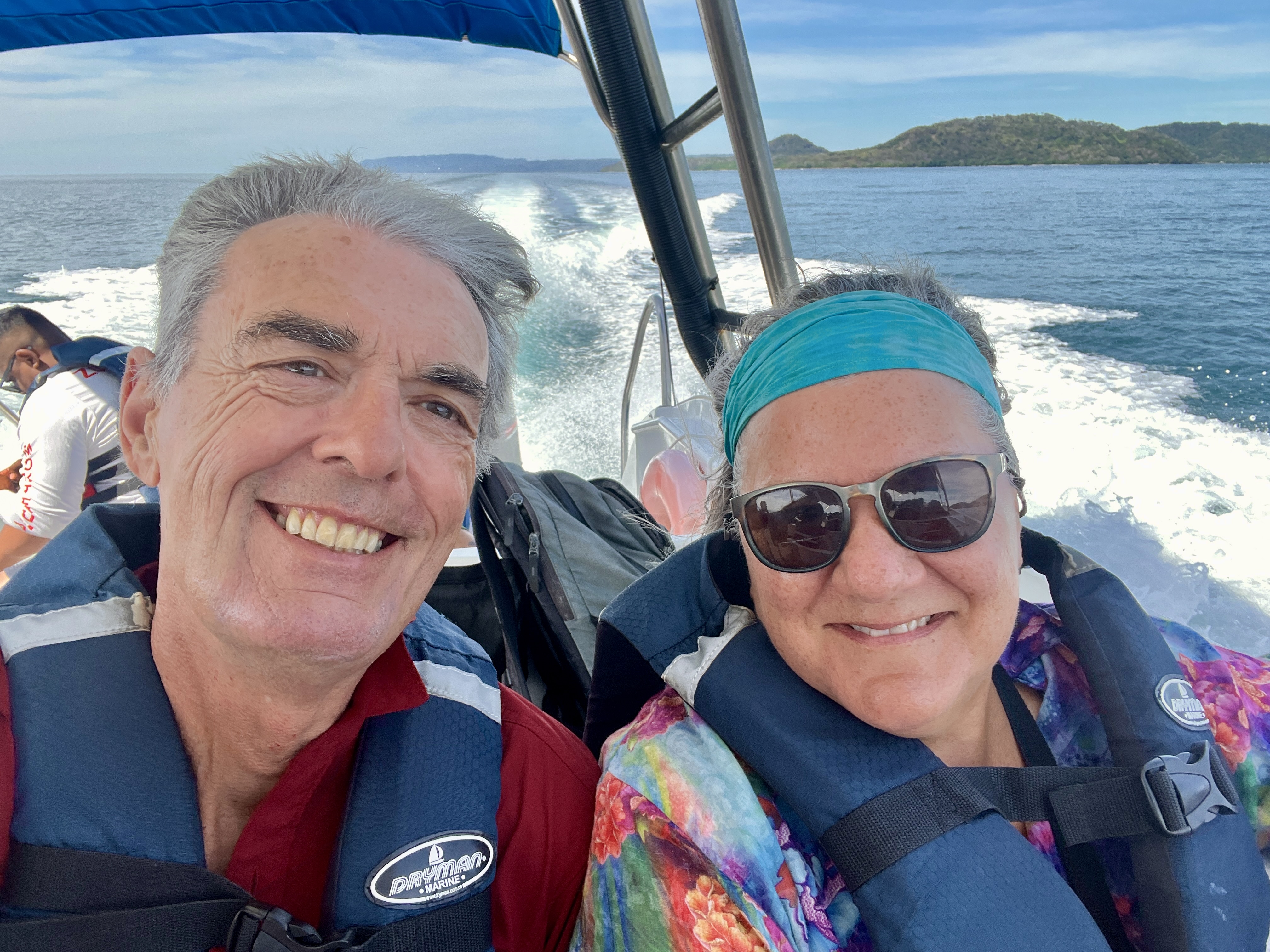
We also drove to the end of the road (at Cabuya) to experience proper cocoa at Indigena Café (recommend).


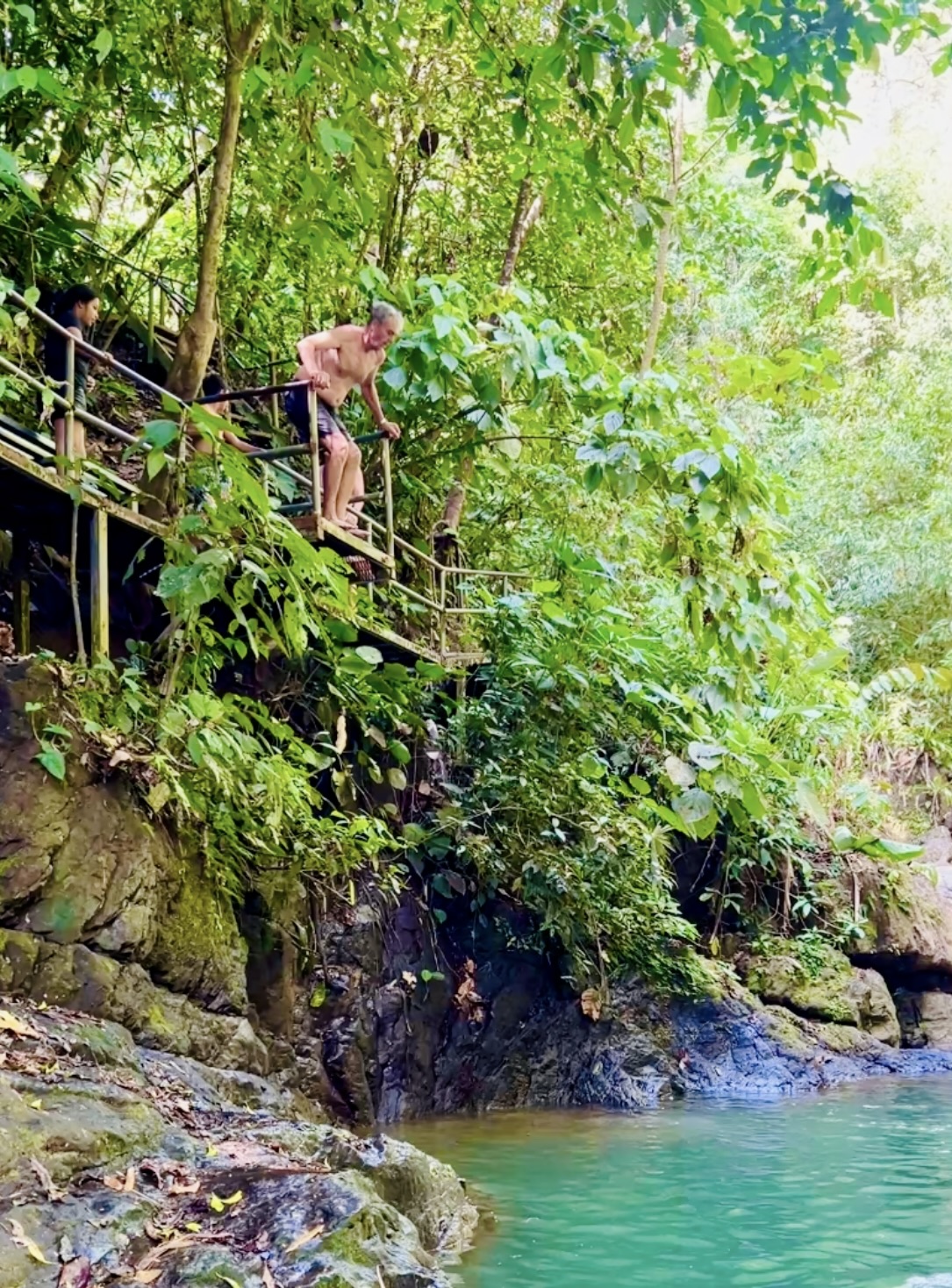
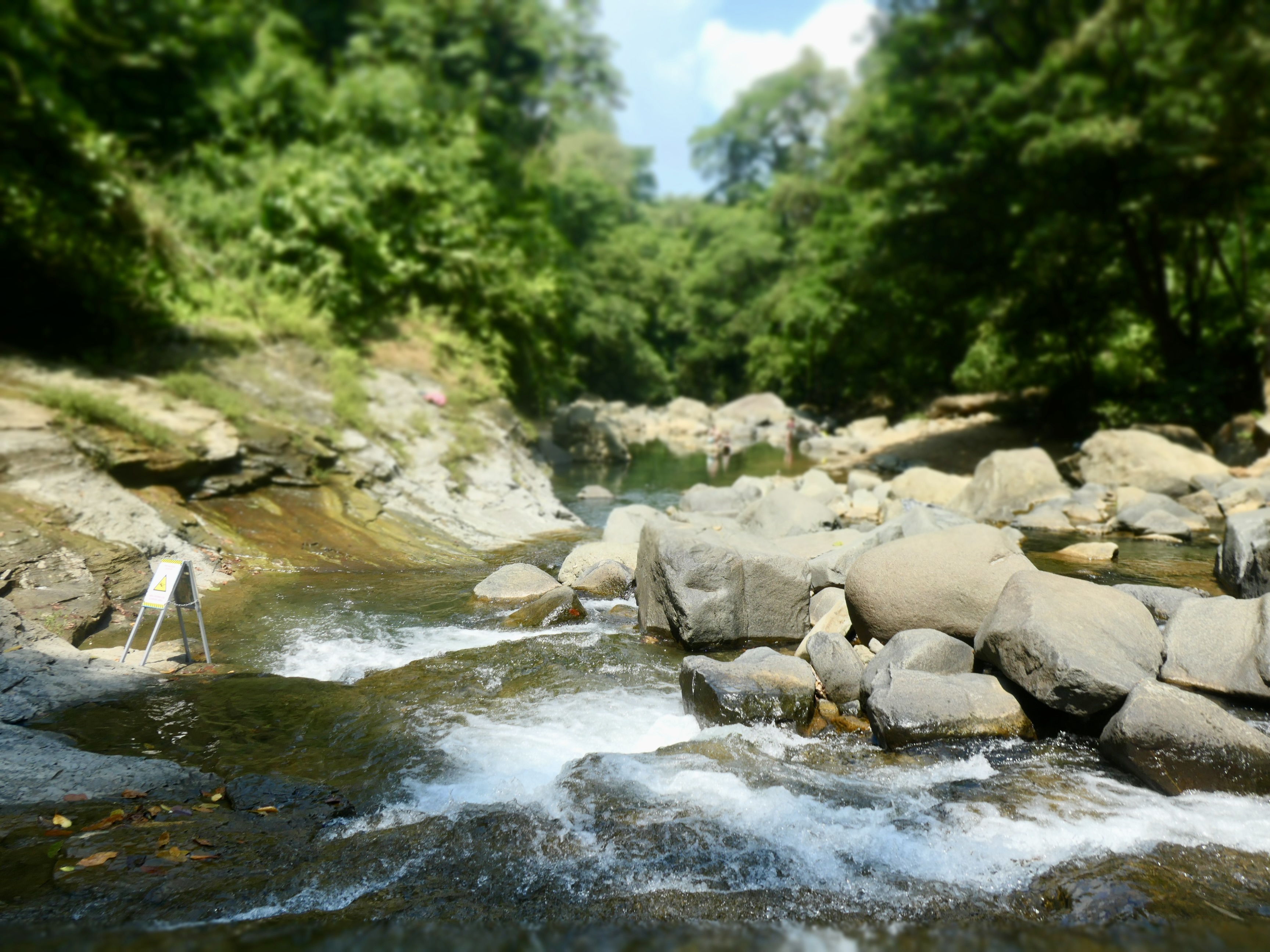
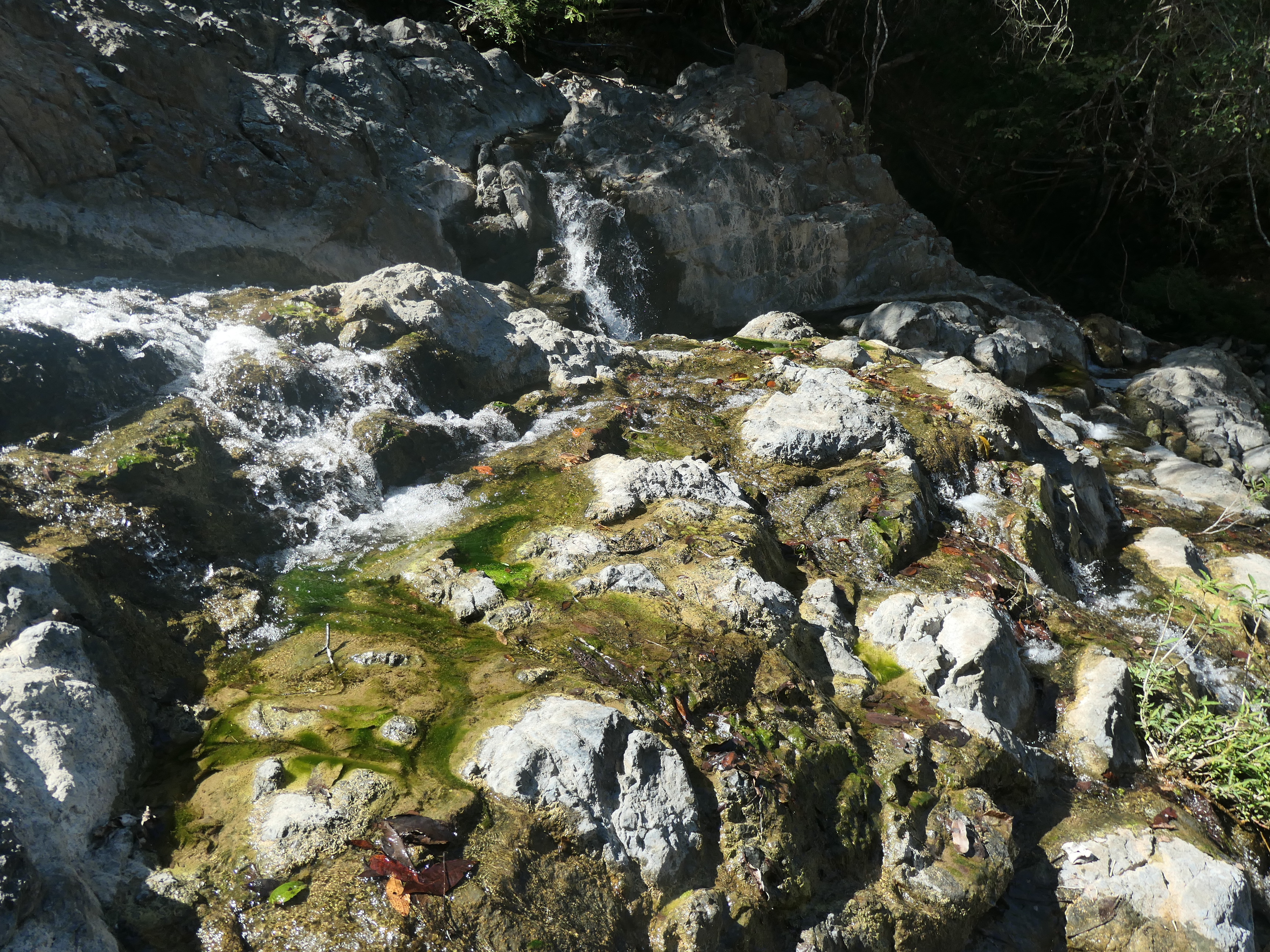
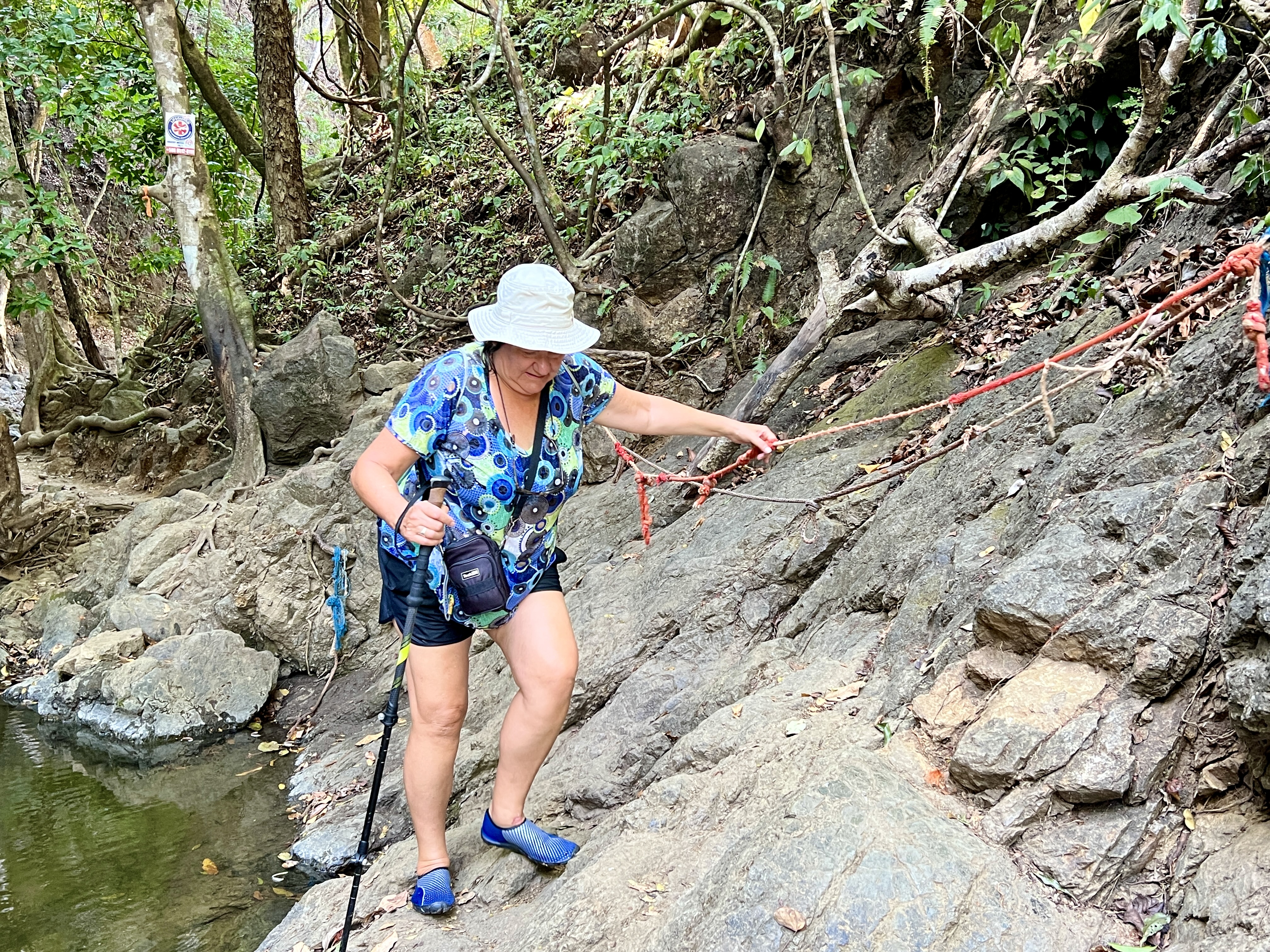
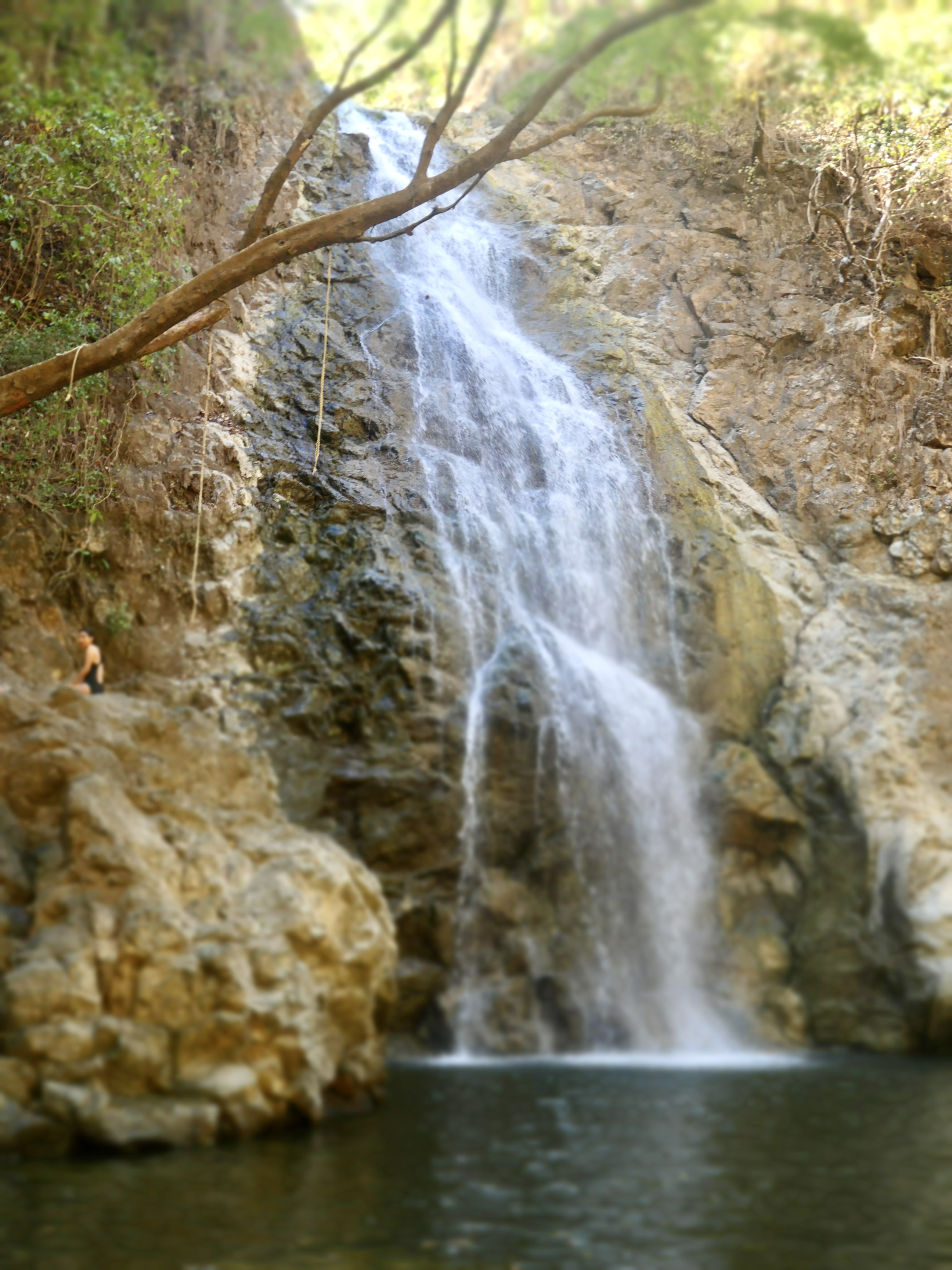
A trek to the local waterfalls involved walking up and along the edges of a river bed where we enjoyed a refreshing swim in the pool while watching daredevils jump from high rock ledges above the ‘no jumping’ signs.
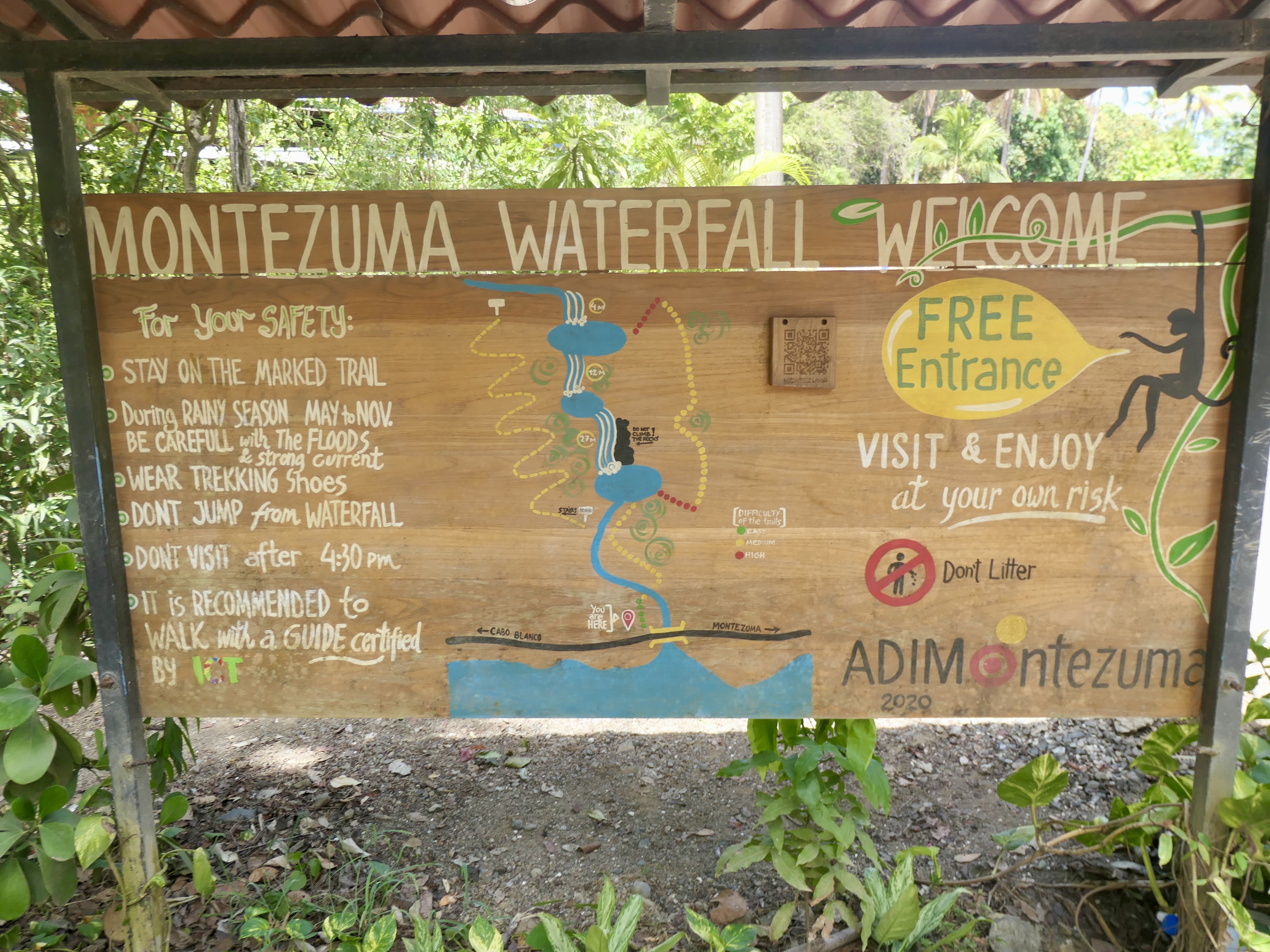
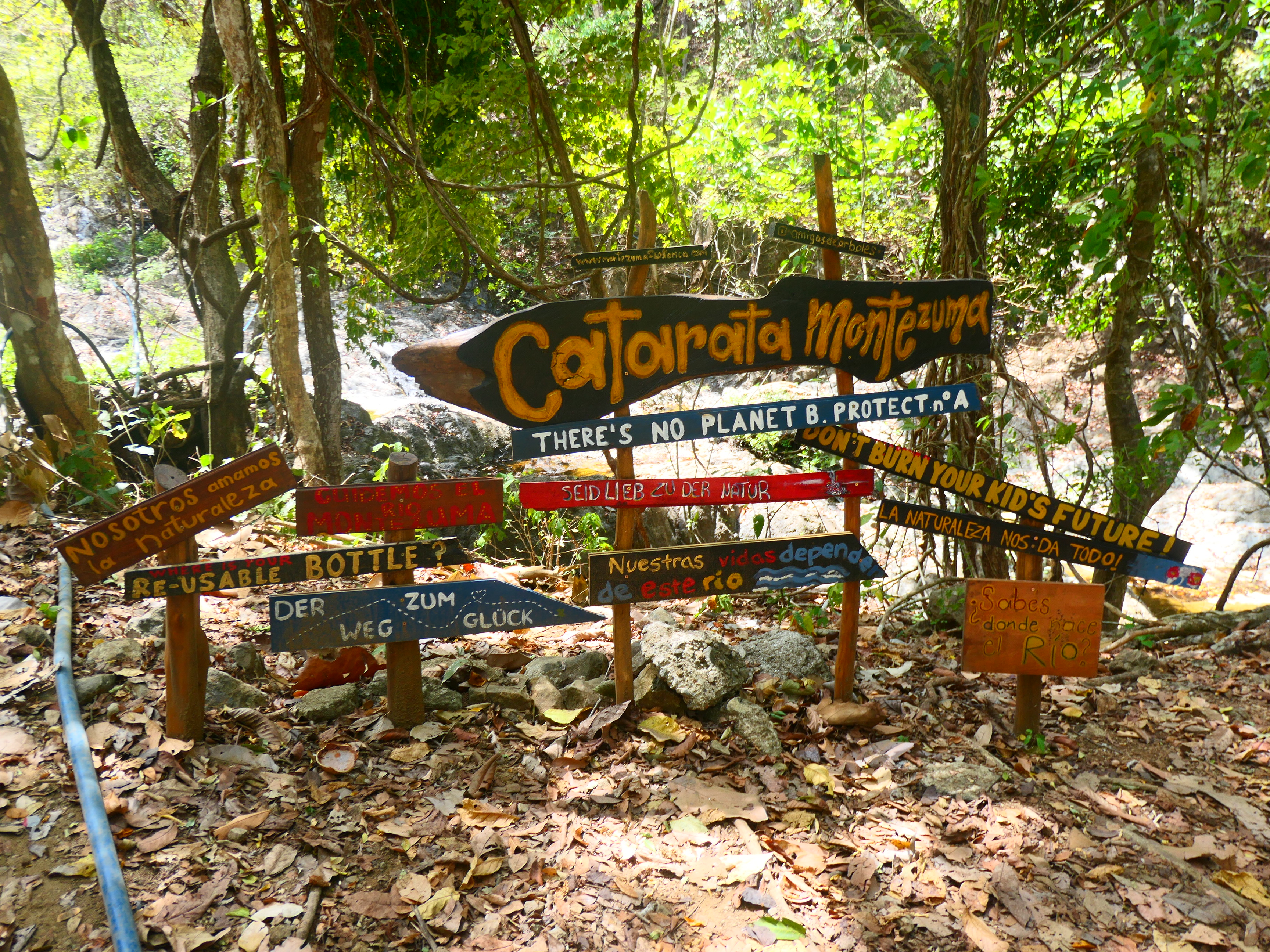



Driving north to Potrero was a long but quiet drive with the exception of a lunch stop in Tamarindo. This has become a tourist hot spot, with little parking, over-priced americanized eateries, and lots of construction. We did manage some lunch at Witch’s Rock and a short walk along the beaches of Playa Langosta (south end of Tamarindo).



Potrero

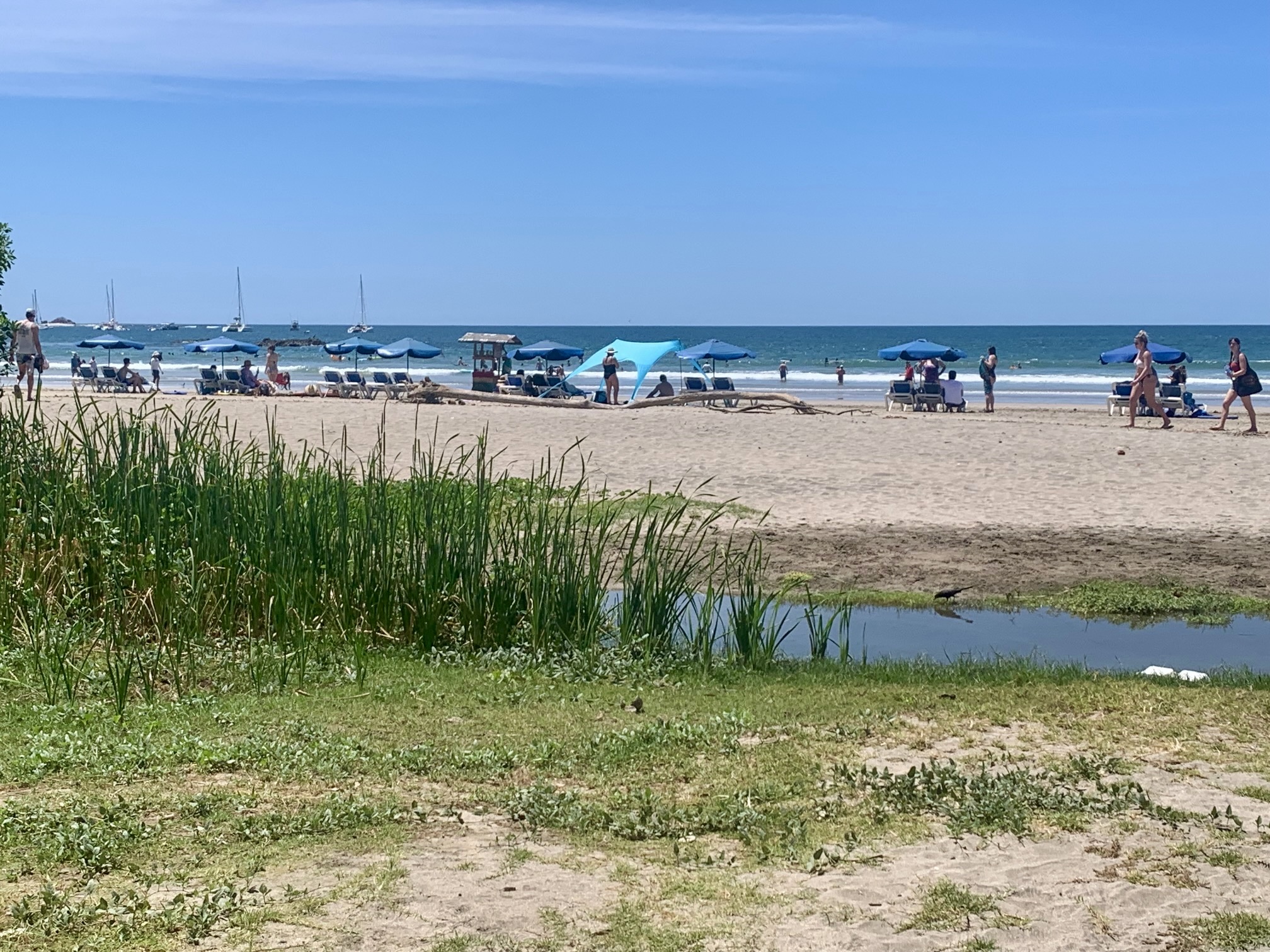
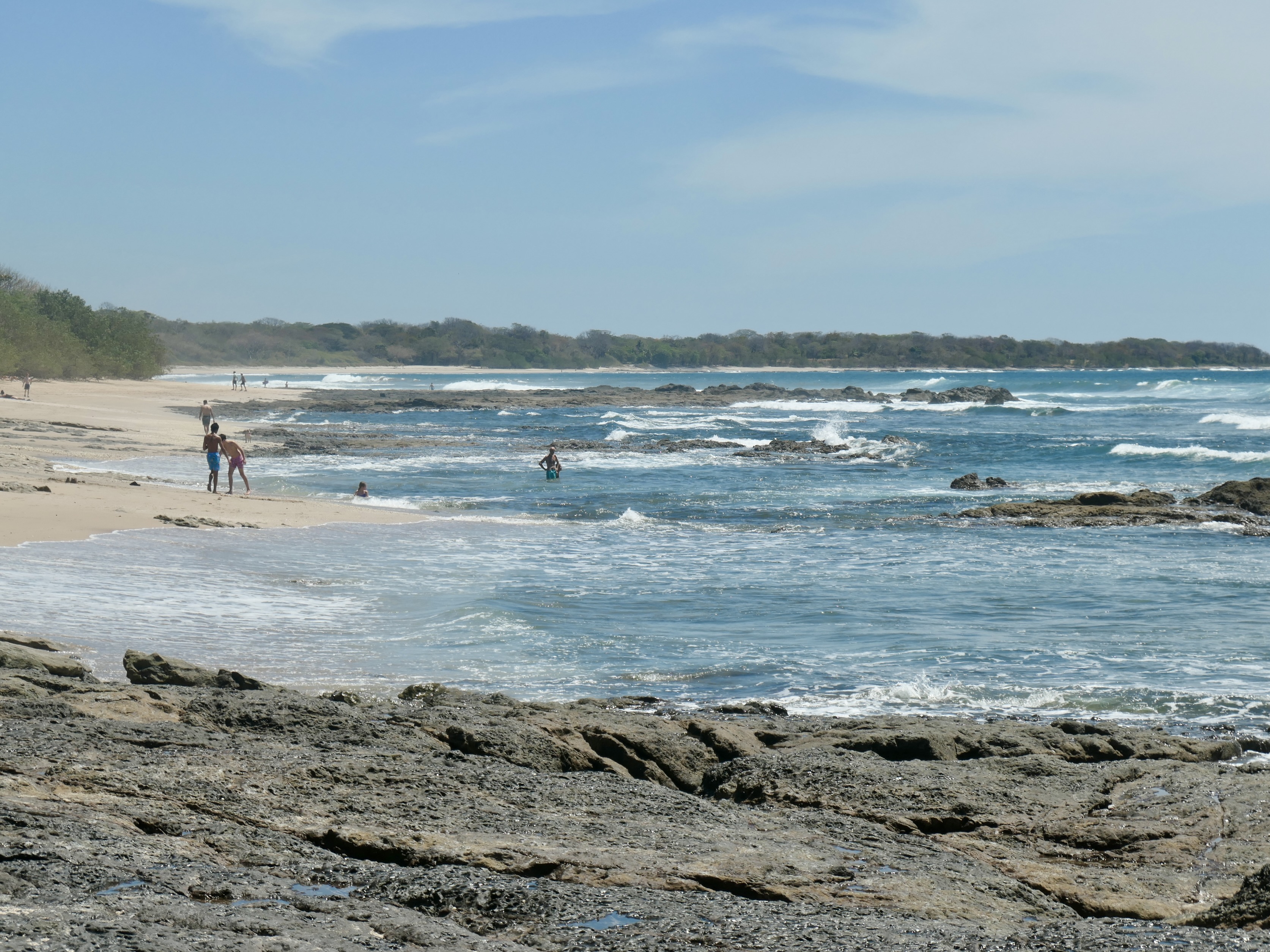
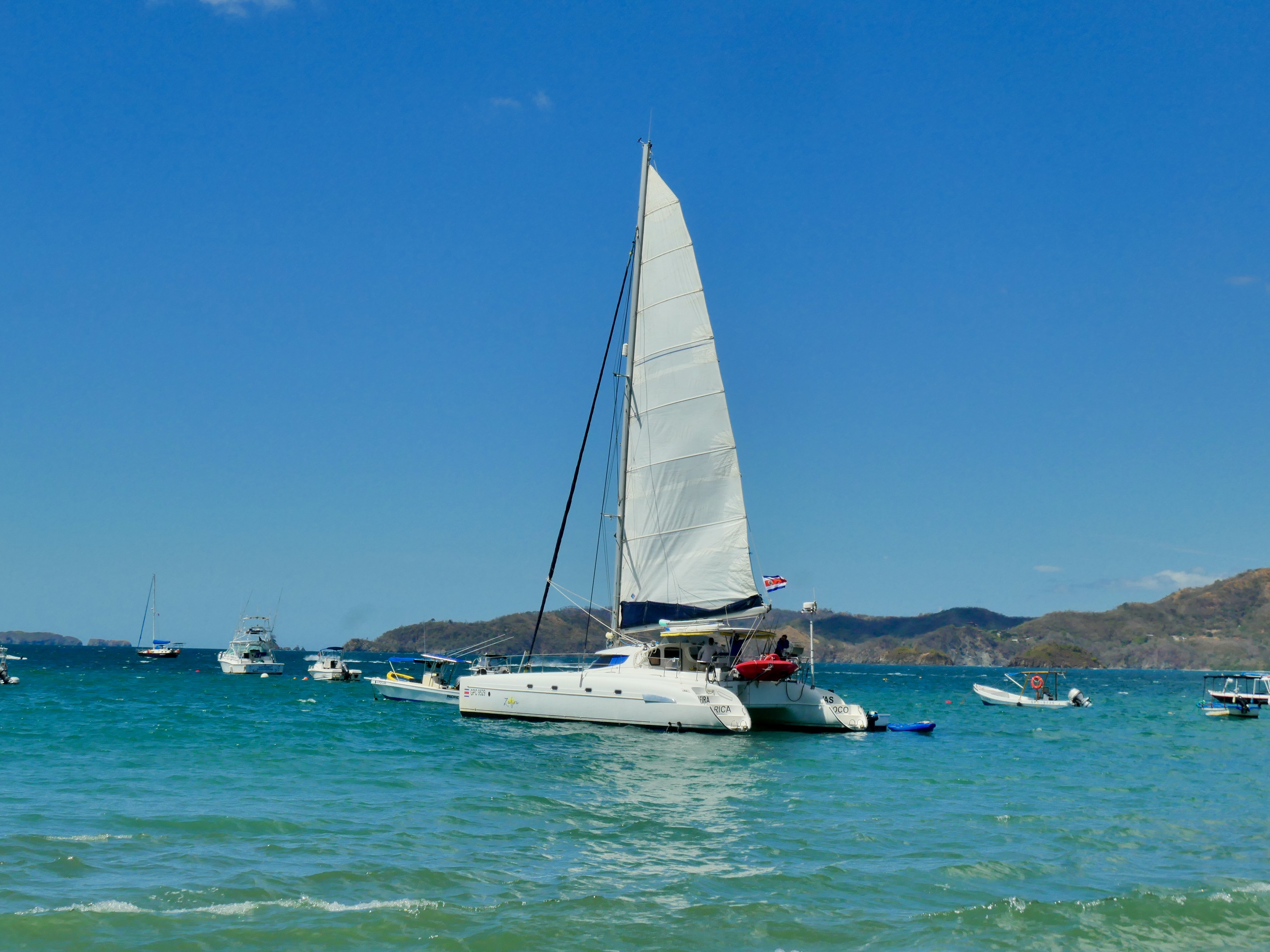
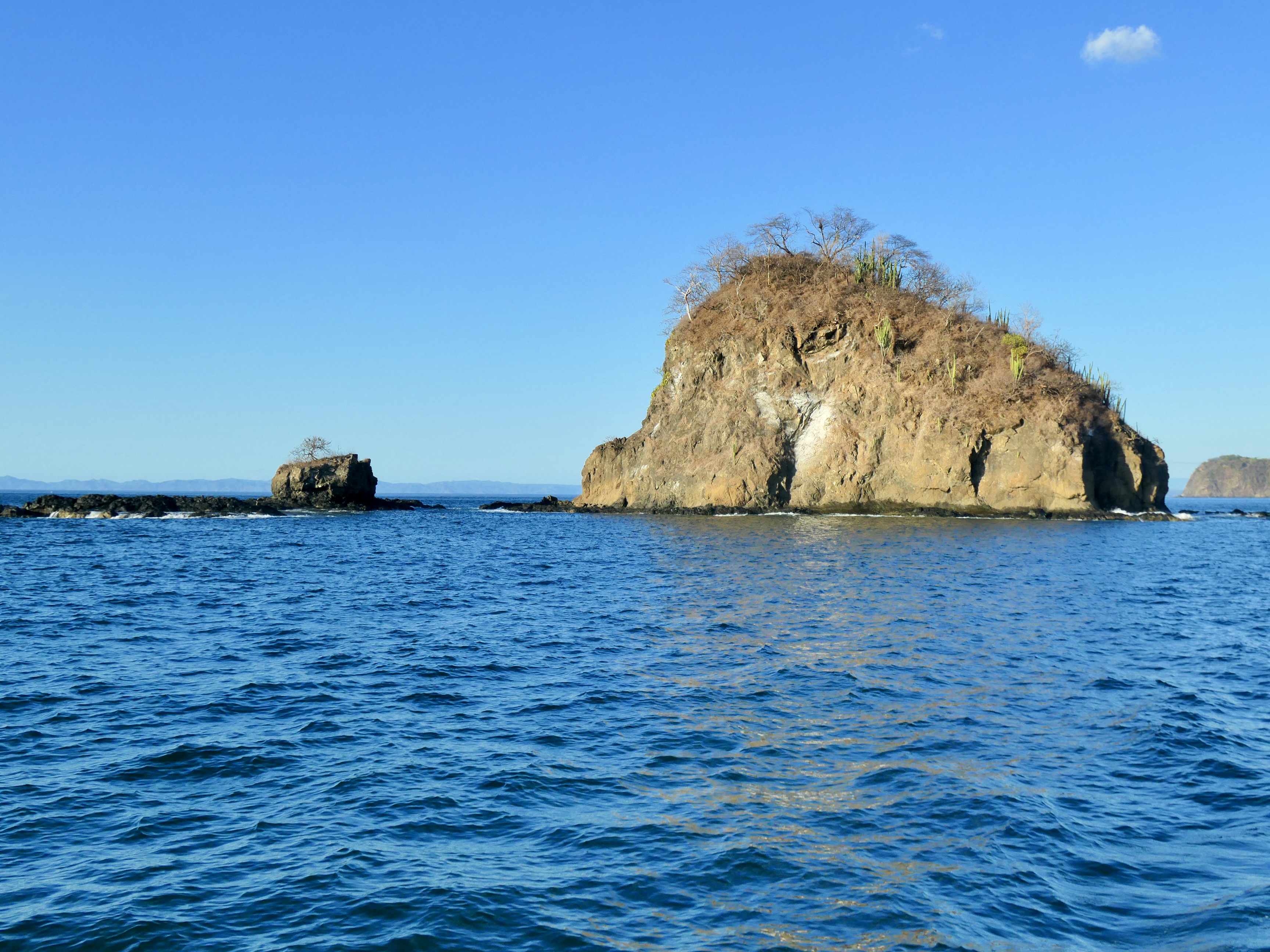
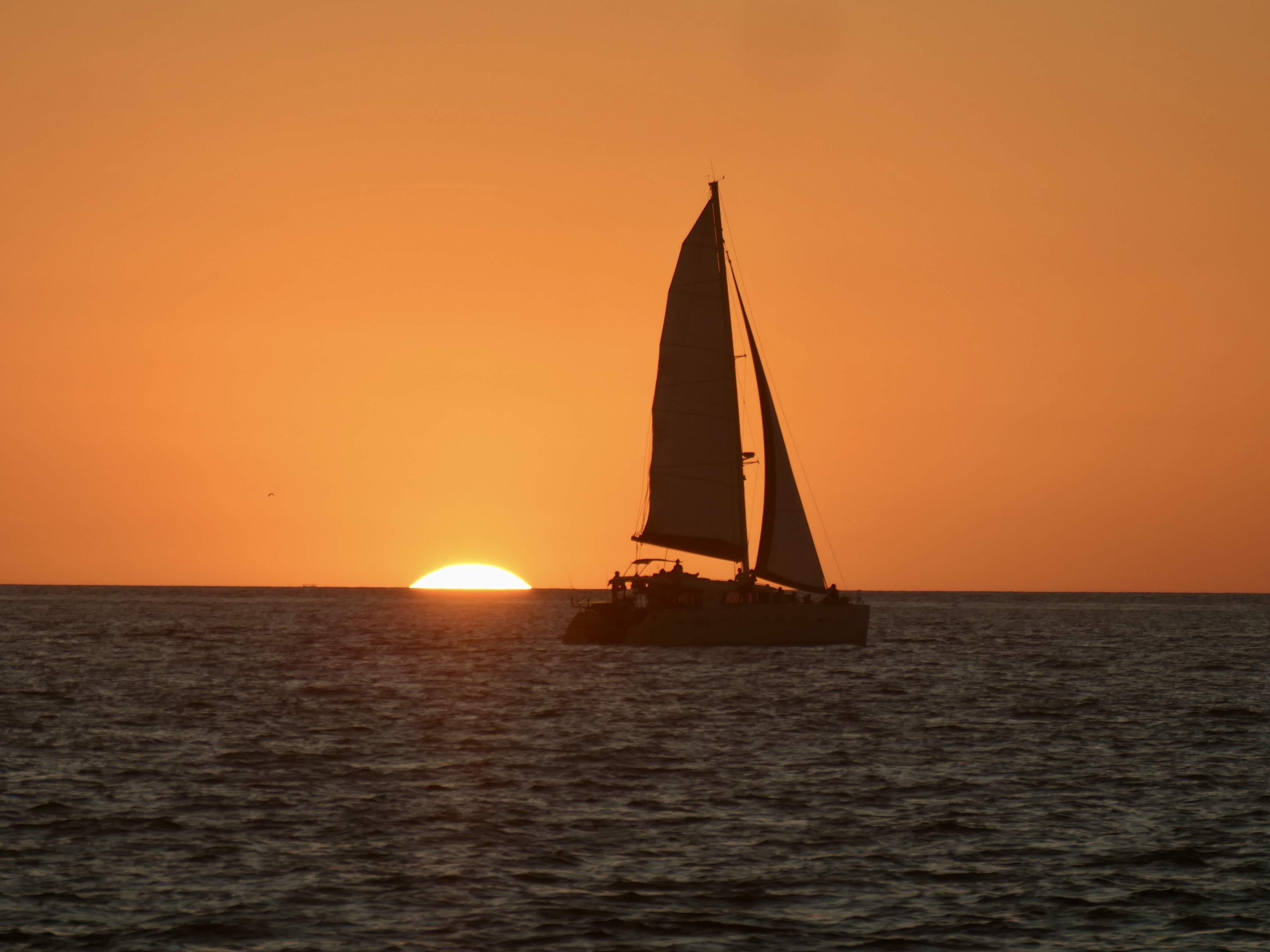
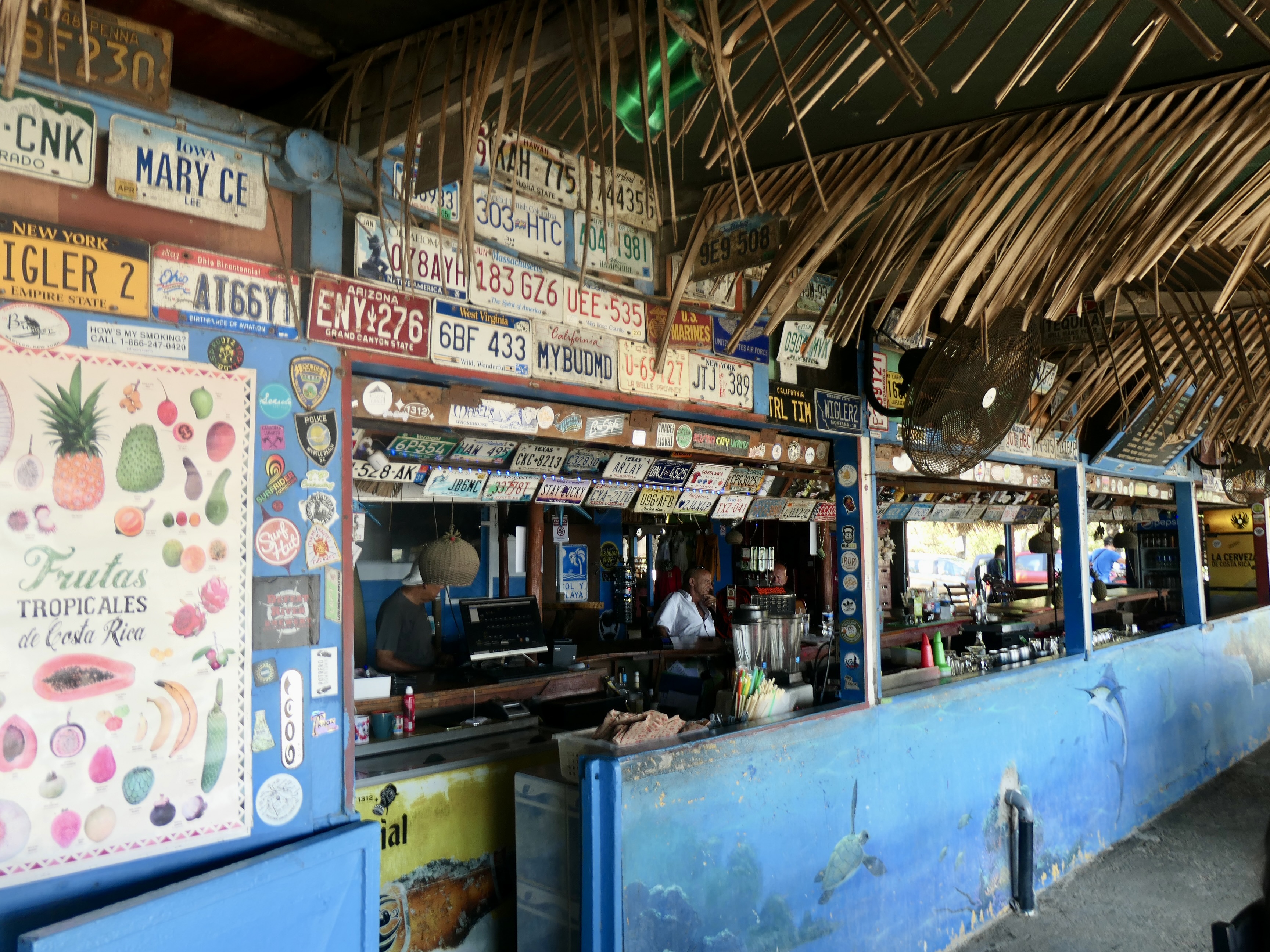
On the pacific Guanacaste coast lies Potrero, a small town about half way between Tamarindo to the south and Playas del Coco to the north. A mix of Ticos and expats live in this lovely area with several beaches and seaside eateries. We were able to visit with our expat relatives that included enjoying casado (the national dish), trying new fruits (soursop), having a beach day in nearby Flamingo, long warm evenings in the garden, checking out some local beach restaurants, and taking in a catamaran trip for some water play in a nearby cove and a sunset party on return.











Summing Up
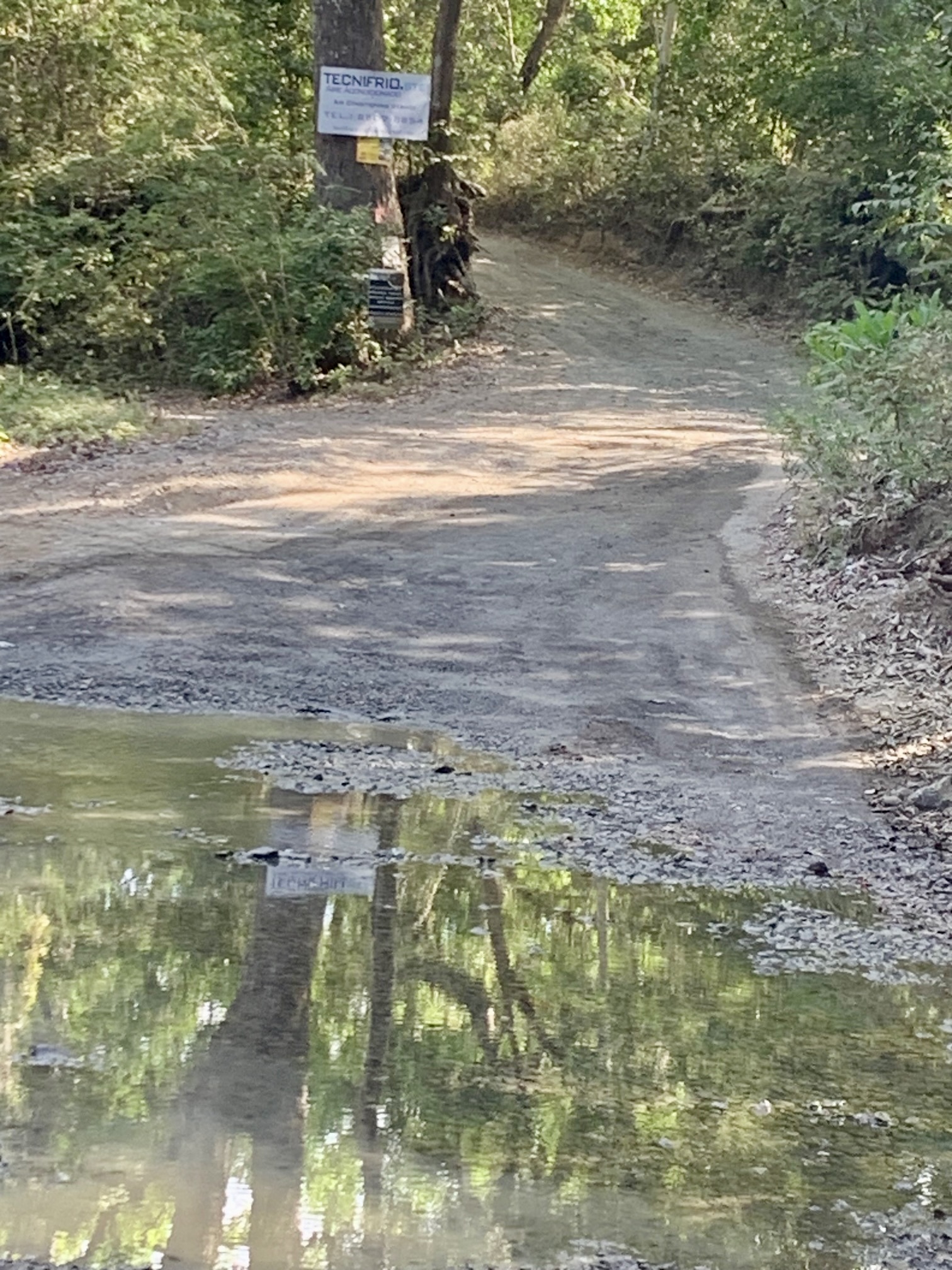
Car Rental: although an expensive venture, we found that renting a car was worth it for the flexibility it offered. Main roads are very good, local roads are mixed but in general, a 4WD is not necessary. We had a small car that could engage 4WD when needed which was rare (a few kilometres climbing up to Monteverde and on the ‘monkey trail’ that is the local road between Portrero and Playas del Coco). All bets are off however if travelling in green (wet) season.
Navigation: as per everyone’s recommendations, we mostly used Waze. While not flawless, it is more reliable than Google maps and is also functional offline.
Activities: almost all parks have entry fees, whether nationally or privately operated. Some can only be booked online while others can be paid at the entrance. Beaches are free although you may have to pay for parking or hire chairs/canopy etc. and sometimes search for the public access trail in more built-up shore areas.
Accommodations: while we searched on multiple platforms (Airbnb, Booking.com, Expedia, Hostelworld), we found all our accommodations on Airbnb & Booking.com. We avoided resort-style lodging yet always had private suites, bathrooms, and cooking facilities.
Food: groceries average about the same as in Canada, but eating out is about 1.5 – 2 x the costs of doing so at home. However, every place we stayed provided excellent Costa Rican coffee to start the day. We also cooked most of the time and picked up fruit at roadside markets. Fresh fish from a fishmonger is the best! We discovered reasonably-priced Chilean wine & Costa Rican beer in grocery stores. And yucca chips! In 4 weeks, we had 8 meals at restaurants – the main meal is “lunch” and is typically eaten in the mid-afternoon. Most difficult to find was any non-alcoholic beverage without aspartame.
Water: tap water is clean and tasty. Costa Rica invested in the infrastructure 80 years ago! It was mystifying to see people paying US$3 for a small bottle of water. Many parks will not allow plastic water bottles so bringing your own re-fillable bottle is useful. Asking for ice however is often a significant additional charge (another benefit of having cooking facilities is the ability to freeze water that doubles as ice packs).
Money: prices are typically listed in both Colones and USD. Many businesses in the popular tourist areas only list prices in USD where you need to ask for the price in Colones. Most Canadians use cash or pay in Colones on their credit cards. The best way to get cash is at ATMs and many places only take cash.
Safety: Costa Ricans are extremely friendly. There is little violent crime however theft is common, mostly from vehicles. Signs everywhere advise you to leave nothing of value in the car, even if in a paid & ‘guarded’ parking area. Electronics are particularly vulnerable; M even hiked with her laptop in a backpack when we were travelling between accommodations.
Weather: yes, it is hot! This is a tropical country and it was slightly hotter on the west side. Beaches (sea level) are significantly hotter than upslope areas. Even when raining on our jungle hikes, it is warm enough that one doesn’t get chilly if wet. A light sweater or jacket was needed only in the evening in Monteverde. Humidity is high, even in the middle of the dry season. Sunscreen or solar-shielding clothing is a must given the latitude. San José had the most moderate weather (temperature & humidity).
Our “Must-Do” suggestions:
- ~ visit at least one volcano
- ~ hike in a tropical jungle
- ~ swim in a waterfall pool (likely combined with a hike)
- ~ walk in a cloud forest
- ~ swim in the ocean, from a beach or from a boat
- ~ go to hot springs (there are ones ranging from *free* to every price level you can imagine)
- ~ visit both coasts – they have entirely different vibes
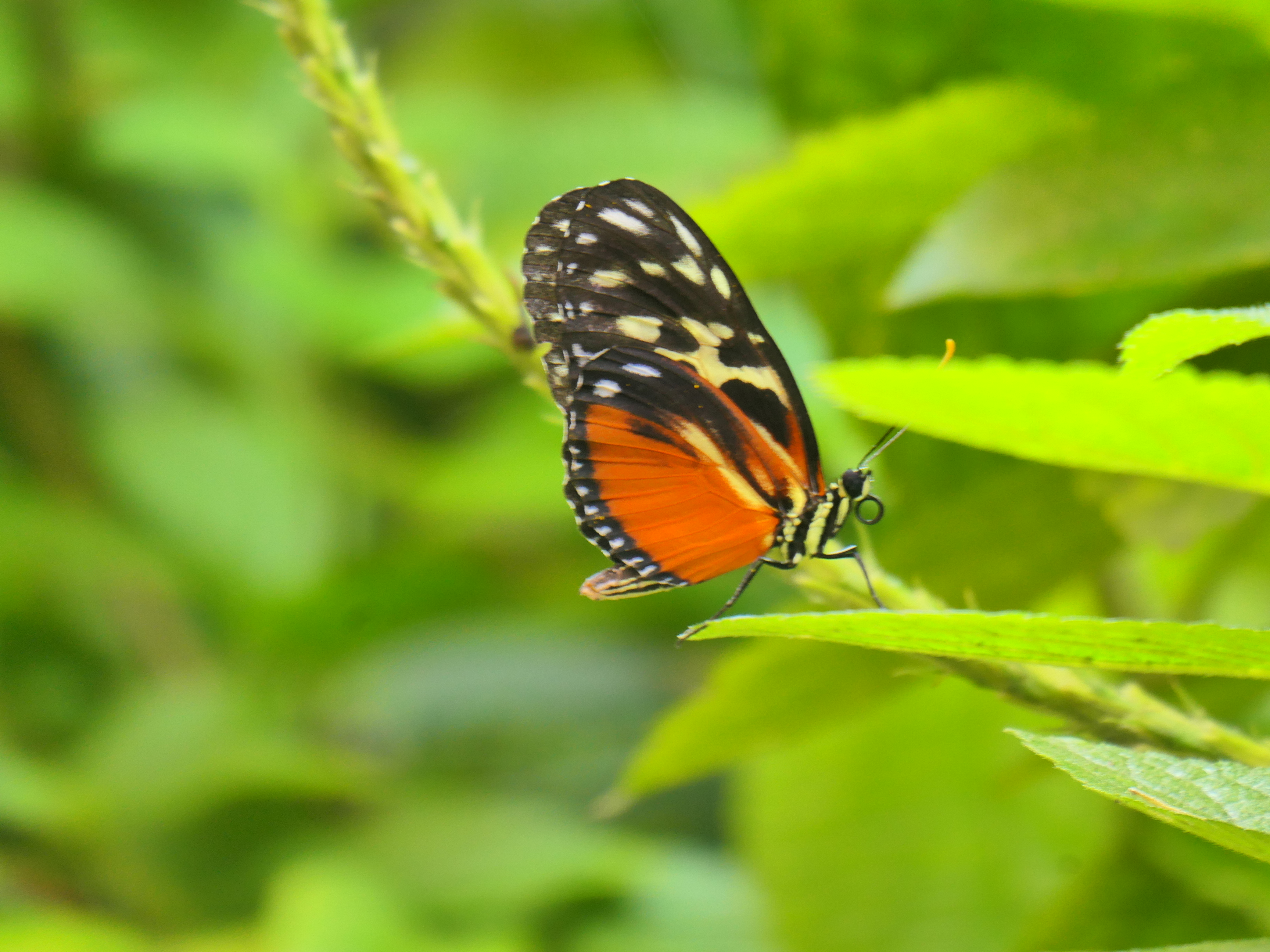
- ~ experience the flora & fauna whether by guided or unguided walks in any parks or reserves
- ~ go to the National Museum of Costa Rica



Brief Review of Our Accommodations
- San José: 3Paseo Colon: https://www.airbnb.ca/rooms/591907978076621424?source_impression_id=p3_1750471146_P3gsgM1-posVqr_Y Pros: good location, large sitting room, kitchen, laundry room, terrace, queen bed in main room, A/C. Cons: difficult to find initially, steep stairway access, no parking
- Puerto Viejo: Beachfront Studio: https://www.booking.com/Share-HT0T1q Pros: privacy, spacious, direct access to beach, large bathroom, newly outfitted, A/C, off-street secure parking. Cons: no outdoor seating, 30-min. walk to central town area
- La Fortuna #1: Studio in San Carlos: https://www.airbnb.ca/rooms/1048566428993503619?source_impression_id=p3_1750471023_P3HxgVkoA8AlklxS Pros: off-street secure parking, full kitchen, outdoor covered patio with chairs, away from traffic noise. Cons: 5-min. drive outside of central area small bed, very small bathroom, old furnishings.
- La Fortuna #2: Deluxe Arenal Condo: https://www.airbnb.ca/rooms/688334065643453038?source_impression_id=p3_1750470740_P37ImRCyEiAiqQ2e Pros: 2-blocks to central plaza, off-street parking, both rooms with queen beds and A/C, full kitchen, large couch and dining space, common games area, view of Arenal volcano. Cons: could be noisy depending on level of activity of fire station across street (we only heard sirens once).
- Monteverde: Hostel Cattlaya: https://www.booking.com/Share-aNzCtc Pros: new construction, separate building across street from dorms, A/C and private bathroom, access to communal kitchen, sunset view. Cons: 2 beds and a tiny table with 2 stools (no storage).
- Dominical: Home in Savegre de Aguirre: https://www.airbnb.ca/rooms/1143346635755267931?source_impression_id=p3_1750471103_P3lH8CV8U898xsuM Pros: beautiful gardens with patio seating, well-outfitted kitchen, sitting room, dining table, queen bedroom, shared laundry area, secured off-road parking. Cons: difficult to find in the dark, tricky padlock for gate, prone to power outtages (in this area), nighttime barking dogs in area.
- Puntarenas: Hotel Don Robert: https://www.booking.com/Share-Rq9mYk Pros: central location, good hostess, large room with fridge & small dining area, A/C, good breakfast included, secured off-street parking. Cons: very old, strange step-up bathroom with lack of hot water, no windows, buzzed-in access only.
- Montezuma: Casa Lora-Verde: https://www.airbnb.ca/rooms/1251471804349180654?source_impression_id=p3_1750470955_P3MLgs1Cd3SbC5zs Pros: spacious room, king bed, good bathroom/shower, functional kitchenette, dining area, access to host’s pool and palapa area, off-street secured parking, helpful host. Cons: no outdoor area as part of suite, on main road in/out of Montezuma (traffic noise). It is next door to a very good restaurant which can be noisy until 11 pm. Some people might find this a con but we found it to be a pro to walk 3 minutes for a nice meal out.
- Portrero: Work & Play Casita: https://www.airbnb.ca/rooms/1303640873786256821?guests=1&adults=1&s=67&unique_share_id=8e93ad5d-124d-4df3-b528-e359cdd88469 Pros: newly constructed, comfortable king bed, functional kitchenette, large shower with good hot water, shaded terrace with garden furniture and entry from street, beach supplies for an 8-minute walk to beach, residential neighbourhood with on-site security, very helpful host. Cons: street parking, no laundry.
 Never a Dull Moment
you did much more hiking than I thought! Warriors. I enjoyed this and now wish to go back and explore more!
Thanks for sending We did the trip through you lol