As Santiago is the portal to Isla de Pascua (aka Easter Island), we felt immensely privileged to have the opportunity to visit this most westerly and remote part of Chile. Flying on stand-by status to an island with limited flights is a bit of a test of nerves. There is an entirely separate permit process to get there – from finding government-certified accommodation to completing an online application form to receive an ‘invitation’ from the government to going through an international level of security for what is a domestic flight. Getting there ended up being a breeze but getting back a week later was a bit tense with both flights of the day full. We were relieved to get on the second flight when the first one could only take one of us.



As a remote island with only 6,000 inhabitants, most everything needs to be imported. Rapa Nui is expensive by Chilean standards – about twice the prices as mainland (or quite close to Canadian). Our host advised us to bring food…so we filled one of our suitcases with non-perishables and left a duffel bag of cool weather clothing & hiking stuff at the hotel in Santiago.
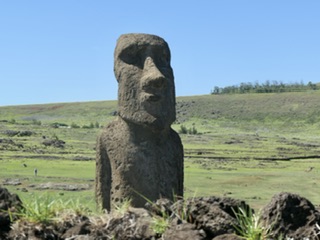
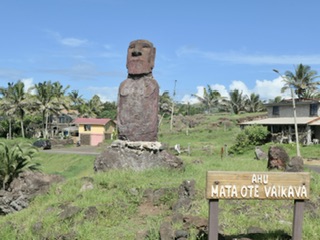
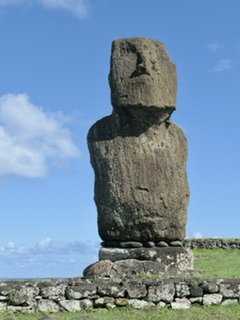
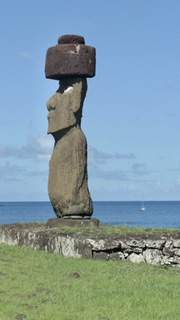
Moai
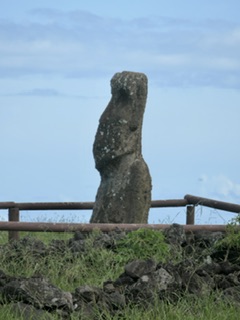
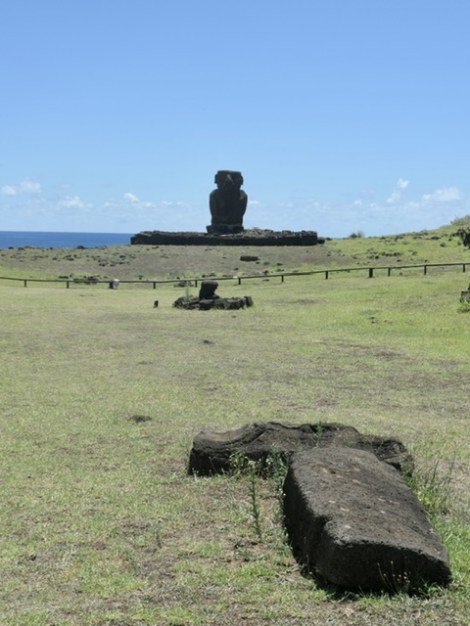
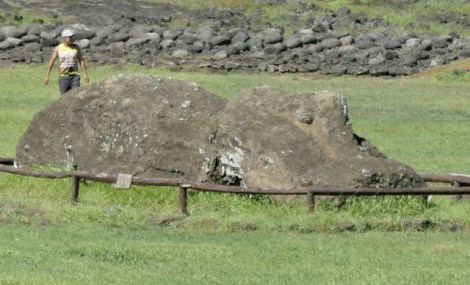
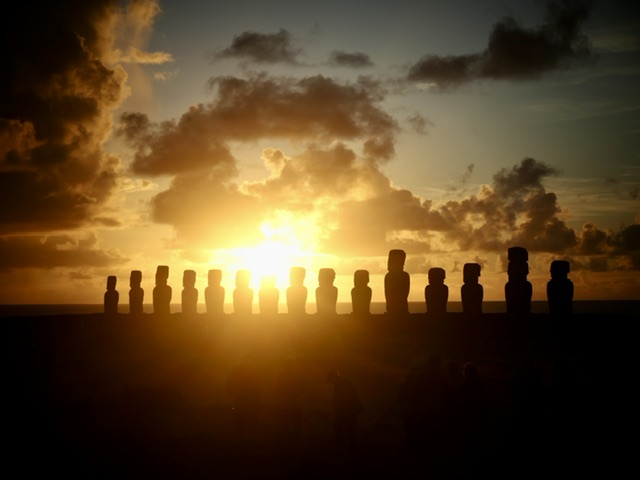
Individual moai are located all over the island. Group moai are also found in strategic locations – at Anakena beach (north coast), at Tongariki (east coast), Ranu Raraku (inland), and at Ahu Tahai (west coast). Group moai are seen in subsequent sections of this post.




Cycling
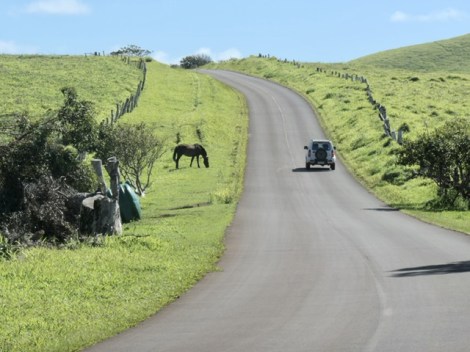
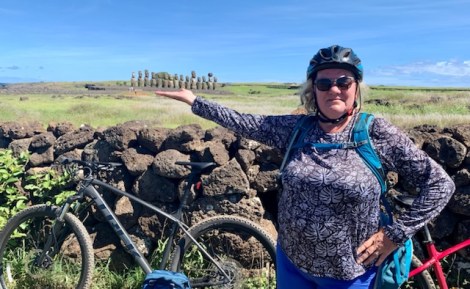
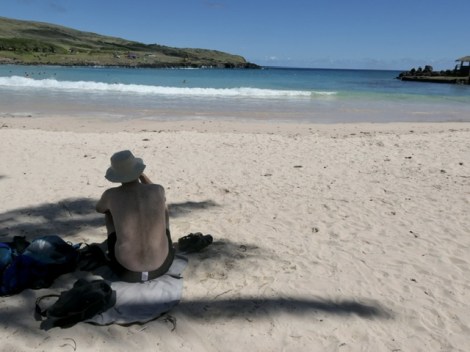
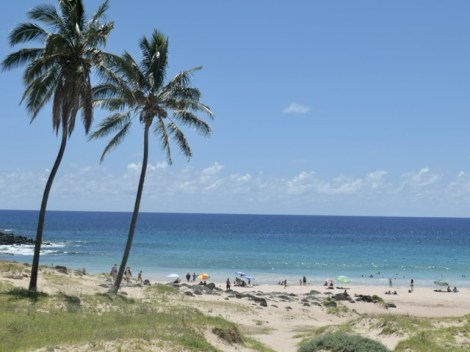
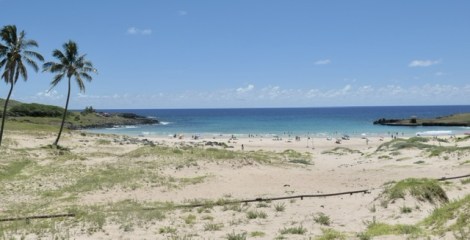
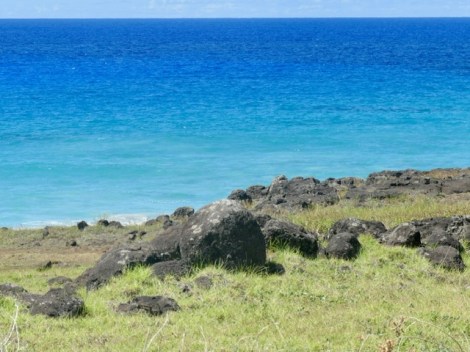
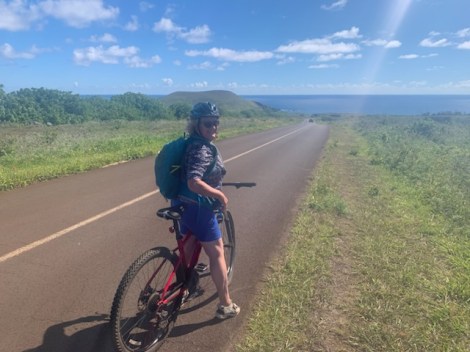
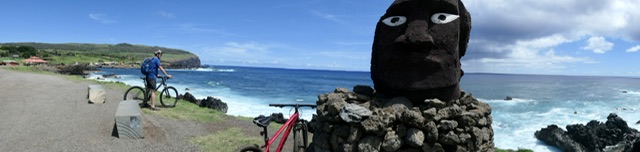
A gruelling 55 km cycle around the island had us climbing steadily through the middle, then a steep descent to the northern coast and to Anakena beach, one of the most beautiful beaches anywhere, before tracing the rolling eastern coastline road, and finally a long climb back to Hanga Roa. ‘Gruelling’ mostly due to heat & humidity where even 50spf sunscreen didn’t prevent sun burns.







Hiking
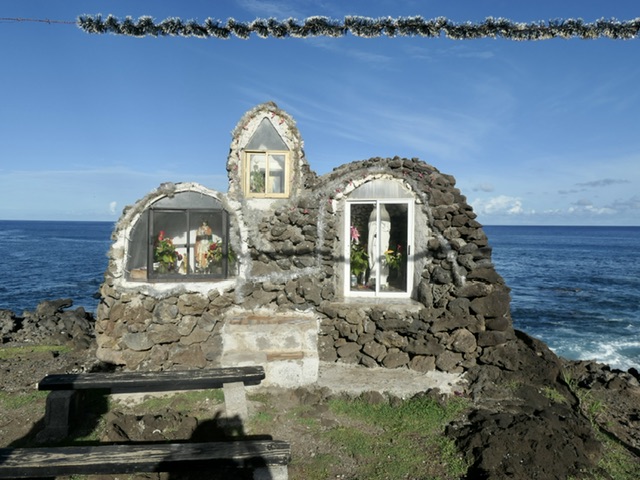
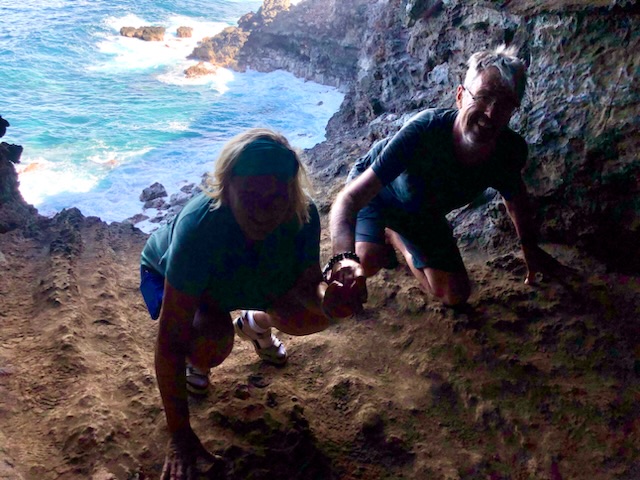
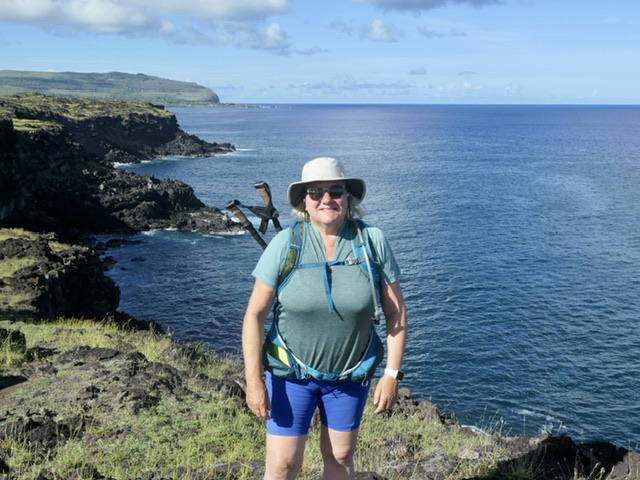
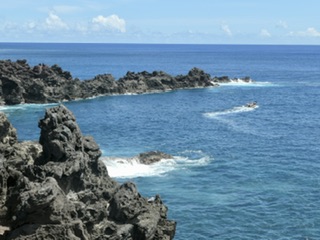
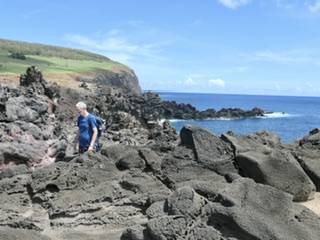
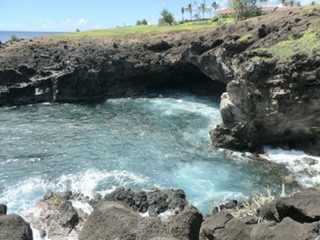
A story: In addition to a very expensive National Park fee, you are now also required to hire a certified tour guide to visit most of the island’s moai. Hiking to the caves could be done independently and were actually not too far from our cabin. As we were hiking along the headland, we exchanged conversation with 2 separate couples doing the same thing. One French and one Dutch. Both shared how nice it was to hike without a guide. Well, about halfway there, we all arrive at a gate with a guard who insists that we need a guide, pointing to new sign (for our safety, of course). At that moment, a Chilean family pulled up with a guide, and we quickly negotiated a fee for the guide to include us. Got through the gate, the French couple took off on their own (they were highly miffed at the new requirement) while the Dutch couple and us trailed the family group. Once we got to the cave entry, the guide became very helpful getting into the cave, organizing us below, and guiding us back out (see video below). We might (probably?) would not have attempted the caves without him.





South Coast
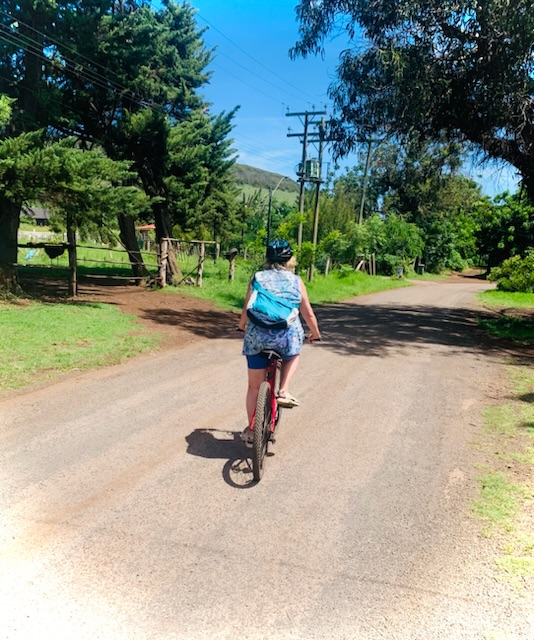
We explored this area first by bike then by car. The cycling was on very rough roads, full of potholes and gutters from rain run-off, in high heat with little shade, and when we saw the ascent to the volcano, we decided against it. We later went back by car to see the lagoon inside the volcanic crater that is its own unique micro-climate.



Museum
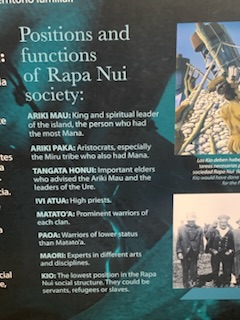
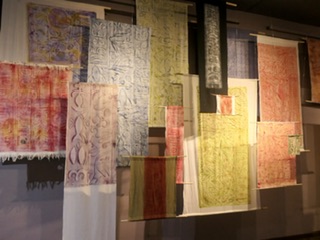
While just down the road from us, we only found it open on our second to last day. It is well done and filled in some of the gaps for us.



Ovahe Beach
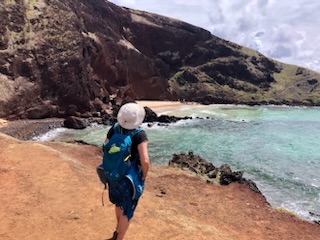
A small beach, almost hidden. We had our packed lunch there but left before the rising tide would have blocked us from exiting.



Hanga Roa
All services (and most residents) live in the town of Hanga Roa. The rest of the island is mostly archaeologically protected in the National Park.
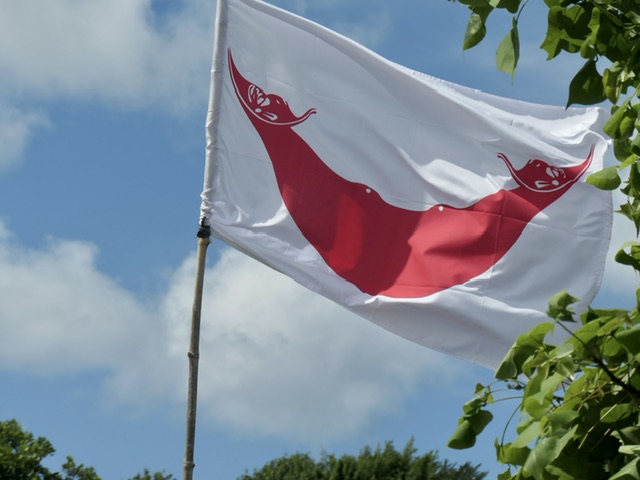
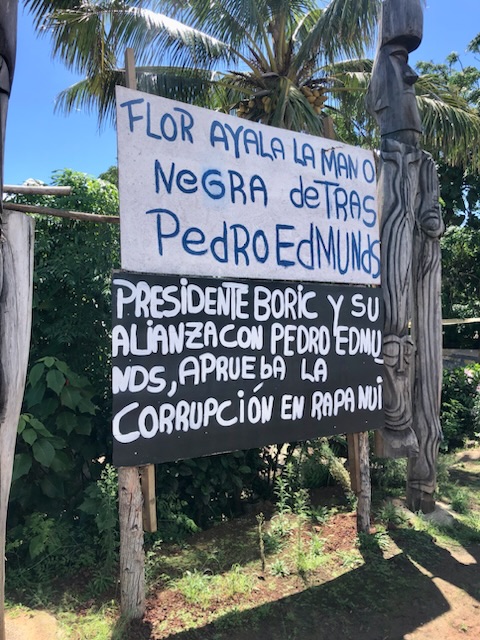
Political tensions are evident between the the island’s citizens and the central Chilean government. The island’s residents are torn between those who want and don’t want tourism, and between indigenous and non-indigenous, the former identifying as Polynesian, the latter as Chilean/Spanish.


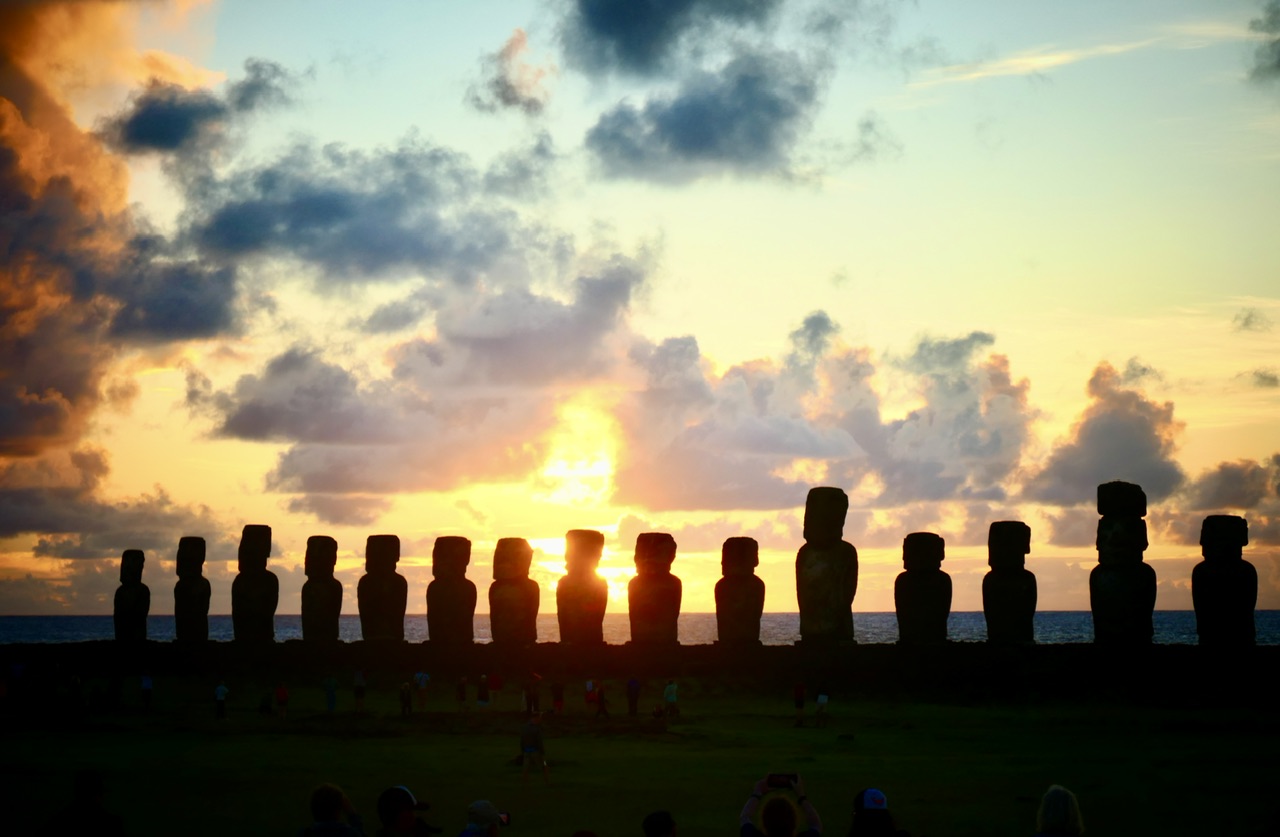
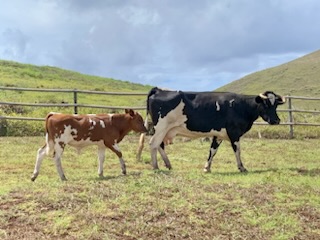
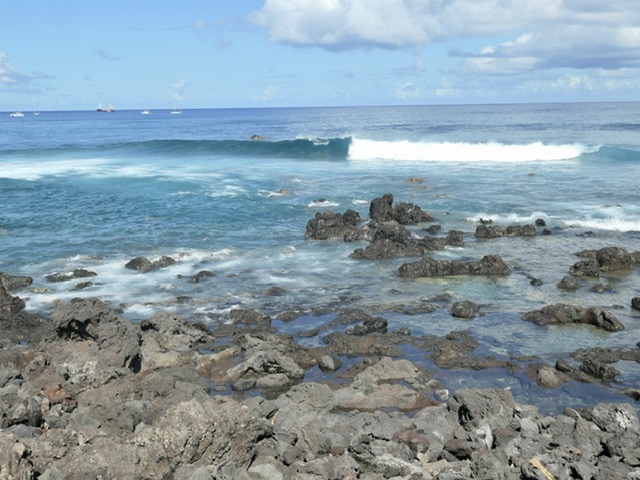
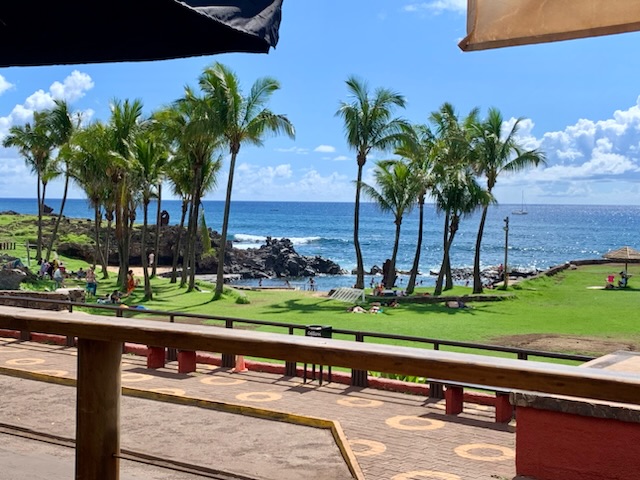
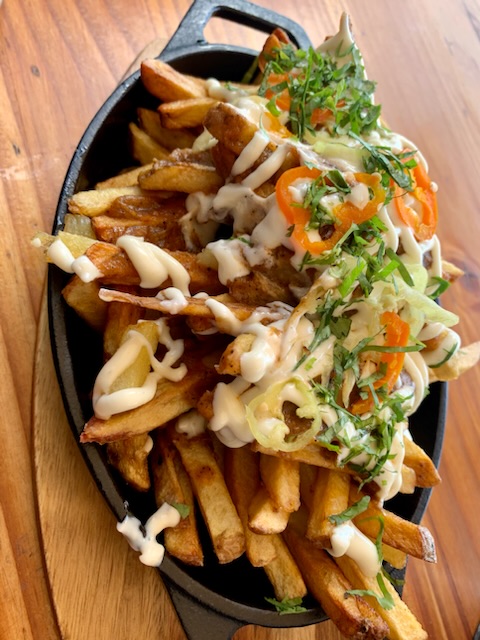
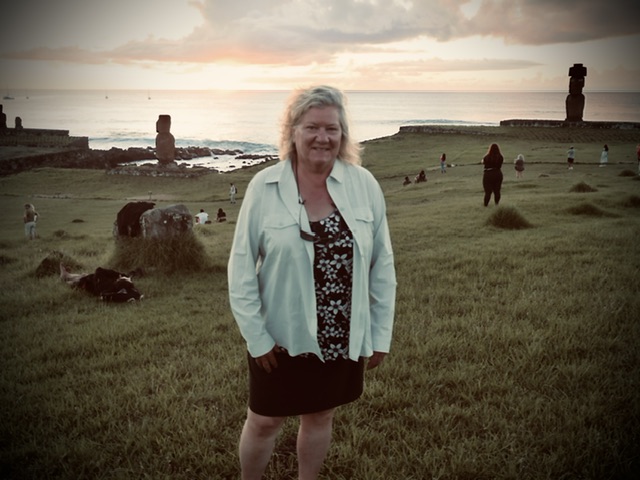
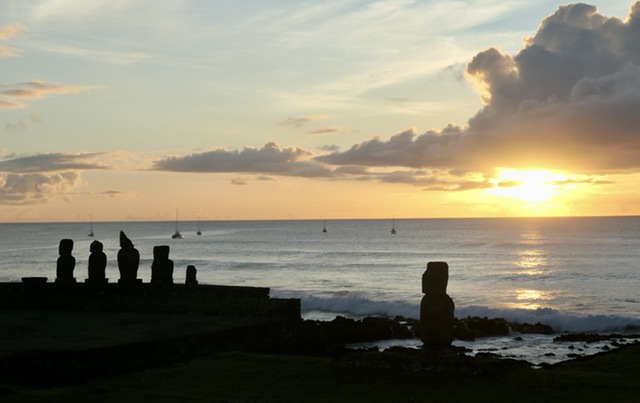
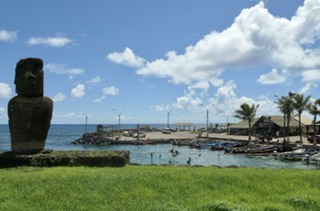
Coastal waters and sunset views: we enjoyed the swimming holes, a seaside restaurant with fantastic seafood & sangria, and the popular gathering in the park for sunset over the moai. Including the multitude of dogs that seemingly, like to attach themselves to us, and the many horses that cover the island.
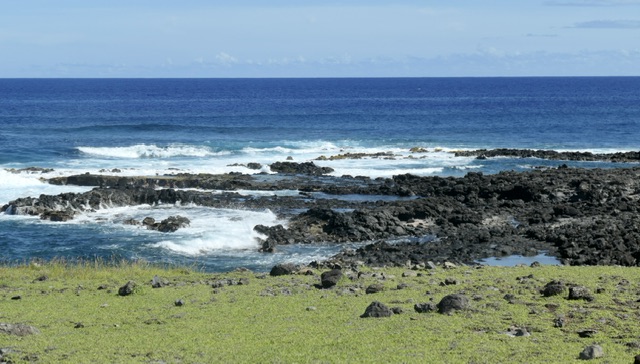
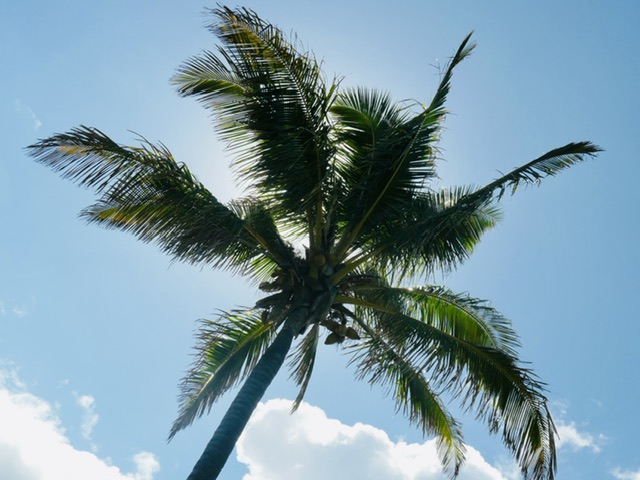

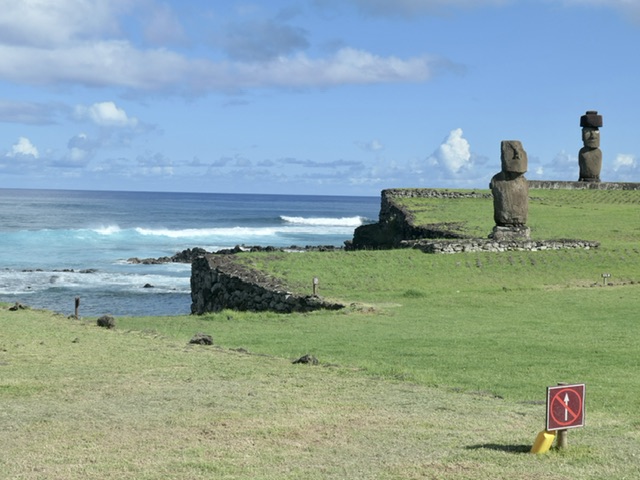

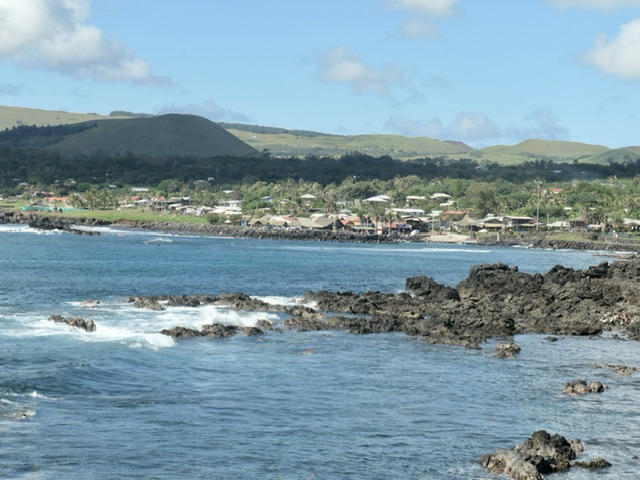








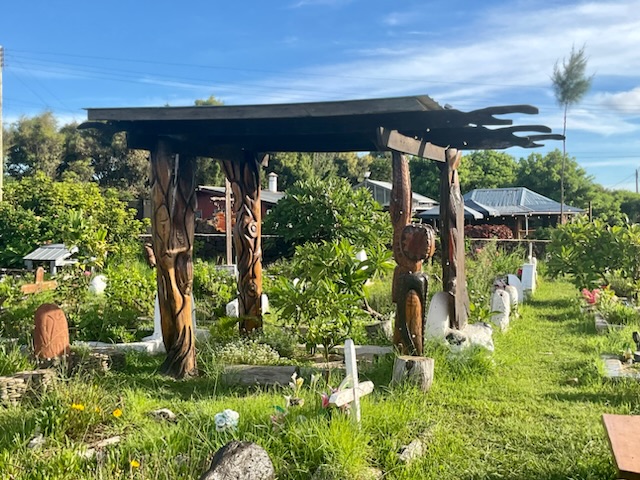
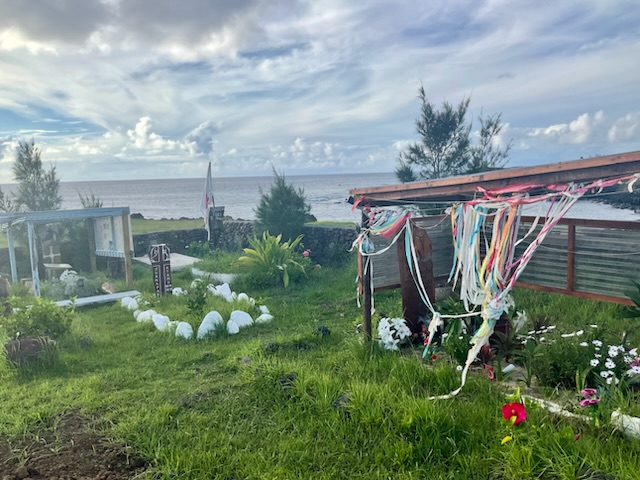
The village cemetery is rather beautiful, too.
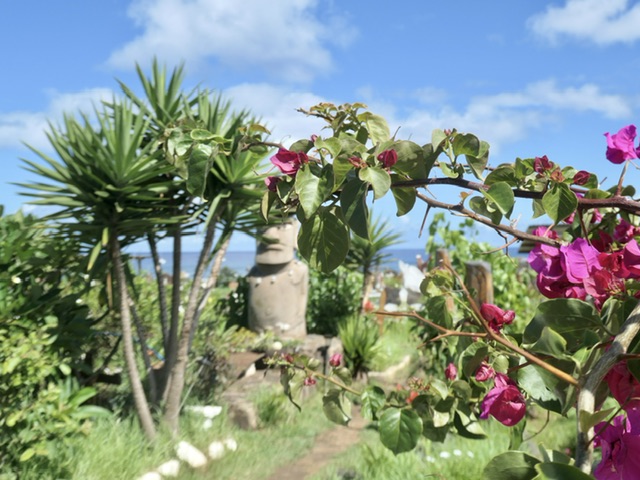



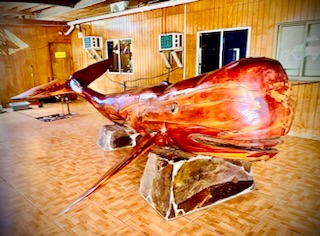
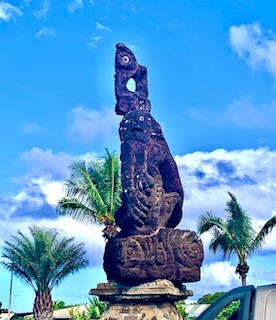
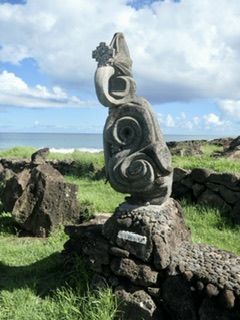
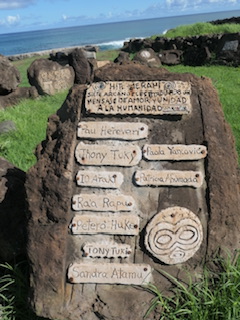
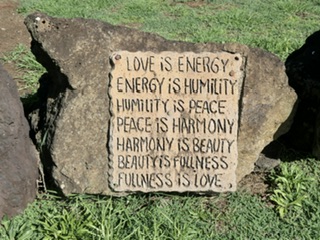
A peace monument created by local artists:

Rock Art
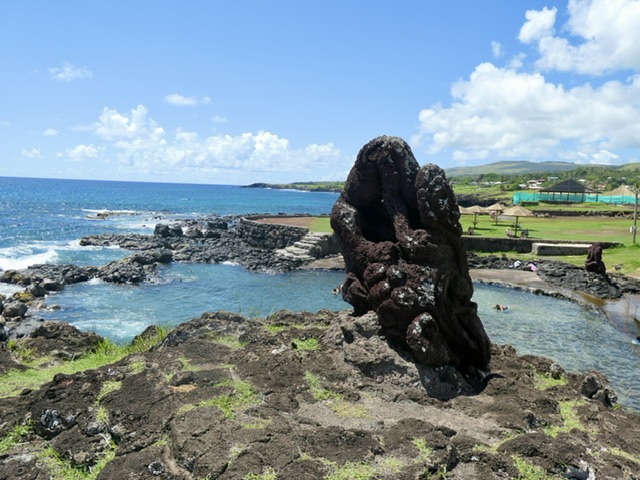
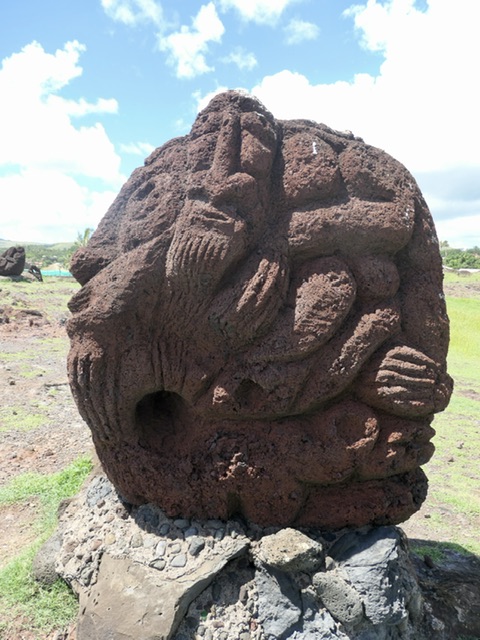
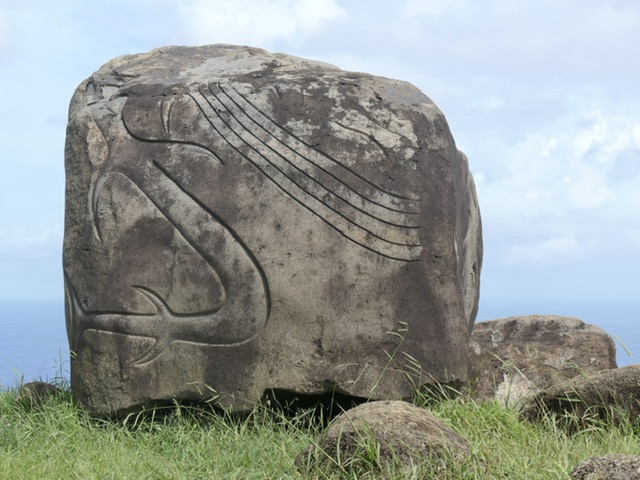
In addition to the hundreds of moai on the island, rock art is also an integral part of the historical culture. Examples are found everywhere, even on individual properties, and the art of rock-cutting is an important continuing skill for many island artists.






Sunrise Excursion
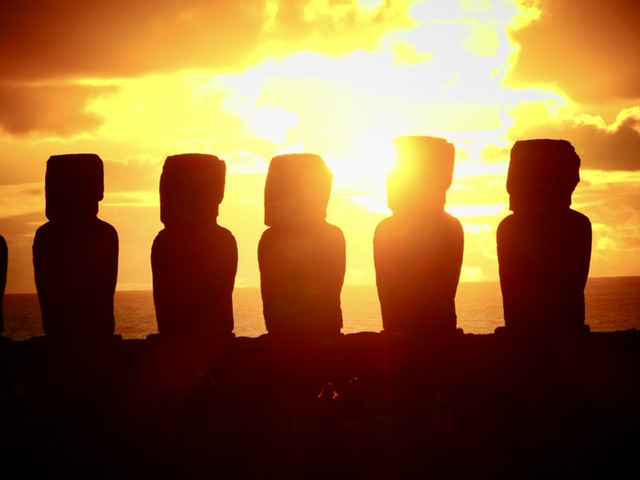
Sunrise is at approximately 8:15 am – a weird phenomenon related to Chile mainland aligning it’s time zone with the rest of the continent. Easter Island is 2 hours time zone west, which made for the confusing flight whereby we left Santiago after sunrise, then flew back into the night, before meeting up with sunrise in the mid-pacific. Renting a car allowed us to make the approximately 30-minute drive to the sunrise spot.



One of the main challenges on this remote island is technology. Wi-fi is intermittent and cellular service is very weak. Yet, services like government information, museum translations, and airline check-in is still expected to be carried out digitally. Perhaps it is smoother for Chileans with domestic phone numbers and plans…?
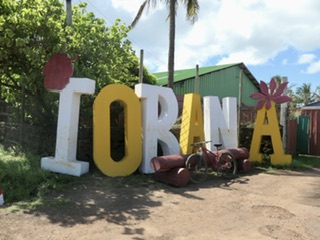
Iorana!
 Never a Dull Moment
To be honest I am disappointed with the lack of bunnies and eggs.
LOL
Hi, did you have any problem with the entry form? It only allows to choose Chilean nationality…
We had no problem at all. We completed the forms online and got our approvals the next day.